What caramelizing really does
Caramelized onions are more than softened onions. As they cook, water evaporates, the edges brown, and the onion’s natural sugars taste sweeter and deeper. That change takes steady heat and time, not a hot blast.
Yellow onions are the most dependable choice because they balance sweetness and savory flavor. Sweet onions also work, but they can soften and collapse faster, so watch them closely. Plan on 2 large onions for a skillet side or topping, plus about 2 tablespoons of fat and a pinch of salt.
- Best pan: a wide skillet with a heavy bottom, 10 to 12 inches across.
- Best fat: butter for flavor, oil for a slightly higher heat tolerance, or a mix of both.
- Best tool: a wide spatula or wooden spoon that can scrape the pan clean.
Prep the onions and pan
Peel the onions, halve them through the root, and slice them from root to stem into thin strips, about 1/8 to 1/4 inch thick. Keep the slices even so they brown at the same pace. Thin slices cook faster; thicker slices hold their shape longer.
Warm the skillet over medium-low heat, then melt the fat. Add the onions and salt as soon as the fat is hot and glossy, not smoking. If you want a little more richness, use 1 tablespoon butter plus 1 tablespoon neutral oil so the butter flavor does not burn too early.
Cook slowly and keep them moving
Stir to coat every slice, then spread the onions into an even layer. Let them sit for a minute or two, then stir again. During the first 10 minutes they should soften and turn translucent, not brown. If the pan looks dry, add a teaspoon of water or a little more fat.
Keep the heat at medium-low for most of the cook. Stir every 3 to 5 minutes and scrape the bottom so browned bits do not turn bitter. Expect about 30 to 45 minutes total for a deep golden result, or longer if you want a darker, jammy finish.
Read the color, not the clock
The onions are ready when they are deeply golden brown, very soft, and glossy, with a sweet, savory smell. If you taste one, it should be mellow and rounded, not sharp or raw. At that point you can stop, or keep going for a darker color and stronger flavor.
| Problem | Why it happens | Fix |
|---|---|---|
| Onions burn before they brown | Heat is too high or the pan is too small | Lower the heat, use a wider skillet, and add a splash of water to loosen the fond. |
| Onions steam and stay pale | The pan is crowded or the heat is too low | Cook in a wider pan or split the batch, then raise the heat slightly to encourage browning. |
| Sticky dark layer builds up too fast | Fond is scorching instead of dissolving | Deglaze with 1 to 2 tablespoons water and scrape immediately. |
| Flavor tastes flat | Too little salt or too little time | Add a pinch more salt and keep cooking until the onions smell sweet and toasted. |
Easy ways to change the flavor
For a classic savory version, add a few grinds of black pepper and a sprig of thyme during the last 10 minutes. For a sweeter finish, add a tiny pinch of sugar only if your onions are not naturally sweet enough. It is optional, not required.
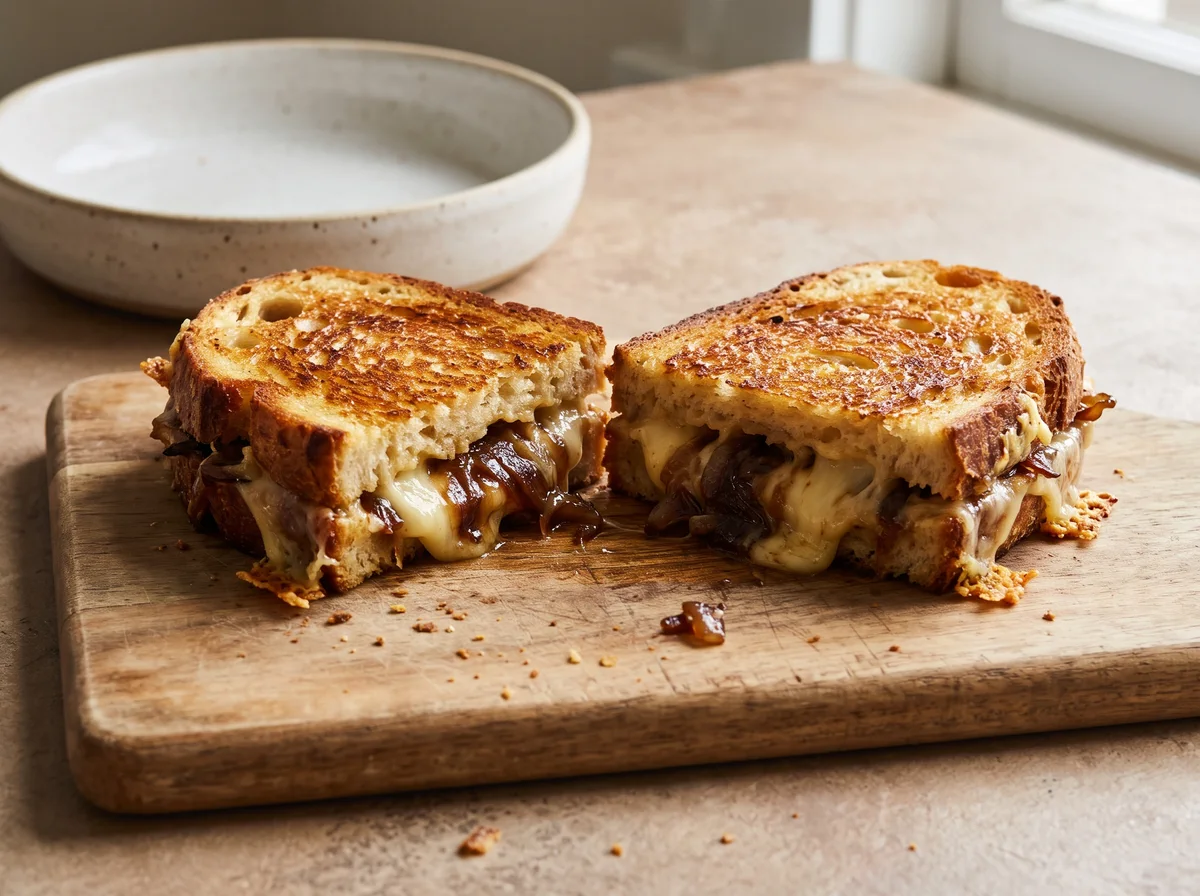
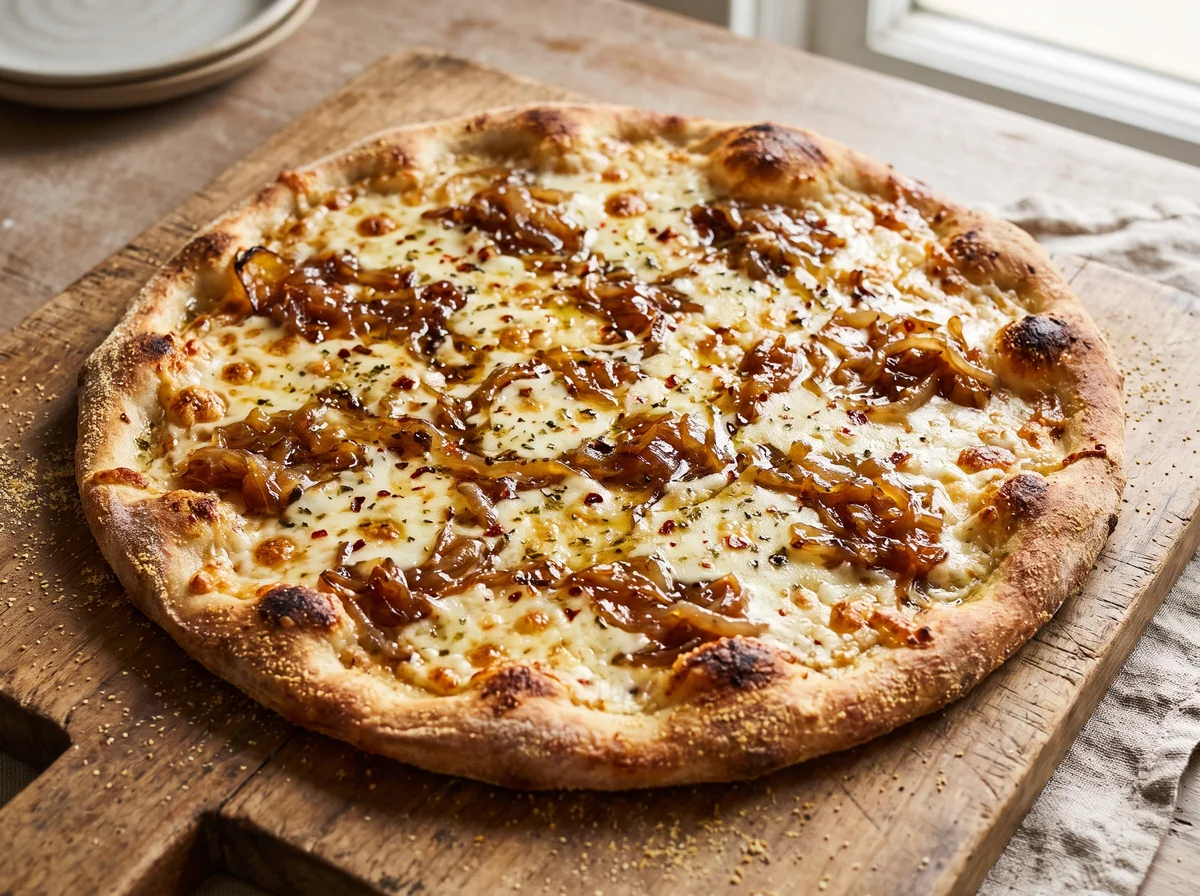
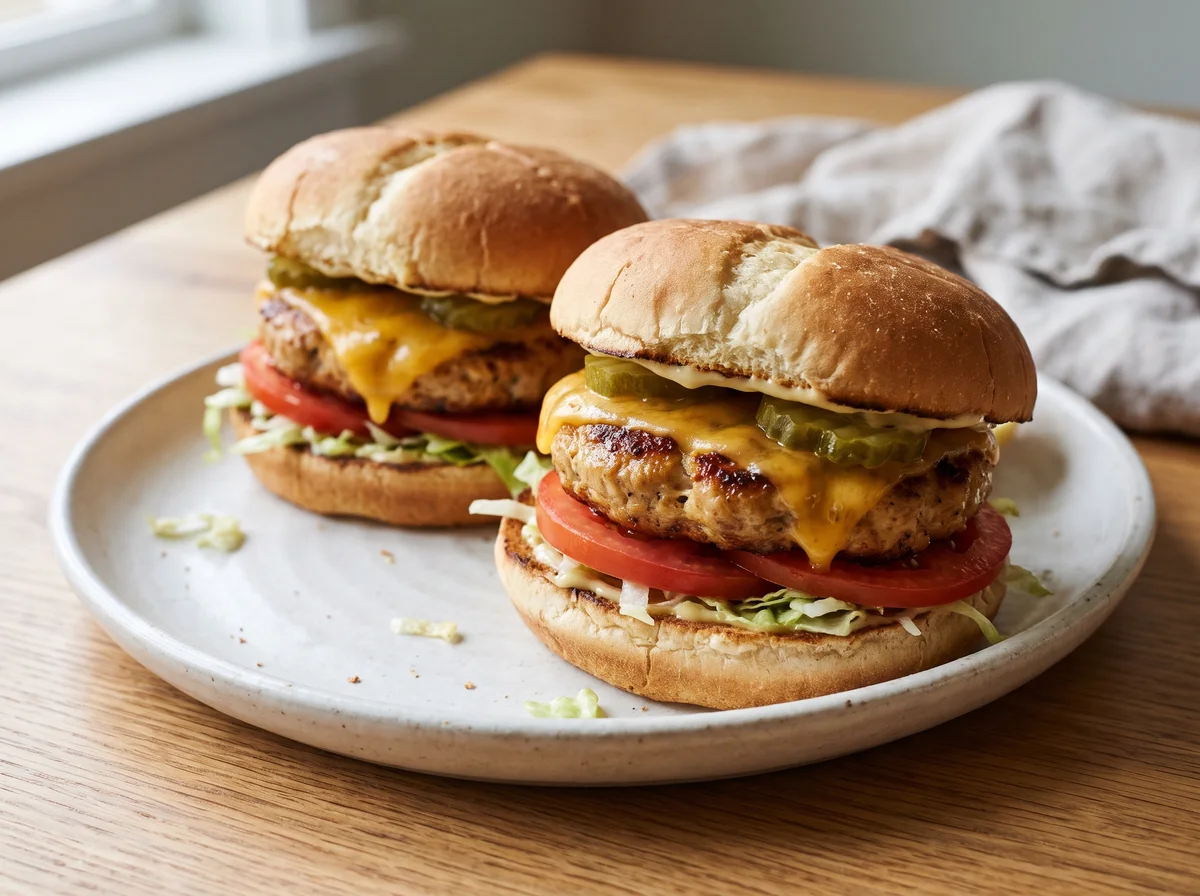
For French onion soup, stir in a splash of sherry or white wine to deglaze near the end. For pizza, burgers, or sandwiches, let the onions cook until a little darker than you think you need, because the flavor softens once they are tucked into bread or melted cheese.
- Herb finish: thyme, rosemary, or bay in the last stretch.
- Brighter finish: a teaspoon of balsamic vinegar at the end.
- Richer finish: a spoonful of butter off the heat for shine.
Store and reheat smartly
Cool cooked onions quickly in a shallow container, then refrigerate them within 2 hours, or within 1 hour if the room is above 90 F. Keep the fridge at 40 F or below. Use the onions within 3 to 4 days for best quality and safety.
Reheat only the portion you need until steaming hot and 165 F if you are checking with a thermometer. If you use a cast iron skillet for cleanup, wash it with mild soap if needed, dry it thoroughly, and wipe on a thin film of oil so the pan stays protected.
Sources: FoodSafety.gov: Four steps to food safetyFoodSafety.gov: Cold storage chartFoodSafety.gov: Safe minimum internal temperatures
Common questions
Do I need sugar to caramelize onions?
No. Onions contain enough natural sugar to brown and taste sweet if you give them time. Sugar is optional and usually only useful if you want a slightly sweeter finish.
Can I caramelize onions faster over high heat?
High heat will brown onions faster, but it also makes them more likely to scorch before they soften. If you need to move a little faster, use a wider skillet and keep stirring more often rather than turning the heat way up.
Why are my onions sticking to the pan?
Sticking usually means the pan is too dry or the heat is too high. Add a small splash of water, scrape up the browned bits, and lower the heat a little.