Use more food. Waste less.
Make a visible use-first area, label cooked food with its date, and plan a second use for partly used ingredients. Freeze suitable food while it is still safe, and shop from a list of what is actually missing.
Make the next ingredient easy to see
A small use-first area is more useful than a complicated inventory you never update. Keep ready-to-eat leftovers in covered containers and raw meat contained separately below them. Move only foods that remain safe into your use-first area; storage history matters more than appearance alone.
Give leftovers a destination
Pack the next lunch while putting dinner away, or label a portion for the freezer. Keep crisp and wet components separate: tortillas away from slaw, rice away from cucumber, sauce away from toast. This preserves options and makes reheating easier.
Cool promptly and reheat safely
USDA guidance is to refrigerate perishable food within two hours, or one hour above 90°F. Divide large batches into shallow containers; do not wait for a full pot to cool on the counter. Keep the fridge at 40°F or below and use refrigerated leftovers within 3–4 days. Reheat leftovers to 165°F.
Use overlap instead of buying extras
Choose two meals that share an ingredient but use it differently. Spinach can finish a curry and a white-bean skillet. A cabbage can supply slaw and a stir-fry. Count what remains before shopping, then buy an amount you can realistically use.
Track what gets thrown away for one week
Record the food, rough amount and reason: forgotten, too much cooked, unsuitable storage or disliked. Pick one change that addresses the most common reason. This gives your kitchen its own baseline without assuming a fixed savings percentage.
Storage guidance: FoodSafety.gov storage chart and USDA leftovers guidance.
Put the idea on your plate
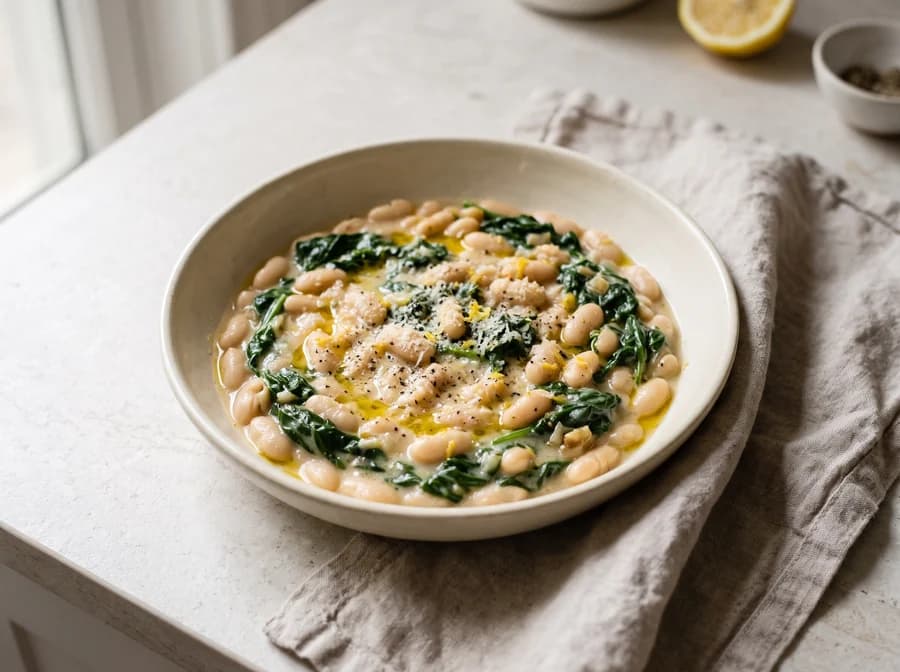
Creamy white beans with spinach
Cannellini beans become a silky skillet dinner with garlic, spinach, lemon and a little Parmesan. No cream needed.
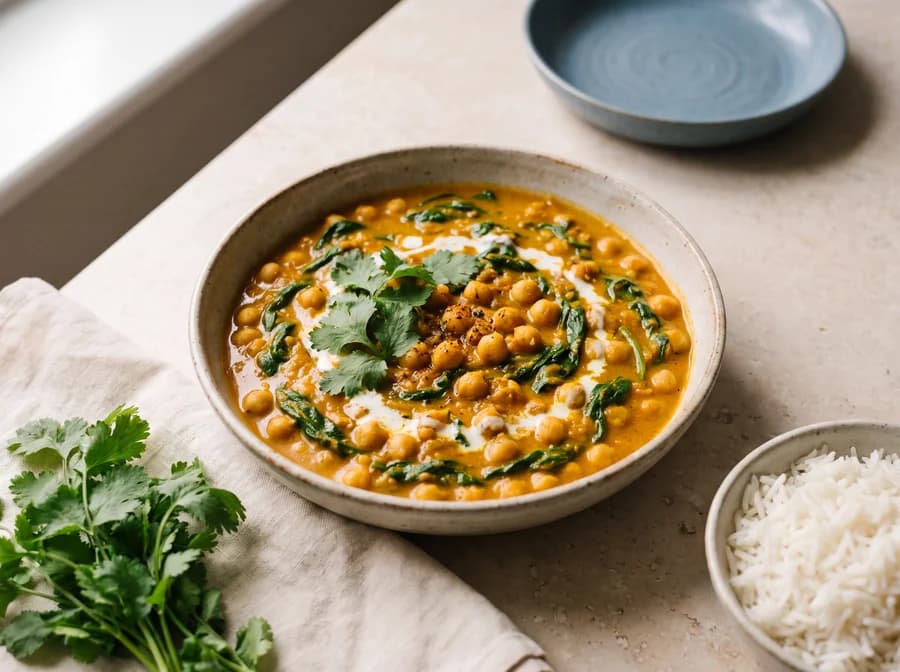
Coconut chickpea and spinach curry
A gently spiced chickpea curry with coconut milk and spinach, served over basmati rice.
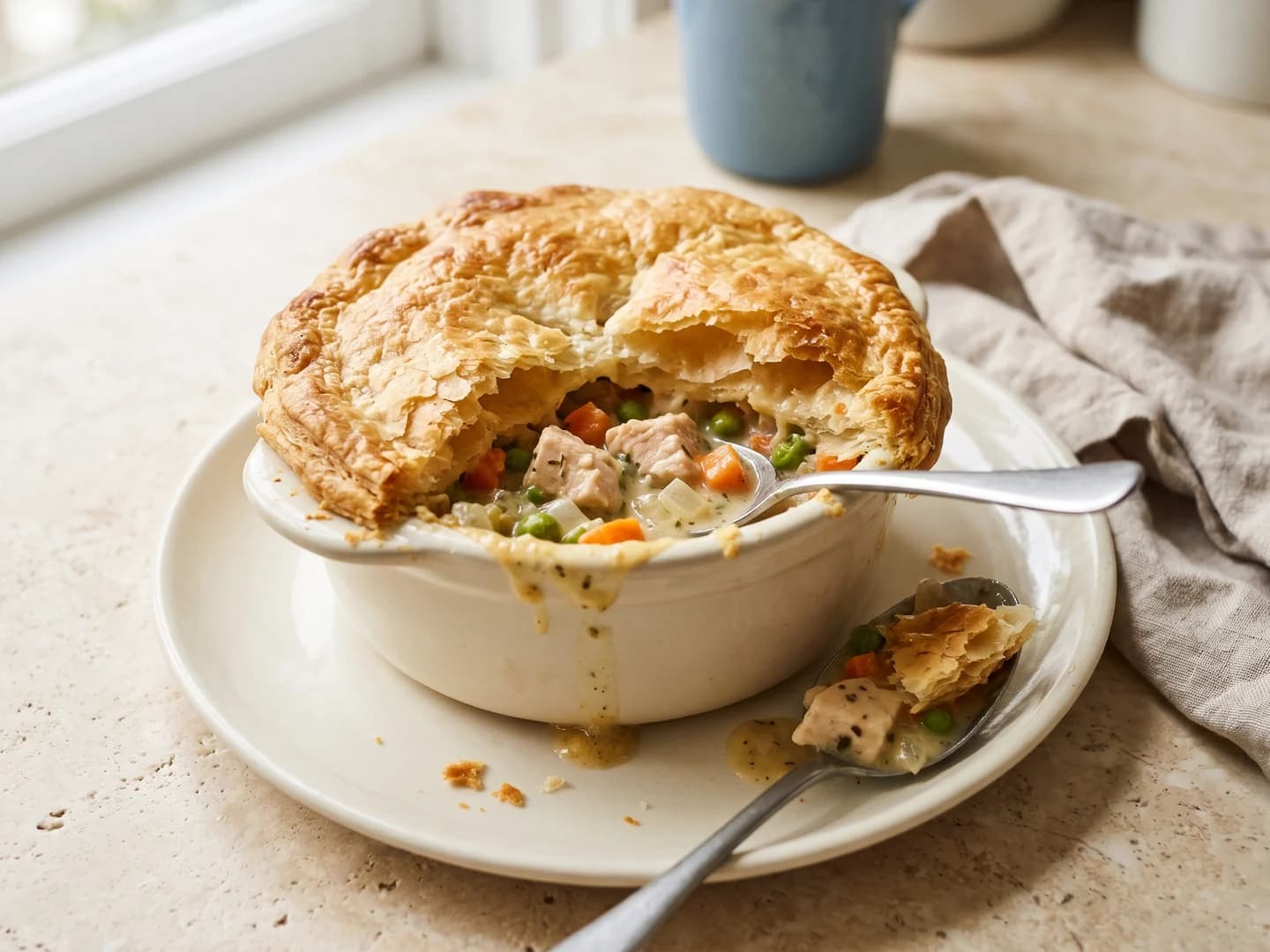
Chicken pot pie
A small chicken pot pie with a crisp pastry lid, tender vegetables and a creamy filling. It makes useful work of cooked chicken and frozen peas.
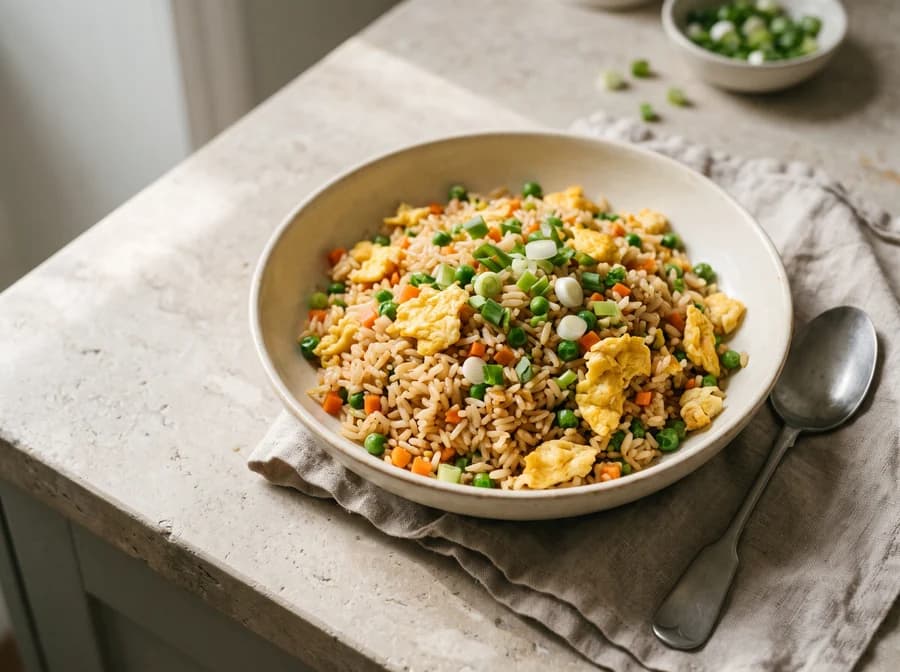
Vegetable and egg fried rice
A quick skillet dinner with rice, eggs, peas and carrots. Best with cooked rice that was cooled and refrigerated promptly.
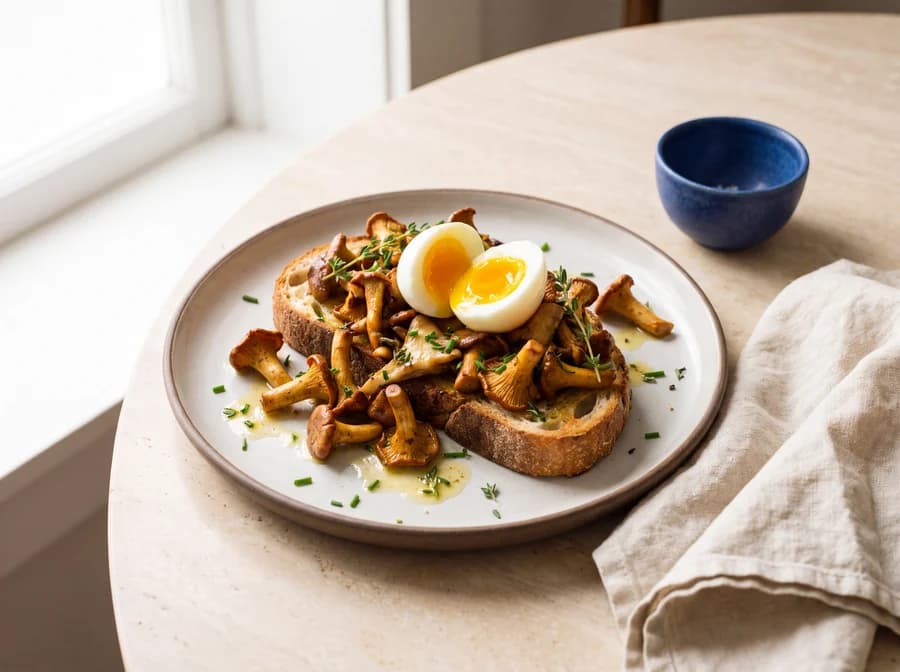
Garlic mushrooms on sourdough with eggs
Golden garlic mushrooms and tender eggs on crisp sourdough. A satisfying dinner from a short ingredient list.
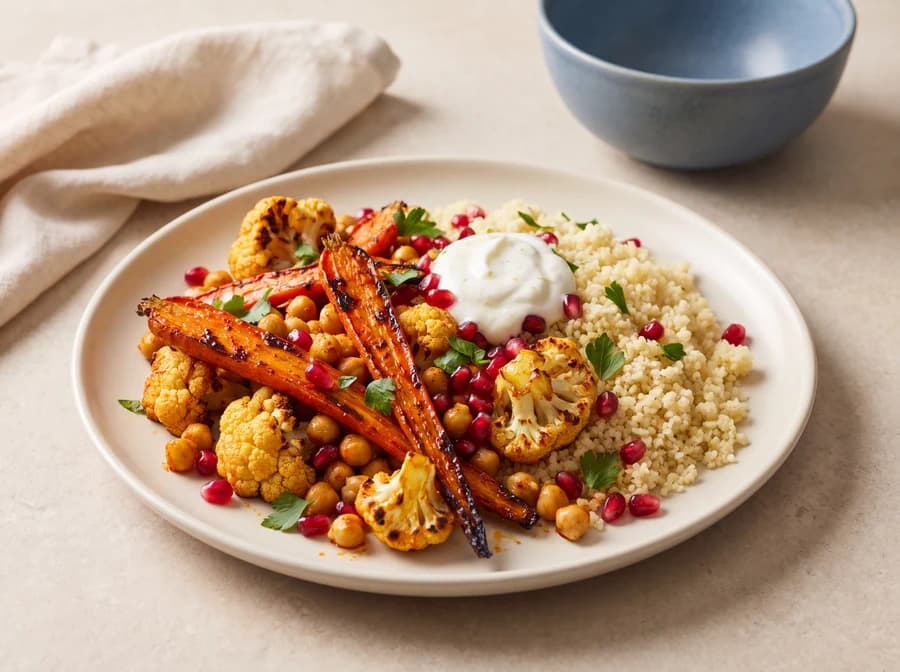
Harissa vegetables and couscous
Roasted carrots, zucchini and chickpeas over fluffy couscous, finished with a cool lemon yogurt sauce.
Practical guides for the next step
Common questions
Does reheating make forgotten food safe?
No. Reheating does not reliably fix food that was left out too long or stored unsafely. When storage history is uncertain, do not use it to avoid waste.
Should I freeze every leftover?
Freeze suitable dishes in portions while they are safe. Crisp salads, yogurt sauces and assembled toast can lose texture; store those components separately or prepare them fresh.
Your ingredients. Your next dinner.
Bring your pantry, preferences and portions together with Rosemary.
Start my kitchen →