Get food out of the danger zone quickly
Start by deciding whether the food can be split into smaller containers. A full stockpot or casserole cools slowly, so divide it right away instead of waiting for it to reach room temperature. The goal is not to leave food on the counter until it feels cool. The goal is to get it into the refrigerator while it is still warm, within 2 hours of cooking, or within 1 hour if the room is above 90 F.
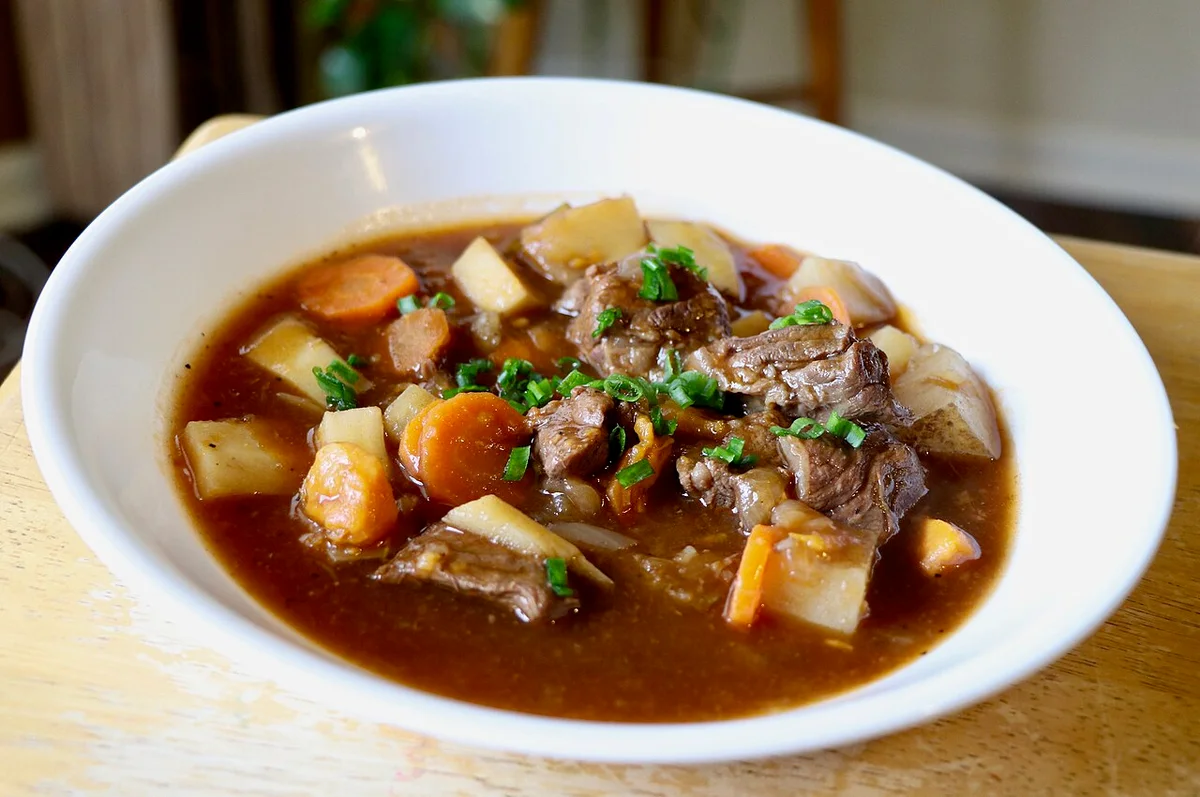
For very hot soups, stews, and sauces, set the pot or portioned container in an ice-water bath and stir occasionally. That helps the food lose heat faster without sitting out. You can also let steam escape from a shallow pan briefly, then cover it once the food is no longer billowing hot. If the food is still steaming heavily, portion it smaller before it goes into the fridge.
- Do not leave cooked food on the counter to cool for a long stretch.
- If the kitchen is hot, move food sooner rather than later.
- A thin layer cools faster than a deep, full pan.
- Keep the refrigerator at 40 F or below.
Sources: FoodSafety.gov: Four steps to food safetyFoodSafety.gov: Cold storage chart
Use shallow containers and small portions
A shallow container helps heat leave the food from the top and the sides. For most leftovers, choose containers that hold one meal or two servings instead of packing everything into one large tub. If you are storing a casserole, cut it into squares first. If you are storing rice, grains, or pasta, spread them out so they are not clumped into a dense mound.
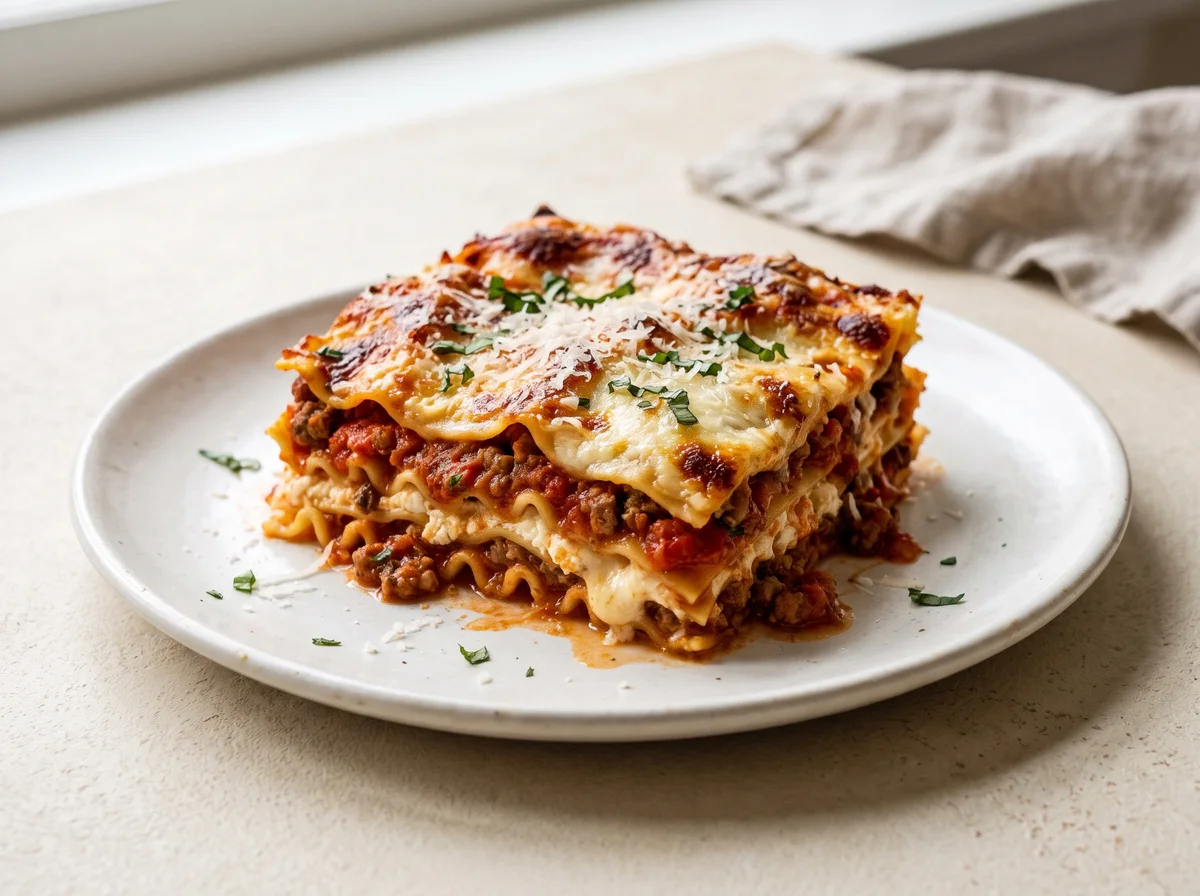
This is especially useful for mixed dishes. A thick lasagna, a bowl of chili, or a pan of roasted vegetables will cool more evenly when broken into smaller portions. Once the food is only warm, put the lid on. Sealing it while it is still very hot traps steam, which can make the food watery and slow the cooling process.
| Food | Best cooling move | Why it helps |
|---|---|---|
| Soup, stew, sauce | Divide into shallow containers or an ice bath | Releases heat quickly and evenly |
| Rice, grains, pasta | Spread in a thin layer before packing | Prevents a hot center from lingering |
| Casseroles and lasagna | Cut into portions before chilling | Smaller pieces cool faster than a thick slab |
| Meat, fish, poultry | Slice large pieces if needed | More surface area means faster cooling |
Pack, label, and store with a system
Once the food is cooled enough to package, use airtight containers or resealable bags made for food storage. Push out excess air from bags, and leave a little headspace in rigid containers so liquids can expand slightly if you later freeze them. Label each container with the name of the dish and the date it was made. That makes it easier to rotate older leftovers forward instead of guessing.
Put the oldest items where you can see them first, and keep ready-to-eat leftovers above raw meat, poultry, and seafood. This reduces the chance of drips contaminating cooked food. Most refrigerated leftovers are best used within 3 to 4 days, unless a specific food needs a shorter window. If you will not eat them by then, freeze them while they are still in good shape.
- Use clear containers when possible so you can see what is inside.
- Store food in meal-size portions to avoid repeated reheating.
- Keep the fridge organized so leftovers are not buried behind groceries.
- Do not crowd the refrigerator; cold air needs room to move.
Sources: FoodSafety.gov: Cold storage chart
Reheat to the right temperature
Leftovers should be reheated to 165 F, which is the safety target for reheated cooked food. Use a food thermometer in the thickest part of the food, not just near the edge. For casseroles and meat dishes, check several spots because the sides often heat faster than the center. For soups and sauces, stir before taking the reading.
Do not rely on the lower cooking temperatures used for raw foods. Leftovers are cooked food, so the reheating target is 165 F. Poultry should reach 165 F, ground meat 160 F, whole cuts of meat 145 F with a 3 minute rest, fish 145 F, and egg dishes 160 F when they are being cooked from raw ingredients. In the microwave, cover the food loosely, heat in short bursts, stir halfway through, and let it stand for a minute before checking again.
- If a center is still cool, keep heating until it matches the rest.
- Do not leave a portion warm on the counter while the rest waits to be reheated.
- For dense foods, add a spoonful of water or sauce before reheating to help heat move through evenly.
Treat rice, pasta, and delicate leftovers a little differently
Rice needs especially prompt handling. Cool it quickly, refrigerate it within 1 hour if possible, and never leave it on the counter to dry out. For conservative home handling, use rice within 1 day, keep the fridge at 40 F or below, and reheat it only once, to 165 F. Reheating does not make food safe if it was held too long at room temperature.
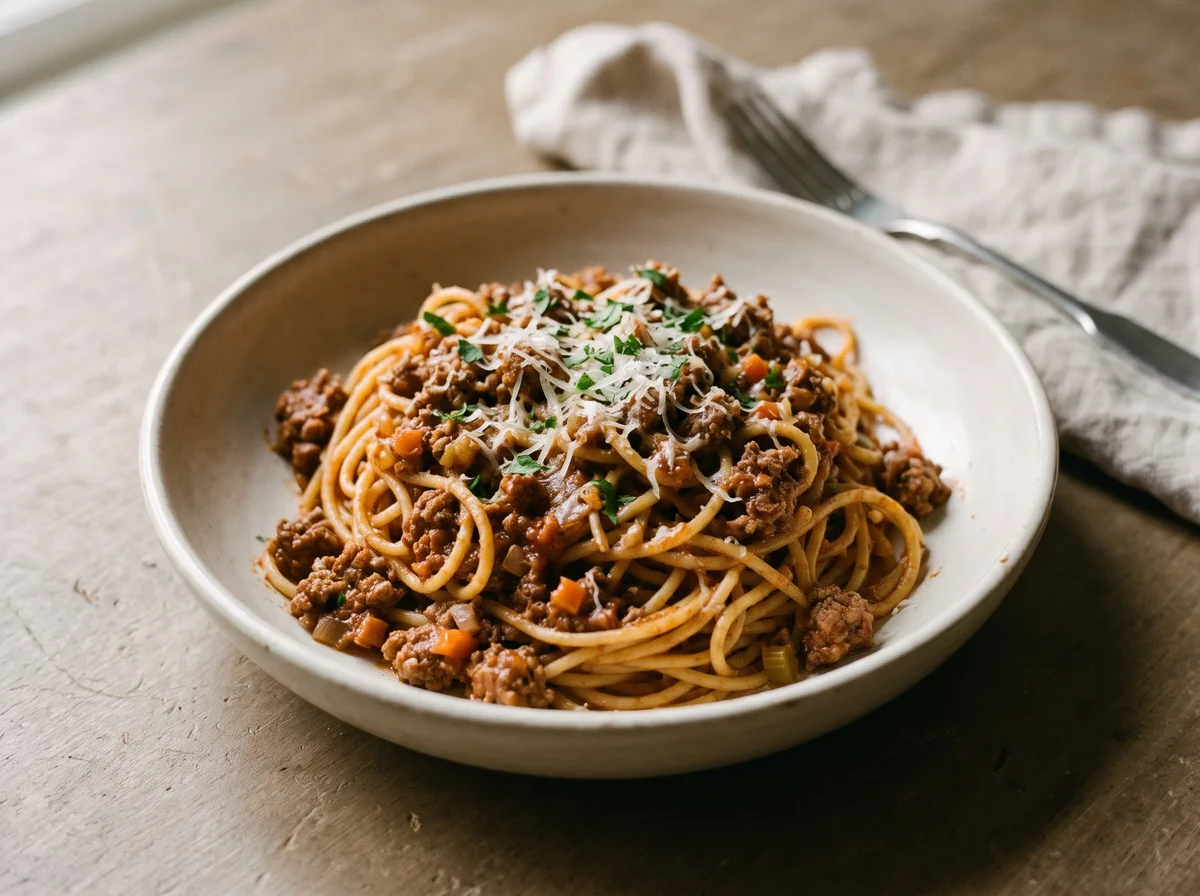
Pasta, noodles, and saucy dishes usually store better than plain starches because the sauce helps keep them from drying out. If you expect leftovers, keep a little extra sauce aside and add it when reheating. Fried foods and crisp vegetables are the opposite. They lose texture in the fridge, so store them in a shallow container and reheat on a sheet pan or skillet instead of steaming them in a sealed box.
For salads, sandwiches, and other cold leftovers, store wet ingredients separately when you can. Tomatoes, cucumbers, dressings, and herbs make bread soft quickly. Pack the dry parts and add the moist parts just before serving.
- Rice: cool fast, refrigerate promptly, use within 1 day, and reheat once to 165 F.
- Saucy foods: keep a little extra sauce for reheating.
- Crisp foods: reheat on dry heat if texture matters.
- Cold salads: store dressing and toppings separately.
Sources: UK Home Food Fact Checker: riceFoodSafety.gov: Four steps to food safety
Know when to freeze, and when to toss
If you can tell you will not finish leftovers within 3 to 4 days, freeze them instead of stretching the fridge timeline. Cool the food first, then portion it into freezer-safe containers so you can thaw only what you need. Leave a little space at the top for expansion, and write the date on the container. For the best texture, freeze moist foods like soups, braises, sauces, and cooked beans in smaller servings rather than one large block.
Throw leftovers away if they sat out too long, smell off, show mold, or have a slimy or sticky surface that was not there before. When in doubt, discard it. Reheating cannot rescue food that was handled unsafely, and freezing does not make spoiled food safe. If you freeze leftovers, thaw them in the refrigerator rather than on the counter.
- Freeze food before it passes the 3 to 4 day window.
- Use freezer-safe bags or containers.
- Label the date so older food gets used first.
- If the texture, smell, or appearance is clearly off, do not taste it.
Sources: FoodSafety.gov: Cold storage chart
Common questions
Can I put hot food straight into the fridge?
Yes, if you portion it into shallow containers first. Do not leave it out until it reaches room temperature. Large pots should be divided so they cool and chill faster, then placed in the refrigerator within 2 hours, or within 1 hour if the room is hot.
How long do leftovers last in the refrigerator?
Most cooked leftovers are best used within 3 to 4 days if the fridge is at 40 F or below. Rice is a stricter case: cool it promptly, refrigerate it within 1 hour if possible, and use it within 1 day.
How do I cool rice safely?
Spread rice in a thin layer, cool it promptly, and refrigerate it quickly. Never leave it on the counter to sit while it cools, and reheat it only once to 165 F.