Start with the right vegetables
Freeze vegetables when they are fresh, firm, and free of bruises. Starting with good produce gives you the best texture after freezing. If leaves are limp or spots are soft, cook those vegetables first instead of trying to freeze them raw.
Cut vegetables into even pieces so they blanch, freeze, and cook evenly. Trim stems, peel only where needed, and sort by vegetable type rather than mixing everything together. Mixed vegetables need the longest blanch time, which can overcook the more delicate pieces.
- Wash produce first, then dry it well so excess water does not become ice crystals.
- Keep dense vegetables and delicate vegetables in separate batches.
- Freeze in small portions if you usually cook for one meal at a time.
Blanch most vegetables before freezing
Blanching means boiling briefly, then cooling quickly. It slows enzyme activity, helps preserve color, and keeps vegetables tasting fresher after thawing. Different vegetables need different blanch times, so match the timing to the vegetable and the cut size.
The times below are typical starting points. If pieces are thicker than average, add a little time. If they are very small, shorten it slightly. For the best results, follow vegetable-specific guidance from a reliable preservation source when you can.
- Bell peppers, onions, and many herbs can be frozen raw if you will cook them later.
- Mushrooms usually freeze better after a quick sauté than raw.
- Tomatoes are usually best frozen as sauce, purée, or roasted pieces.
| Vegetable | Prep | Typical blanch time |
|---|---|---|
| Broccoli | Florets | 3 minutes |
| Cauliflower | Florets | 3 minutes |
| Green beans | Trimmed | 3 minutes |
| Carrots | Sliced or diced | 2 minutes |
| Peas | Shelled | 1 to 1.5 minutes |
| Corn | Kernels cut from the cob | 4 minutes |
| Spinach or chard | Washed leaves | 2 minutes |
| Asparagus | Trimmed spears | 2 to 4 minutes |
Blanch, shock, and dry without overcooking
Bring a large pot of water to a hard boil, using plenty of water so the boil returns quickly after you add the vegetables. Set a bowl of ice water beside the stove before you start so you can move fast.
Add the vegetables in small batches so the water stays boiling. Start the timer when the boil returns, not when the vegetables go in. They should look brighter in color and still feel slightly firm in the center.
Lift the vegetables out with a spider or slotted spoon and plunge them into the ice bath for about the same amount of time they spent boiling. Drain well, then spread them on clean towels or a sheet pan until the surface is dry.
- Do not crowd the pot. If the boil dies, the vegetables can turn dull and soft.
- Refresh the ice bath if it warms up.
- Drying matters. Wet vegetables freeze into hard clumps and bigger ice crystals.
Pack them so they freeze fast and stay easy to use
For loose pieces, spread the drained vegetables in a single layer on a parchment-lined sheet pan and freeze until firm, usually 1 to 2 hours. Then transfer them to freezer bags or containers. This keeps broccoli, beans, corn, and similar vegetables from freezing into one solid block.
Package in meal-sized amounts, usually 1 to 2 cups per bag, unless you cook for a crowd. Press out as much air as possible from bags, or use rigid containers with a little headspace. Flat packages stack well and thaw more evenly.
If you plan to use vegetables in soups, casseroles, or sautés, portion them by recipe. A bag of mixed onions, peppers, and celery can be handy for quick dinners, while single-vegetable bags are better when you want control.
- Label each package with the vegetable name and the date.
- Keep the freezer at 0 F / -18 C if possible.
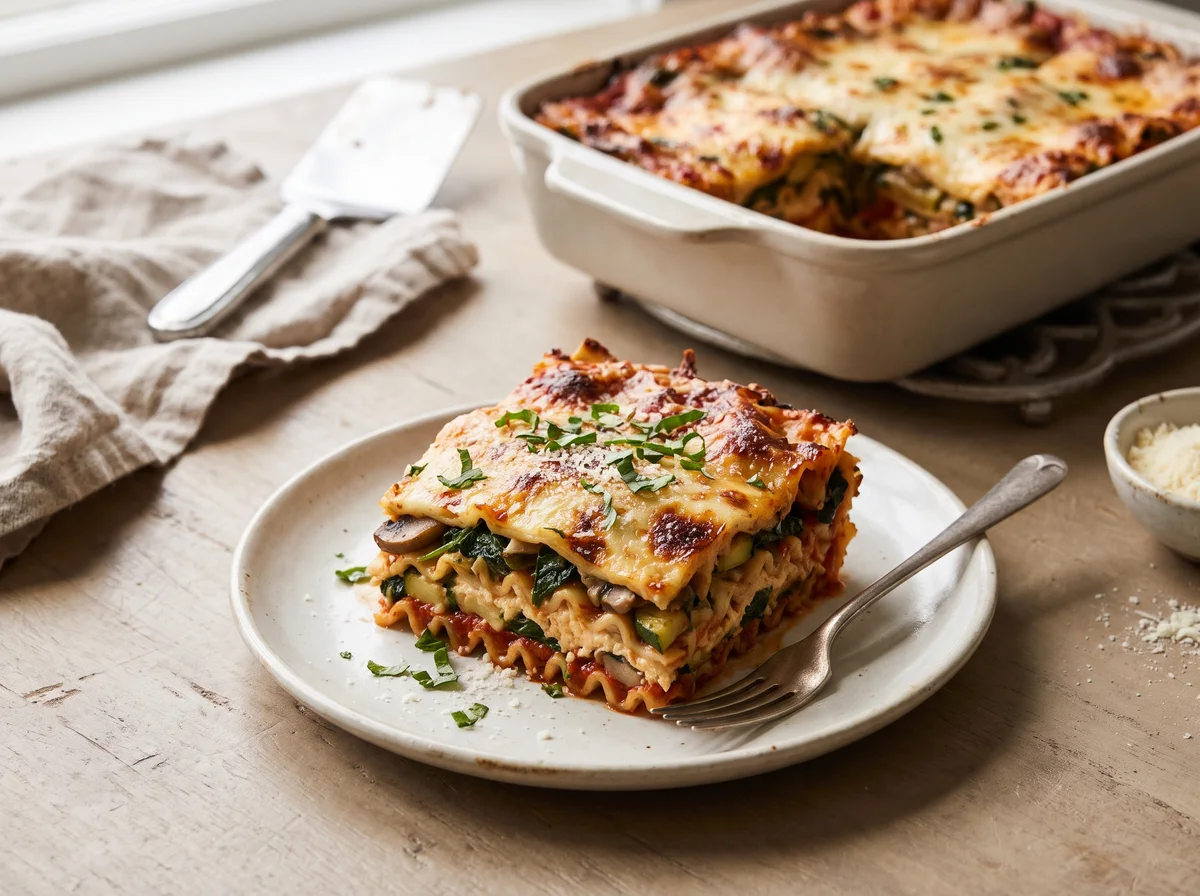
- For vegetables with a soft texture, like zucchini or eggplant, cook them first for better results later.
Store, thaw, and cook them the smart way
For best quality, use frozen vegetables within about 8 to 12 months. Quality can still be acceptable after that, but color, texture, and flavor gradually decline.
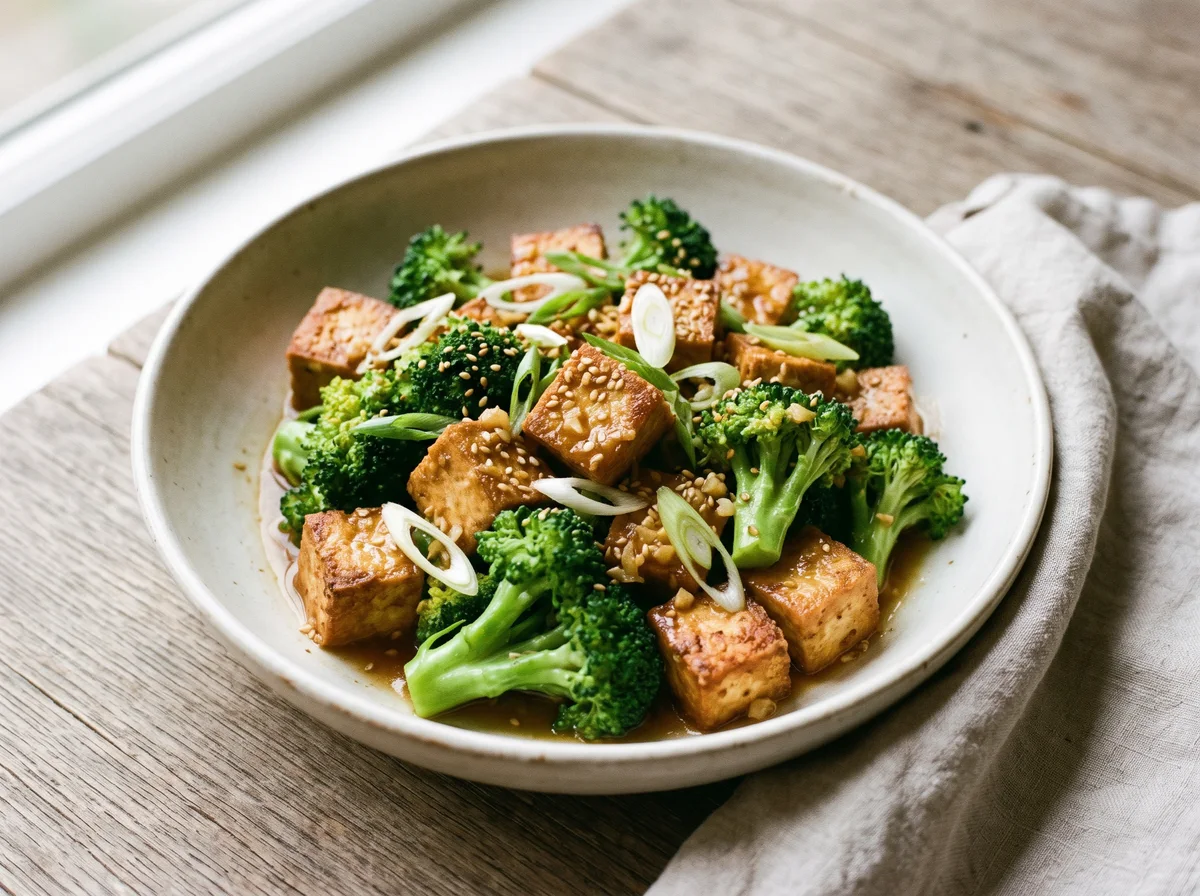
Many vegetables do not need thawing at all. Add them straight to soups, stir-fries, pasta bakes, fried rice, or sheet-pan dinners. If you do thaw them, move them to the refrigerator, not the counter. Keep the fridge at 40 F / 4 C or below.
Avoid room-temperature thawing. It warms the food unevenly and can leave the outside soft before the inside is ready. Refrigeration slows spoilage, but it is not a reason to let food sit out first.
Sources: University of Minnesota Extension: Blanching vegetables
Fix common freezing mistakes
If your vegetables turn watery or limp, the usual causes are overblanching, not drying them enough, or freezing vegetables that were already past their prime. Texture is the first thing to go, so use those batches in soups or sauces instead of salads.
If the vegetables stick together in one frozen mass, you probably skipped the sheet-pan step or packed them while still damp. If they taste flat, you may have underblanched them. Both problems are easier to fix on the next batch.
- Mushy after thawing: shorten the blanch next time by 30 seconds.
- Dull color or stale flavor: blanch a little longer, then cool faster.
- Freezer burn: remove more air, use tighter packaging, and freeze faster in smaller portions.
- Clumps of ice: dry the vegetables more thoroughly before packing.
Common questions
Do all vegetables need to be blanched before freezing?
No. Many vegetables freeze better after blanching, but peppers, onions, and some herbs can go in raw if you will cook them later. Mushrooms, zucchini, and eggplant usually do better after a quick cooking step first.
Can I freeze vegetables in regular sandwich bags?
You can, but thicker freezer bags or rigid containers work better because they block air and reduce freezer burn. If you use thinner bags, squeeze out as much air as you can and use them sooner.
Why do my frozen vegetables taste soggy?
That usually means they were blanched too long, packed wet, or frozen in a thick clump. Use a shorter blanch next time, dry them thoroughly, and freeze them on a tray before bagging.