Start with an inventory, not a shuffle
Empty the freezer so you can see what is actually in it. Sort everything into a few piles: raw meat or seafood, cooked meals, vegetables and fruit, bread and baked goods, and odds and ends such as stock, herbs, or ice packs. If a package has no label, a broken seal, or obvious freezer burn all over it, decide right away whether it is worth keeping.
This first pass saves time later because you are not reorganizing mystery bags. Wipe shelves, drawers, and bins with warm soapy water, then dry them completely before food goes back in. A dry surface helps labels stay put and keeps frost from turning into a slippery crust.
- Keep one small bin for foods that need to be used first.
- Set aside items that belong together, such as soup bases or breakfast foods.
- Discard packaging that is open, crushed, or impossible to identify.
- Do not put food back until you know what each container holds.
Create zones that match how you cook
The easiest freezer to use is divided by purpose, not by whatever fit that day. Put ready-to-eat food and meal portions in one area, raw proteins in another, and backup items or bulk packs in a third. If your freezer has drawers, use them as categories. If it is a chest freezer, use bins so the bottom layer does not become a buried archive.
Think in terms of reach and frequency. Items you use every week should be the easiest to grab. Items you only cook with once in a while can live deeper in the freezer. Keep the layout simple enough that another person in the house can find dinner without a tour guide.
- Label bins or shelves with masking tape and a marker.
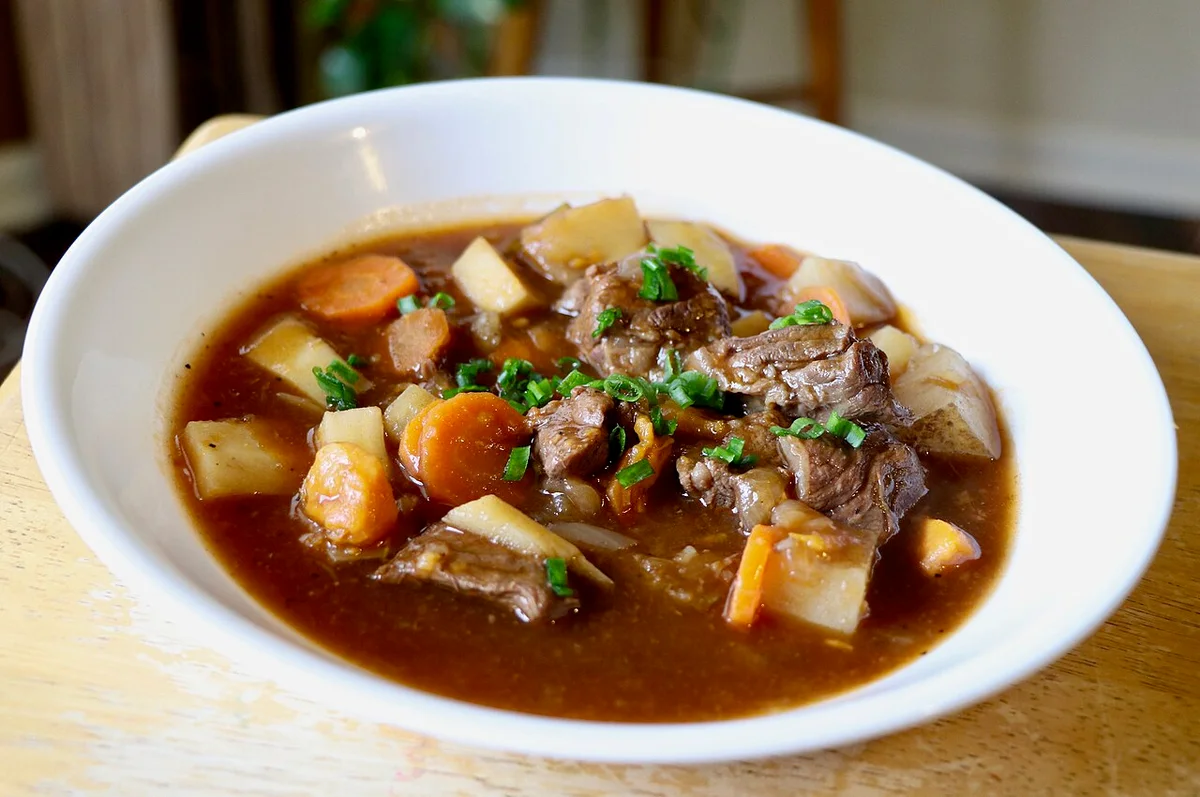
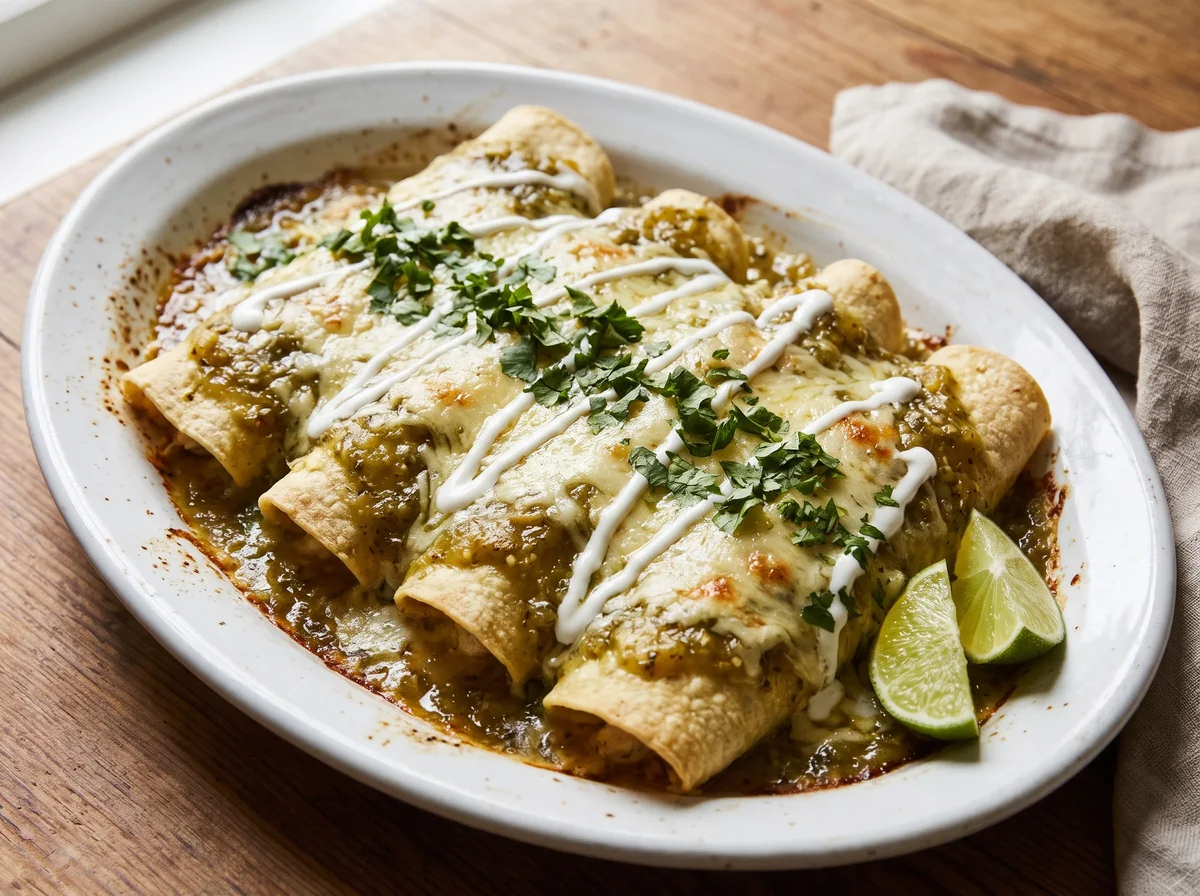
- Group similar meals together, such as breakfast, soups, or family dinners.
- Use one spot for open bags so they do not wander around the freezer.
| Zone | What goes there | Why it works |
|---|---|---|
| Front or top | Meals, leftovers, single portions | Easy to see and use first |
| Middle shelf or bin | Raw meat, seafood, tofu | Contained, dated, and kept separate |
| Back or bottom | Bulk packs, stock, vegetables | Good for items you do not reach for daily |
| Door or upper basket | Ice packs, bread, backup items | Best for less delicate foods and quick grabs |
Choose packaging that freezes flat
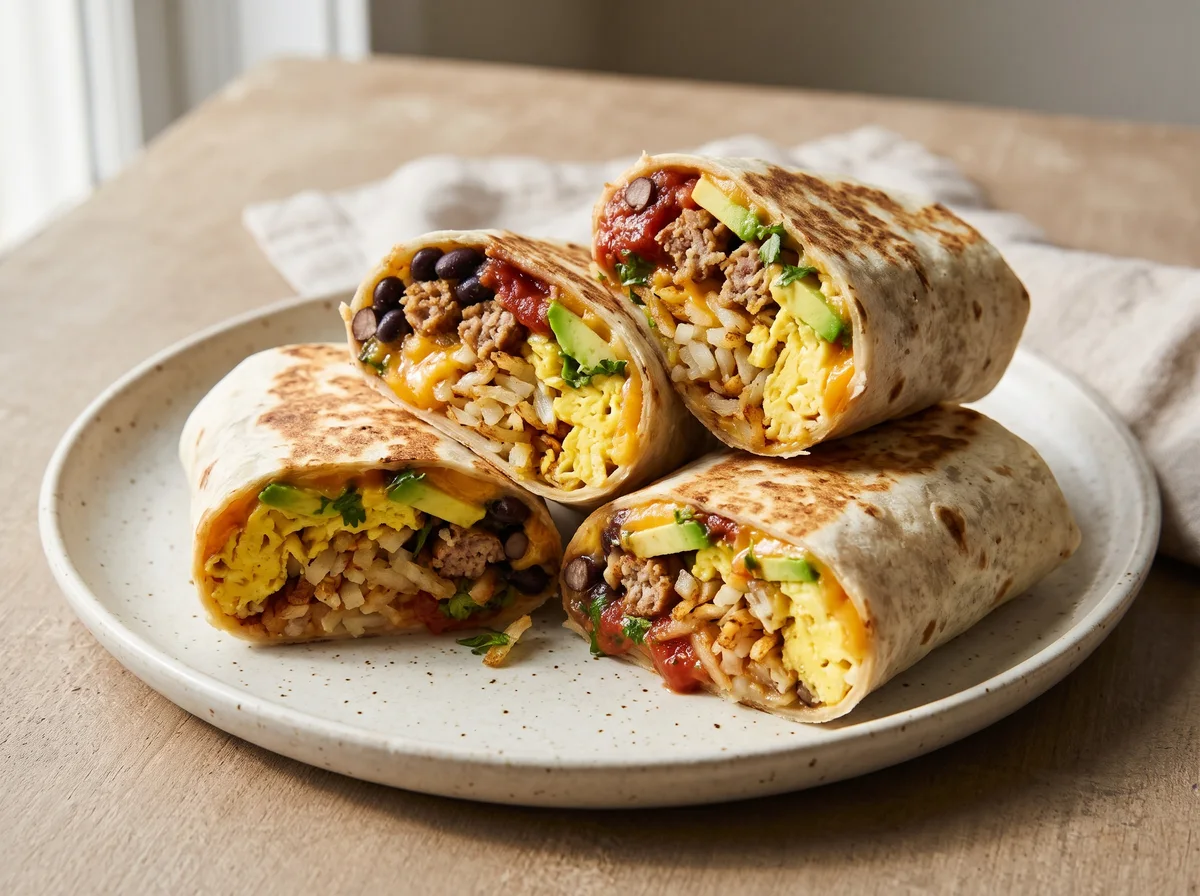
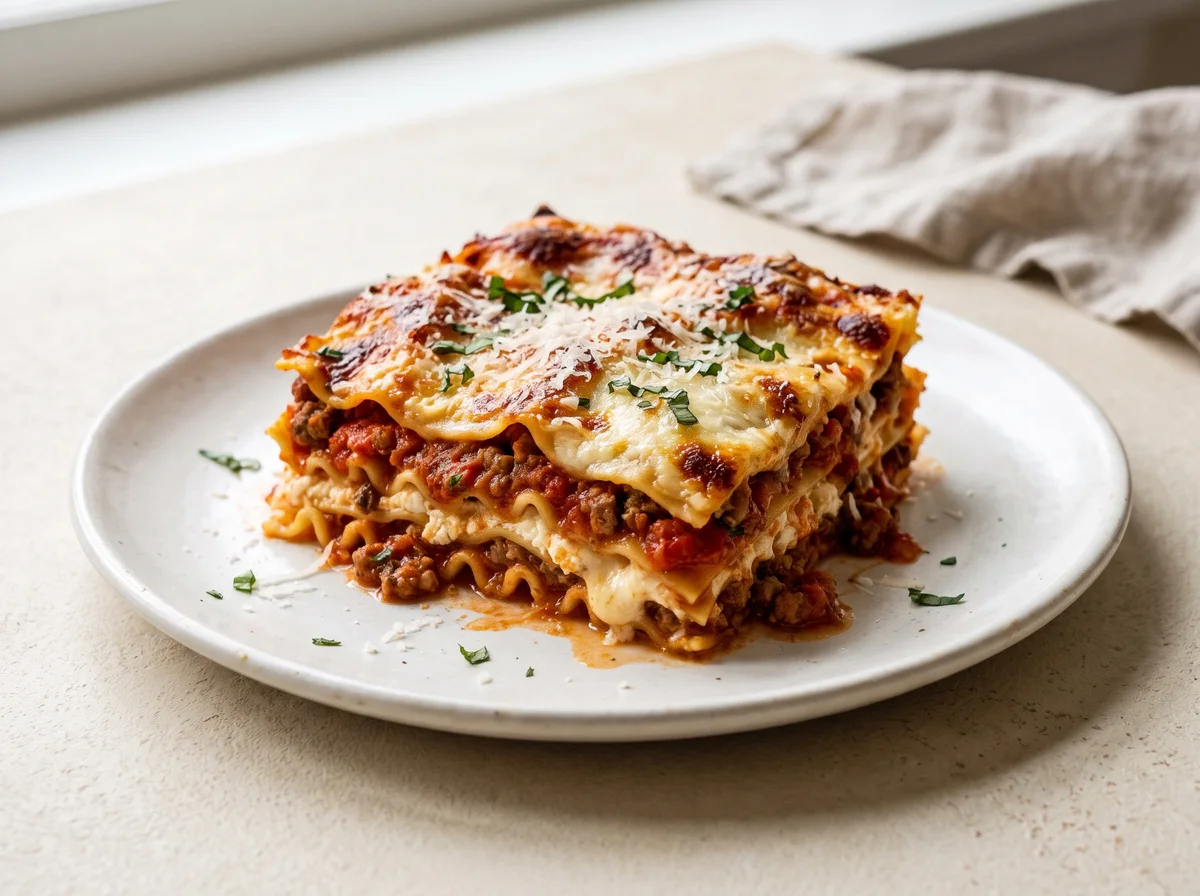
Use the package that matches the food. Freezer bags are ideal for soups, sauces, and cooked beans because you can press out the air and lay them flat. Rigid containers work well for stews, curries, and casseroles. Foil, parchment, and wrap are useful for breads, burritos, and layered baked dishes. Whatever you choose, remove as much air as you can before sealing.
Freezing flat is a big space saver. Lay bags on a sheet pan until solid, then stack them like file folders. For liquids, leave a little headspace in rigid containers so expansion does not crack the lid. For thicker foods, portion them in 1- to 2-cup amounts if you want quicker thawing and easier weeknight use.
- Write the contents, date, and number of servings on every package.
- Use permanent marker on tape if the package surface is slick.
- Freeze flat on a tray first, then stand the packages upright once firm.
- Keep like shapes together so stacks do not tip over.
Cool food safely before it goes in
Do not send hot food straight into the freezer. Cool it in shallow containers so steam escapes quickly, then get it into the fridge within 2 hours, or within 1 hour if the room is above 90F. Once it is cold, move it to the freezer. A full hot pot can warm nearby food and create a clumsy half-frozen block.
The same rule applies to leftovers: never let them finish cooling on the counter. Shallow pans and smaller portions chill faster, and that makes freezer storage easier later. If you plan to freeze a saucy dish, chill it first, then portion it.
- Use shallow pans or containers when possible.
- Split large batches into smaller portions before chilling.
- Do not trap steam in a tightly sealed container until the food has cooled.
- If you are freezing a saucy dish, chill the sauce first, then portion it.
Sources: FDA: Natural toxins in food
Make rotation automatic
Use first in, first out. New groceries go behind older ones, or underneath flat packages if you stack them. Keep older food facing forward so it is the first thing your hand finds. If you can only see the top layer, you will keep buying duplicate bags and ignoring the hidden ones.
Once a month, spend 10 minutes checking dates and moving a few items into a visible use-soon bin. A short inventory list on paper or in your phone works better than memory. When you shop, compare the list to the freezer before you add another package of peas or a second bag of chicken thighs.
- Keep one bin or basket for items that should be used next.
- Group like packages together so old and new do not mix invisibly.
- Remove empty boxes and torn outer packaging to save space.
- If you make a lot of one recipe, freeze it in the same portion size each time.
Keep the freezer easy to work in
Leave enough space for cold air to move around vents and between stacks. A freezer packed edge to edge may look efficient, but it is harder to clean and harder to rotate. If you use a chest freezer, bins or baskets make it much easier to lift smaller packages out of the bottom without digging through a frozen pile.
When you thaw food, do it safely in the fridge, in the microwave, or under cold water, not on the counter. Reheat leftovers to 165F. Poultry should reach 165F, ground meat 160F, whole cuts of meat 145F with a 3-minute rest, fish 145F, and egg dishes 160F. Use thawed leftovers within 3 to 4 days if they have stayed refrigerated at 40F or below.
- Keep raw proteins in a separate bin below ready-to-eat food.
- Wipe spills as soon as you see them so they do not freeze into glue.
- Check door seals and remove ice buildup when it starts to crowd the shelves.
- If a package is unlabelled after thawing, do not guess what it is.
Common questions
What is the best way to label frozen food?
Write the contents, date, and number of servings on the package before it goes into the freezer. If the surface is slick, use freezer tape or masking tape so the marker stays readable.
How do I keep freezer burn away?
Remove as much air as possible, seal packages tightly, and freeze food in flat, compact portions. Freezer burn is more likely when food is loosely wrapped or left buried too long.
Can I freeze leftovers in the same container I cooked them in?
Yes, if the container is freezer-safe and the food is already cool. For faster chilling, divide large batches into shallow portions before freezing instead of trying to chill one deep, steaming pot.