Freeze bread at peak freshness
Bread freezes best when it still tastes fresh. A loaf that is soft, fragrant, and completely cooled will thaw with better texture than one that has already gone stale. If the bread is hot or even slightly warm, wait. Trapped steam can form ice crystals and later leave soggy spots.
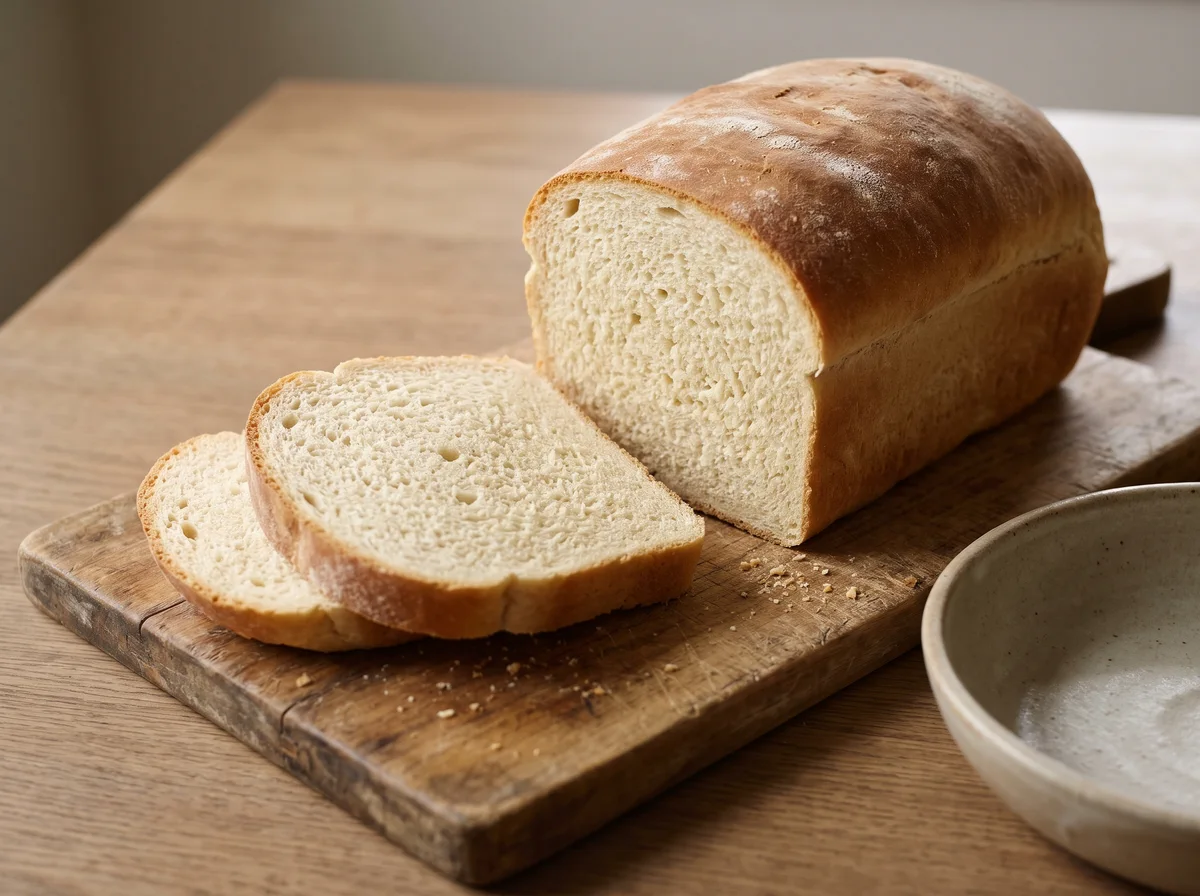
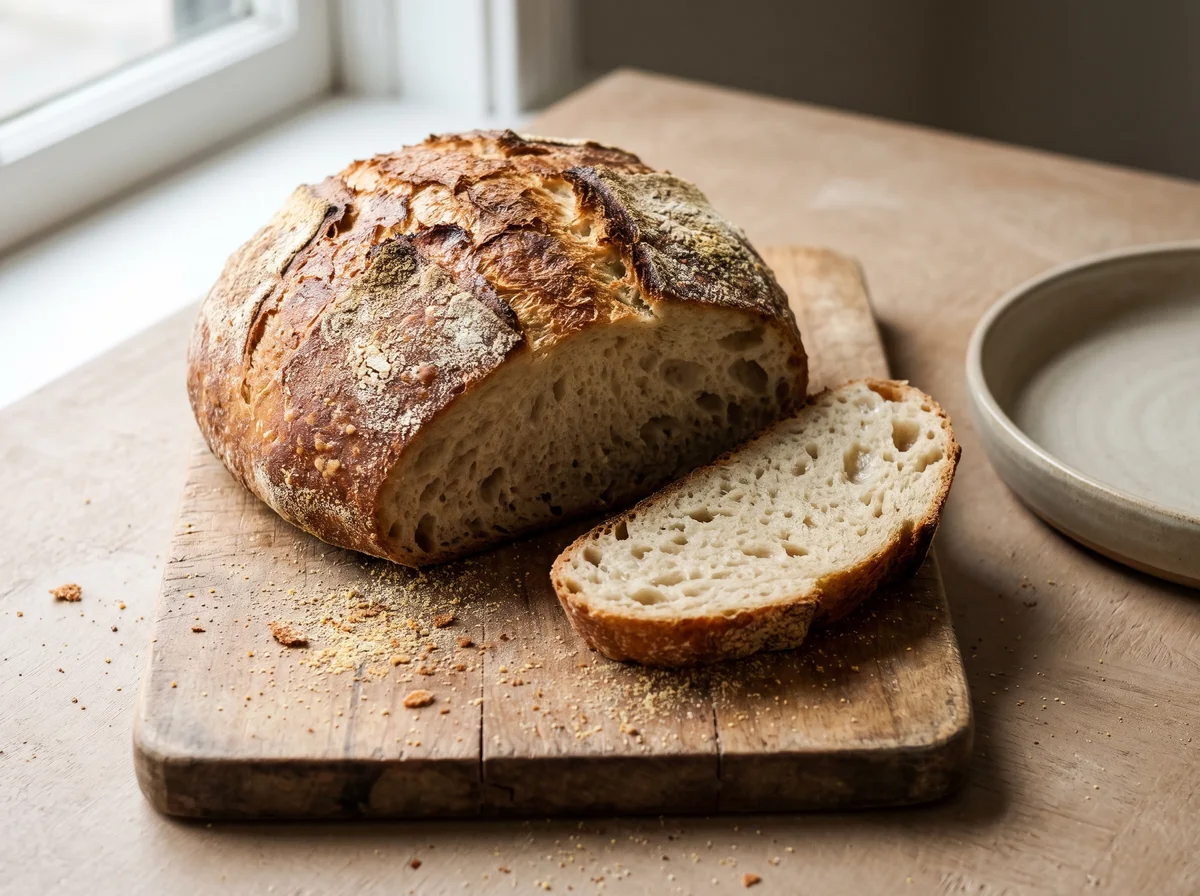
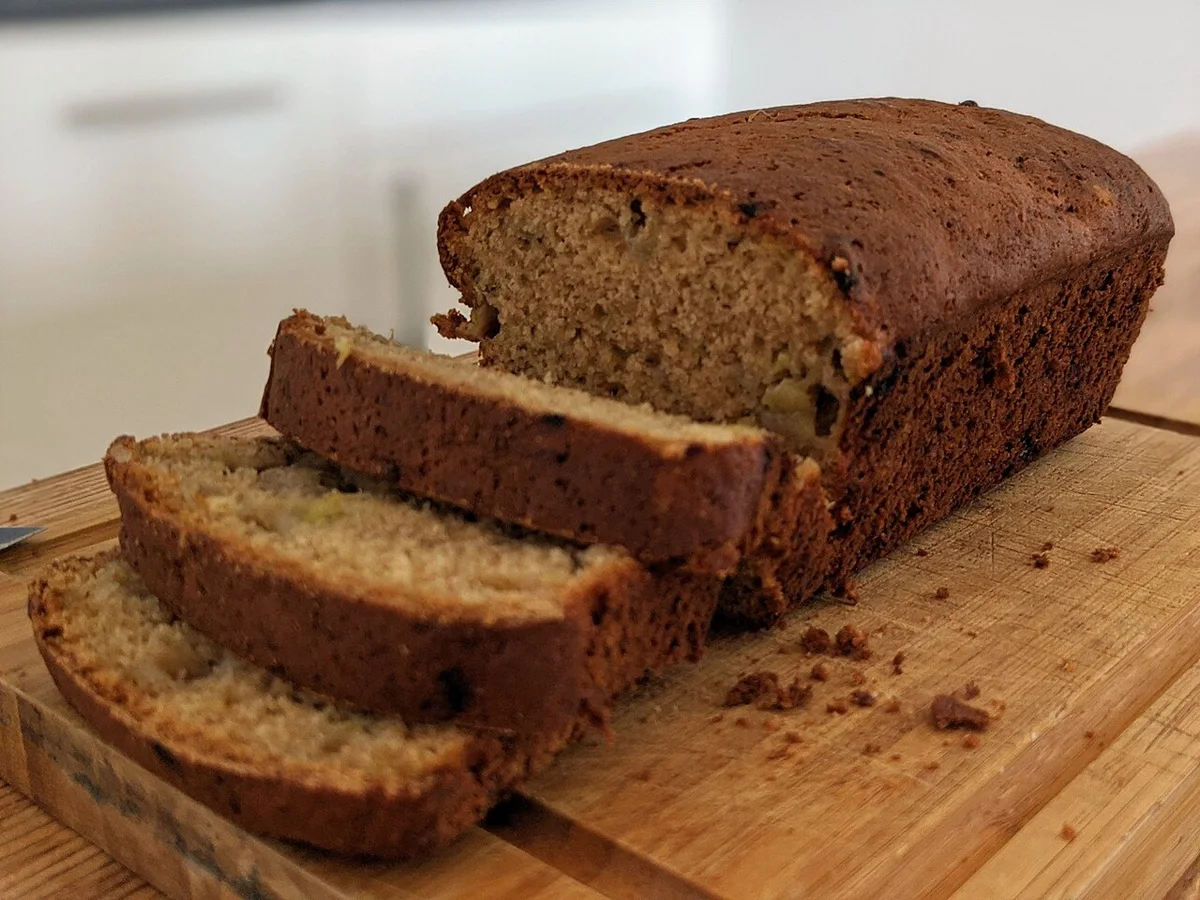
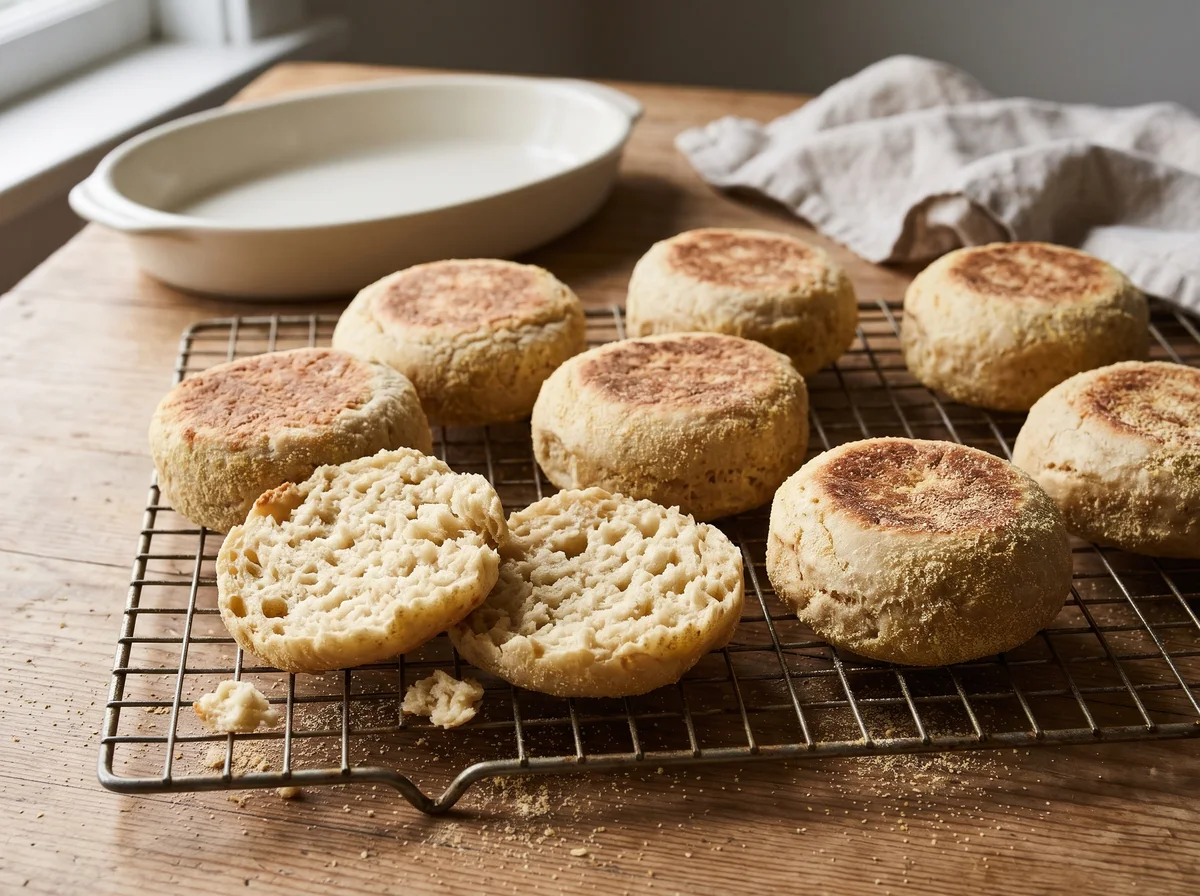
Nearly any bread you bake or buy can be frozen this way: sandwich loaves, crusty artisan bread, rolls, buns, banana bread, and even English muffins. The main exception is bread with a wet filling, heavy glaze, or delicate topping that you would not want to trap in moisture. For everyday use, sliced bread is the most practical format because you can take out exactly what you need.
Visual cue: the loaf should feel room-cool all the way through, not just on the crust. The crumb should feel dry enough to handle cleanly, and the cut surface should not release steam when you split it.
- Freeze bread the day it cools, not after it sits out for several days.
- Choose the format you will actually use: slices for toast, whole loaves for serving bread, rolls for sandwiches.
- If the bread already tastes stale, freezing will preserve that stale texture rather than improve it.
Cool, slice, and wrap before freezing
Start with a completely cooled loaf. Set it on a wire rack so air can move around it. A standard sandwich loaf usually needs about 1 hour to cool; a larger crusty loaf may need closer to 2 hours. If you slice too early, the crumb can compress and trap moisture.
Once cool, slice the loaf if you want quick portions later. A serrated bread knife gives cleaner slices and less squashing. For buns, rolls, or muffins, freeze them whole. If you want individual portions that do not stick together, place them on a parchment-lined sheet pan and freeze until firm, about 1 hour, before bagging.
Wrap the bread tightly in parchment or wax paper first, then in plastic wrap, foil, or a freezer-safe bag. Press out as much air as possible. If you are freezing a loaf for more than a week, double-wrap it. Label it with the date and the type of bread so you do not guess later.
- Equipment: wire rack, serrated knife, parchment or wax paper, freezer bag, marker.
- If you freeze slices, stack them with a small square of parchment between every 4 to 6 slices to keep them from clumping.
- If you freeze a crusty loaf, wrap the cut end especially well because it dries first.
Use the right packing method for the loaf
The best packaging depends on how you plan to use the bread. A sandwich loaf should open and close quickly in the freezer, while a country loaf needs more protection from dry air. The goal is always the same: reduce air exposure and keep the bread from taking on freezer odors.
If your freezer is busy, tuck bread toward the back, not the door. That spot stays colder and more consistent, which helps limit repeated warming and refreezing around the edges.
| Method | How to pack it | Best for | Trade-off |
|---|---|---|---|
| Whole loaf | Wrap tightly, then bag or foil-wrap a second time | Slicing later or serving at the table | Needs longer thawing |
| Pre-sliced loaf | Freeze in one stack or in small bundles, then bag | Toast, sandwiches, quick breakfasts | Slices can dry out if air gets in |
| Rolls and buns | Freeze on a tray first, then bag once firm | Hamburgers, dinner rolls, lunch sandwiches | Takes extra freezer space for the first hour |
| Single servings | Wrap each piece separately | Banana bread, garlic bread, breakfast portions | More packaging to manage |
How long to keep frozen bread
Keep your freezer at 0 F for best quality. Bread does not become unsafe simply because it stays frozen beyond a few months, but texture slowly declines as air and time take their toll.
For most plain breads, 2 to 3 months is a good quality window. Very soft breads, enriched doughs, and breads with more butter or eggs often show freezer burn or dryness sooner, so use them earlier if you can. If you see heavy frost inside the wrap, a pale dry surface, or a cardboard-like bite after thawing, the bread is still usable but less pleasant.
A tightly wrapped loaf stored in the back of a cold freezer usually keeps better than one that sits near the door or in a crowded bin. Rotate older bread to the front so you use it first.
Sources: FoodSafety.gov: Cold storage chart
Thaw and refresh bread without making it soggy
For the cleanest texture, thaw bread while it is still wrapped. A whole loaf can thaw in the refrigerator overnight, then sit wrapped at room temperature for about 30 to 60 minutes before slicing if needed. Slices usually do not need thawing at all; they can go straight into the toaster.
To refresh a loaf with a crisp crust, heat the oven to 300 F. Unwrap the bread, lightly mist the crust with water, and warm it for 8 to 10 minutes for a small loaf or 12 to 15 minutes for a larger one. You are not trying to bake it again, just to wake up the crust and soften the crumb. Soft rolls usually need only 5 to 7 minutes.
Visual cue: the center should feel warm, not damp, and the crust should sound a little hollow when tapped. If the bread seems dry after thawing, slice it and toast it or make breadcrumbs rather than forcing it to serve as table bread.
- Toast slices from frozen for the quickest result.
- Keep the bread wrapped during thawing so condensation forms on the outside, not inside the loaf.
- Do not microwave an entire loaf unless you plan to eat it immediately, because it turns rubbery fast.
Common mistakes and easy fixes
The most common mistake is freezing bread that is still warm. Another is leaving too much air around the loaf, which leads to freezer burn. A third is freezing a whole loaf when you only need a few slices at a time. The fix is simple: cool fully, portion honestly, and package tightly.
If the bread comes out dry, use it for toast, croutons, breadcrumbs, strata, or bread pudding. If slices are stuck together, let the bag sit sealed for a few minutes so the outer layer relaxes, then separate them gently. If the crust softens during thawing, finish it in the oven for a few minutes.
Bread that has a little frost on the wrap is not ruined. It usually means the package was not sealed tightly enough or the freezer temperature fluctuated. Rewrap the rest more tightly before returning it to the freezer.
- Do not freeze bread in a loose twist-tie bag unless you add a second freezer layer.
- Do not thaw bread on the counter uncovered if you want to protect crust and crumb.
- Do not keep reopening the bag with wet hands or warm air inside.
Common questions
Can I freeze homemade bread the same day I bake it?
Yes, once it is completely cool. Freezing it while fresh gives you better thawed texture than waiting until it is stale.
Is it better to freeze bread sliced or whole?
Sliced is better for everyday use because you can take out one or two pieces at a time. Whole loaves are better when you want to serve bread at the table or keep the inside moister.
Can I freeze bread in the original bag?
Only if the bag seals tightly and has no holes. For better protection, add a second freezer bag or wrap the loaf before freezing.