Chicken rice soup
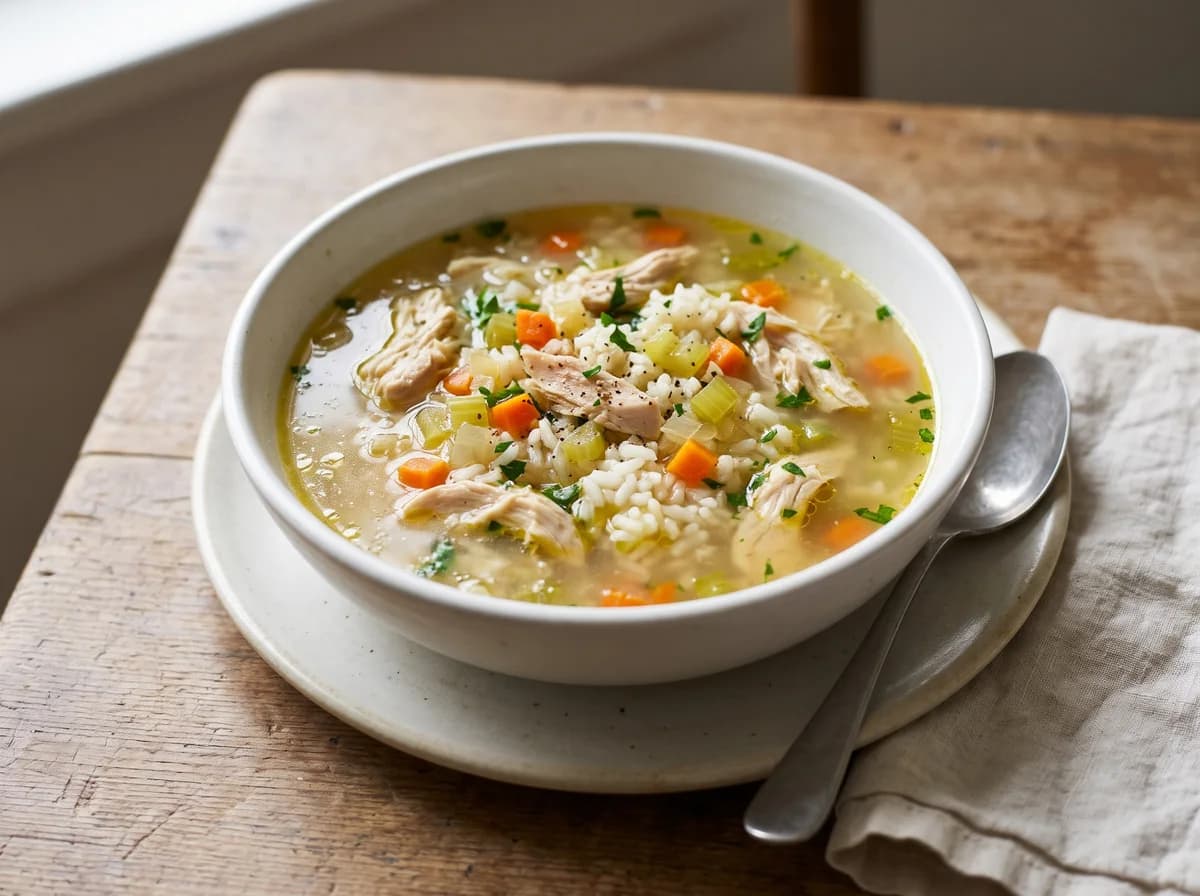
A brothy, comforting chicken rice soup with tender carrot, celery, and onion, fluffy long-grain rice, and shredded cooked chicken finished with lemon and parsley. The rice simmers in the broth so the soup turns lightly thickened and satisfying without becoming porridge, and the short final rest helps the texture settle. Makes 2 generous bowls.
Estimated calories and US ingredient costs.
This recipe fits a 3-quart saucepan or small Dutch oven. If you double it, move up to a 5-quart pot so the rice has room to circulate. For larger batches, consider cooking the rice separately if you want a clearer, brothier soup instead of a thicker, stewlike finish. Nutritional values for the oil and broth use the full consumed amount; no frying or dredging loss adjustment is needed here.
Your whole cook, in one place.
Ingredients, steps and a live timeline. Ready for 2 people.
Step timeline
Cooking order
8 leftPrep the pot ingredients
~7 minPrep the pot ingredients.
Set out a 3-quart saucepan or small Dutch oven.
Dice the 2 oz carrot, 2 oz celery, and 1 oz onion, mince the 1 tsp garlic, and shred or chop the 6 oz cooked chicken breast so everything is ready before the soup starts simmering.
Ingredients
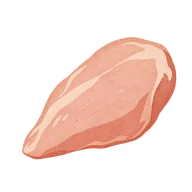
- 6 ozCooked chicken breast
- 2 ozCarrot
- 2 ozCelery
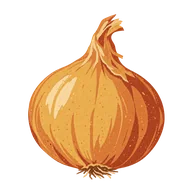
- 1 ozYellow onion
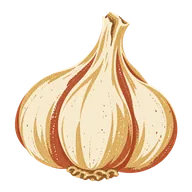
- 1 tspGarlic

Soften the vegetables
~5 minSoften the vegetables.
Heat the 1 tbsp olive oil over medium heat.
Add the carrot, celery, onion, and garlic, then cook for 4 to 5 minutes, stirring often, until the onion turns translucent and the vegetables smell sweet but have not browned.
Ingredients
- 2 oz total for recipeCarrot
- 2 oz total for recipeCelery
- 1 oz total for recipeYellow onion
- 1 tbspOlive oil
- 1 tsp total for recipeGarlic

Build the broth base
~7 minBuild the broth base.
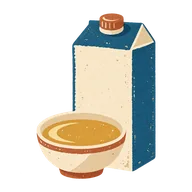
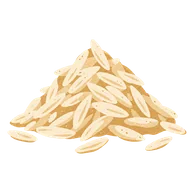
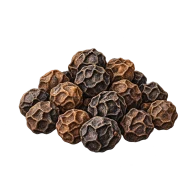
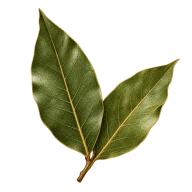
Stir in the 4 cups chicken broth, 1/3 cup dry rice, 1 bay leaf, 1/2 tsp kosher salt, and 1/4 tsp black pepper.
Raise the heat to medium-high and bring the pot just to a boil, scraping the bottom once or twice so the rice does not stick.
Ingredients
- 4 cupsLow-sodium chicken broth
- 1/3 cupLong-grain white rice, dry
- 1/2 tspKosher salt
- 1/4 tspBlack pepper
- 1Bay leaf

Simmer until the rice starts opening
~12 minSimmer until the rice starts opening.
Reduce the heat to low, cover the pot partially, and simmer for 12 minutes.
Stir once midway.
The broth should be at a gentle simmer, not a hard boil, so the rice cooks evenly and stays intact.
Add the chicken and finish the cook
~10 minAdd the chicken and finish the cook.
Stir in the shredded chicken and continue simmering, partially covered, for 6 to 8 minutes more, until the rice is tender and the chicken is hot throughout and reaches 165°F.
If you want a brothier soup, stop as soon as the rice is done; if you want a slightly thicker bowl, simmer uncovered for the last 1 to 2 minutes.
Ingredients
- 1/3 cup total for recipeLong-grain white rice, dry
- 6 oz total for recipeCooked chicken breast
Brighten and rest
~5 min cookBrighten and rest.
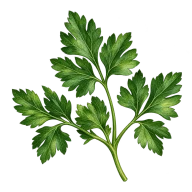
Remove the bay leaf, stir in the 1 tbsp lemon juice and 1 tbsp chopped parsley, then take the pot off the heat.
Let the soup stand for 5 minutes so the rice finishes hydrating and the broth settles before ladling into warm bowls.
Ingredients
- 1/3 cup total for recipeLong-grain white rice, dry
- 1 tbspLemon juice
- 1 tbspParsley

Check rice
After ~5 minCheck Chicken rice soup and continue when ready.
Serve meal
~1 minOnce all dishes are cooked and ready, plate and serve the meal together.
Make the next one yours.
Create a custom meal with what you have.
Read the traditional recipe
Ingredients
For 2 people
- 4 cups low-sodium chicken broth
- 1/3 cup long-grain white rice, dry
- 6 oz cooked chicken breast, shredded
- 2 oz carrot, peeled and diced
- 2 oz celery, diced
- 1 oz yellow onion, diced
- 1 tbsp olive oil
- 1 tsp garlic, minced
- 1/2 tsp kosher salt
- 1/4 tsp black pepper
- 1 bay leaf
- 1 tbsp lemon juice
- 1 tbsp chopped parsley
Method
- Prep the pot ingredientsSet out a 3-quart saucepan or small Dutch oven. Dice the 2 oz carrot, 2 oz celery, and 1 oz onion, mince the 1 tsp garlic, and shred or chop the 6 oz cooked chicken breast so everything is ready before the soup starts simmering.
- Soften the vegetablesHeat the 1 tbsp olive oil over medium heat. Add the carrot, celery, onion, and garlic, then cook for 4 to 5 minutes, stirring often, until the onion turns translucent and the vegetables smell sweet but have not browned.
- Build the broth baseStir in the 4 cups chicken broth, 1/3 cup dry rice, 1 bay leaf, 1/2 tsp kosher salt, and 1/4 tsp black pepper. Raise the heat to medium-high and bring the pot just to a boil, scraping the bottom once or twice so the rice does not stick.
- Simmer until the rice starts openingReduce the heat to low, cover the pot partially, and simmer for 12 minutes. Stir once midway. The broth should be at a gentle simmer, not a hard boil, so the rice cooks evenly and stays intact.
- Add the chicken and finish the cookStir in the shredded chicken and continue simmering, partially covered, for 6 to 8 minutes more, until the rice is tender and the chicken is hot throughout and reaches 165°F. If you want a brothier soup, stop as soon as the rice is done; if you want a slightly thicker bowl, simmer uncovered for the last 1 to 2 minutes.
- Brighten and restRemove the bay leaf, stir in the 1 tbsp lemon juice and 1 tbsp chopped parsley, then take the pot off the heat. Let the soup stand for 5 minutes so the rice finishes hydrating and the broth settles before ladling into warm bowls.
Before you cook
What to get ready
Heavy soup pot, ladle, chopping board and an immersion blender only if the method calls for blending.
Use safely stored cooked chicken and add it after the rice has begun softening.
If something needs adjusting
Rice drinks the broth overnight
Store extra rice separately when planning ahead, or loosen refrigerated soup with broth when reheating.
Soup tastes saltier after simmering
Reduction concentrates salt. Start with low-sodium broth and adjust seasoning near the end; loosen an over-reduced soup with water.
Store for later
Divide soup into shallow containers for prompt chilling rather than leaving a large hot pot on the counter. Reheat to 165°F while stirring so the center heats evenly.
Refrigerate perishables within 2 hours, or 1 hour above 90°F. Keep the fridge at 40°F or below; use refrigerated leftovers within 3–4 days. USDA storage and reheating guidance.
Make the ingredients go further
Use the same celery and carrots in chicken noodle soup.
Next use for your ingredients: Chicken noodle soup →
Calculate this meal with your own prices →
Cooking notes updated October 24, 2026. How we create recipes.
Tips, swaps and questions
A little kitchen know-how
Keep the soup at a bare simmer once the rice goes in. A rolling boil can split the grains and make the broth cloudy. If the rice absorbs more liquid than expected, the 5-minute rest usually loosens the texture enough without needing extra broth.
Make it work for you
Swap the cooked chicken for 6 oz shredded cooked turkey and keep the method the same. For a noodle variation, replace the rice with 3 oz orzo and shorten the simmer because orzo softens faster and can thicken the broth quickly if it cooks too long.
Use more of your chicken broth and carrot in couscous with chicken and almonds.
Can I use leftover rice instead of dry rice?
Yes. Use 1 1/2 to 2 cups cooked rice and add it with the chicken during the last 2 to 3 minutes, just long enough to heat through. Reduce the broth slightly if you want a denser soup, because cooked rice will not absorb liquid the way dry rice does.
Times are estimates. Check ingredients for allergens. For safe temperatures and storage, see FoodSafety.gov.