Start with the right bird and tools
A 3.5 to 5 pound whole chicken is a straightforward size for a home oven. Set out a rimmed baking sheet or roasting pan, a rack if you have one, paper towels, a small bowl for seasoning, kitchen twine, and an instant-read thermometer.
If the chicken is frozen, thaw it in the refrigerator first. Roasting works best when the bird is fully thawed and very dry, because surface moisture slows browning and can make the skin soft.
For a simple roast, use 1 1/2 tablespoons olive oil or softened butter, 1 1/2 teaspoons kosher salt, 1 teaspoon black pepper, 1 lemon, 4 garlic cloves, and a few sprigs of thyme or rosemary. If you want vegetables underneath, add 1 onion, 2 carrots, and 2 medium potatoes cut into chunks.
Season the chicken and build the pan
Heat the oven to 425°F. Put the chicken breast-side up. Tuck the wing tips behind the shoulders if they stick out, and tie the legs loosely if you want a more compact shape and slightly more even roasting.
Rub the chicken all over with oil or butter, then season the outside and the cavity. Slide the lemon halves, garlic, and herbs into the cavity. If you are using vegetables, toss them with a little oil, salt, and pepper and spread them in the pan before setting the bird on top of the rack or vegetables.
Leave some open space around the chicken. Crowding traps steam, which keeps the skin from browning and can leave the bottom pale. A rack helps, but a bed of sturdy vegetables also works if you do not have one.
Roast to temperature, not to a fixed clock
Put the pan in the center of the oven and roast until the thickest part of the thigh and the thickest part of the breast both reach 165°F. Start checking a 4-pound bird after about 50 minutes, then check more often as it gets close.
Approximate timing at 425°F varies with the oven and the shape of the bird, so use the table as a guide, not a promise.
If the skin is browning too quickly before the center is done, lay a sheet of foil loosely over the breast and keep roasting. If you are roasting vegetables underneath, give them a stir halfway through so the edges do not overbrown.
| Chicken size | Time | What to do |
|---|---|---|
| 3 to 3.5 lb | 45 to 55 min | Begin checking early |
| 4 to 4.5 lb | 55 to 70 min | Look for deep gold skin |
| 5 to 5.5 lb | 70 to 85 min | Tent if the breast browns too fast |
Rest the chicken before carving
Move the chicken to a cutting board and let it rest 10 to 20 minutes. Resting helps the juices settle so the first cut stays moist instead of flooding the board. Tent the bird loosely with foil, but do not wrap it tightly or the skin will soften.
Carve by removing the legs, then the thighs, then the wings, and finally slicing the breast meat off the bone. For neater slices, cut the breast across the grain into thick pieces and spoon any juices over the top.
Do not throw away the pan drippings. If there is too much fat, spoon some off, then use the browned juices for a quick sauce, or pour them over potatoes, bread, or the carved chicken.
Fix the most common roast-chicken mistakes
Pale, rubbery skin usually means the chicken was damp, the pan was crowded, or the oven ran cool. Pat the bird drier next time, roast it on a rack if possible, and check that your oven really reaches the set temperature.
Dry breast meat usually means the chicken stayed in the oven too long. Start checking early, and pull the bird once the breast and thigh both reach 165°F. If the breast finishes first, cover it loosely with foil while the thighs catch up.
If the chicken sticks to the pan, give it another minute or two. It often releases more easily once the skin has browned. Use a thin spatula to loosen it gently instead of yanking, which can tear the skin.
If the flavor tastes flat, season more boldly before roasting and finish with a squeeze of lemon or a spoonful of the pan juices at the table.
Change the flavor, then store leftovers safely
Once you know the method, the seasoning can change. Try paprika and garlic for a smoky roast, orange and thyme for a brighter bird, or cumin, coriander, and black pepper for a deeper, savory crust. Keep the same core formula: dry skin, hot oven, and a thermometer.
Leftover chicken should be cooled and refrigerated within 2 hours, or within 1 hour if the room is above 90°F. Store it in shallow containers in a fridge at 40°F or below and use it within 3 to 4 days. Reheat leftovers to 165°F.
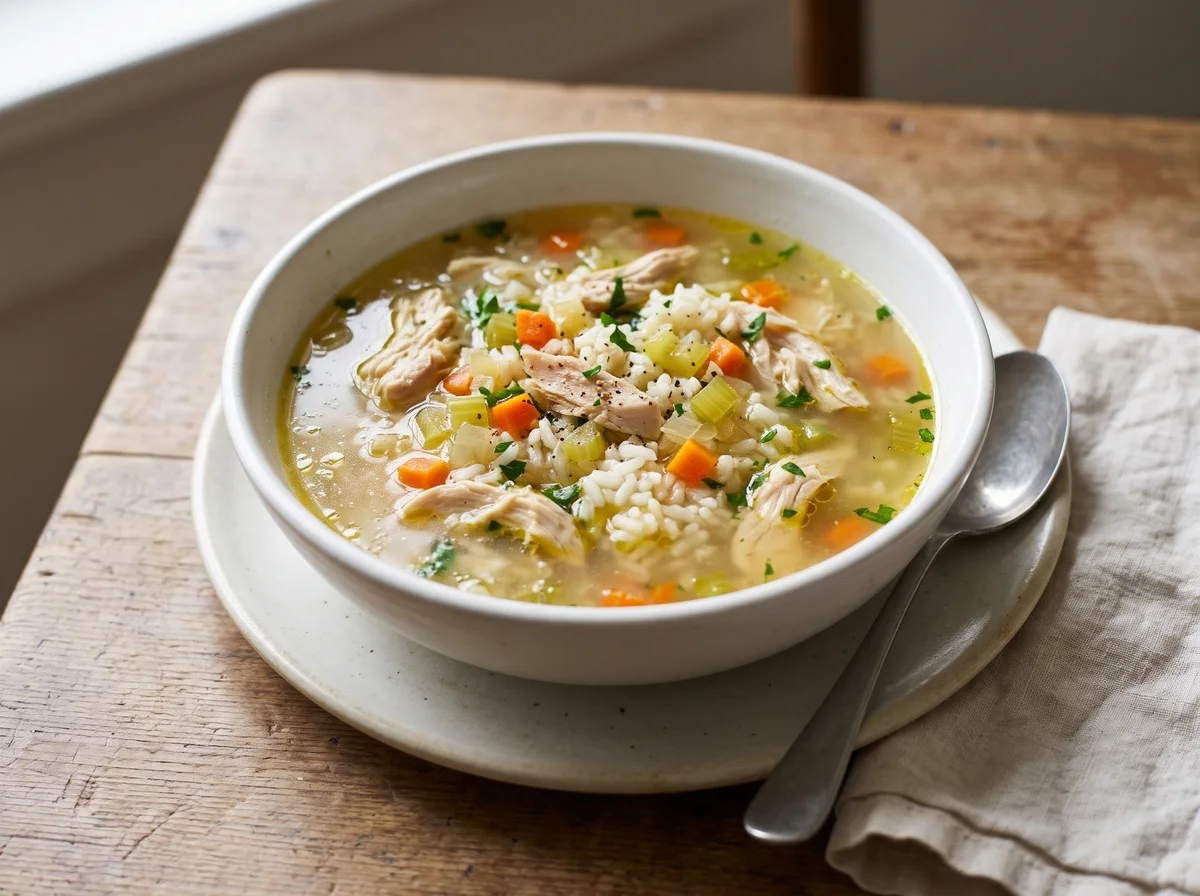
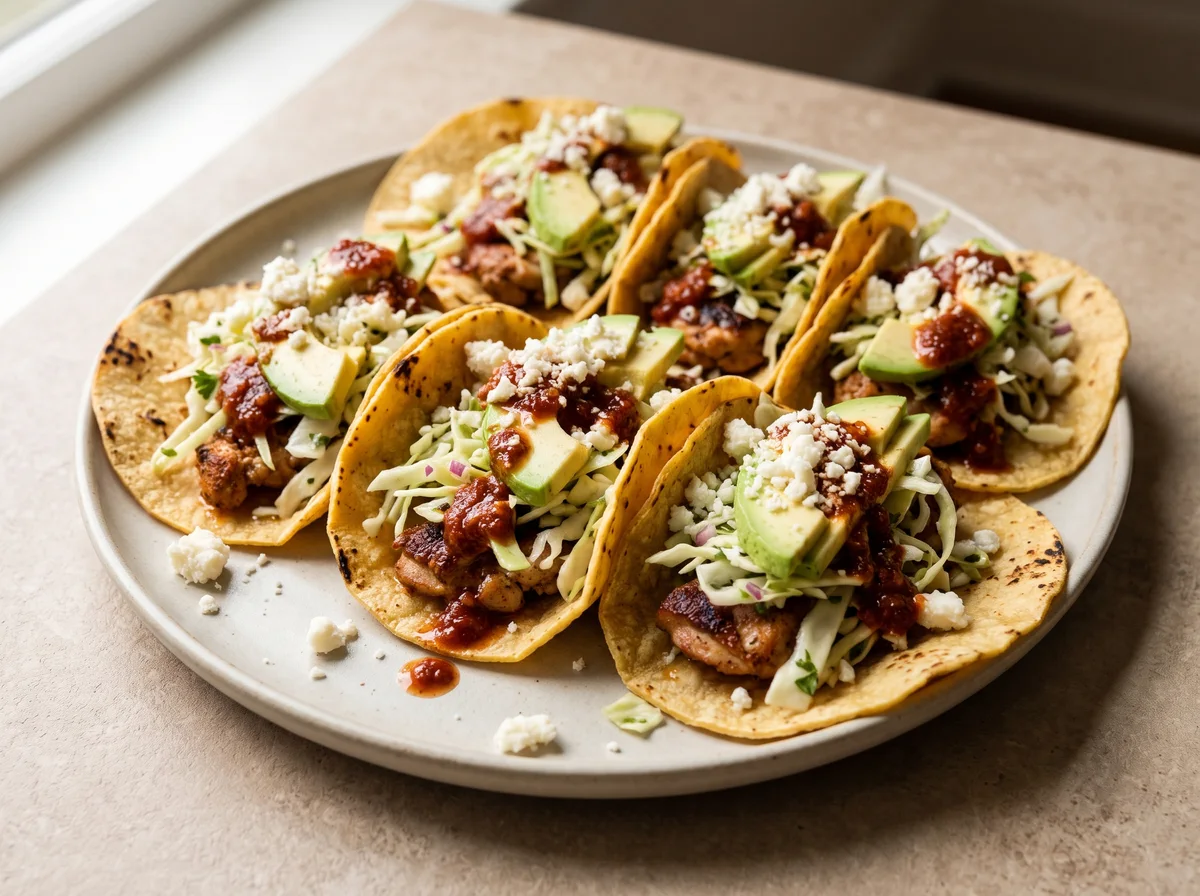
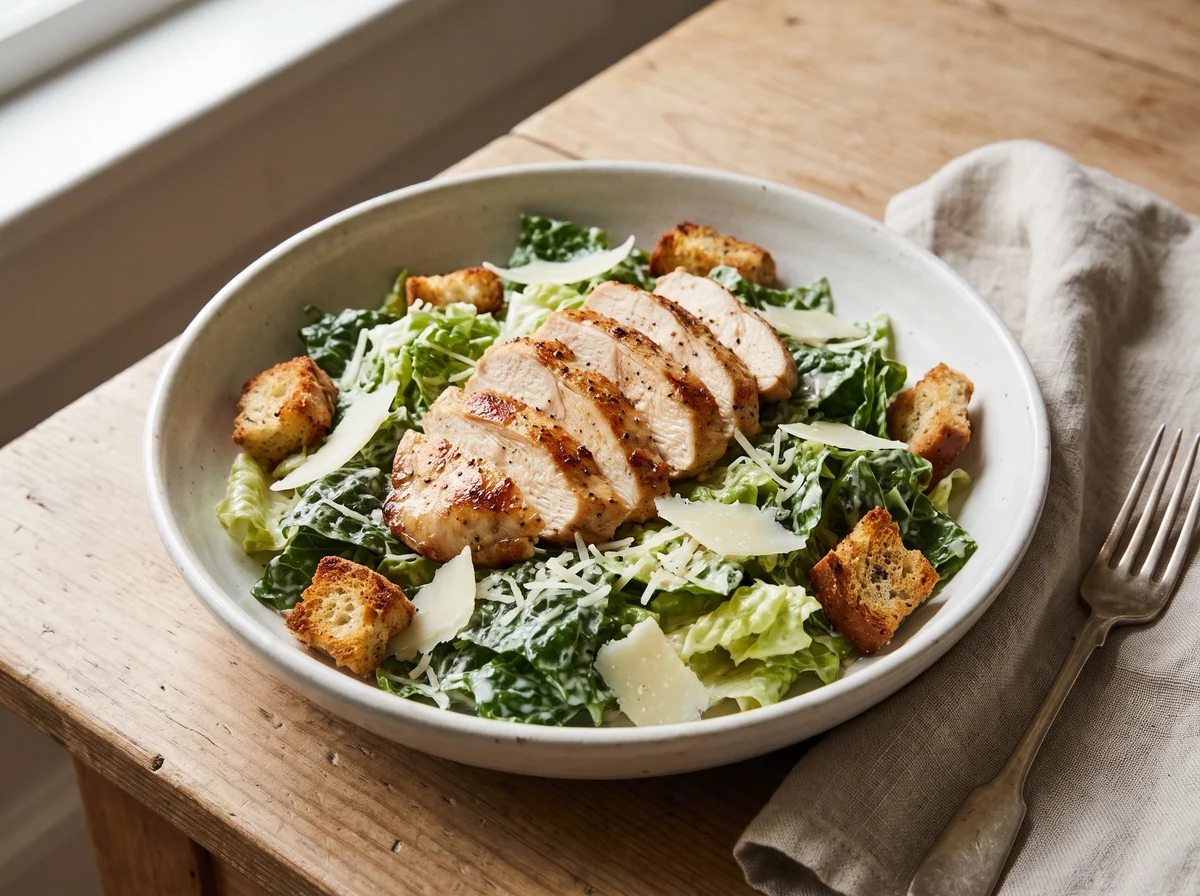
Pick the carcass clean for tacos, salad, sandwiches, or soup, then save the bones for stock if you want to stretch the meal further. The safest habit is to chill leftovers promptly instead of leaving the pan on the counter after dinner.
Sources: FoodSafety.gov: Cold storage chartFoodSafety.gov: Four steps to food safetyFoodSafety.gov: Safe minimum internal temperatures
Common questions
Can I roast a chicken from frozen?
No. Thaw it in the refrigerator first and never on the counter. A fully thawed bird cooks more evenly and is easier to season and check for doneness.
Do I need to baste a roast chicken?
Usually not. A dry bird in a hot oven browns well on its own, and opening the oven repeatedly can slow the roast and soften the skin.
How do I know the chicken is done?
Use an instant-read thermometer in the thickest part of the thigh and the thickest part of the breast. Both should reach 165°F.