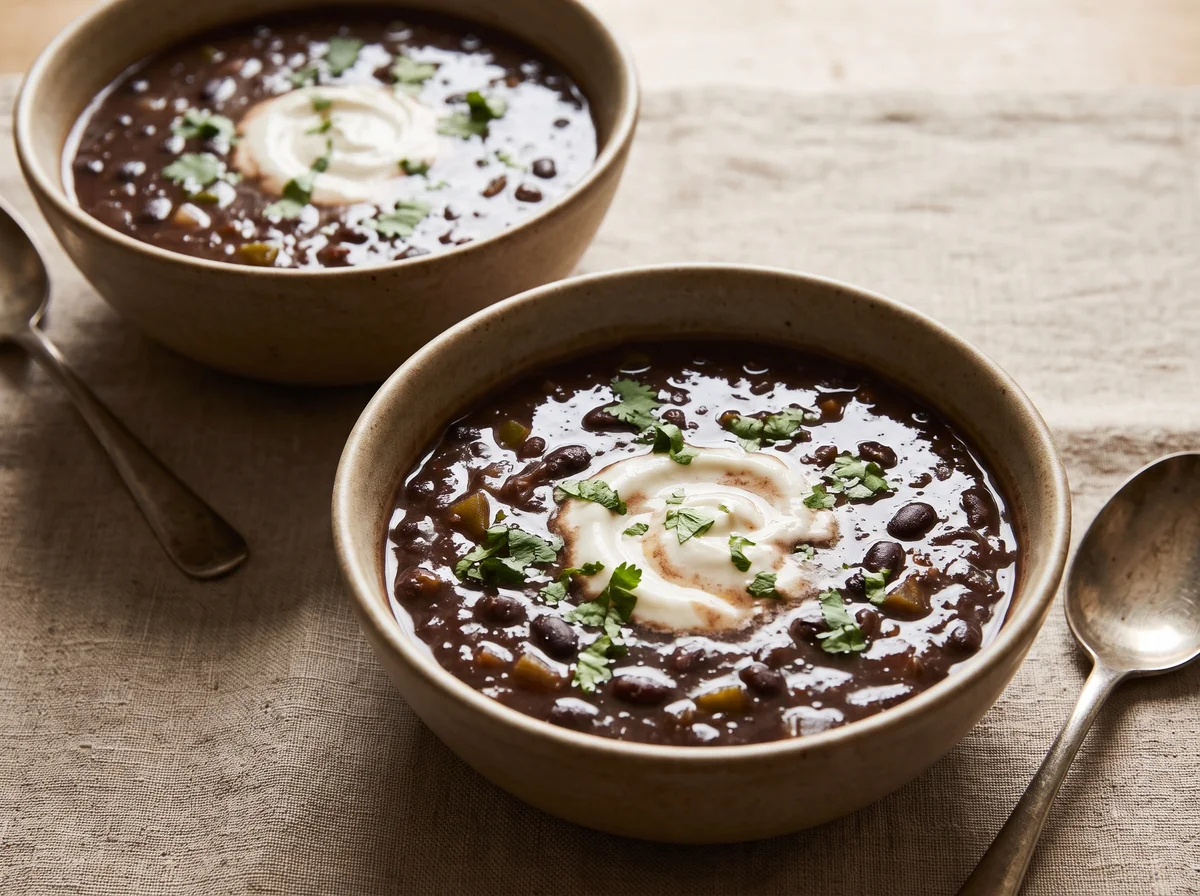
Start with the soup you have
Before adding a thickener, look at the broth, the ingredients, and the finish you want. A vegetable soup usually benefits from a light body, while chowders, bisques, and bean soups can handle a fuller texture.
If the soup is already flavorful but too loose, the easiest fix is often reduction. Simmer uncovered over medium-low heat so steam can escape. Stir every few minutes and watch the surface: if the bubbles look larger and slower, the liquid is concentrating.
If the soup tastes underseasoned and thin, salt is not the same as thickening. Season first, then thicken. Once the soup is thicker, flavors become more concentrated, so taste again near the end.
- Use reduction when the soup already has enough solids and flavor.
- Use blending for creamy texture without extra ingredients.
- Use starches, roux, or dairy when you want a more noticeable body.
Blend some or all of the soup
Blending is one of the cleanest ways to thicken soup because it uses the ingredients already in the pot. Scoop out about 1 to 3 cups of soup, depending on the batch size, and puree it until smooth. Return it to the pot and stir.
For a mostly smooth soup, use an immersion blender and blend only part of the pot right in the pan. Keep the blender head below the surface so the soup does not splatter. Pulse first, then blend in short bursts until the texture looks velvety but still has some body.
This works especially well with potatoes, beans, squash, carrots, and cooked cauliflower. For chunky soups, leave enough pieces intact so the bowl still feels satisfying rather than baby-food smooth. If you are using dried red or white kidney beans or cannellini beans as part of the soup, follow FDA guidance: soak them at least 5 hours, discard the soak water, boil in fresh water at least 30 minutes, then continue cooking until tender.
- Best for potato, bean, squash, carrot, and tomato soups.
- If using a countertop blender, work in batches and vent the lid carefully.
- Do not overblend starchy soups or they can turn gluey.
Add starch or a cooked roux
For a quick thickener, whisk 1 tablespoon cornstarch or arrowroot with 1 tablespoon cold water for every 2 cups soup. Stir the slurry into simmering soup, then cook 2 to 3 minutes until the liquid thickens slightly and looks glossy. Do not dump dry starch straight into the pot or it can clump.
A roux gives soup a rounder, more stable body. Cook equal parts butter and flour in a saucepan over medium heat, stirring 2 to 4 minutes for a pale roux. For about 4 cups soup, start with 2 tablespoons butter and 2 tablespoons flour, then whisk in a little hot soup before adding it back to the pot.
Roux is useful for chowders, cream soups, and hearty vegetable soups. It takes a few extra minutes, but it is less likely than raw starch to leave a slippery texture if the soup sits for a while.
Try dairy, bread, nuts, or legumes
Cream, yogurt, sour cream, coconut milk, and cheese can thicken soup while softening sharp flavors. Add them over low heat, not at a rolling boil, to reduce the chance of curdling. Stir in a few tablespoons at a time and stop when the soup looks lightly coated rather than heavy.
Bread crumbs or stale bread are traditional thickeners in rustic soups. Tear in a slice or two, simmer until soft, then stir or blend them in. This is especially useful for tomato, bean, and vegetable soups where you want body without extra dairy.
Nut and seed butters work well in small amounts. A tablespoon or two of tahini, peanut butter, or almond butter can add richness to a brothy soup. Cooked lentils, white beans, or mashed chickpeas also thicken naturally if you have them on hand.
- Add dairy at the end and keep the heat gentle.
- Use stale bread in rustic soups for a fuller texture.
- Nut butters and legumes are useful when you want thickness plus extra flavor.
Judge thickness by spoon, not guesswork
A properly thickened soup should lightly coat the back of a spoon and settle slowly when stirred. If you drag a spoon through it, the line should hold for a moment before closing. If it stands in a mound, it is probably too thick.
If the soup becomes too dense, thin it with hot stock, water, or a splash of milk, a little at a time. Reheat to a simmer and taste again. The goal is a smooth, spoonable consistency, not a paste.
Think about the ingredients you still need to add. Pasta, rice, and potatoes continue to absorb liquid as they sit, so keep soup a touch looser if those components are already in the pot. That helps prevent a second thickening surprise later.
Store and reheat thickened soup safely
Thick soup can scorch more easily, so reheat it over medium-low heat with regular stirring. Add a splash of water or stock before warming if needed, because chilled soup often thickens further in the fridge. Reheat leftovers to 165 F.
Cool leftovers quickly and refrigerate within 2 hours, or within 1 hour if the room is hotter than 90 F. Keep the refrigerator at 40 F or below and use leftovers within 3 to 4 days. Never leave food to finish cooling on the counter.
If your soup contains rice, cool it promptly after cooking, refrigerate it within about 1 hour if possible, and reheat it once to 165 F. Refrigeration slows growth but does not make food safe indefinitely, so do not rely on a pot sitting out too long. For cast iron used to make soup, soap is allowed: wash, dry thoroughly, and wipe on a thin coat of oil. Do not soak cast iron for long periods.
Common questions
What is the fastest way to thicken soup?
A cornstarch slurry is usually the fastest. Mix 1 tablespoon cornstarch with 1 tablespoon cold water per 2 cups soup, stir it into simmering soup, and cook for 2 to 3 minutes until it thickens.
Why did my soup get too thick after sitting?
Starches, grains, pasta, and vegetables keep absorbing liquid as the soup rests. Thin it with hot stock or water, then reheat gently and taste again before serving.
Can I thicken soup with flour?
Yes, but cook the flour first in a roux or whisk it into a slurry before adding it. Raw flour can taste pasty and may not fully cook through in the pot.