Start with the pan drippings
A pan sauce begins with the browned bits left in the skillet after cooking meat, poultry, fish, mushrooms, or vegetables. Those browned bits are called fond, and they hold a lot of the flavor. Stainless steel and cast iron usually make the most fond because they brown well. A nonstick pan can still make a pan sauce, but it often develops less browning, so the sauce may taste a little lighter.
For a simple sauce for 2 to 4 servings, plan on about 1 tablespoon of fat in the pan, 1 tablespoon of minced shallot or garlic, 1/2 to 3/4 cup liquid, and 1 tablespoon of cold butter or a small splash of cream at the end. Keep a whisk or wooden spoon nearby and, if possible, measure the liquid before you start so the pan does not sit empty while you hunt for ingredients.
| Ingredient | Amount | Why it matters |
|---|---|---|
| Fond | Whatever sticks to the pan | This is the browned flavor base |
| Fat | About 1 tablespoon | Carries flavor and helps cook aromatics |
| Aromatic | 1 tablespoon minced shallot or garlic | Adds depth and sweetness |
| Liquid | 1/2 to 3/4 cup stock, wine, water, or juice | Dissolves the fond |
| Finish | 1 tablespoon butter, cream, or olive oil | Makes the sauce glossy and round |
Leave the fond in the pan
When the main ingredient is cooked, move it to a plate to rest. Then look at the pan before you add anything. If there is a lot of fat, pour off most of it and leave just enough to cook the aromatics. Too much fat can make the sauce feel greasy instead of silky. If the pan is nearly dry, add a teaspoon of oil or a small knob of butter so the shallot or garlic does not scorch.
Set the pan over medium or medium-low heat. Add minced shallot, garlic, or both, and stir for 30 to 60 seconds, just until fragrant. The goal is to soften the aromatics and wake up the flavor already in the pan, not to brown them deeply. If the garlic starts to darken too fast, lower the heat or add liquid right away.
- Rest the cooked protein on a plate so juices stay in the food, not the sauce.
- Use medium heat; high heat can burn the fond or scorch the aromatics.
- Shallot gives a sweeter sauce, garlic a sharper one, and both together are common.
Deglaze, scrape, and simmer
Pour in the liquid while the pan is still hot. White wine, stock, cider, tomato juice, or even water can work, depending on the dish. Start with about 1/2 cup for a standard skillet and add more only if needed. As soon as the liquid hits the pan, use a spoon to scrape up the browned bits from the bottom and edges. That scraping is what turns the stuck-on flavor into sauce.
Bring the liquid to a steady simmer, then lower the heat so it keeps bubbling without boiling hard. Let it reduce for 2 to 5 minutes, until it tastes concentrated and looks slightly syrupy. If you want a thicker sauce, you can whisk in a small spoonful of flour after the fat heats up, cook it for 1 to 2 minutes, and then add the liquid gradually so it stays smooth.
- If using wine, simmer long enough for the sharp alcohol smell to fade.
- If the pan is very dark or the fond tastes bitter, stop reducing sooner.
- A sauce that lightly coats the back of a spoon is usually ready to finish.
Finish with fat, acid, and salt
Take the pan off the heat before adding the final butter. Whisk in 1 tablespoon of cold butter, cut into pieces, or swirl in 1 to 2 tablespoons of cream. Finishing off the heat helps the sauce stay glossy and emulsified. If you keep boiling after the butter goes in, the sauce may separate and look oily.
Now balance the flavor. Add about 1 teaspoon of lemon juice, vinegar, or a splash of wine if the sauce tastes flat. Add mustard for body, chopped herbs for freshness, or a teaspoon of capers for brightness when that fits the dish. Season with salt and black pepper last, because reduction concentrates salt quickly. Taste and adjust in small steps rather than adding too much at once.
- Cold butter gives the glossiest finish.
- Acid helps rich sauces taste brighter after chicken, pork, or steak.
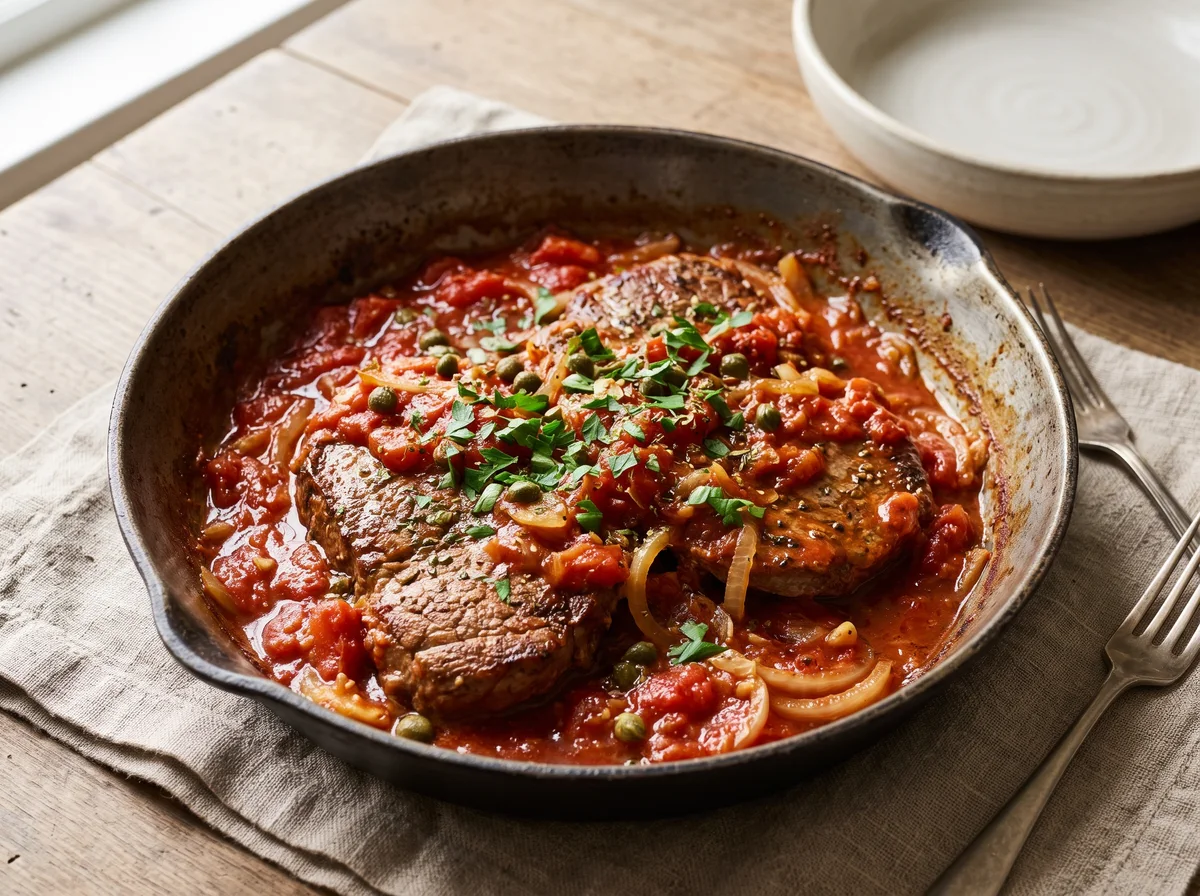
- A small pinch of sugar can soften a very sharp tomato or wine sauce.
Fix the most common mistakes
If the sauce is too thin, keep simmering it uncovered. If it is still thin after a few minutes, the pan may be too cool or you may have added too much liquid. If it gets too thick, add a splash of stock or water and whisk until smooth. If the flavor seems flat, it probably needs salt, acid, or a little more butter.
If the sauce breaks and looks greasy, remove it from the heat and whisk in a teaspoon of cold butter or a spoonful of cold stock. If it tastes burnt, do not try to save every bit of it. Pour the liquid into a clean pan, leaving the darkest debris behind, then finish the sauce again with fresh liquid. If the sauce tastes too salty, dilute it with unsalted stock or water and finish with butter to soften the edge.
- Too thin: simmer longer, uncovered.
- Too thick: whisk in a splash of liquid.
- Broken: pull off heat and whisk in cold butter or cold stock.
- Burnt: transfer to a clean pan and rebuild the finish.
Choose a flavor direction, then store leftovers safely
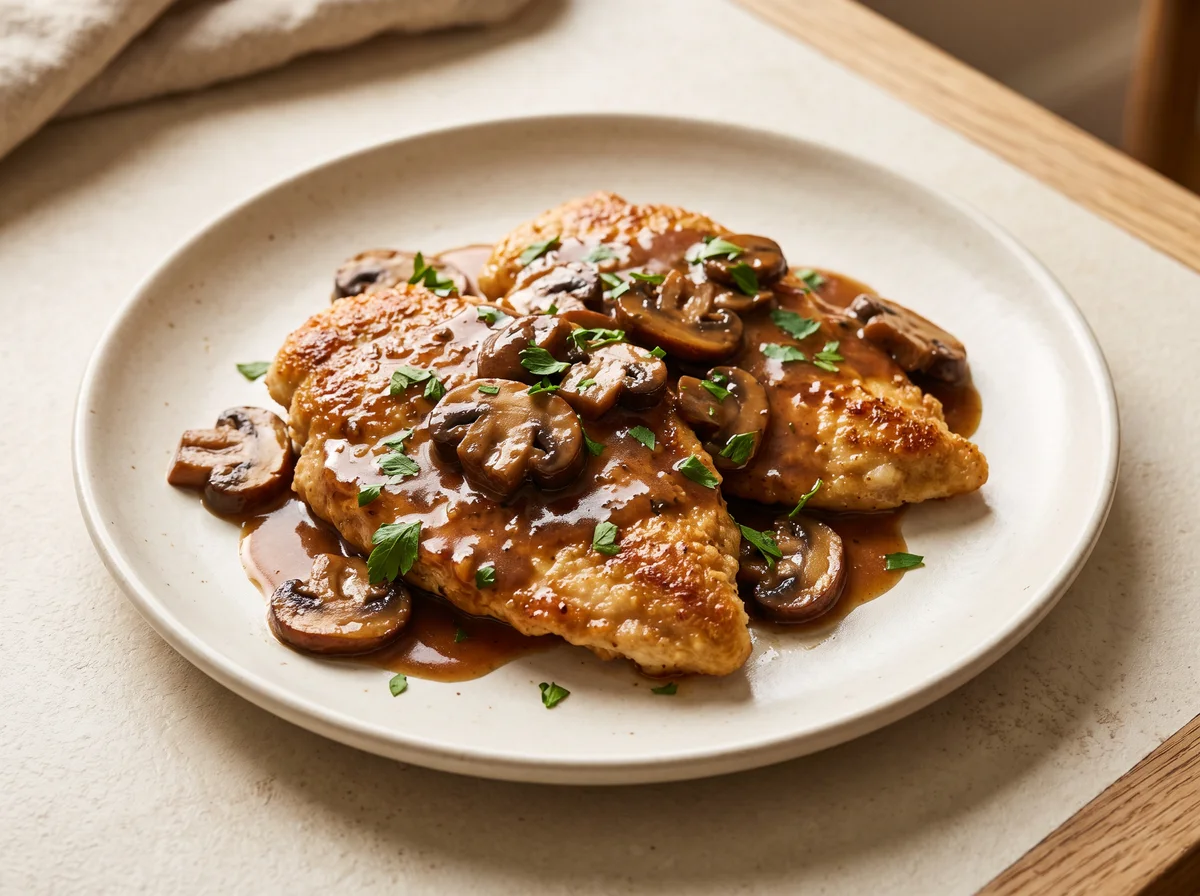
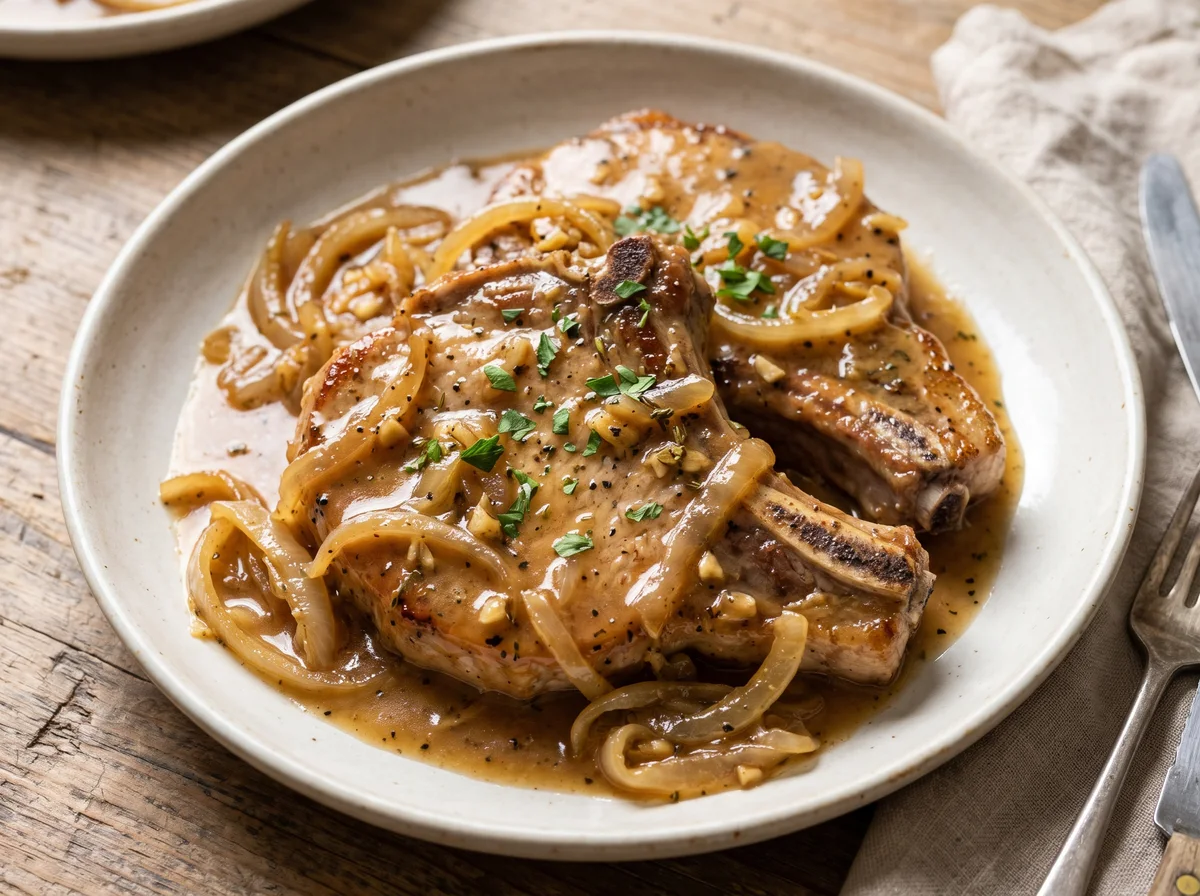
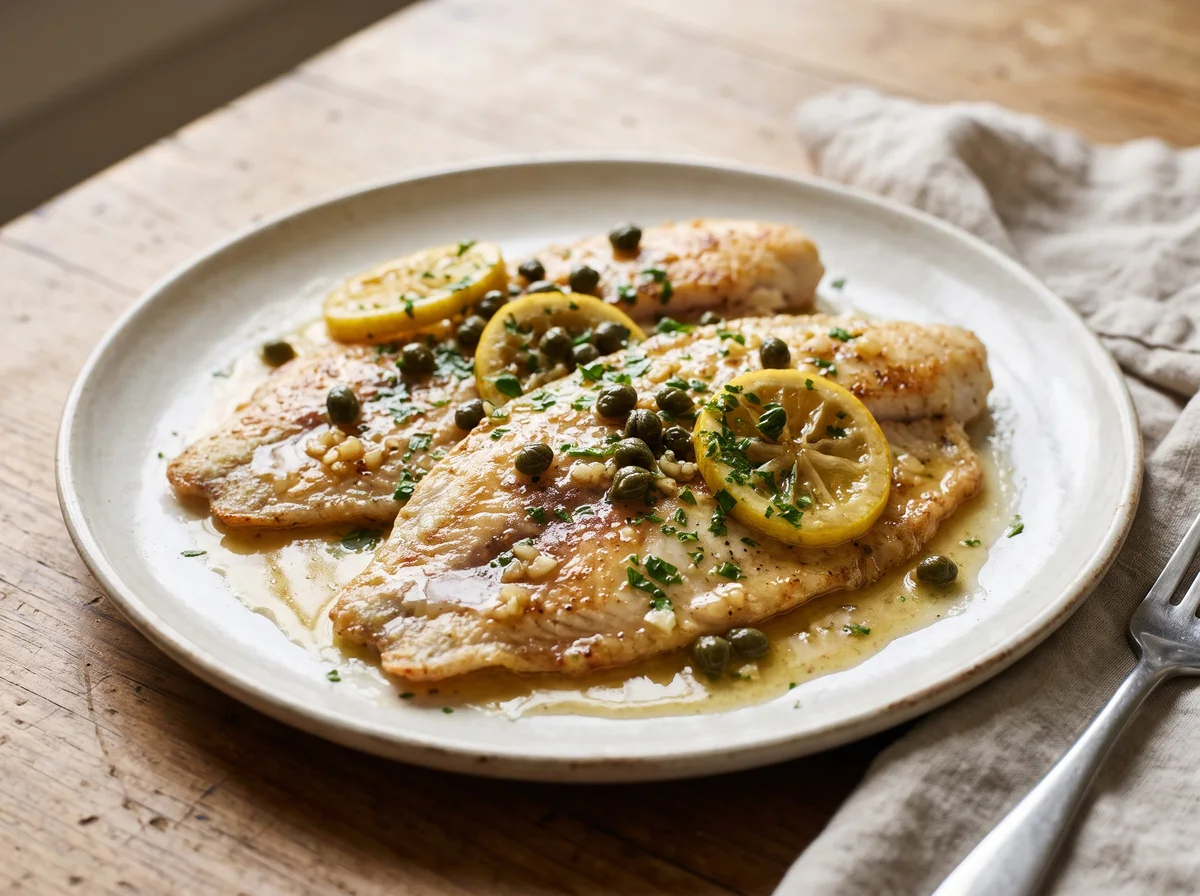
A pan sauce can go in several directions. For chicken or pork, try white wine, shallot, and mustard. For steak, use beef stock, garlic, and thyme. For fish, keep it lighter with lemon, capers, and parsley. For mushrooms, deglaze with sherry or white wine and finish with cream. For a quick weeknight sauce, stock plus butter and a squeeze of lemon is enough.
If you have leftover sauce, cool it quickly and refrigerate it within 2 hours, or within 1 hour if the room is above 90 F. Store it in a covered container in the refrigerator at 40 F or below, and use it within 3 to 4 days. Reheat it gently on the stove, stirring often. If the sauce is part of a leftover meal, reheat the whole dish to 165 F before serving. Do not leave it to finish cooling on the counter for long.
Sources: FoodSafety.gov: Four steps to food safetyFoodSafety.gov: Safe minimum internal temperaturesFoodSafety.gov: Cold storage chart
Common questions
Do I need wine to make a pan sauce?
No. Wine adds acidity and aroma, but stock, water, cider, or a splash of juice can deglaze the pan just as well. If you skip wine, finish with a little lemon juice or vinegar so the sauce still tastes bright.
Why did my pan sauce taste bitter?
The fond may have gone too dark, or the garlic may have scorched before the liquid went in. Next time, lower the heat, deglaze sooner, and stop reducing before the sauce turns harsh. If a batch tastes slightly bitter, a little butter or cream can soften it.
Can I make a pan sauce without flour?
Yes. Many pan sauces are just reduced liquid finished with butter or cream. Flour is optional and mainly useful when you want a thicker, gravy-like texture. Reduce first, then decide whether the sauce needs more body.