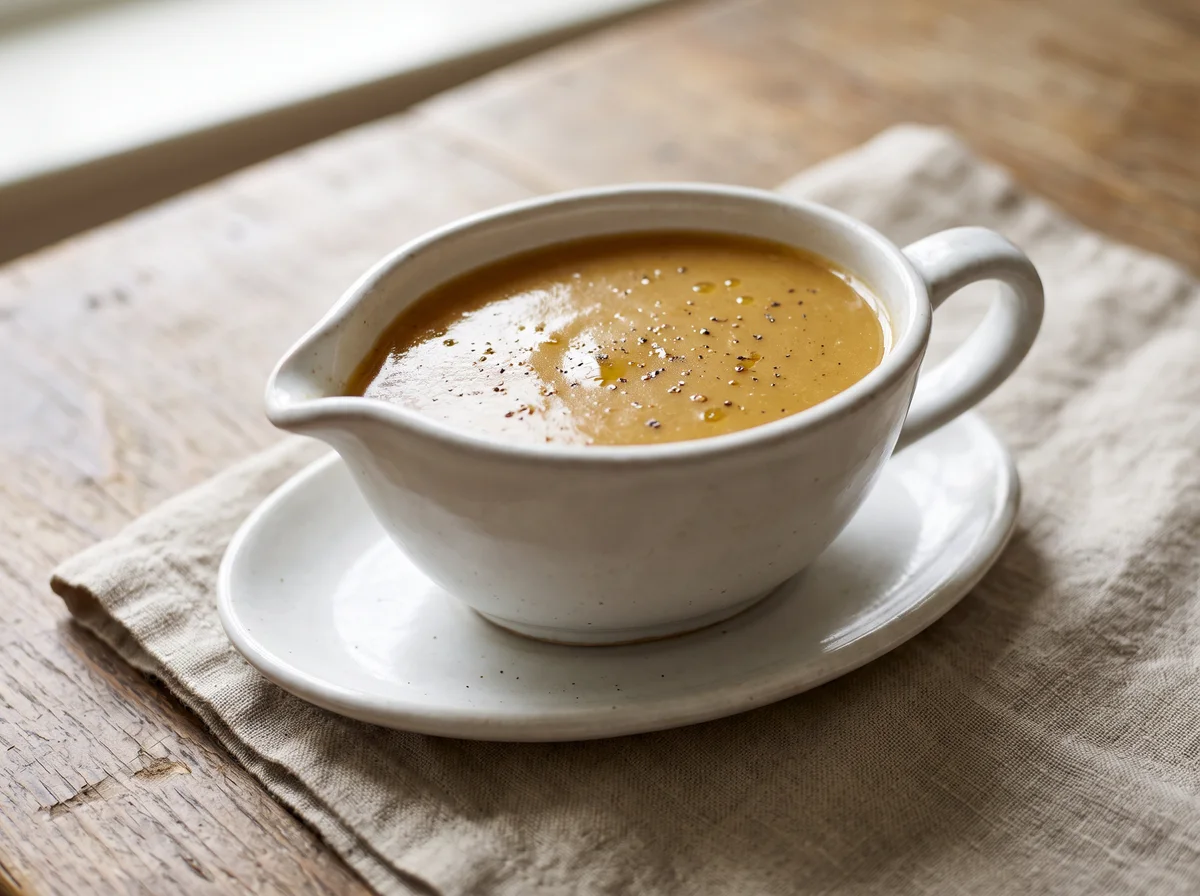
What a roux is and why it matters
A roux is one of the simplest ways to turn fat and flour into a thickening base. It gives sauces a smooth body, helps keep liquids from tasting thin, and can add nutty flavor when cooked longer. You will find it in gravy, macaroni and cheese, cream soups, stews, and dishes such as etouffee or gumbo.
The basic idea is always the same: cook flour in fat long enough that the raw flour flavor disappears, then whisk in liquid. The longer you cook the roux before adding liquid, the darker the color and deeper the flavor, but the less thickening power it keeps. That tradeoff is the key to choosing the right style.
Start with the right ratio and tools
For most home cooking, begin with equal parts fat and flour by volume. A small batch can be 2 tablespoons fat and 2 tablespoons flour. For a medium saucepan of gravy or soup, 4 tablespoons of each is a common starting point. Butter, oil, bacon fat, drippings, or a mix all work. Butter tastes rich, but its milk solids can brown faster than pure oil.
Use a heavy-bottomed saucepan, Dutch oven, or skillet so the heat stays even. A whisk is best at the start because it breaks up flour quickly. After the mixture becomes a smooth paste, a wooden spoon or silicone spatula makes it easier to scrape the corners. If a recipe gives flour by weight, follow that number rather than assuming every cup weighs the same.
| Style | Color | Approximate time | Best use |
|---|---|---|---|
| White roux | Pale cream | 2 to 3 minutes | Milk sauces, chowders, macaroni and cheese |
| Blond roux | Light tan | 3 to 5 minutes | Gravy, cream soups, velouté-style sauces |
| Brown roux | Peanut butter to brown | 8 to 15 minutes | Stews, Cajun or Creole dishes, deeper savory flavor |
| Dark brown roux | Brick brown | 15 to 25 minutes | Gumbo-style dishes, very deep flavor |
Make the roux step by step
Set the pan over low to medium heat and add the fat. Let butter melt fully, or heat oil until it shimmers but does not smoke. Add the flour all at once, then whisk immediately so every bit is coated. The mixture should look like a thick, glossy paste, not dry flour patches floating in fat.
Cook while stirring constantly. At first the roux will look pale and sandy. Within a minute or two, it should smooth out and smell less like raw flour. For a white roux, stop once the raw flour smell is gone and the paste still looks pale. For a blond or brown roux, keep stirring until the color deepens evenly.
When it is time to add liquid, do it gradually. Whisk in a small splash of warm stock, milk, or broth first to loosen the paste, then add the rest in a slow stream. This keeps lumps from forming and gives you a smooth sauce base.
Choose the right color for the dish
A white roux thickens best because it has the most starch power left. It is ideal when you want the flavor of the liquid and seasonings to shine through. A blond roux gives a little more toasted flavor and works well in everyday gravy or soup. Brown and dark brown roux trade some thickening strength for a richer, deeper taste.
Do not rush the color change by turning up the heat. A roux that browns too fast can go from toasted to bitter in seconds. If the heat seems aggressive, pull the pan off the burner for a moment while you keep stirring, then return it to the heat and continue. The color should darken evenly, not in spots.
Fix lumps, scorching, and other common mistakes
If the roux tastes floury, it needs more cooking time. Keep it moving and give it another minute or two. If it looks dry and clumpy before the flour is fully coated, the pan is too hot or there is not enough fat. Add a little more fat and stir until the paste comes together.
If the roux turns dark in patches or smells burnt, start over. Burnt flour tastes harsh, and there is no reliable way to rescue that flavor. If lumps appear after adding liquid, whisk more vigorously and pour in the liquid more slowly next time. A small splash of warm liquid first is usually enough to smooth things out.
If the sauce ends up too thick, whisk in more liquid a little at a time. If it is too thin, let it simmer so the starch can swell and thicken, or remember to make a slightly larger roux next time. A roux is easy to adjust, but only if you avoid scorching it at the start.
Make it ahead and store it safely
You can make roux ahead of time. Let it cool briefly, then transfer it to a clean container and refrigerate it within 2 hours, or within 1 hour if the kitchen is hotter than 90 F. Keep it refrigerated at 40 F or below and use it within 3 to 4 days. If you plan to use it later, portion it into small amounts so it cools faster and is easier to stir back into a pot.
Roux also freezes well for future meals. Freeze it in small scoops or a thin layer, then thaw it in the refrigerator before using. Rewarm it gently so it loosens before you whisk in liquid. When you are cleaning the pan afterward, wash it normally with soap and water, then dry it thoroughly so no moisture lingers in the cookware.
Sources: FoodSafety.gov: Four steps to food safetyFoodSafety.gov: Cold storage chartKing Arthur Baking: Recipe success guide
Common questions
Can I make roux with oil instead of butter?
Yes. Oil, butter, drippings, and bacon fat all work. Oil is a good choice if you want a neutral flavor or a darker roux without worrying about butter solids browning too quickly.
Why did my roux get lumpy when I added liquid?
Usually the liquid went in too fast or the roux was too hot. Start with a small splash of warm liquid and whisk until smooth before adding the rest in a slow stream.
How do I know when the roux is ready?
Look for the raw flour smell to disappear and for the color to match the style you want. White roux stays pale, blond roux turns lightly tan, and brown roux should smell toasted but not burnt.