Spaghetti bolognese
This spaghetti bolognese makes 2 generous servings of spaghetti coated in a slow-simmered beef ragù. Onion, carrot, celery, garlic, tomato paste, red wine, milk, and crushed tomatoes cook into a thick, glossy sauce that clings to the pasta instead of pooling beneath it. Parmesan and parsley finish the bowl with sharp, fresh contrast.
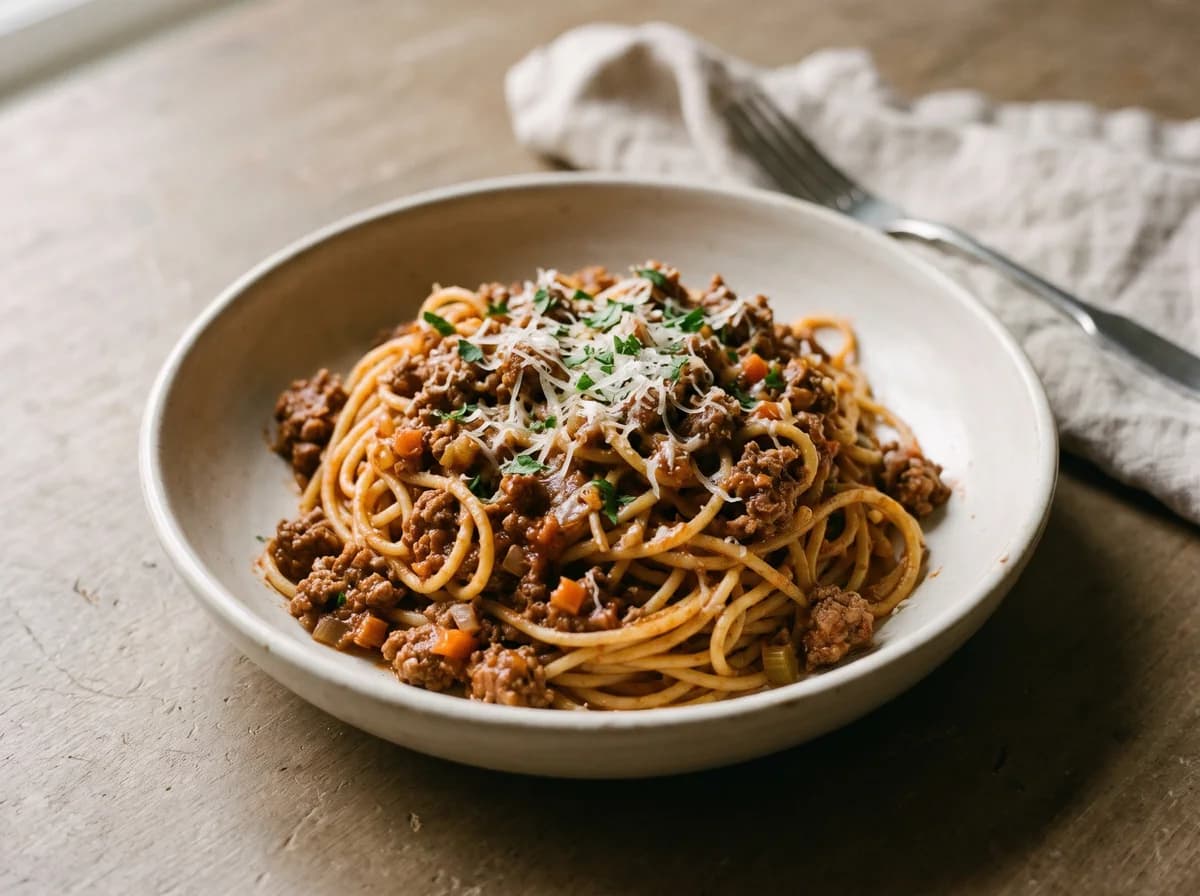
Estimated calories and US ingredient costs.
For a double batch, use a 5 to 6 quart Dutch oven or a wide 12-inch high-sided skillet so the ragù can reduce instead of steaming. Do not simply halve or double the simmer time without checking the pan shape. A wider pan shortens the reduction; a deeper pan usually needs a few extra minutes.
Your whole cook, in one place.
Ingredients, steps and a live timeline. Ready for 2 people.
Step timeline
Cooking order
11 leftPrep the pot and ingredients
~1 minPrep the pot and ingredients.
Bring 4 quarts water to a boil for the spaghetti, then salt it with 1 tsp of the kosher salt.
Measure out all ingredients before you start cooking.
Set a 12-inch skillet or wide Dutch oven over the stove for the sauce.
Ingredients
- 6 oz total for recipeDry spaghetti
- 4Quarts water
Soften the vegetables
~9 minSoften the vegetables.
Heat the olive oil in the skillet over medium heat.
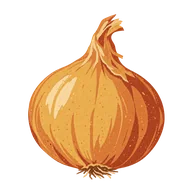
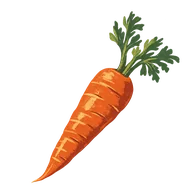
Add the yellow onion, carrot, and celery and cook for 6 to 8 minutes, stirring often, until the vegetables are softened and the onion is starting to turn translucent and lightly golden at the edges.
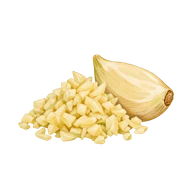
Stir in the minced garlic and cook for 30 seconds.
Ingredients
- 1 tbspOlive oil
- 4 oz total for recipeYellow onion
- 2 ozCarrot
- 2 tspGarlic
Brown the beef
~8 minBrown the beef.
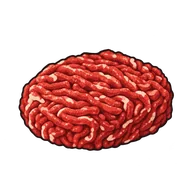
Add the ground beef and the remaining 1/2 tsp kosher salt to the skillet.
Cook over medium-high heat for 6 to 8 minutes, breaking the meat into small pieces with a spoon, until it is no longer pink and registers 160°F.
If the pan looks dry before the beef browns, lower the heat slightly and keep stirring.
Do not reuse any utensil or bowl that touched the raw meat without washing it first.
Ingredients
- 8 oz total for recipeGround beef
- 1 1/2 tspKosher salt, divided
Build the base
~4 minBuild the base.
Stir in the tomato paste and cook for 1 minute so it darkens slightly and loses its raw edge.
Pour in the red wine and scrape up the browned bits from the skillet.
Simmer for 2 to 3 minutes until the wine smell softens and the liquid is reduced by about half.
Ingredients
- 2 tbspTomato paste
- 1/4 cupDry red wine
Simmer the ragù
~30 minSimmer the ragù.
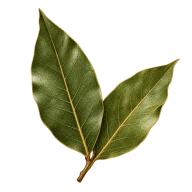
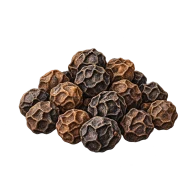
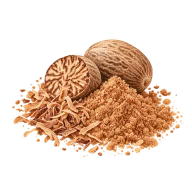
Add the crushed tomatoes, water, whole milk, bay leaf, black pepper, and nutmeg.
Bring the sauce to a gentle simmer, then lower the heat so it barely bubbles.
Cook uncovered or partially covered for 25 to 30 minutes, stirring occasionally, until the sauce is thick, reddish-brown, and glossy rather than soupy.
Ingredients
- 1 cupCanned crushed tomatoes
- 1/2 cup total for recipeWater
- 1/2 cupWhole milk
- 1Bay leaf
- 1/4 tspBlack pepper
- 1/8 tspGround nutmeg
Cook the spaghetti
~10 min cookCook the spaghetti.
While the sauce simmers, cook the dry spaghetti in the salted boiling water for 8 to 10 minutes, or until just al dente
Drain well in a colander
After ~10 minDrain well in a colander.
The noodles should still have a little firmness because they will finish in the sauce.
Toss and finish
~2 minToss and finish.
Remove the bay leaf from the sauce.
Add the drained spaghetti to the skillet and toss over low heat for 1 to 2 minutes until every strand is coated and the sauce clings instead of sliding off.
Off the heat, toss in the grated Parmesan and half of the chopped parsley.
Ingredients
- 6 oz total for recipeDry spaghetti
- 1 ozGrated Parmesan
- Half of 2 tbspParsley
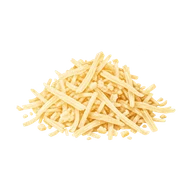
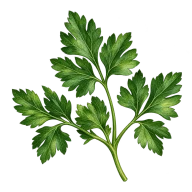
Plate the bowls
~120 min cookDivide the spaghetti bolognese between 2 warm bowls.
Spoon any sauce left in the pan over the top, then finish with the remaining parsley.
Refrigerate leftovers within 2 hours.
Ingredients
- 2 tbsp total for recipeParsley
Check the dish
After ~120 minCheck Spaghetti bolognese and continue when ready.
Serve meal
~1 minOnce all dishes are cooked and ready, plate and serve the meal together.
Spaghetti bolognese: Plate the bowls.
Spaghetti bolognese: Serve immediately while the sauce is hot and silky.
Make the next one yours.
Create a custom meal with what you have.
Read the traditional recipe
Ingredients
For 2 people
- 6 oz dry spaghetti
- 4 quarts water
- 1 tbsp olive oil
- 4 oz yellow onion, finely diced
- 2 oz carrot, finely diced
- 2 oz celery, finely diced
- 2 tsp minced garlic
- 8 oz ground beef
- 2 tbsp tomato paste
- 1/4 cup dry red wine
- 1 cup canned crushed tomatoes
- 1/2 cup water
- 1/2 cup whole milk
- 1 bay leaf
- 1 1/2 tsp kosher salt, divided
- 1/4 tsp black pepper
- 1/8 tsp ground nutmeg
- 1 oz grated Parmesan
- 2 tbsp chopped parsley
Method
- Prep the pot and ingredientsBring 4 quarts water to a boil for the spaghetti, then salt it with 1 tsp of the kosher salt. Measure out all ingredients before you start cooking. Set a 12-inch skillet or wide Dutch oven over the stove for the sauce.
- Soften the vegetablesHeat the olive oil in the skillet over medium heat. Add the yellow onion, carrot, and celery and cook for 6 to 8 minutes, stirring often, until the vegetables are softened and the onion is starting to turn translucent and lightly golden at the edges. Stir in the minced garlic and cook for 30 seconds.
- Brown the beefAdd the ground beef and the remaining 1/2 tsp kosher salt to the skillet. Cook over medium-high heat for 6 to 8 minutes, breaking the meat into small pieces with a spoon, until it is no longer pink and registers 160°F. If the pan looks dry before the beef browns, lower the heat slightly and keep stirring. Do not reuse any utensil or bowl that touched the raw meat without washing it first.
- Build the baseStir in the tomato paste and cook for 1 minute so it darkens slightly and loses its raw edge. Pour in the red wine and scrape up the browned bits from the skillet. Simmer for 2 to 3 minutes until the wine smell softens and the liquid is reduced by about half.
- Simmer the ragùAdd the crushed tomatoes, water, whole milk, bay leaf, black pepper, and nutmeg. Bring the sauce to a gentle simmer, then lower the heat so it barely bubbles. Cook uncovered or partially covered for 25 to 30 minutes, stirring occasionally, until the sauce is thick, reddish-brown, and glossy rather than soupy.
- Cook the spaghettiWhile the sauce simmers, cook the dry spaghetti in the salted boiling water for 8 to 10 minutes, or until just al dente. Drain well in a colander. The noodles should still have a little firmness because they will finish in the sauce.
- Toss and finishRemove the bay leaf from the sauce. Add the drained spaghetti to the skillet and toss over low heat for 1 to 2 minutes until every strand is coated and the sauce clings instead of sliding off. Off the heat, toss in the grated Parmesan and half of the chopped parsley.
- Plate the bowlsDivide the spaghetti bolognese between 2 warm bowls. Spoon any sauce left in the pan over the top, then finish with the remaining parsley. Serve immediately while the sauce is hot and silky. Refrigerate leftovers within 2 hours.
Before you cook
What to get ready
Large pasta pot, colander, wide sauce pan, tongs and a mug for reserved cooking water.
Cut the onion, carrot and celery into small, similar pieces so they soften into the ragù.
If something needs adjusting
Sauce looks greasy
Spoon off excess surface fat if needed, then toss with pasta and a small amount of pasta water.
Sauce tightens after tossing
Add reserved pasta water a spoonful at a time while tossing. Serve promptly because pasta continues absorbing liquid.
Store for later
Refrigerate pasta promptly in shallow containers. Reheat to 165°F with a small splash of water; keep uncooked cheese or herb toppings separate when possible.
Refrigerate perishables within 2 hours, or 1 hour above 90°F. Keep the fridge at 40°F or below; use refrigerated leftovers within 3–4 days. USDA storage and reheating guidance.
Make the ingredients go further
Use remaining carrot and celery in chicken noodle soup.
Next use for your ingredients: Chicken noodle soup →
Calculate this meal with your own prices →
Cooking notes updated October 24, 2026. How we create recipes.
Tips, swaps and questions
A little kitchen know-how
For deeper flavor, let the onion, carrot, and celery cook until the onion edges pick up a little gold before adding the beef. That early browning gives the sauce more savory depth, and the tomato paste should darken slightly before the wine goes in. If the sauce ever looks harsh or too acidic, keep simmering rather than adding sugar first.
Make it work for you
If you swap the ground beef for ground turkey, use a little extra olive oil and keep the heat moderate so it does not dry out before the sauce finishes. Turkey has a milder flavor, so the onion-celery-carrot base and the Parmesan matter even more. The sauce may need the full simmer to taste rounded and not lean.
Use more of your yellow onion and carrot in lamb shank braise.
Why does this bolognese include milk?
Milk softens the tomato acidity and gives the sauce a rounder, less sharp taste. It also helps the beef ragù turn velvety instead of tasting like plain meat sauce. Add it before the long simmer so it cooks into the tomatoes and meat, not as a separate creamy layer.
Times are estimates. Check ingredients for allergens. For safe temperatures and storage, see FoodSafety.gov.