Pasta with asparagus
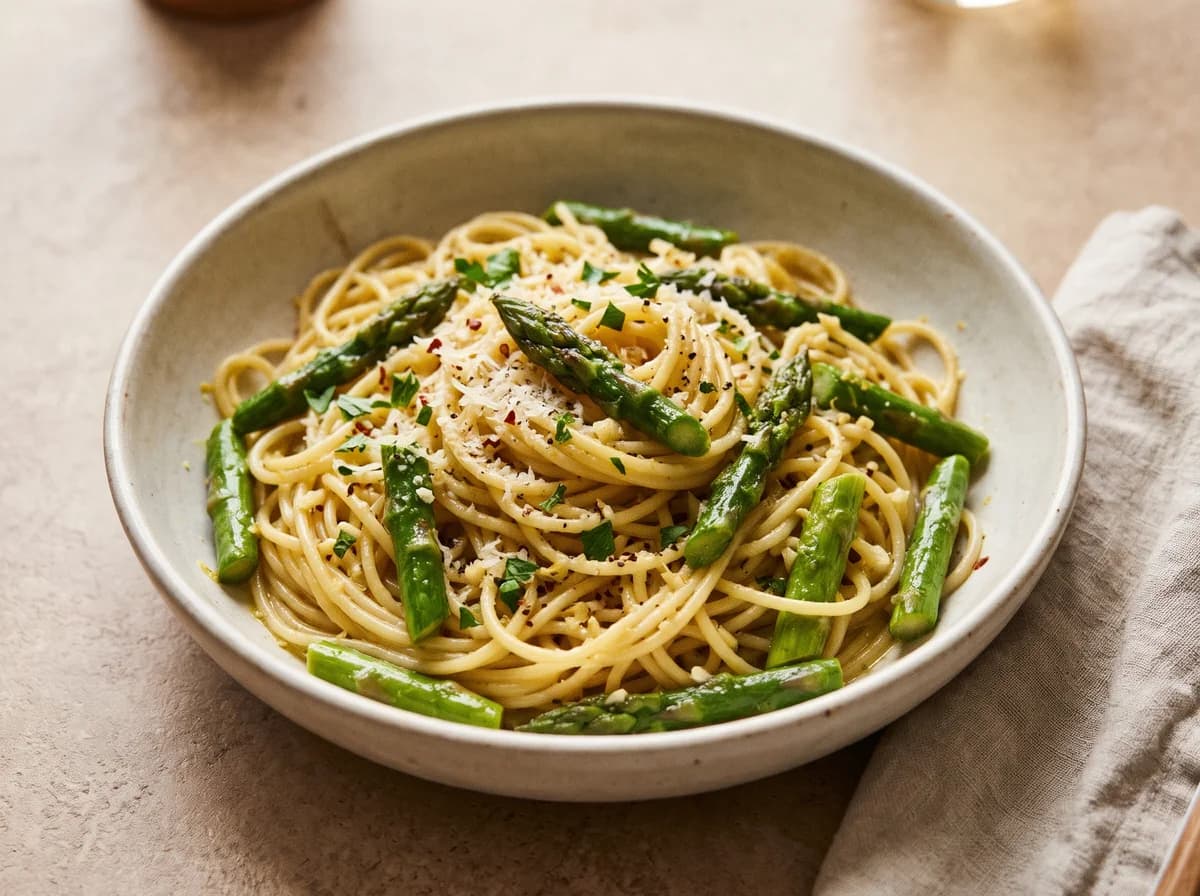
A quick spring pasta for 2 servings with tender asparagus, garlic, lemon, and Parmesan. The asparagus is blanched in the pasta pot, then tossed with the drained pasta and a little starchy cooking water to make a glossy sauce that clings without feeling heavy.
Estimated calories and US ingredient costs.
This recipe scales best by keeping the same pasta water ratio and using a skillet large enough for the noodles to move freely. For 4 servings, use a 12-inch skillet and a larger pot; for larger batches, toss in two stages so the cheese emulsifies instead of clumping. Do not increase the heat to speed thickening.
Your whole cook, in one place.
Ingredients, steps and a live timeline. Ready for 2 people.
Step timeline
Cooking order
7 leftPrep the asparagus and boil the pasta
~2 minPrep the asparagus and boil the pasta.
Bring 4 quarts water to a boil in a large pot over high heat.
Stir in 2 tsp kosher salt, then add the 8 oz dried spaghetti or linguine.
Cook for about 2 minutes less than the package time so it stays slightly firm.
While the pasta cooks, trim the 10 oz asparagus and cut it into 2-inch pieces so it is ready to blanch in the same pot.
Ingredients
- 4Quarts water
- 2 1/2 tsp total for recipeKosher salt, divided
- 8 ozDried spaghetti or linguine
- 1 cup total for recipeReserved pasta water
Blanch the asparagus in the pasta pot
~3 minBlanch the asparagus in the pasta pot.
Add the 10 oz asparagus pieces to the boiling pasta water during the last 2 to 3 minutes of pasta cooking.
The spears should turn bright green and be just tender when pierced with a knife, not soft.
Before draining, reserve 1 cup of the starchy pasta water, which will help the sauce emulsify.
Build the garlic oil base
~1 minBuild the garlic oil base.
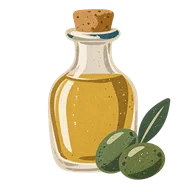
While the pasta finishes, set a large skillet over medium heat and add 2 tbsp olive oil.
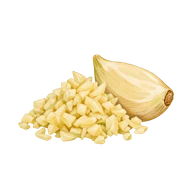
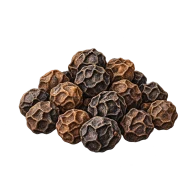
Stir in 2 tsp minced garlic, 1/4 tsp red pepper flakes, 1/2 tsp kosher salt, and 1/4 tsp black pepper.
Cook for 30 to 45 seconds, just until the garlic smells fragrant and starts to sizzle.
Do not let it brown.
Ingredients
- 2 1/2 tsp total for recipeKosher salt, divided
- 2 tbspOlive oil
- 2 tspGarlic
- 1/4 tspRed pepper flakes
- 1/4 tspBlack pepper
- 1 cup total for recipeReserved pasta water

Toss pasta and asparagus with pasta water
~2 minToss pasta and asparagus with pasta water.
Add the drained pasta and asparagus to the skillet.
Pour in 1/2 cup of the reserved pasta water and toss constantly with tongs for 1 to 2 minutes.
The liquid should look slightly creamy and coat the noodles; if the pan looks dry before the pasta is glossy, add another splash of the reserved water.
Ingredients
- 1/2 cupReserved pasta water
Finish with cheese and lemon
~7 minFinish with cheese and lemon.
Lower the heat to low and add 1/2 cup finely grated Parmesan cheese, 1 tbsp lemon juice, and 1 tsp lemon zest.
Toss until the cheese melts into a silky sauce and the pasta looks evenly coated.
If the cheese clumps, add a spoonful more pasta water and keep tossing until smooth.
Ingredients
- 1 cup total for recipeReserved pasta water
- 1/2 cupParmesan cheese
- 1 tbspLemon juice
- 1 tspLemon zest
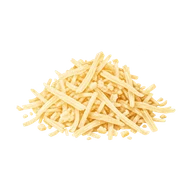
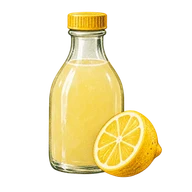

Plate and serve immediately
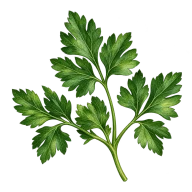
~6 minRemove the skillet from the heat and fold in 2 tbsp chopped parsley.
Taste and adjust with a little more Parmesan if needed
Ingredients
- 2 tbspParsley
Serve meal
~1 minOnce all dishes are cooked and ready, plate and serve the meal together.
Pasta with asparagus: Plate
Pasta with asparagus: serve immediately.
Pasta with asparagus: then divide between warm bowls.
Pasta with asparagus: Serve right away while the sauce is glossy and the asparagus still has a little bite.
Make the next one yours.
Create a custom meal with what you have.
Read the traditional recipe
Ingredients
For 2 people
- 4 quarts water
- 2 1/2 tsp kosher salt, divided
- 8 oz dried spaghetti or linguine
- 10 oz asparagus, trimmed and cut into 2-inch pieces
- 2 tbsp olive oil
- 2 tsp minced garlic
- 1/4 tsp red pepper flakes
- 1/4 tsp black pepper
- 1 cup reserved pasta water
- 1/2 cup finely grated Parmesan cheese
- 1 tbsp lemon juice
- 1 tsp lemon zest
- 2 tbsp chopped parsley
Method
- Prep the asparagus and boil the pastaBring 4 quarts water to a boil in a large pot over high heat. Stir in 2 tsp kosher salt, then add the 8 oz dried spaghetti or linguine. Cook for about 2 minutes less than the package time so it stays slightly firm. While the pasta cooks, trim the 10 oz asparagus and cut it into 2-inch pieces so it is ready to blanch in the same pot.
- Blanch the asparagus in the pasta potAdd the 10 oz asparagus pieces to the boiling pasta water during the last 2 to 3 minutes of pasta cooking. The spears should turn bright green and be just tender when pierced with a knife, not soft. Before draining, reserve 1 cup of the starchy pasta water, which will help the sauce emulsify.
- Build the garlic oil baseWhile the pasta finishes, set a large skillet over medium heat and add 2 tbsp olive oil. Stir in 2 tsp minced garlic, 1/4 tsp red pepper flakes, 1/2 tsp kosher salt, and 1/4 tsp black pepper. Cook for 30 to 45 seconds, just until the garlic smells fragrant and starts to sizzle. Do not let it brown.
- Toss pasta and asparagus with pasta waterAdd the drained pasta and asparagus to the skillet. Pour in 1/2 cup of the reserved pasta water and toss constantly with tongs for 1 to 2 minutes. The liquid should look slightly creamy and coat the noodles; if the pan looks dry before the pasta is glossy, add another splash of the reserved water.
- Finish with cheese and lemonLower the heat to low and add 1/2 cup finely grated Parmesan cheese, 1 tbsp lemon juice, and 1 tsp lemon zest. Toss until the cheese melts into a silky sauce and the pasta looks evenly coated. If the cheese clumps, add a spoonful more pasta water and keep tossing until smooth.
- Plate and serve immediatelyRemove the skillet from the heat and fold in 2 tbsp chopped parsley. Taste and adjust with a little more Parmesan if needed, then divide between warm bowls. Serve right away while the sauce is glossy and the asparagus still has a little bite.
Before you cook
What to get ready
Large pasta pot, colander, wide sauce pan, tongs and a mug for reserved cooking water.
Trim woody asparagus ends and cut thicker stalk sections smaller than the tips.
If something needs adjusting
Asparagus turns dull and soft
Blanch only briefly and finish with pasta; add delicate tips later if stalks are thick.
Sauce tightens after tossing
Add reserved pasta water a spoonful at a time while tossing. Serve promptly because pasta continues absorbing liquid.
Store for later
Refrigerate pasta promptly in shallow containers. Reheat to 165°F with a small splash of water; keep uncooked cheese or herb toppings separate when possible.
Refrigerate perishables within 2 hours, or 1 hour above 90°F. Keep the fridge at 40°F or below; use refrigerated leftovers within 3–4 days. USDA storage and reheating guidance.
Make the ingredients go further
Use extra Parmesan in a risotto rather than opening another cheese.
Next use for your ingredients: Mushroom risotto →
Calculate this meal with your own prices →
Cooking notes updated October 24, 2026. How we create recipes.
Tips, swaps and questions
A little kitchen know-how
Finely grating the Parmesan helps it melt into the pasta water instead of turning grainy. If your sauce seems loose, keep tossing for another minute over low heat so the starch and cheese thicken it naturally. If it seems tight, loosen with another tablespoon of hot pasta water rather than more oil.
Make it work for you
For a richer version, add 1 tbsp butter at the end with the Parmesan. For a lighter dairy-free version, skip the cheese and increase the lemon juice to 2 tbsp, then finish with an extra tablespoon of olive oil and a spoonful of toasted breadcrumbs for texture.
Use more of your dried pasta and garlic in pasta with bacon and peas.
Can I use other vegetables in this pasta?
Yes. Thin-sliced zucchini, sugar snap peas, or broccolini work well because they cook quickly and keep the same bright, springy feel. If you swap in a firmer vegetable like broccoli, give it a longer blanch in the pasta water so it is tender before tossing with the noodles. Keep the sauce method the same.
Times are estimates. Check ingredients for allergens. For safe temperatures and storage, see FoodSafety.gov.