Begin with the kitchen, then look for recipes
Before opening a recipe collection, look through the fridge, freezer and cupboards. Write three short lists: use first, plenty left, and need to check. A half-bag of spinach may belong in the first group; rice and canned beans in the second; an unlabeled leftover in the third. Resolve safety questions before treating anything as an available ingredient.
Then check your actual week. If Tuesday is a late night and Thursday is dinner out, a plan with five elaborate recipes will not fit. Plan the meals you expect to cook, include a simple fallback, and leave room for leftovers. EPA’s home food-waste guidance recommends this inventory-first approach and matching shopping quantities to planned meals.
Sources: EPA: Preventing wasted food at home
Build three dinners from one small set of ingredients
Imagine a kitchen with chickpeas, rice, pasta, canned tomatoes, frozen peas, half a bag of spinach and two lemons. Check the amounts, then choose three dinners that give those ingredients different roles. The goal is useful overlap without eating exactly the same meal every night.
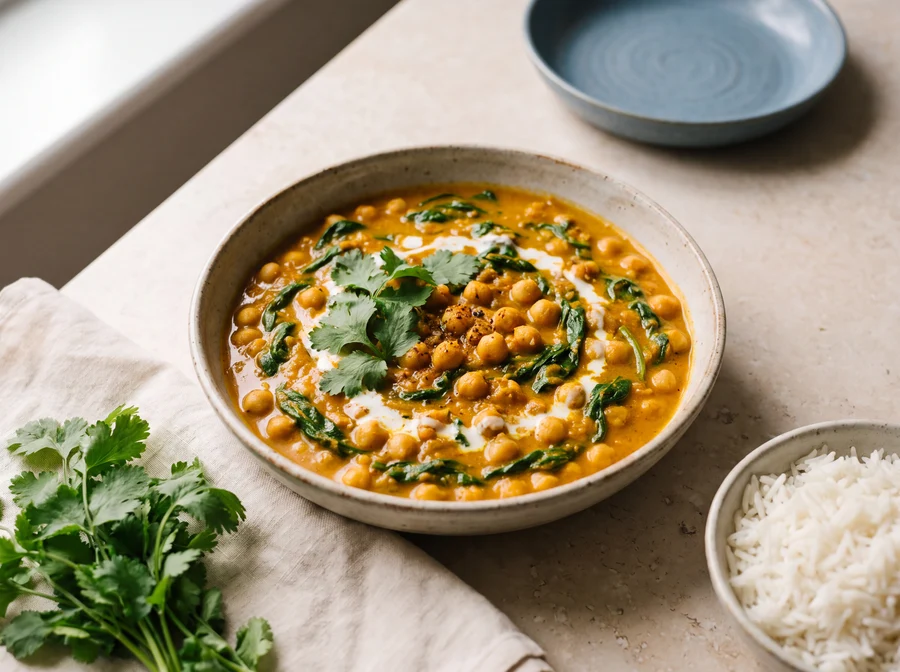
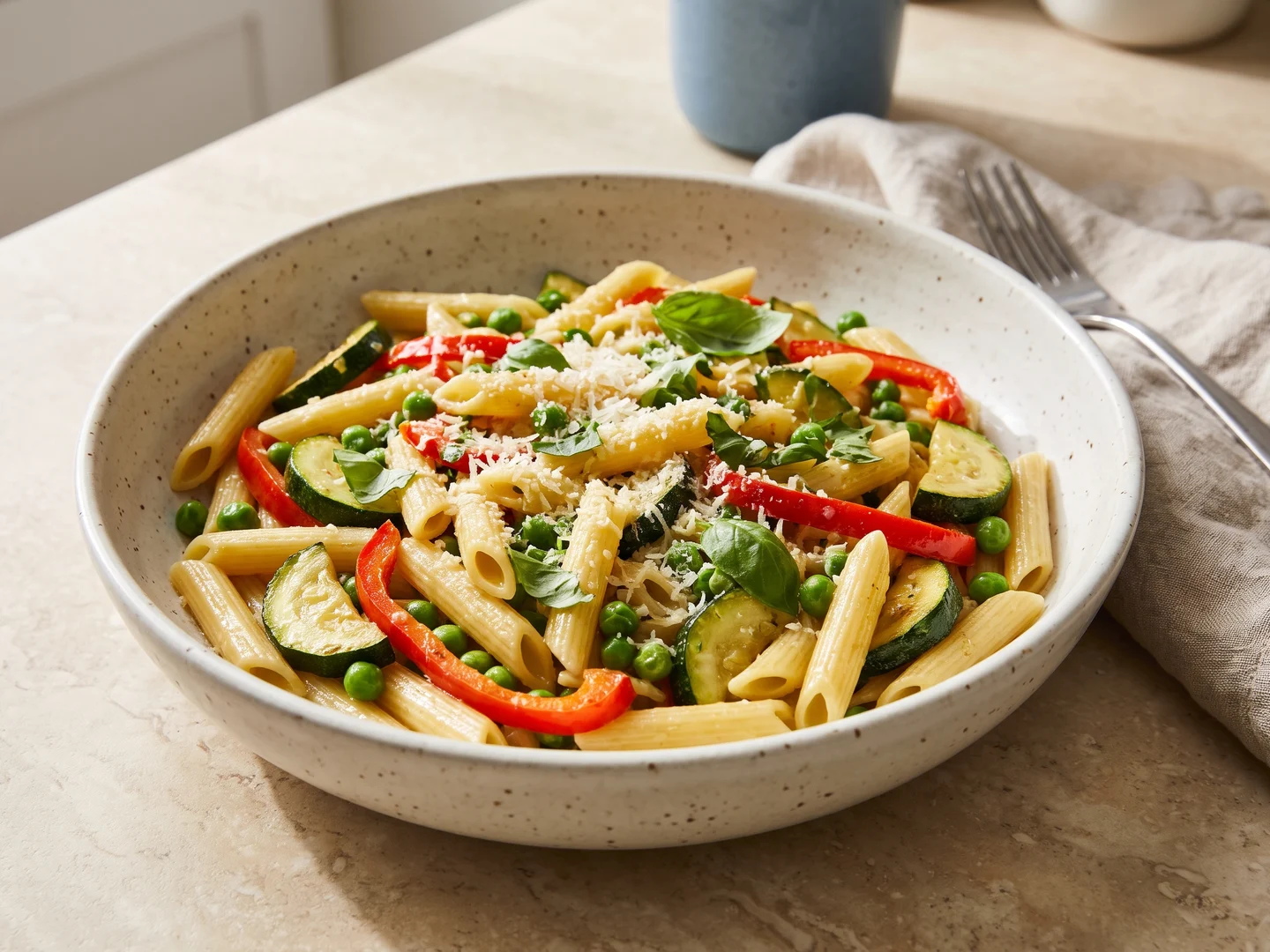
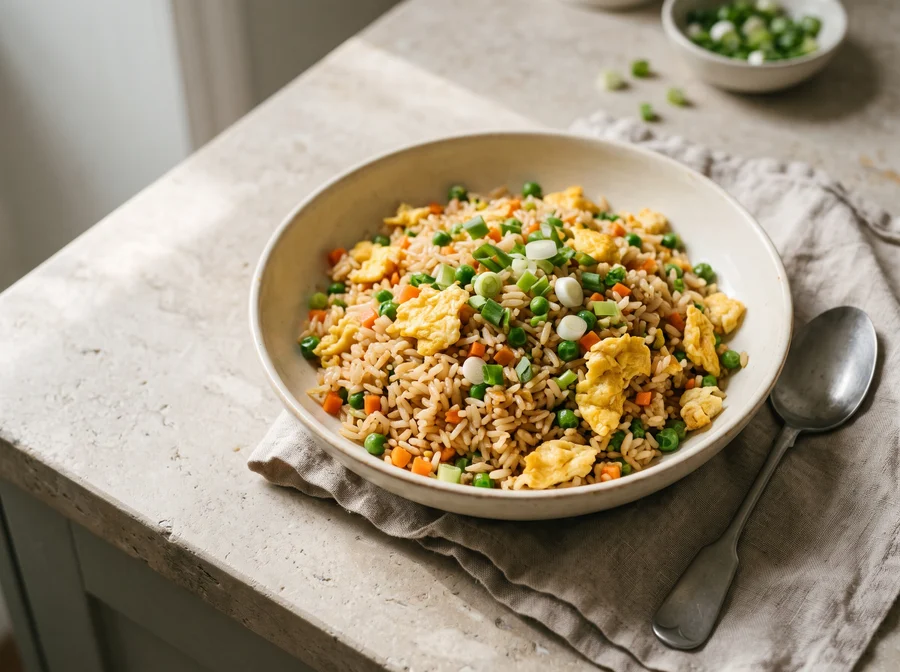
A chickpea curry can use part of the spinach. A tomato pasta can use canned tomatoes and the rest of the greens. A lemony rice bowl can use peas and a protein you already have or intentionally buy. The table is a planning sketch; use a complete recipe for quantities and cooking instructions.
| Dinner | Already have | Check or buy |
|---|---|---|
| Chickpea spinach curry | Chickpeas, rice, spinach | Coconut milk and spices |
| Tomato pasta | Pasta, canned tomatoes, spinach | Garlic; optional cheese |
| Rice bowl | Rice, peas, lemon | Chosen protein and sauce ingredients |
Subtract stock before you buy
Choose portions before calculating the list. If two dinners each need one onion and you have one usable onion, buy one more, not two. If a recipe needs 12 oz pasta and the cupboard contains roughly 4 oz, the missing amount is 8 oz. You may have to buy a larger package, but record what will remain so it has a future purpose.
Check hidden ingredients in sauces and garnishes. A recipe that seems to need only chicken may also require yogurt, herbs and a spice you do not own. Decide whether to buy them, use an appropriate substitute, or choose another dinner. Avoid turning a pantry meal into a long specialty shopping trip.
- Set the number of people for each meal.
- Add all recipe requirements before checking stock.
- Combine matching ingredients and units.
- Subtract what is available and safe to use.
- Give leftover package amounts a later meal.
Order the meals around freshness and effort
Put the more perishable ingredients earlier in the plan and rely on frozen or shelf-stable foods later. Do not assign a precise safe lifespan from appearance alone; use product instructions and relevant storage guidance. If you will not cook something in time, make an appropriate freezing plan while it is still safe.
Also consider equipment. A stir fry may suit a short evening better than a pot pie, while a soup may fit a night when you can let it simmer. Place a recipe you know well on the busiest day. If the plan repeatedly fails on Wednesday, change Wednesday’s dinner instead of blaming your motivation.
Sources: FoodSafety.gov: FoodKeeper
Make substitutions by job, not only by color
Ask what the missing ingredient does. Beans can provide substance in a bowl; lemon provides acidity; yogurt contributes a creamy sauce. Another food may fill that role, but different moisture, texture, allergens and cooking times still matter. Fresh spinach can often go into a soup near the end; dry beans cannot replace canned beans without a different cooking plan.
The Pantry can help turn available ingredients and preferences into a custom recipe, and its public recipes offer concrete starting points. Review the full ingredient list and method before starting. A useful prompt is specific: “Dinner for two, chickpeas and spinach, one pan, about 30 minutes.”
After dinner, record what remains and revise the next meal if needed. A meal plan is allowed to change. The success measure is whether the next cooking decision became easier and food you intended to use actually got eaten.
Common questions
Can I plan meals without recipes?
Yes, if you already know the cooking method. Use a flexible structure such as a grain bowl, soup or pasta, but check safe cooking instructions and quantities when a technique or ingredient is unfamiliar.
What if one ingredient is missing?
Check its role in the dish. Use a suitable substitution, buy the missing amount, or choose another meal. Do not substitute ingredients with different cooking requirements without adjusting the method.