Start with one shelf and your next three dinners
An inventory is a decision tool. It should help answer whether you have enough rice for dinner, which vegetables need attention, and what belongs on the shopping list. It does not need to describe every peppercorn in the kitchen. Start with ten to twenty foods you use regularly, plus anything you tend to buy twice or forget.
Open the cupboard rather than working from memory. Write the food name in language you would use while cooking: chickpeas, spaghetti, frozen peas. Keep a brand or flavor when it matters to a recipe or dietary requirement. Separate coconut milk from coconut beverage, for example, because a vague entry can create the wrong shopping decision.
EPA recommends checking the fridge, freezer and pantry before shopping and planning around food that needs using. The system below turns that habit into a small repeatable routine.
Sources: EPA: Preventing wasted food at home
Track the few details that change your decision
Use three locations: Pantry, Fridge and Freezer. Add a more precise note only when finding the item is genuinely difficult. An open bag of peas in a freezer drawer and an unopened bag behind it can be one entry if you can still understand how much is available.
Choose a quantity you can maintain. Count sealed cans and eggs. Weigh a baking ingredient when an exact amount matters. For everyday jars and bags, full, some and low may be enough. An honest approximate amount is more useful than a precise number that has not been updated in a month.
| Food | Location | Amount | Next action |
|---|---|---|---|
| Chickpeas | Pantry | 2 cans | One for curry, one spare |
| Spinach | Fridge | Half a bag | Use in the next dinner |
| Rice | Pantry | About 3 cups dry | Enough for planned bowls |
| Peas | Freezer | 1 opened bag | Check amount before shopping |
Attach updates to things you already do
There are two useful update moments: putting shopping away and finishing something. Review new purchases before adding them, then mark a package low or remove it when it is emptied. If someone else cooks, agree on one simple household rule such as adding empty items to the list before recycling the package.
You do not need to interrupt dinner to subtract a teaspoon of cumin. Use exact subtraction for foods where it prevents mistakes and a stock level for the rest. If a recipe uses half a bag, write half a bag remains. Avoid counting both the original bag and the new leftover container as separate full items.
- Check additions against what is already recorded.
- Move foods when they move into the freezer.
- Keep opened and cooked dates separate from a printed package date.
- Remove food that has been eaten or discarded.
Do a five-minute check before the shopping list
Set a short timer and look at the foods most likely to have changed: produce, opened dairy, leftovers, proteins and nearly empty staples. Compare those with the list. Correct the obvious mismatches, choose two ingredients to use next, then make the shopping list from the meals you intend to cook.
Suppose the list says two cans of chickpeas but the shelf has one. Correct it now rather than trying to reconstruct which lunch used the missing can. The goal is a reliable next decision. If one category is always wrong, simplify the quantity you track or give that category a predictable update moment.
After two weeks, ask whether the inventory helped you skip a duplicate purchase or find a dinner. That is a more useful personal test than the number of entries. Remove fields that take effort without improving those decisions.
Turn the inventory into something to cook
In The Pantry, reviewed food photos and receipts can help you add ingredients, and a use-soon marker can highlight foods you want to prioritize. Check those entries against the actual food. Neither a scan nor a stock reminder can establish that a food is safe to eat.
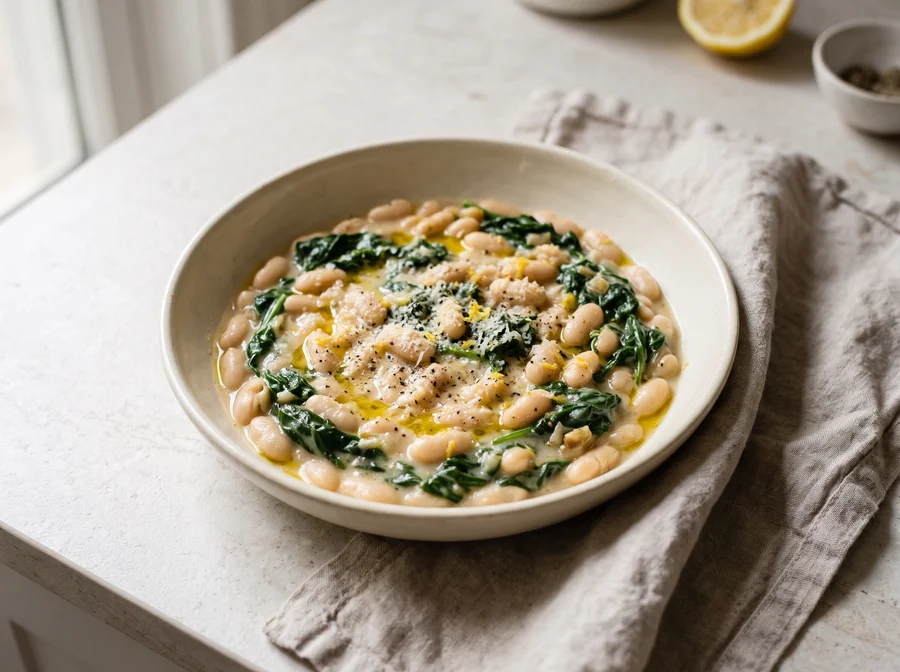
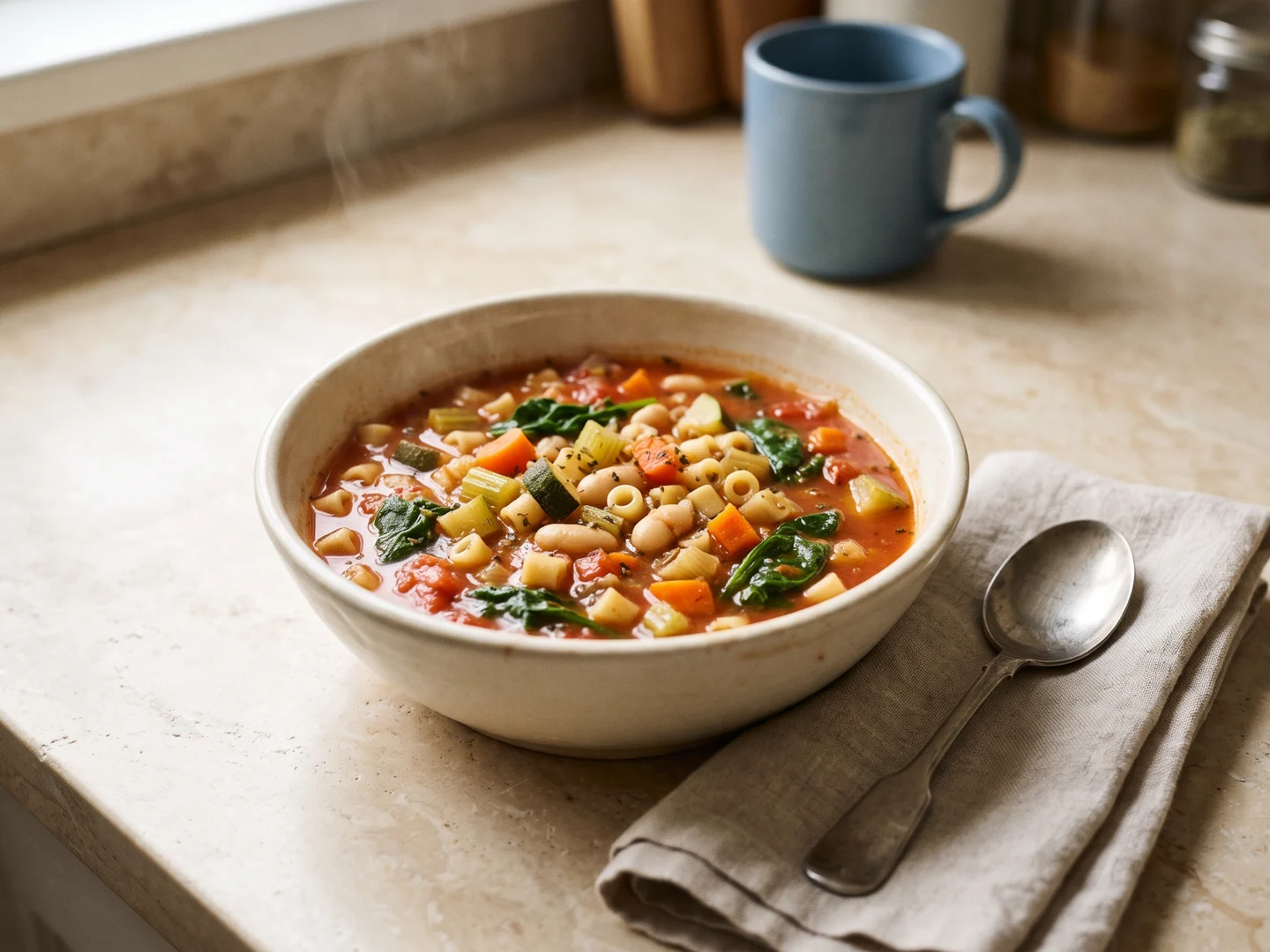
Try the system with coconut chickpea spinach curry or creamy white beans and spinach below. Both give a partly used bag of greens a specific job. If you are choosing an inventory tool, compare how easily you can correct an entry after shopping, not only how quickly you can create the first list.
Common questions
What should I track first?
Start with the ingredients for your next few dinners, foods that spoil before you use them, and staples you accidentally buy twice. Expand only when the first group stays accurate.
How often should I update my inventory?
Update purchases while putting them away and remove finished items when practical. Reconcile the high-change items before your main shopping trip; a full cupboard count rarely needs to happen every day.