Give the scanner a readable receipt
Flatten the receipt on a plain surface in good light. Include the store, date, all item lines and totals without cutting off the edges. Check the photo before submitting it: if you cannot distinguish a decimal point from a crease, the scanner may not be able to either. Avoid glare from direct flash and shadows from your hand.
For a long receipt, use the app’s supported capture method and confirm that overlapping sections have not produced duplicate lines. Keep the original until you have reviewed the result. Store abbreviations, faded thermal paper, coupons and wrapped descriptions are all reasons to treat extracted text as a draft.
Crop out unrelated personal details if they are not needed for the task. Before uploading a receipt, check the product’s privacy information and what it says about processing the image. A receipt can contain more than a list of groceries.
Translate checkout names into cooking ingredients
A checkout line such as ORG SPNCH is a clue, not a complete ingredient description. Review it as spinach, then add organic or a brand only if that detail is useful to you. Distinguish plain yogurt from sweetened yogurt, canned coconut milk from a drinking carton, and dry beans from cooked canned beans.
Remove household supplies from the food inventory. Check repeated lines: two identical cans could be two purchases, or a duplicate scan. For a multipack, decide whether you will track one package or its individual contents. Use the same convention when the food is consumed.
| Receipt text | Useful record | Review before adding |
|---|---|---|
| SPNCH 5OZ | Spinach, 5 oz bag | Is the bag unopened or partly used? |
| CHCK BRST 1.2LB | Chicken breast, 1.2 lb | Keep weight separate from price |
| 2 @ 1.25 TOMATO | 2 cans tomatoes, $2.50 line total | Confirm package size on the cans |
| PAPER TWL | Household supply | Exclude from food inventory |
Check what the quantity and price actually mean
A receipt may show one package without its edible weight. That does not tell you how many cups of rice or ounces of cheese are inside. Read the package when a recipe cost calculation needs that information. Keep an unknown size unknown rather than pretending every package is the same.
Review item discounts and whether the figure is a line total or unit price. If two cans together cost $2.50, the price of one is $1.25. Recording $2.50 for each would double the ingredient cost. Keep tax, delivery, tips and household products out of a food-only ingredient calculation unless you intentionally track them as separate spending.
The Pantry’s receipt pricing records reviewed line totals after item discounts. Meal cost calculations can use recorded prices when quantities are compatible; uncertain conversions still need review. A receipt improves the evidence behind a price, but does not make every later calculation exact.
A purchase is not the same as current stock
A receipt from last Saturday proves what was purchased then. By Wednesday, some of the milk may be gone and the chicken may be cooked or frozen. Do not import an old receipt as if every item were still unopened. Walk through the proposed additions while putting groceries away, or compare older purchases with the kitchen.
For example, a receipt shows a 16 oz box of pasta. You used 8 oz yesterday. The purchase record remains one 16 oz box at its paid price, while the pantry entry should say about 8 oz remains. Keeping these two facts separate lets you remember the price without overstating tonight’s ingredients.
Finish with a useful kitchen, not just a digital receipt
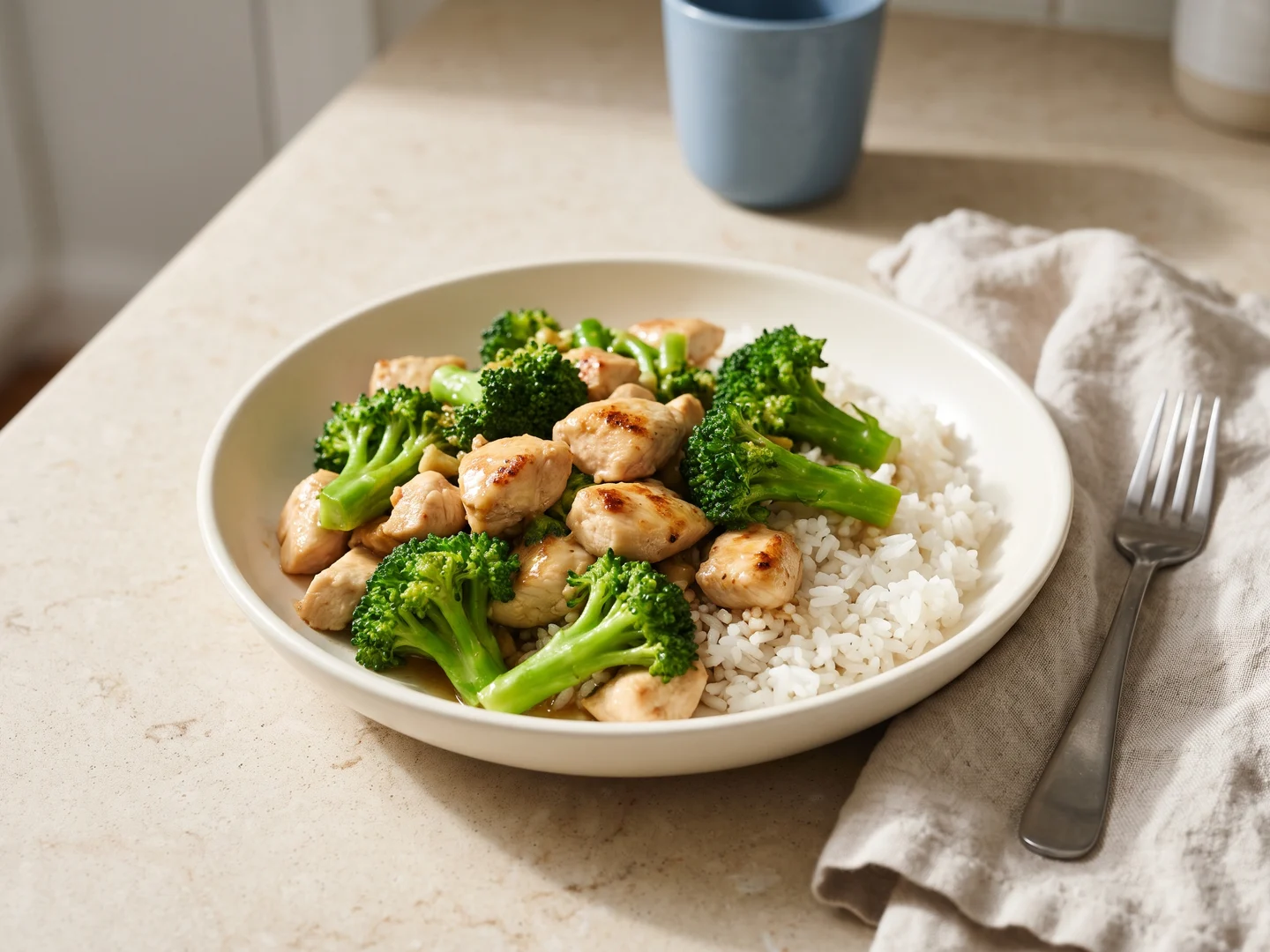
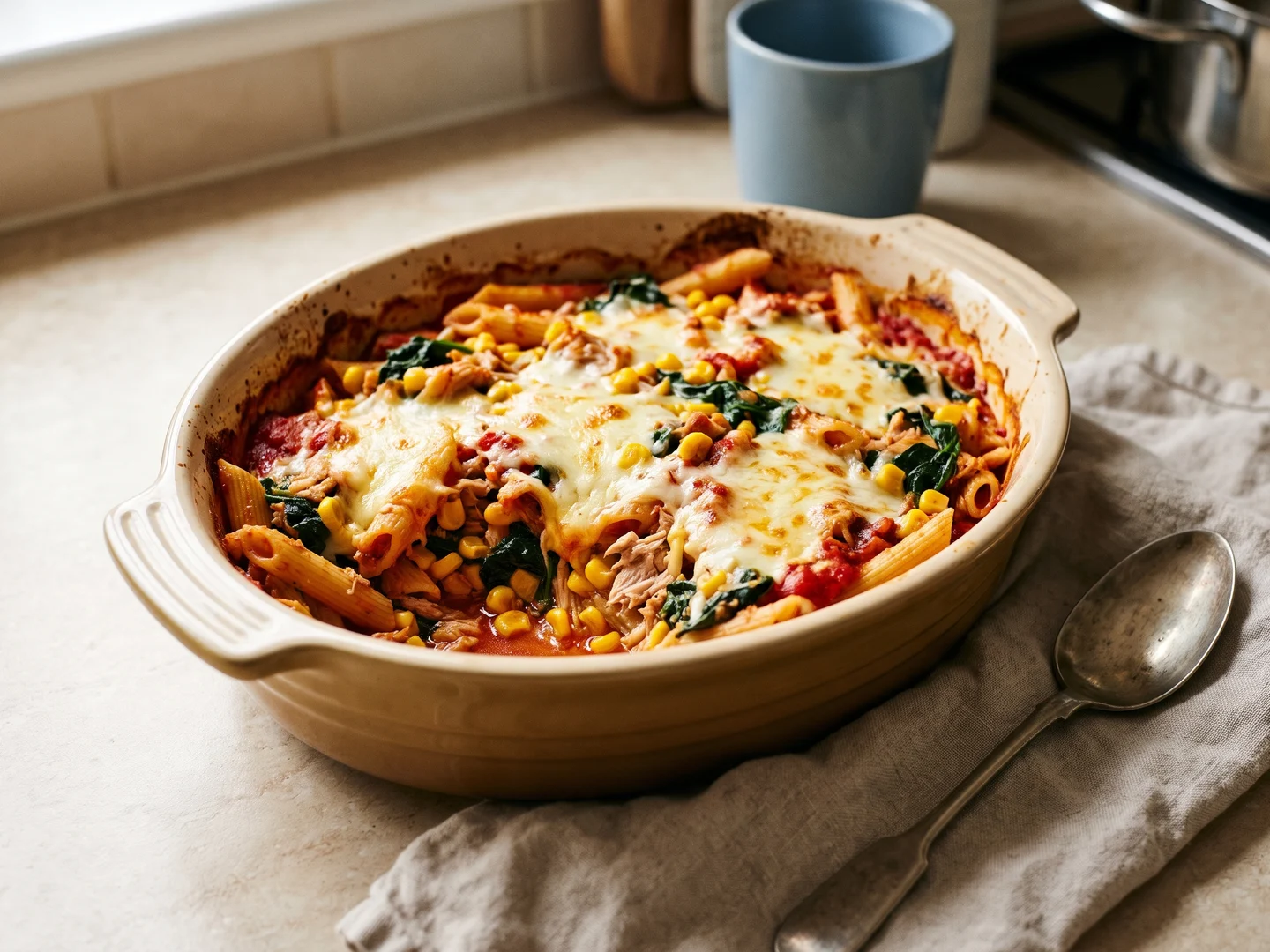
After reviewing, place each food in the correct location, mark what needs attention, and choose a next meal. Tomatoes and pasta could become a pasta bake; chicken and broccoli could become a stir fry. This last step connects scanning with cooking instead of creating another list to maintain.
If scanning saves less time than typing for a tiny purchase, type the two items. If it repeatedly misreads a particular store, use the photo as a reference and correct the record. The right workflow is the one you can keep accurate after the novelty wears off.
Common questions
Does scanning a receipt mean I still own the food?
No. It records a purchase at a point in time. Review what remains before adding an older receipt to your current pantry, and update inventory as ingredients are used.
How do I correct an item name?
Use the review step before confirming an item. Choose the ingredient name you cook with, then preserve package size, flavor or brand separately when those details matter.