Use the amount cooked, not the amount purchased
A grocery bill and a dinner cost answer different questions. Buying a $6 bottle of oil costs $6 at checkout, but a recipe using one tablespoon does not consume the whole bottle. Recipe costing allocates the purchase price to the amount used and leaves the remainder available for future meals.
The basic calculation is package price × amount used ÷ amount purchased. Use matching units on both sides: grams with grams, ounces with ounces, or a count of identical items. Then add the ingredient lines and divide by actual portions. Keep the unrounded values until the last step so repeated rounding does not inflate the total.
| Calculation | Example |
|---|---|
| Ingredient cost | Price × recipe quantity ÷ purchased quantity |
| Batch cost | Sum of the ingredient costs |
| Cost per portion | Batch cost ÷ portions actually made |
Work through a two-portion pasta dinner
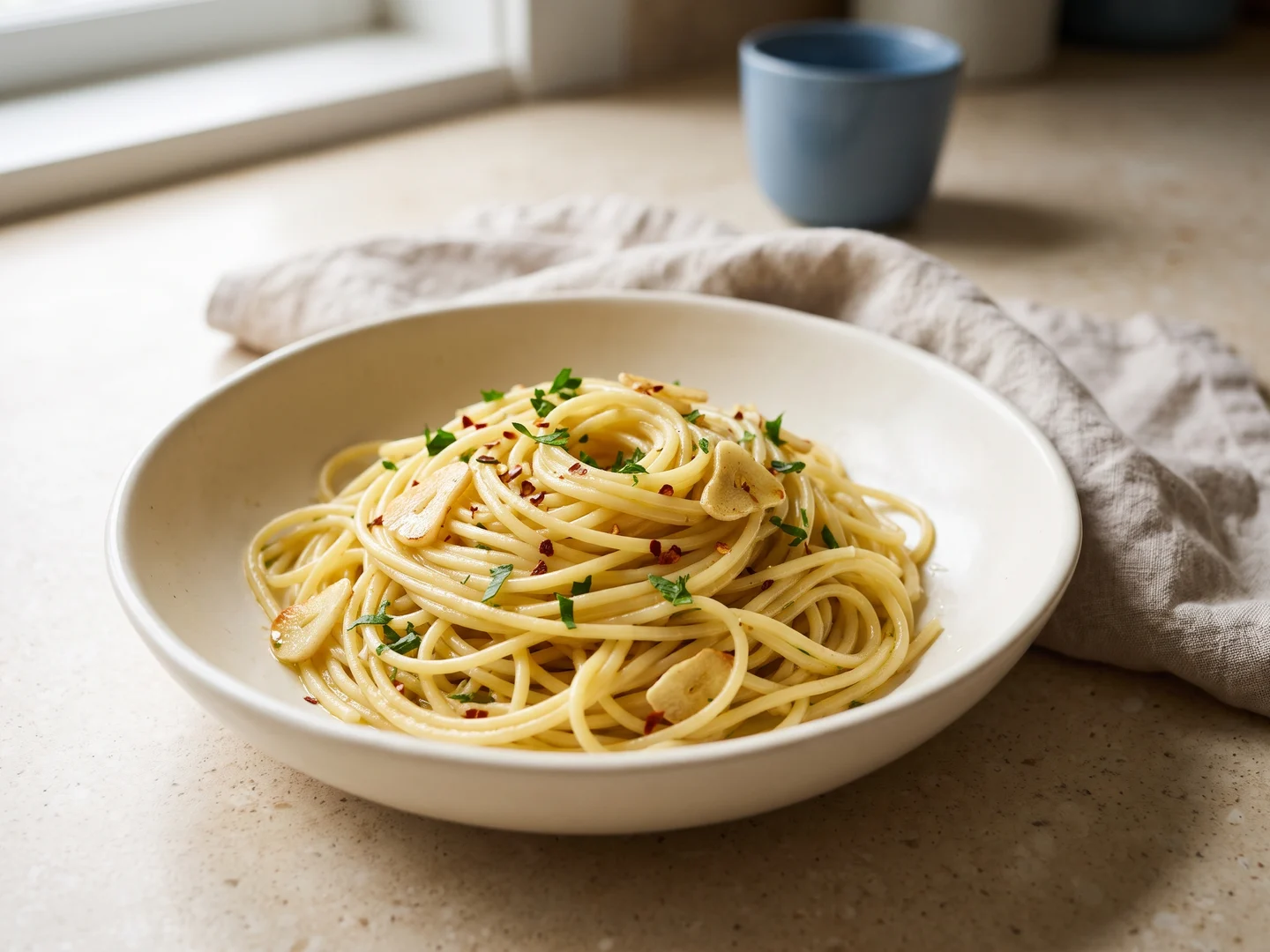
These are invented round numbers to demonstrate the method, not current store prices. Assume you bought 16 oz pasta for $2, a 28 oz can of tomatoes for $2.80, a 15 oz can of beans for $1.20, and a 16 tablespoon bottle of oil for $4. The dinner uses half the pasta, half the tomatoes, all the beans and one tablespoon of oil.
The ingredient total is $3.85, or $1.925 per portion when divided into two. Round the displayed result to $1.93. If salt, garlic or cheese are also used, include them before calling this the complete cost. An incomplete known-ingredient total is still useful, provided it is labeled honestly.
| Ingredient | Calculation | Used cost |
|---|---|---|
| Pasta | $2 × 8 ÷ 16 | $1.00 |
| Tomatoes | $2.80 × 14 ÷ 28 | $1.40 |
| Beans | $1.20 × 1 can ÷ 1 can | $1.20 |
| Oil | $4 × 1 tbsp ÷ 16 tbsp | $0.25 |
| Batch total | Two portions | $3.85 |
Match units before doing the math
Weight and volume are not interchangeable. A cup of flour does not weigh the same as a cup of oil, and fluid ounces are not weight ounces. For a package sold by weight and a recipe written in cups, use an ingredient-specific conversion or weigh the recipe amount. Record when a conversion is approximate.
Drained ingredients need particular care. If the recipe uses the whole drained can of beans, allocate the full can price even though the liquid is discarded. If it uses half the drained beans, allocate half the can price. Do not divide the drained amount by the label’s liquid-inclusive weight and assume the result describes the fraction used.
For produce bought as a bunch or bag, the useful denominator may be the edible yield. If a $2 bunch provides four usable portions, each portion costs $0.50. A single clove is not a whole bulb. When the package size cannot be established, show an estimate or leave the line unresolved.
Decide what a serving means for this meal
Divide by what the batch actually provides. A pot described as four servings might make three generous dinners in your household. The ingredients cost the same either way, but the dinner cost per person changes. If you eat two portions tonight and save two for lunch, the whole batch has four portions, not two.
Scaling a recipe from two to four people usually doubles ingredient cost in a simple model. It does not necessarily double cooking time, require double the salt in every situation, or let an overcrowded pan behave like the smaller batch. Review the method as well as the calculator.
Use the estimate for a clear decision
Compare recipes using the same assumptions: ingredient-only cost, the same currency, similar portion sizes and a comparable price date. Keep delivery charges, cookware and electricity in a separate household budget unless your purpose is a broader cost model. Cheap at the ingredient level does not mean cheap to buy from an empty cupboard.
The Pantry’s public recipes show estimated ingredient costs, and the app can use compatible reviewed receipt prices. Both still depend on quantities and coverage. Use the estimate to compare a bean dinner with a chicken dinner, then check the missing items before shopping. Your actual receipt is the evidence for what you paid.
Common questions
Do I count the whole jar of oil?
Only when the recipe uses the whole jar. Otherwise allocate its purchase price by the fraction used, using compatible volume units or a reliable ingredient-specific conversion.
What if one ingredient has no price?
Show the known subtotal and identify the missing ingredient, or add a clearly labeled estimate. Do not silently assign a zero cost and present the result as complete.