Two useful numbers, two different questions
“Can I afford this grocery trip?” is a cash question. “Which dinner uses fewer dollars of ingredients?” is a recipe question. Mixing them makes it hard to understand why a pantry dinner feels inexpensive while the shopping receipt still looks large.
A grocery budget adds purchases within a period. A meal cost follows ingredients into a particular batch. The first includes a whole bag of rice when you buy it; the second includes only the rice used in dinner. Neither number is wrong. They describe different points in the food’s journey.
Choose a consistent scope before tracking. You might count only groceries, or groceries plus takeout. Separate household supplies, delivery fees and restaurant meals if you want to compare food ingredients fairly. Write the choice down so a change in category does not look like a sudden saving.
Follow one pantry across two weeks
This example uses illustrative dollars, not measured results or current market prices. Assume the kitchen starts with $20 of usable food valued at its purchase cost. In week one, you buy $60 more, use $45 in meals and discard $5 of food. That leaves $30 of stock: $20 + $60 − $45 − $5.
In week two, you buy only $30, use $50 in meals and discard nothing in the example. You end with $10 of stock. The second week’s meals use more ingredient value even though the checkout spending is lower. The difference came from food bought earlier, not from ingredients becoming free.
| Measure | Week 1 | Week 2 |
|---|---|---|
| Food at start | $20 | $30 |
| Groceries purchased | $60 | $30 |
| Ingredients used in meals | $45 | $50 |
| Food discarded | $5 | $0 |
| Food remaining | $30 | $10 |
Use each number for the decision it can answer
Use the grocery budget to set the checkout limit and decide whether to buy a larger pack now. Use meal cost to compare two dinner ideas at a similar portion size. Use remaining stock to decide what should appear in next week’s meals. A low-cost recipe is only useful if it fits the cash you have available today.
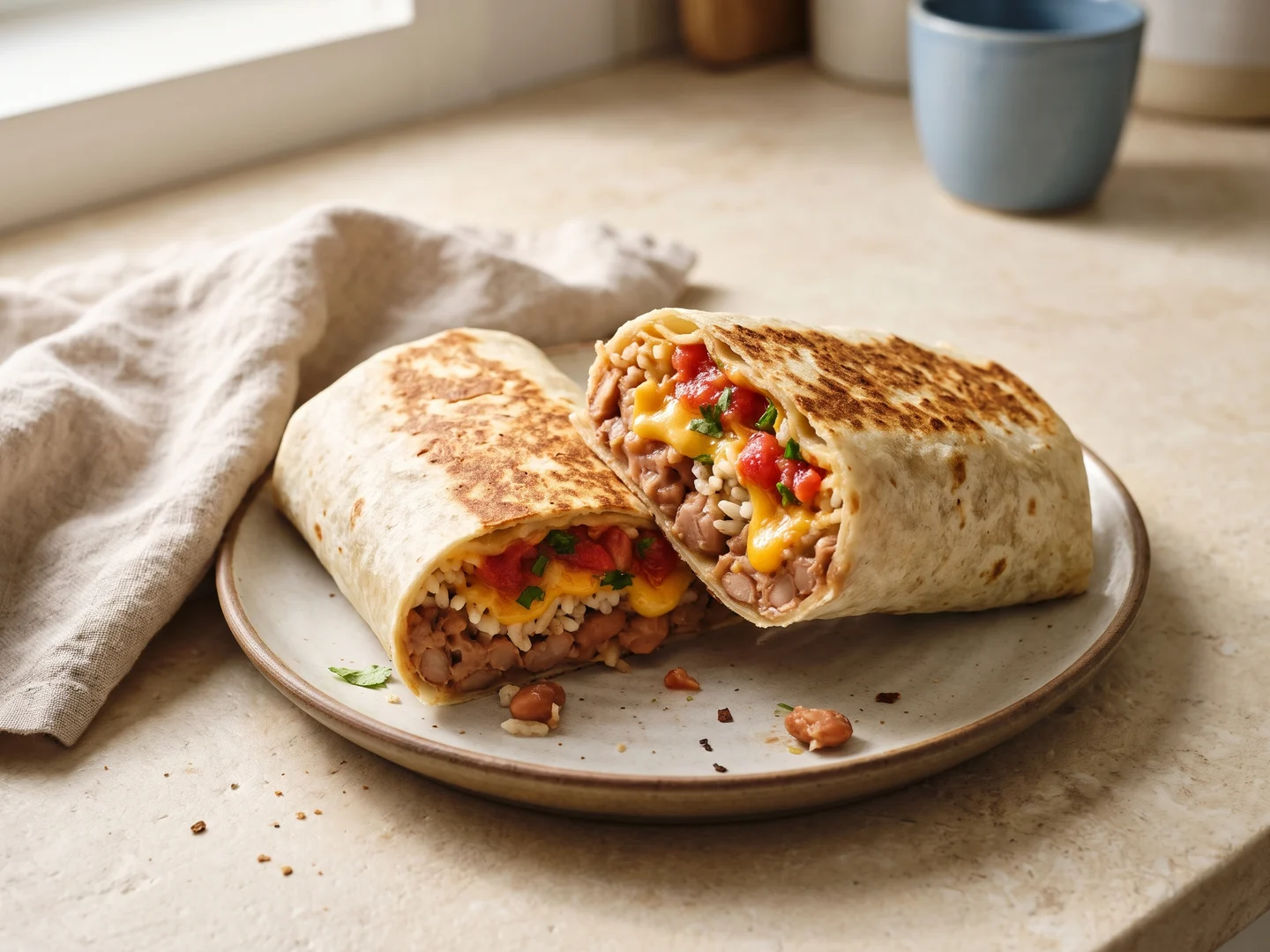
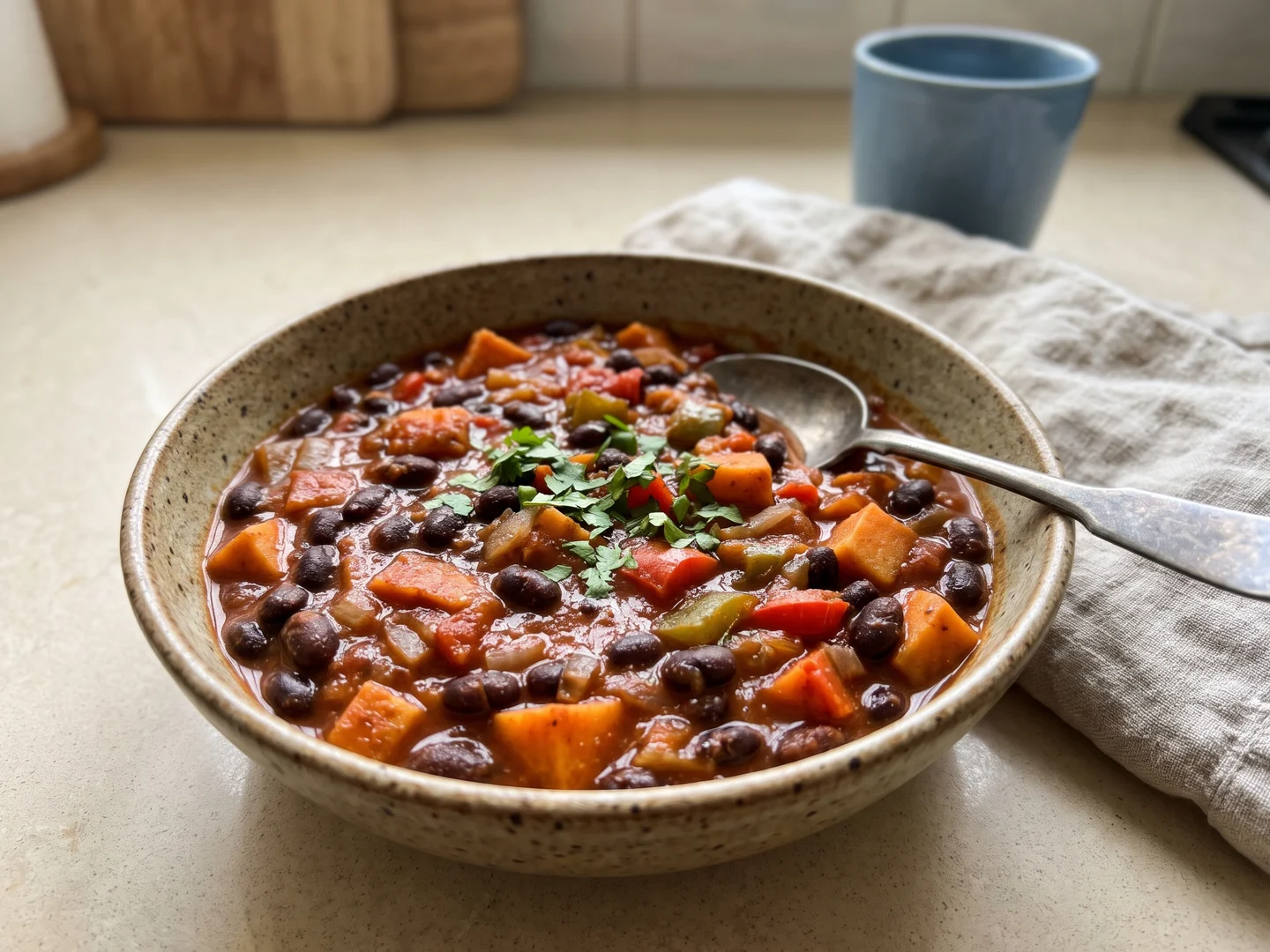
For example, a bean dinner may use only part of several inexpensive pantry packages, yet buying every package from scratch could exceed tonight’s cash limit. Another dinner using food already owned may require only one small purchase. Compare the additional shopping needed as well as the ingredient cost.
A bulk pack can reduce cost per ounce while raising the current grocery bill. It is only a practical advantage if you can store and use it appropriately. Do not record the entire package as a saving before accounting for what is actually used and what remains.
Avoid the common double counts
Do not add grocery purchases and meal costs together as if they were separate spending. The same food appears in both. Likewise, leftover portions are not a new grocery purchase. If a batch costs $12 and makes four equal portions, each carries $3 of ingredient cost whether eaten at dinner or packed for lunch.
Use the original purchase price for a simple household record rather than changing old stock every time store prices move. If you want a replacement-cost estimate instead, label that choice clearly. Mixing old receipt prices with new estimates without marking them creates a number that looks more precise than it is.
Start with a system you can maintain
You do not need to value every spice jar to make better decisions. Begin with weekly grocery spending, costs for a few repeat dinners, and a short list of food that keeps going unused. Review those together before the next shop. Look for a specific change, such as buying one bag of greens instead of two.
The Pantry can retain reviewed receipt prices and use compatible ingredient quantities in meal cost estimates. Public recipe prices are planning estimates, not your receipts. Keep that distinction when comparing a new recipe with a meal you have already cooked.
After several weeks, compare similar periods and account for guests, travel or stocking up. A single cheap week does not demonstrate a lasting reduction in spending. The useful outcome is knowing what changed and whether the routine still works for your household.
Common questions
Can a cheap dinner require an expensive grocery trip?
Yes. The recipe may use small fractions of several packages you do not own. Compare ingredient cost with the additional cash needed to buy those packages before choosing the meal.
How do pantry leftovers affect cost?
They retain the cost allocated from their ingredients. Using them can reduce new shopping, but they were not free. Keep prepared leftovers separate from unused raw ingredients to avoid counting the same food twice.