What al dente means, and why it matters
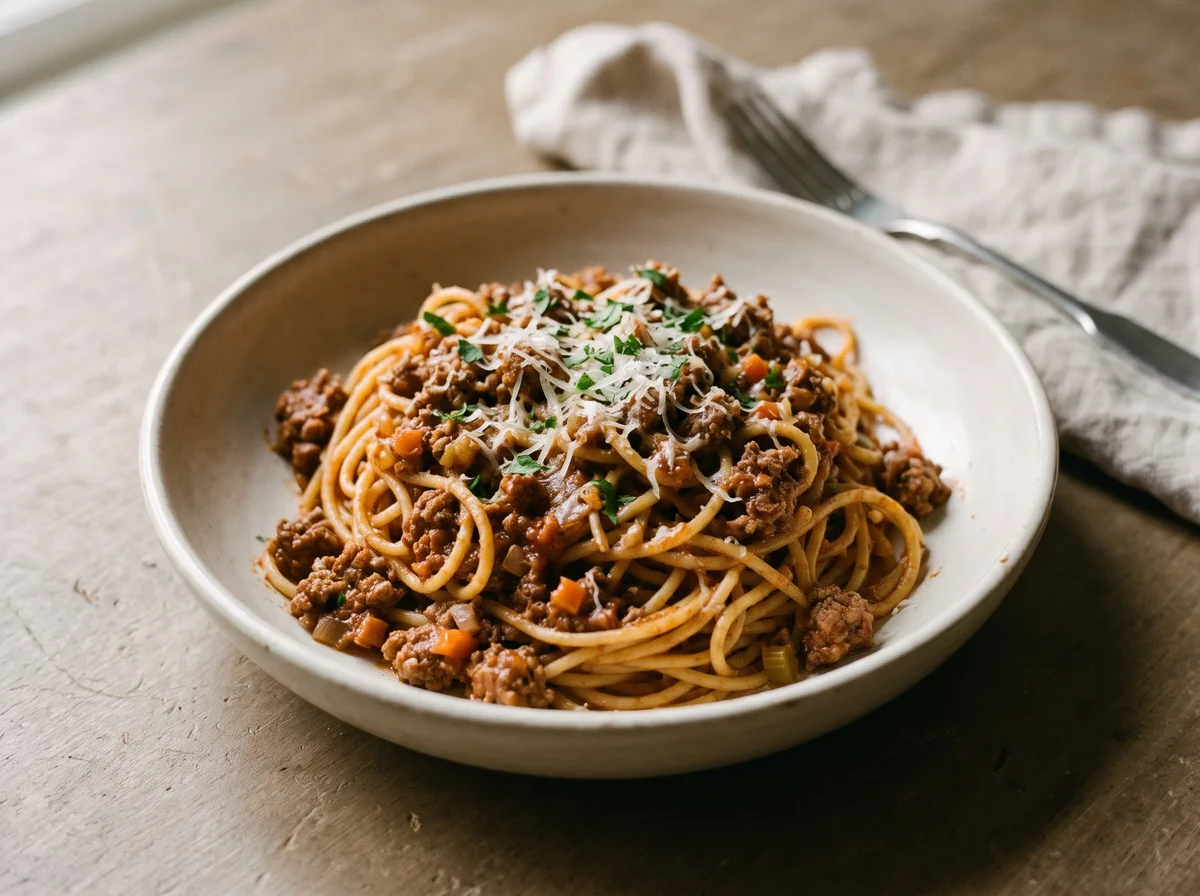
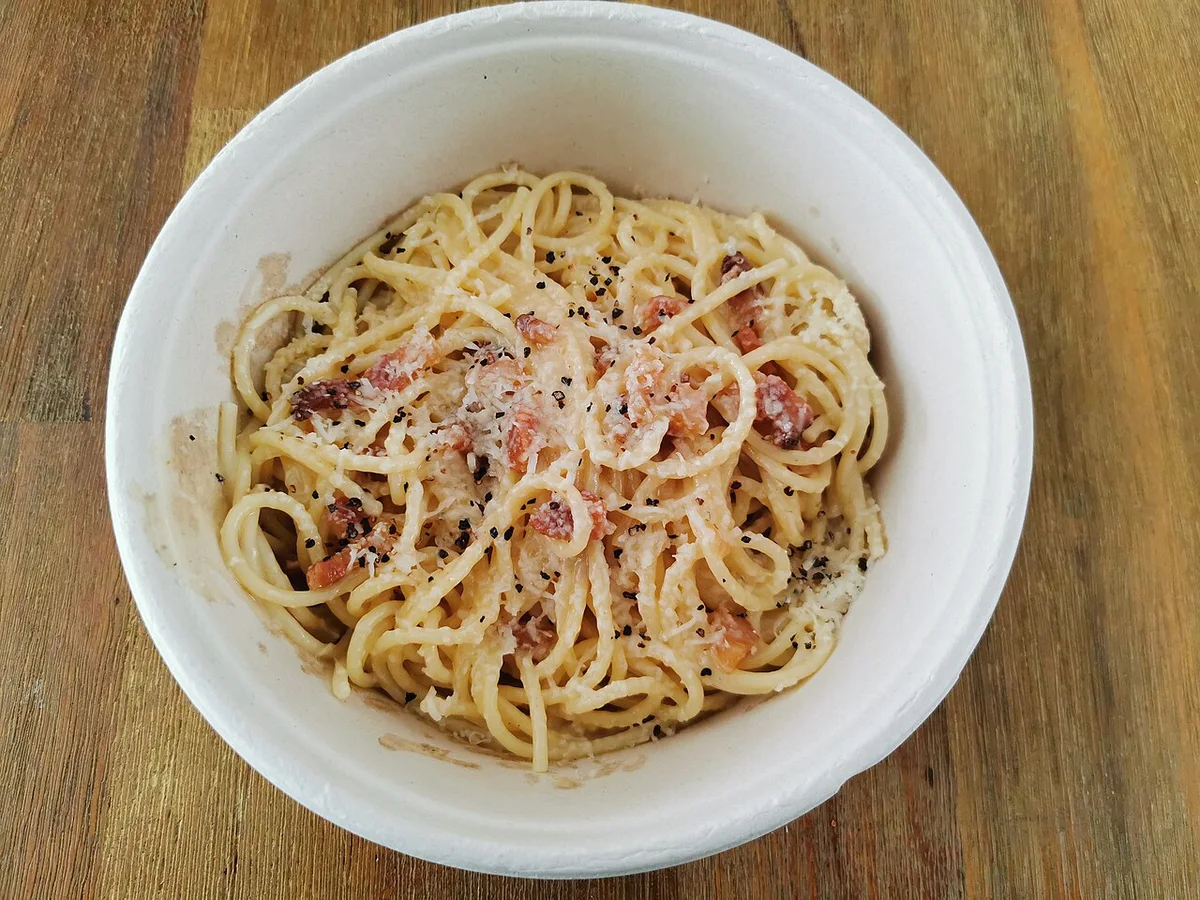
Al dente means "to the tooth." The pasta should be cooked through, but it should still have a little resistance when you bite it. It should not taste raw, chalky, or hard in the center, and it should not be soft enough to fall apart.
Timing matters because pasta keeps cooking after you drain it. Heat from the pot, the colander, and the sauce can push it from perfect to overdone very quickly. If the pasta will sit in sauce or go into a baked dish, pull it a little firmer than your final target.
Set up the pot the right way
Use a large pot so the pasta can move freely. For 1 pound of dried pasta, 4 to 6 quarts of water is a practical range. Bring the water to a full rolling boil before adding the pasta.
Salt the water so it tastes pleasantly seasoned, not bland. A good starting point is 1 to 2 tablespoons kosher salt for that amount of water. Add the pasta all at once, stir immediately, and let the water come back to a boil before you start timing.
| Pasta type | When to start tasting | Texture cue |
|---|---|---|
| Dry spaghetti, linguine, penne, rigatoni | About 2 minutes before package time | Bite should be firm but cooked through |
| Fresh pasta | After 1 minute | Tender and supple, with very little chew left |
| Whole wheat pasta | 2 minutes before package time, sometimes sooner | Firmer chew, but no raw center |
| Gluten-free pasta | Earlier than you expect, then every 30 seconds | Texture changes quickly from firm to mushy |
Taste early, then taste often
Package times are only a starting point. Begin tasting when the pasta still seems a little underdone, usually about 2 minutes before the printed time. Near the end, taste every 30 to 60 seconds. One test bite tells you more than the clock does.
To check properly, lift out a piece, let it cool for a few seconds, then bite through the thickest part. You want a center that is cooked through but still slightly firm. If you see a pale core or feel a dry, hard center, give it a short simmer and test again.
- Keep the boil lively so the pasta cooks evenly.
- For thicker shapes, split one piece in half if you are unsure.
- If the pasta will finish in sauce, drain it when it is just shy of perfect.
Finish the pasta in the sauce
Drain the pasta quickly, but reserve some of the cooking water first. The starch in that water helps loosen sauce and helps it cling to the pasta instead of sliding off.
For a stovetop sauce, transfer the pasta straight into the pan and toss over medium heat for 1 to 2 minutes. Add pasta water a splash at a time until the sauce looks glossy and coats the noodles. This final step is especially helpful for tomato, cream, and olive oil sauces.
- Do not rinse hot pasta for a sauced dish. Rinsing removes starch and cools it down too much.
- If the sauce is too thick, loosen it with pasta water before adding the pasta.
- Use tongs for long pasta so you can move it directly from pot to pan.
Common mistakes and how to fix them
Most pasta problems come from rushed timing or ignoring texture. If the first bite is too soft, the pasta stayed in the pot too long or sat too long after draining. If it is still hard in the middle, it needed more time or a stronger boil.
Many small mistakes are fixable while the pasta is still warm. A few tablespoons of pasta water and another minute in the sauce can rescue noodles that are only slightly underdone. Overcooked pasta is harder to save, so it is better to err on the firm side.
- Too soft: drain sooner next time and taste earlier.
- Sticky clumps: use a bigger pot and stir right after adding the pasta.
- Bland pasta: salt the water before cooking, not after draining.
- Dry pasta after draining: toss with sauce immediately, not with oil alone.
- Overcooked edges with a hard center: the pot was crowded or the boil was too weak.
Variations, storage, and reheating
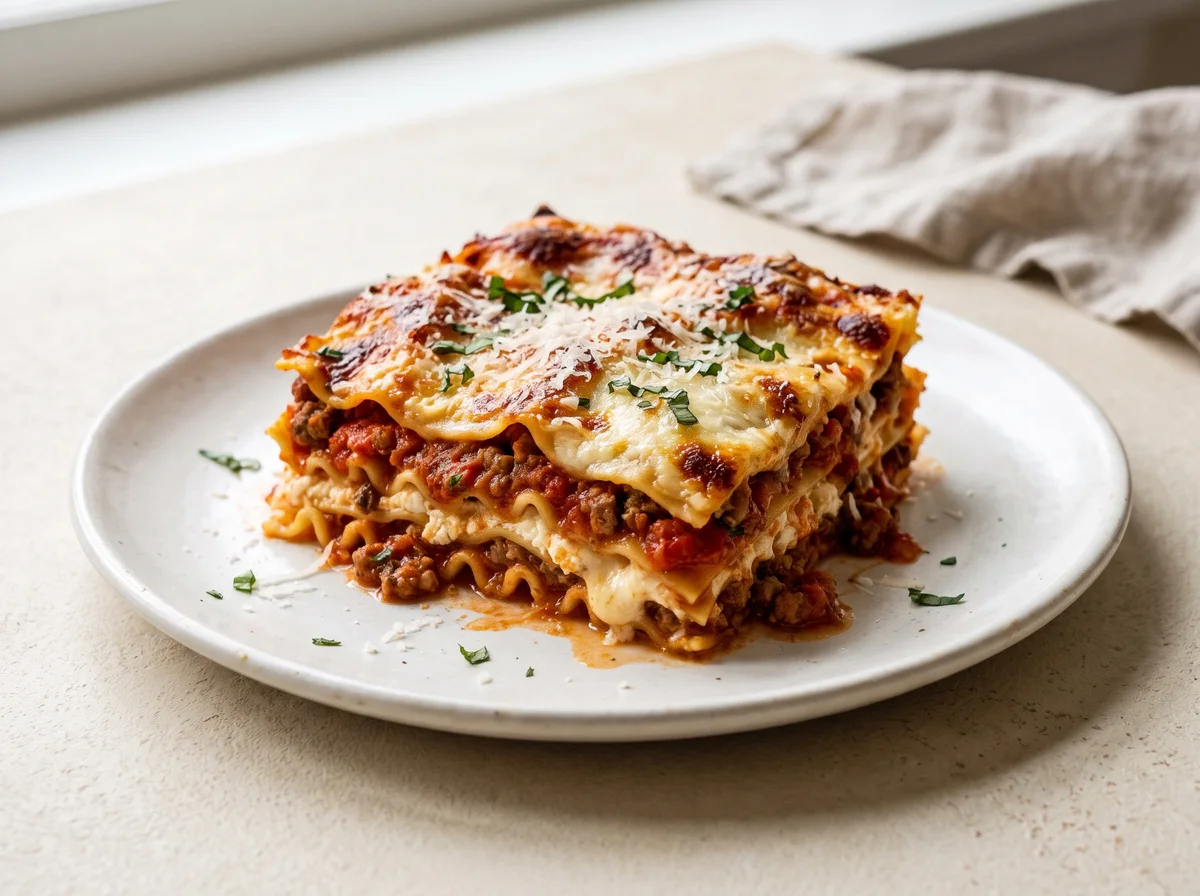
Fresh pasta cooks in just a few minutes. Whole wheat and gluten-free pasta can change texture quickly, so taste earlier than you think. For baked dishes, stop cooking a little before you want the final bite so the oven can finish the job without turning the pasta mushy.
If you have leftovers, cool them promptly and refrigerate within 2 hours, or within 1 hour if the room is above 90 F. Do not leave pasta cooling on the counter for long. Store it covered in the fridge at 40 F or below, use it within 3 to 4 days, and reheat it once to 165 F. Reheating cannot fix food that sat in the danger zone too long.
Common questions
Should I rinse pasta after draining?
For a hot sauced dish, usually not. Surface starch helps the sauce cling. Follow a specific recipe if you are preparing a cold pasta salad or another dish that calls for rinsing.
Does fresh pasta need the same cooking time as dried pasta?
No. Fresh pasta often cooks much faster, and thickness or a filling changes the timing. Follow its package or recipe instructions and check doneness rather than using the timing for dried spaghetti.