Start with the yield, not the math
Before you multiply anything, read the full recipe and decide what you are actually changing. A recipe that serves 4 may need to serve 6, but the important part is the factor, such as 1.5x or 2x. Write that number at the top so every ingredient is scaled the same way.
Look for steps that do not grow in a straight line. Browning meat, sauteing onions, baking time, chilling, and resting often change when you make a larger batch. Also note the pan size. A doubled cake batter in the wrong pan can spill, while a doubled soup in a too-small pot can simmer unevenly.
- Use the recipe yield as your starting point.
- Mark ingredients that are flexible, such as salt and spices.
- Flag ingredients that need care, such as eggs, baking powder, and yeast.
- If the recipe uses cups, consider whether a weight is available.
Multiply ingredients by category
The easiest way to avoid errors is to scale ingredients in groups. Multiply the main ingredients first, then move to seasonings, then finish with small items like herbs, citrus, and leaveners. When a recipe is written in grams, the math is cleaner and the result is usually more consistent than using volume alone.
Flour is a good example. A cup is not a universal weight, so a recipe should tell you which measure to trust. If your recipe uses cups, use the recipe's own reference if it gives one. King Arthur lists 120 g per cup as a common baking reference, but that is not a universal rule for every flour or recipe.
| Ingredient group | How to scale | Watch for |
|---|---|---|
| Flour, rice, oats, cheese | Multiply exactly, ideally by weight | Volume can drift if packed differently |
| Salt, sugar, spices | Multiply, then taste or smell before finishing | Heat and aroma can dominate after scaling |
| Baking powder, baking soda, yeast | Scale carefully and measure precisely | Too much can change texture or rise |
| Eggs | Multiply, then beat and measure if you need fractions | Half eggs are best handled by weight or whisking |
| Liquids and oils | Multiply exactly, then adjust by texture | A larger batch may need a splash more to loosen a thick dough or sauce |
Adjust the equipment, not just the quantities
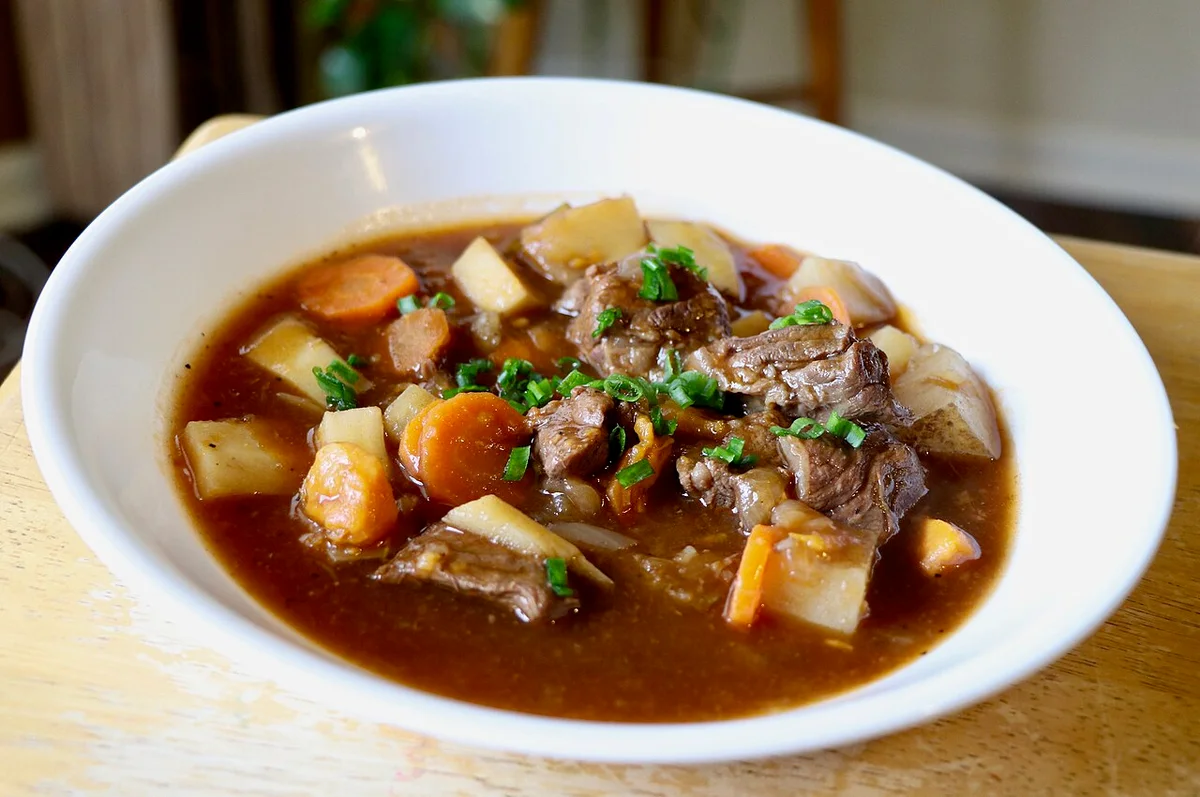
A scaled recipe behaves differently in the pan. More batter or sauce needs more surface area or a larger vessel, not just more time. For a soup or stew, move from a saucepan to a Dutch oven or stockpot so the liquid can circulate. For baked goods, split batter between two pans rather than forcing it into one overfilled pan.
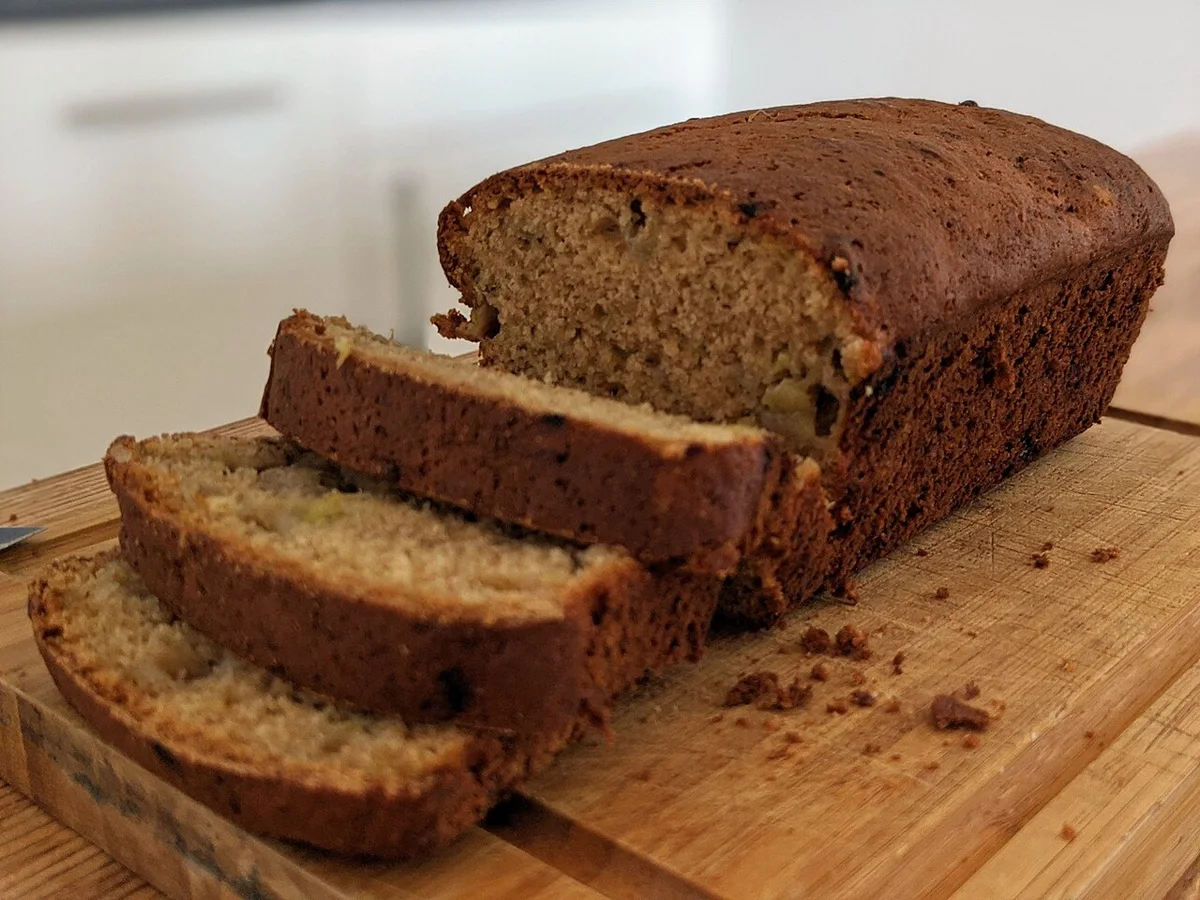
Keep the oven temperature the same unless the recipe says otherwise. What changes is the bake time. Start checking about 10 minutes before the original finish time, then watch for visual cues. Cakes should spring back lightly in the center, casseroles should bubble around the edges, and roasted foods should have clear browning without drying out.
- If a skillet is crowded, cook in batches.
- If sauce is doubling, use a wider pot so it reduces at the same pace.
- If you are roasting more vegetables, spread them in a single layer and rotate pans halfway through.
- If the center is still loose, give the dish 5 to 15 more minutes and check again.
Treat tricky ingredients separately
Some ingredients need more than simple multiplication. Salt, chili, garlic, lemon, vinegar, and other strong flavors often need to be increased in stages. Start with about three-quarters of the scaled amount, then finish at the end. That keeps the food from becoming sharp or oversalted as it reduces.
In baking, leaveners and eggs deserve special care. Do not guess on baking powder or baking soda, because small changes can affect rise and crumb. If you need half an egg, beat the egg in a bowl and weigh or measure the portion you need. And do not taste raw flour mixtures; wait until the dough or batter is cooked.
If the recipe includes dried beans, use safe cooking guidance for the type of bean. Dry red and white kidney beans, including cannellini, need at least 5 hours of soaking, the soak water should be discarded, and the beans should be boiled in fresh water for at least 30 minutes before simmering until tender. Do not rely on a slow cooker alone for those beans. Other dried beans should be cooked fully until tender according to the recipe.
For rice dishes, cool cooked rice promptly, ideally within 1 hour, spread it out so it cools fast, and refrigerate it at 40 F or below. Reheat rice only once to 165 F. Refrigeration cannot undo time abuse from leaving rice out too long.
- Season in stages for spices, citrus, and vinegar.
- Measure leaveners precisely, especially in baked goods.
- Handle half eggs by weight or by whisking the whole egg first.
- Follow safe bean guidance for kidney beans and cannellini, and cook all other dried beans fully.
- Cool rice quickly, refrigerate promptly, and reheat once to 165 F.
Scale safely, then store the extra correctly
Big batches make food safety more important, not less. Perishable food should go into the refrigerator within 2 hours, or within 1 hour if the room is above 90 F. Keep the fridge at 40 F or below. Divide large pots into shallow containers so the food cools faster, and never let food finish cooling on the counter.
Use a thermometer for scaled meat and fish. Chicken should reach 165 F. Ground meat should reach 160 F. Whole cuts of meat should reach 145 F and rest for 3 minutes. Fish should reach 145 F, and egg dishes should reach 160 F. Leftovers should also be reheated to 165 F. Most refrigerated leftovers keep 3 to 4 days.
Do not store garlic-in-oil mixtures at room temperature, and do not use homemade canning as a casual scaling workaround. If you make a vinaigrette with fresh garlic, refrigerate it and use it within 3 to 4 days. For cutting boards, clean with soap and water first, then sanitize separately if needed; do not mix cleaning chemicals. If you are unsure about bleach dilution, use another approved sanitizer or skip the bleach step. Cast iron can be washed with a little soap, dried well, lightly oiled, and never left to soak.
| Food | Target temperature | Note |
|---|---|---|
| Poultry | 165 F | Check the thickest part |
| Ground meat | 160 F | Use a thermometer, not color |
| Whole cuts of meat | 145 F plus 3 minutes rest | Let it rest before slicing |
| Fish | 145 F | Look for opaque flesh that flakes |
| Egg dishes | 160 F | Use for custards, quiches, and similar dishes |
| Leftovers | 165 F | Reheat evenly before serving |
Sources: FoodSafety.gov: Four steps to food safetyFoodSafety.gov: Safe minimum internal temperaturesFoodSafety.gov: Cold storage chartFDA: Natural toxins in foodUK Home Food Fact Checker: Rice
Use a repeatable workflow every time
A reliable way to scale is to work in this order: decide the factor, rewrite the ingredient list, choose the right pan or pot, then cook by temperature and visual cue. For example, if a recipe serves 4 and you need 10, multiply by 2.5. A 2-cup broth becomes 5 cups, 1 tablespoon becomes 2 1/2 tablespoons, and 3 teaspoons become 7 1/2 teaspoons. If the result is awkward, round, then adjust at the end.
For sauces, soups, and stews, simmer and reduce as needed after scaling, because a larger volume can dilute seasoning. For baked foods, test doneness with the original timing in mind, then add time in small steps. If the recipe has a strong balance of sweet, sour, or salty flavors, stop just short of the final seasoning and finish after cooking so you do not overshoot.
Common questions
Can I just double every ingredient?
Often, yes, but not always. Core ingredients usually scale cleanly, while salt, spices, leaveners, and eggs may need more careful handling. Scale the recipe first, then adjust seasoning and texture at the end.
Should I change the oven temperature when I scale a recipe?
Usually keep the same oven temperature. A larger batch usually needs more time, not a hotter oven. Check early, then add time in short intervals and use visual cues or a thermometer.
What is the safest way to scale a recipe with meat, rice, beans, or leftovers?
Use a thermometer and cool food quickly. Follow the target temperatures for poultry, ground meat, fish, egg dishes, and leftovers, refrigerate perishable food within 2 hours, cool rice promptly and reheat it once to 165 F, and cook dried beans according to safe bean guidance.