Make the next choice easier to see
A use-first area is a visual reminder. It brings the half-used vegetables, opened packages and properly stored leftovers you intend to eat next into view. It is not a place to rescue food of uncertain safety or a reason to keep something longer than its instructions allow.
Choose a small area you naturally notice when opening the fridge. A clear washable tray can help group appropriate items, but do not crowd the fridge or block airflow. Keep labels facing forward. If a whole shelf is impractical, use one labeled container and a short note for items that must stay elsewhere.
Choose foods by condition, storage history and a plan
Good candidates include a known, properly stored leftover you intend to eat soon, half a lemon, an opened bag of greens within its storage instructions, or a small amount of cooked vegetables. Include the item only after checking its label and storage history. If you do not know when a perishable leftover was made, a new label does not solve that uncertainty.
Store raw meat, poultry and seafood in leakproof packaging or containers, separated from ready-to-eat foods. Do not move a leaking raw chicken package next to a salad just to make both visible. Put a note on the use-first tray pointing to the properly stored raw ingredient instead.
Label the event, not just a date
A piece of tape reading “Monday” becomes ambiguous quickly. Write the food, the event and the date: “Tomato soup, cooked Oct 24” or “Yogurt, opened Oct 24.” Keep the manufacturer’s instructions available. A printed best-before date and a cooked-on date answer different questions and should not overwrite each other.
Add the next intended use when it helps: “Soup for lunch” or “Spinach for Tuesday curry.” This turns a reminder into a small commitment. It also tells another household member that the food has a purpose without needing a full meal-planning meeting.
| Food | Helpful label | Next action |
|---|---|---|
| Cooked tomato soup | Cooked date, known storage history | Lunch soon or freeze appropriately |
| Half a lemon | Cut date | Finish a sauce or dress vegetables |
| Opened spinach | Opened date and package instructions | Add to a planned curry |
| Raw chicken stored separately | Location and package instructions | Cook within guidance or freeze safely |
Keep the reminder separate from food-safety decisions
For U.S. home kitchens, FoodSafety.gov advises a refrigerator at 40°F / 4°C or below. Check it with an appliance thermometer. Refrigerate perishables within two hours, or one hour when exposed to temperatures above 90°F / 32°C. Use shallow containers for prompt cooling rather than leaving a large pot out until it feels cool.
The federal cold-storage chart gives three to four refrigerated days for many cooked leftovers, including soups and cooked meat or poultry, when they have been handled safely. The appropriate period depends on the food. Follow specific product instructions and local guidance, which can differ. A shelf, app reminder, smell or photograph cannot verify safety.
Sources: FoodSafety.gov: Four steps to food safetyFoodSafety.gov: Cold food storage chart
Give the area a small daily job
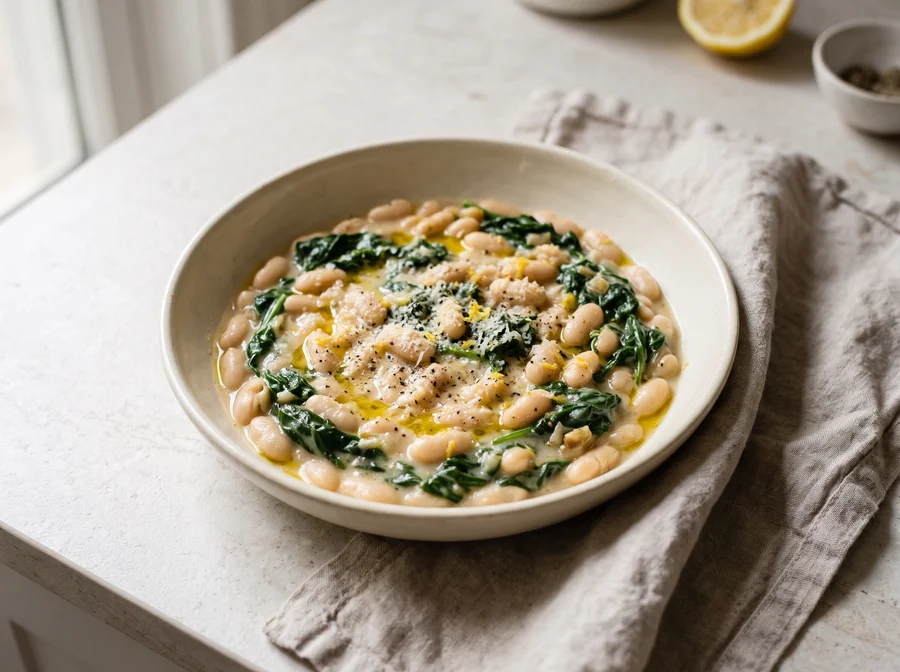
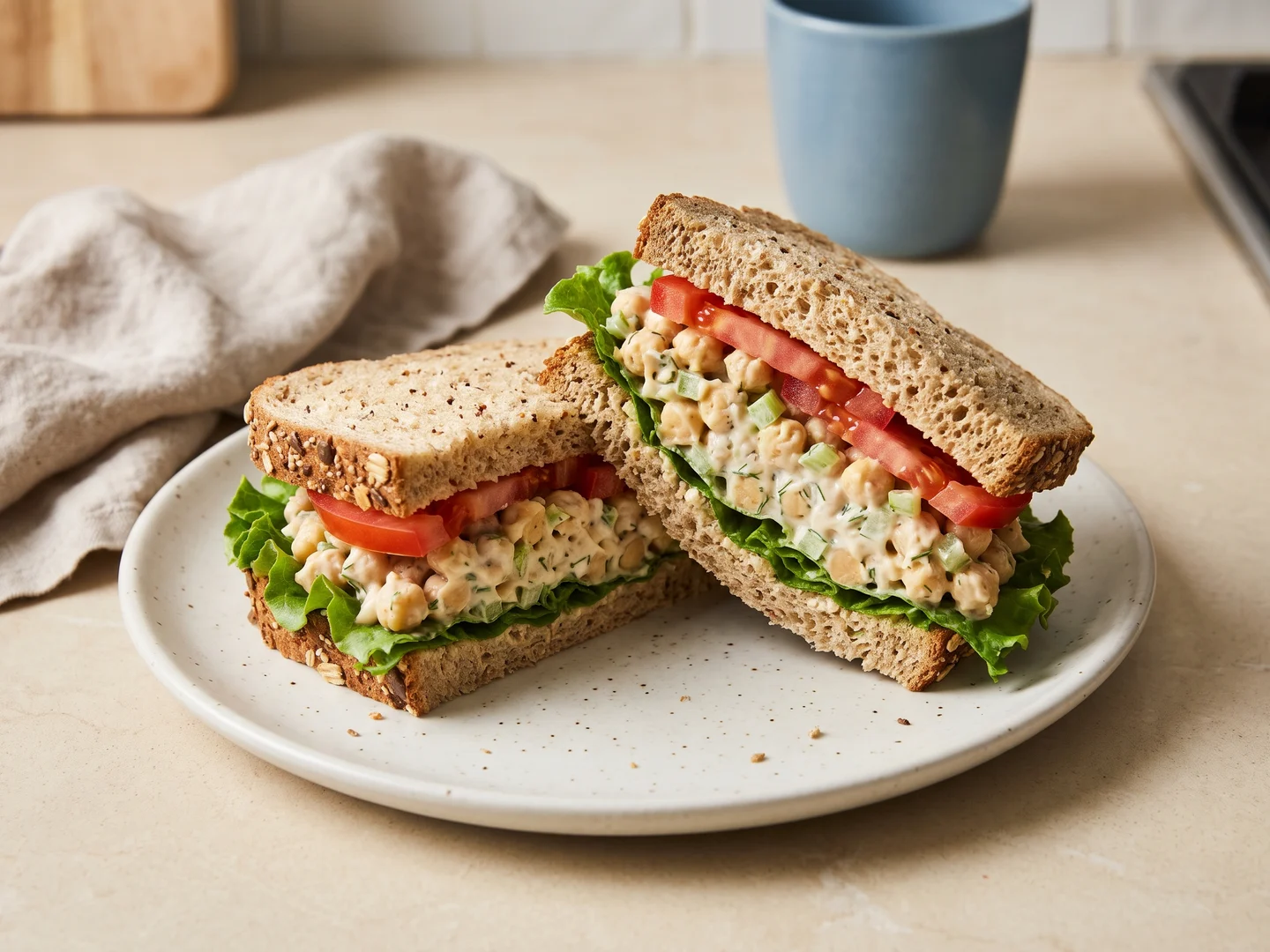
Before deciding what to cook, look at the tray. Choose one ingredient that fits the meal and check its quantity. A little spinach may work in white beans; a lemon can finish chicken or chickpeas; suitable cooked vegetables may fit a soup. Use a complete recipe when you need quantities, temperatures or reheating instructions.
When shopping arrives, put new packages behind compatible older ones where practical, then update the use-first list. Do not mix foods that need different storage conditions. Remove empty containers and clean spills so the area remains readable instead of becoming another crowded corner.
After a week, notice what kept getting passed over. Perhaps the container was hard to see, the portion was too small for dinner, or nobody wanted that particular leftover. Change the next purchase or plan accordingly. Buying less of a repeatedly unused food can be more effective than adding another reminder.
In The Pantry, a use-soon marker can mirror this physical area and help identify ingredients for a custom meal. Keep the real-world check first: the marker communicates your cooking priority, not an automatically certified safe-to-eat date.
Common questions
Which foods belong on a use-first shelf?
Foods with a known safe storage history that you want to use next, such as appropriately stored leftovers or opened ingredients. Keep raw proteins contained and separate; use a note if they belong elsewhere.
Can a reminder determine food safety?
No. A reminder helps you notice food. Safety depends on the food, time, temperature, handling and product instructions. When storage history is uncertain, do not treat an app date as proof.