Cantonese steamed fish
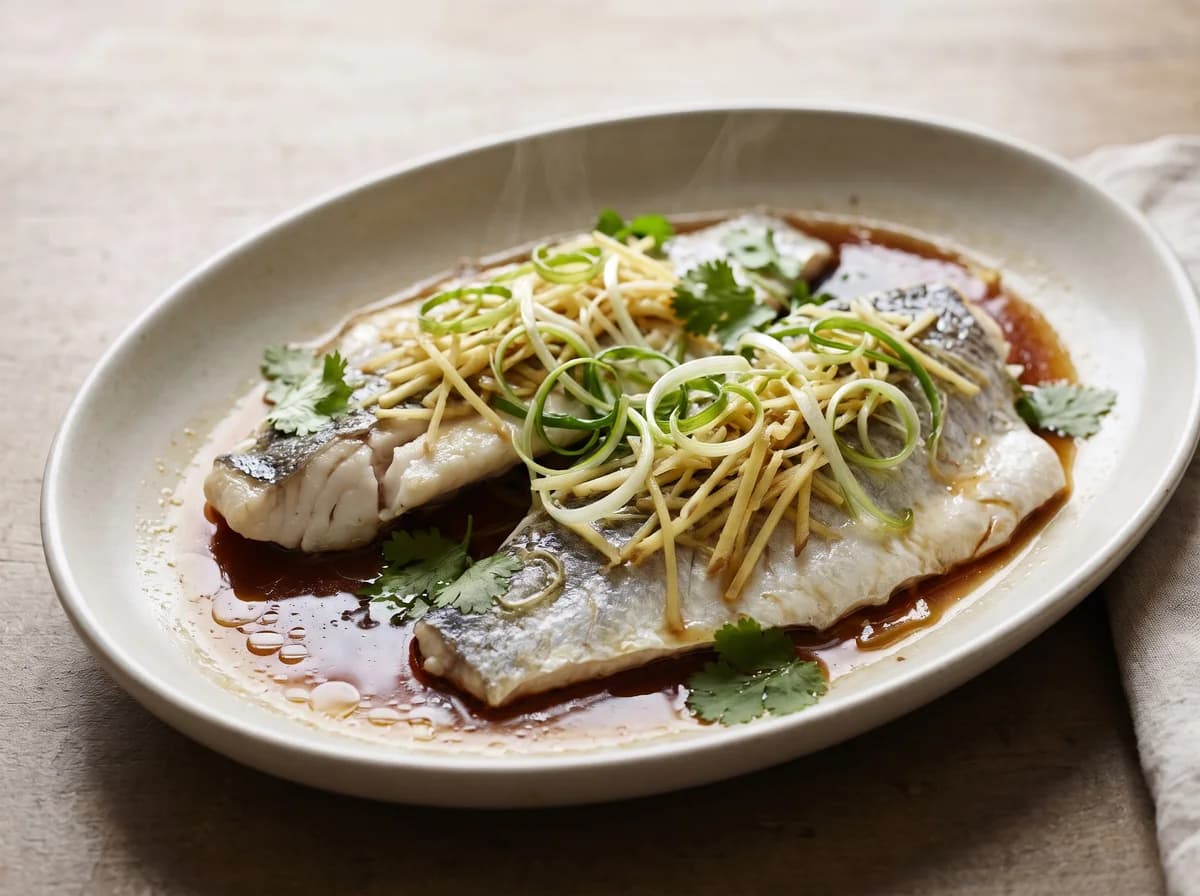
A classic Cantonese-style steamed fish for 2 servings: delicate white fish fillets are steamed just until opaque, then finished with ginger, scallions, soy, a little Shaoxing wine, and sizzling oil. The sauce stays light and glossy, not heavy, so the fish tastes clean and sweet. Serve it straight from the steaming plate with the aromatic juices spooned over the top.
Estimated calories and US ingredient costs.
For more servings, scale the fish, ginger, scallions, soy sauce, wine, sugar, and oil proportionally, but keep the steaming time based on the thickest fillet rather than the number of servings. Use a wider plate or steam in batches if the fillets overlap, because crowded fish steams unevenly and the sauce can become watery.
Your whole cook, in one place.
Ingredients, steps and a live timeline. Ready for 2 people.
Step timeline
Cooking order
10 leftPrepare the fish
~1 minPrepare the fish.
Pat the 12 oz white fish fillets very dry with paper towels.
Trim away any loose scales or dark bloodline if needed, then lightly season both sides with the 1/4 tsp salt.
Set the fish on a heatproof plate or shallow rimmed dish that fits inside your steamer, leaving a little space between pieces so the steam can circulate.
Ingredients
- 1/4 tspFine salt

Set up the steamer
~1 minSet up the steamer.
Pour 2 cups water into a wok, deep skillet, or saucepan wide enough to hold the plate above the water line.
Set a steamer rack inside and bring the water to a strong boil over high heat.
If using a wok lid, check that it closes snugly with the plate inside so steam does not escape too quickly.
Ingredients
- 2 cupsWater

Add ginger and steam
~10 minAdd ginger and steam.
Scatter about two thirds of the 0.7 oz ginger over and under the fish, then drizzle the 1 tbsp Shaoxing wine over the fillets.
Put the plate on the rack, cover, and steam over medium-high heat for 8 to 10 minutes, depending on thickness, until the thickest part of the fish reaches 145°F and the flesh turns opaque.
Ingredients
- 1 tbspShaoxing wine
Make the finishing sauce
~1 minMake the finishing sauce.
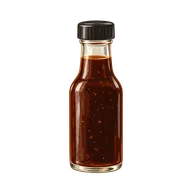
While the fish steams, stir together the 2 tbsp soy sauce and 1 tsp sugar in a small bowl until the sugar dissolves.
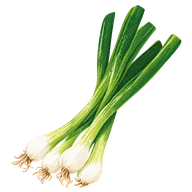
Slice the scallions if you have not already, keeping the white and pale green parts separate from the darker tops.
This sauce should taste salty-sweet because it will be diluted by the fish juices on the plate.
Ingredients
- 1/2 ozScallions
- 2 tbspLow-sodium soy sauce
Drain the steaming liquid
~1 minDrain the steaming liquid.
Carefully lift out the hot plate.
Tilt it slightly and spoon off the cloudy steaming liquid so the finished sauce stays clean and not watery.
If the fish has released a lot of moisture, leave just a thin slick in the bottom of the plate rather than pooling liquid.
This keeps the seasoning concentrated.
Top with scallions and ginger
~1 minTop with scallions and ginger.
Arrange the remaining ginger and all of the scallions over the hot fish, piling them in the center and along the length of each fillet.
Spoon the soy mixture evenly around the fish and over the hot plate, letting it run underneath and season the juices.
The heat from the fish will soften the scallions without fully cooking them.
Ingredients
- 1/2 oz total for recipeScallions
Heat the oil and finish
~1 minHeat the oil and finish.
Heat the 1 1/2 tbsp neutral oil in a small skillet until it is shimmering and just beginning to smoke at the edges, about 1 minute over medium-high heat.
Carefully pour the hot oil over the scallions and ginger on the fish.
The aromatics should sizzle immediately and release their fragrance; if the oil is not hot enough, the topping will taste flat.
Ingredients
- 1 1/2 tbspNeutral oil

Garnish and serve
~120 min cookGarnish
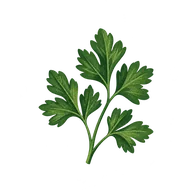
Scatter the 0.2 oz cilantro leaves over the fish
Spoon the glossy pan juices over each portion at the table
Chill leftovers within 2 hours.
Ingredients
- 0.2 ozCilantro leaves, for garnish
Check the dish
After ~120 minCheck Cantonese steamed fish and continue when ready.
Serve meal
~1 minOnce all dishes are cooked and ready, plate and serve the meal together.
Cantonese steamed fish: serve.
Cantonese steamed fish: serve at once, preferably with steamed rice to catch the sauce.
Cantonese steamed fish: serve the fish hot from the steaming plate.
Make the next one yours.
Create a custom meal with what you have.
Read the traditional recipe
Ingredients
For 2 people
- 12 oz skin-on white fish fillets, 2 pieces, patted dry
- 0.7 oz ginger, cut into fine matchsticks
- 1/2 oz scallions, thinly sliced
- 1 tbsp Shaoxing wine
- 2 tbsp low-sodium soy sauce
- 1 tsp granulated sugar
- 1 1/2 tbsp neutral oil
- 1/4 tsp fine salt
- 2 cups water
- 0.2 oz cilantro leaves, for garnish
Method
- Prepare the fishPat the 12 oz white fish fillets very dry with paper towels. Trim away any loose scales or dark bloodline if needed, then lightly season both sides with the 1/4 tsp salt. Set the fish on a heatproof plate or shallow rimmed dish that fits inside your steamer, leaving a little space between pieces so the steam can circulate.
- Set up the steamerPour 2 cups water into a wok, deep skillet, or saucepan wide enough to hold the plate above the water line. Set a steamer rack inside and bring the water to a strong boil over high heat. If using a wok lid, check that it closes snugly with the plate inside so steam does not escape too quickly.
- Add ginger and steamScatter about two thirds of the 0.7 oz ginger over and under the fish, then drizzle the 1 tbsp Shaoxing wine over the fillets. Put the plate on the rack, cover, and steam over medium-high heat for 8 to 10 minutes, depending on thickness, until the thickest part of the fish reaches 145°F and the flesh turns opaque.
- Make the finishing sauceWhile the fish steams, stir together the 2 tbsp soy sauce and 1 tsp sugar in a small bowl until the sugar dissolves. Slice the scallions if you have not already, keeping the white and pale green parts separate from the darker tops. This sauce should taste salty-sweet because it will be diluted by the fish juices on the plate.
- Drain the steaming liquidCarefully lift out the hot plate. Tilt it slightly and spoon off the cloudy steaming liquid so the finished sauce stays clean and not watery. If the fish has released a lot of moisture, leave just a thin slick in the bottom of the plate rather than pooling liquid. This keeps the seasoning concentrated.
- Top with scallions and gingerArrange the remaining ginger and all of the scallions over the hot fish, piling them in the center and along the length of each fillet. Spoon the soy mixture evenly around the fish and over the hot plate, letting it run underneath and season the juices. The heat from the fish will soften the scallions without fully cooking them.
- Heat the oil and finishHeat the 1 1/2 tbsp neutral oil in a small skillet until it is shimmering and just beginning to smoke at the edges, about 1 minute over medium-high heat. Carefully pour the hot oil over the scallions and ginger on the fish. The aromatics should sizzle immediately and release their fragrance; if the oil is not hot enough, the topping will taste flat.
- Garnish and serveScatter the 0.2 oz cilantro leaves over the fish and serve at once, preferably with steamed rice to catch the sauce. Spoon the glossy pan juices over each portion at the table and serve the fish hot from the steaming plate. Chill leftovers within 2 hours.
Before you cook
What to get ready
Covered steamer, heatproof plate, plate lifter or tongs, small saucepan and thermometer.
Choose a heatproof plate that fits inside the covered steamer without blocking steam circulation.
If something needs adjusting
Thick center is undercooked while edges flake
Use similarly thick fillets and check 145°F in the thickest part; steam time varies with thickness.
Steam escapes before fish cooks
Keep the lid fitted and water gently boiling below the plate; replenish with hot water without splashing the fish.
Store for later
Refrigerate cooked fish promptly in a shallow container. Reheat gently to 165°F and add fresh scallions after warming.
Refrigerate perishables within 2 hours, or 1 hour above 90°F. Keep the fridge at 40°F or below; use refrigerated leftovers within 3–4 days. USDA storage and reheating guidance.
Make the ingredients go further
Use remaining ginger and scallions in chicken rice.
Next use for your ingredients: Hainanese chicken rice →
Calculate this meal with your own prices →
How to Use a Food Thermometer →
Cooking notes updated October 24, 2026. How we create recipes.
Tips, swaps and questions
A little kitchen know-how
For the cleanest Cantonese flavor, use mild white fish with firm flesh such as snapper, branzino, or cod loin. Keep the steaming liquid shallow and the heat steady so the fish cooks through without turning dry or stringy. If your fillets are uneven, tuck thinner tails under so the whole piece finishes at the same time.
Make it work for you
If you do not have Shaoxing wine, use dry sherry in the same amount. If you use a very lean fish like cod, reduce steaming time by a minute or two and watch closely, because it firms up faster than snapper or branzino. Do not swap in strongly flavored fish such as mackerel, which overwhelms the ginger-scallion finish.
Use more of your ginger and scallions in three cup chicken.
How do I keep steamed fish from tasting watery?
Use a plate that fits the steamer without crowding, steam at a real boil, and drain off the liquid that collects after cooking. The soy-sugar sauce should be added after steaming, not before, and the final spoonful of very hot oil over the scallions helps the aromatics bloom so the dish tastes bright instead of diluted.
Times are estimates. Check ingredients for allergens. For safe temperatures and storage, see FoodSafety.gov.