Choose the right fillet
Choose salmon that is fairly even in thickness, ideally around 1 inch at the center. A center-cut fillet bakes more evenly than a tail piece, which can dry out before the thickest part is done. Plan on about 4 to 6 ounces per person for a main course.
Keep the fish cold until you are ready to season it. A chilled fillet is easier to move to the pan and less likely to soften or overcook at the edges while the middle finishes. If there are pin bones, pull them out with clean tweezers or fish pliers.
- Pat the fillet dry with paper towels before seasoning.
- Leave the skin on if you want easier handling and less sticking.
- Trim very thin belly flaps or tuck them under so they do not overcook first.
- Use a rimmed sheet pan, parchment paper, and an instant-read thermometer.
Season simply, then let the oven do the work
Salmon usually needs only a light hand. For 1 pound of fish, brush or rub on about 1 tablespoon of oil, then season with 1/2 teaspoon kosher salt and a few grinds of black pepper. Add lemon zest, dill, garlic, paprika, or chopped herbs if you want more aroma.
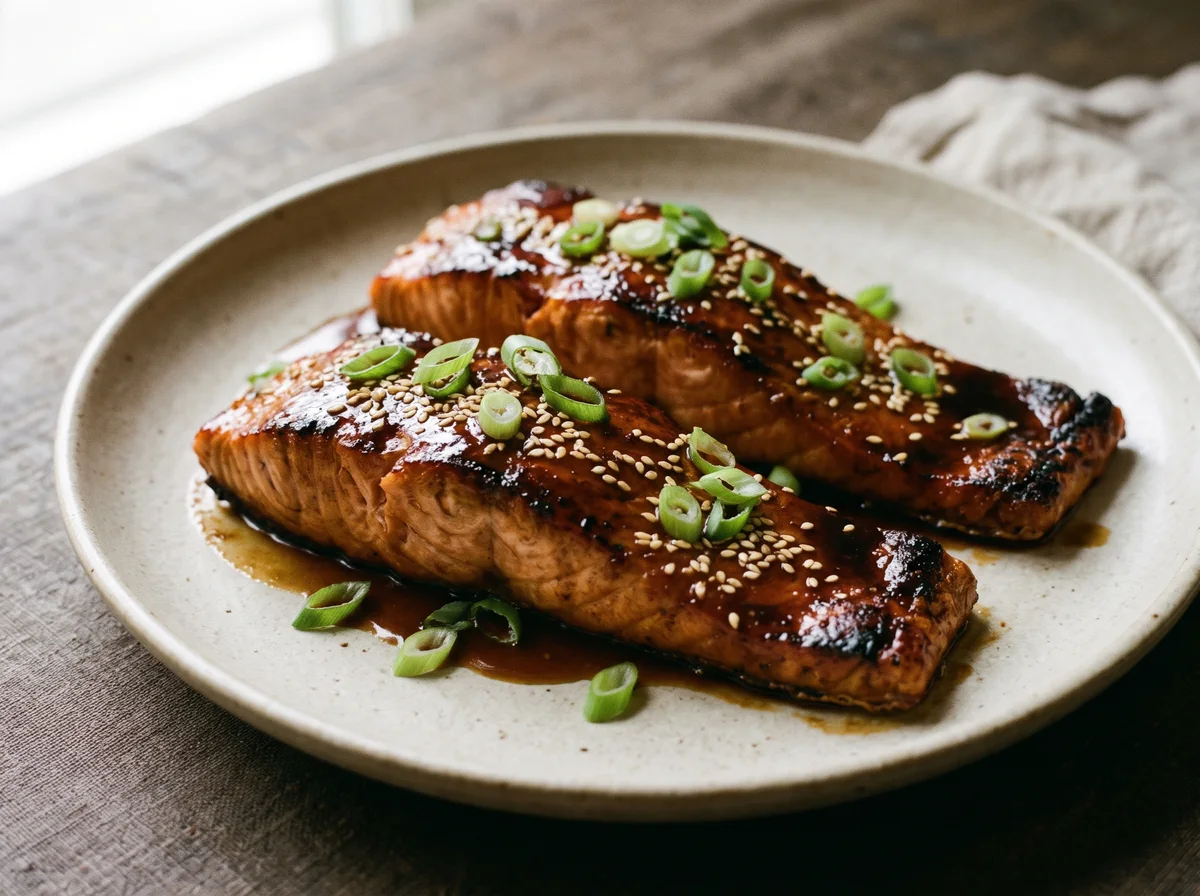
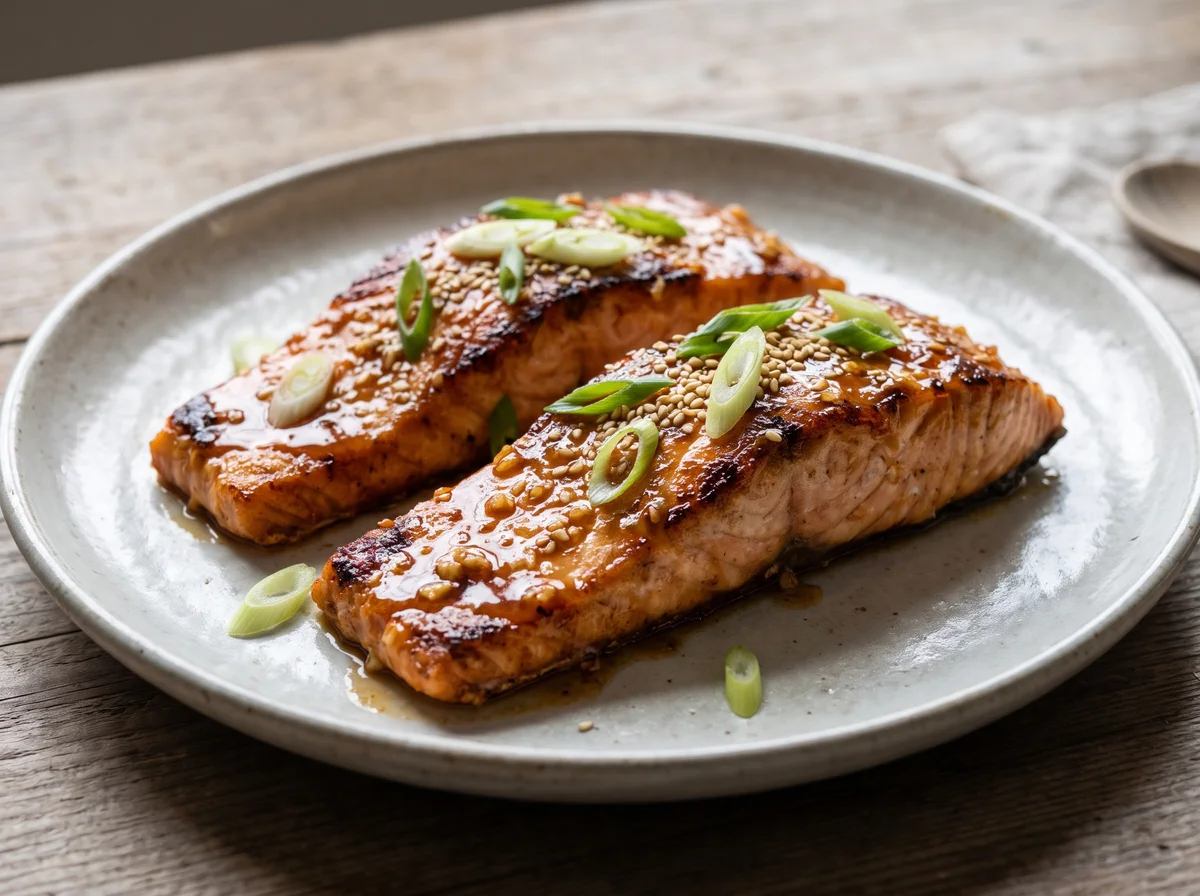
If you want a glaze, keep it thin and modest. Sweet glazes can darken quickly in the oven, so apply them in a light coat. For a cleaner surface, blot off excess marinade before baking instead of letting the fish sit in a puddle of liquid.
- Classic: olive oil, salt, pepper, lemon.
- Fresh and bright: dill, parsley, lemon zest.
- Savory: garlic, smoked paprika, black pepper.
- Sweet-savory: honey, soy, and a little mustard, brushed on lightly.
Set up the pan and bake by thickness
Heat the oven to 400°F for a standard bake, or 375°F if you are using convection. Line a rimmed sheet pan with parchment for easy release and less cleanup. Place the salmon skin-side down with a little space around each piece so the hot air can move.
If you are roasting vegetables at the same time, keep them on the same pan only if they cook in a similar window. Otherwise, give the salmon its own tray. Crowding traps steam, which softens the surface and can make the fish cook unevenly.
| Fillet thickness | Bake time | What to look for |
|---|---|---|
| 1/2 inch | 6 to 8 minutes | Good for thin portions; start checking early. |
| 1 inch | 10 to 14 minutes | Most standard fillets finish here. |
| 1 1/2 inches | 14 to 18 minutes | Use the low end first, then check the center. |
| Very thick center-cut pieces | 18 to 20 minutes | May need a brief extra minute or two, depending on your oven. |
Know when salmon is done
The most reliable test is temperature. Fish should reach 145°F in the thickest part. At that point, the flesh turns opaque and flakes with gentle pressure from a fork. It should look moist and glossy, not dry and chalky.
Visual cues help, but do not rely on color alone. The center should lose its translucent look, the surface should appear just set, and the layers should separate cleanly when pressed. If the top browns before the middle is ready, loosely tent it with foil and keep baking for a minute or two longer.
- Insert the thermometer horizontally into the thickest part, not through a thin edge.
- Pull the pan out as soon as the center reaches 145°F.
- Let the fillet sit briefly on the pan before transferring it to a plate.
Serve it well and fix common problems
Serve baked salmon with lemon wedges, buttered herbs, a yogurt-dill sauce, or a quick pan sauce. Simple sides work especially well here: roasted potatoes, green beans, asparagus, rice, or a crisp salad. If you want a little browning on top, finish under the broiler for 30 to 60 seconds, but stay close because the line between browned and dry is short.
If the fish turns out dry, the usual causes are an oven that runs hot, a piece that was too thin, or leaving it in the pan after it was done. Next time, lower the oven by 25°F, choose a thicker cut, or check a few minutes earlier. If the fish sticks, use more parchment and a light film of oil under the skin.
- For a glaze, brush on in the last 5 minutes so sugars do not burn.
- For a crispier edge, dry the surface well before seasoning.
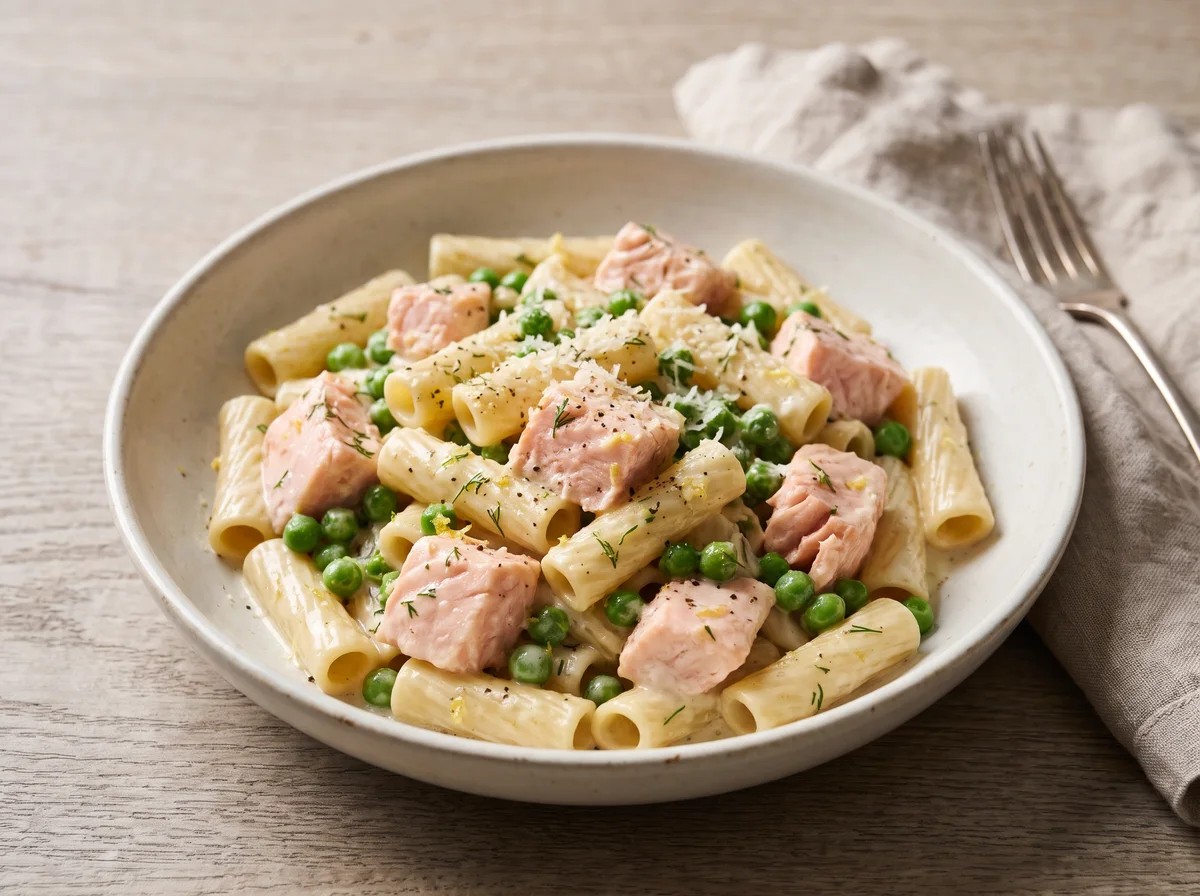
- For leftovers, refrigerate promptly and reheat to 165°F before serving, or chill and serve cold in pasta, salads, or grain bowls.
Sources:
Store leftovers safely
Refrigerate cooked salmon within 2 hours, or within 1 hour if the room is above 90°F. Put it in a shallow covered container so it cools quickly, and keep the fridge at 40°F or below. Use leftovers within 3 to 4 days.
If you reheat leftovers, bring them to 165°F. Reheating cannot make food safe again if it has been left out too long. If you want to serve the salmon cold, chill it quickly first, then use it for salads or sandwiches. Do not thaw fish on the counter; thaw it overnight in the refrigerator instead.
- Cool and refrigerate promptly after dinner.
- Store in shallow containers for faster chilling.
- Use within 3 to 4 days, or freeze if you will not use it soon.
Sources: FoodSafety.gov: Four steps to food safetyFoodSafety.gov: Cold storage chart
Common questions
Should I bake salmon covered or uncovered?
Bake it uncovered so the surface can dry slightly and cook evenly. Covering traps steam, which softens the top and reduces browning.
Should salmon be baked skin-side down?
Yes. Skin-side down is the easiest arrangement. It helps the fillet release from the pan and protects the flesh while it cooks.
Can I bake salmon from frozen?
Yes, but thawing it in the refrigerator first usually gives more even results. If you bake from frozen, expect a longer cook time and season once the surface softens.