Start with the right brown rice
Brown rice keeps its bran layer, so it needs more water and more time than white rice. For the easiest everyday result, long-grain brown rice is the most forgiving. Medium- and short-grain brown rice cook up softer and a little stickier, which works well if you want a heartier bowl.
Use a medium saucepan with a tight-fitting lid. Rinsing is optional: rinse if you want a slightly cleaner, more separate grain, or skip it if you prefer a little more body. If you want a nutty note, warm the rice in a teaspoon of oil for about 1 minute before adding the water.
- Medium saucepan with a tight-fitting lid
- Measuring cup and teaspoon
- Fine-mesh strainer, optional for rinsing
- Fork for fluffing
The most reliable stovetop method
For 1 cup brown rice, use 2 1/4 cups water and 1/2 teaspoon salt. Combine them in the saucepan. If you want a deeper savory flavor, swap in low-sodium broth for some or all of the water.
Bring the pot to a boil over high heat, uncovered. As soon as the water boils, cover and lower the heat to the smallest steady simmer. Cook for 40 to 50 minutes without lifting the lid. When the time is up, check that the water is absorbed and the grains are tender with a little chew. Turn off the heat and let the rice stand, covered, for 10 minutes, then fluff with a fork from the edges toward the center.
- Do not stir while it simmers, or the grains can break and turn gummy.
- If the lid rattles hard, the heat is too high.
- If the rice seems dry before it is tender, add 2 to 3 tablespoons water, cover, and cook for 5 more minutes.
How to tell when it is done, and how to fix it
Brown rice is ready when the grains are tender all the way through but still have a little bite in the center. If you taste a few grains from the middle of the pot and they feel chalky, give them a little more time. If the rice is done but the surface looks wet, the rest period usually finishes the job.
A few common problems are easy to correct next time. A heavy pot helps prevent scorching, and a gentle simmer keeps the bottom from burning before the center softens. Short-grain brown rice naturally clumps more than long-grain rice, so choose the grain that matches the dish you are making.
| Problem | Likely cause | Fix next time |
|---|---|---|
| Hard center | Not enough simmer time or too little water | Add 2 to 3 tablespoons water, cover, and cook 5 minutes more; next time simmer longer. |
| Mushy texture | Too much water or too much heat | Use a gentler simmer and measure the water more carefully. |
| Scorched bottom | Heat too high or a thin pot | Use a heavier saucepan and keep the burner on the lowest practical setting. |
Ways to make brown rice taste better
Brown rice is a good blank canvas, but it is not bland. Add flavor while it cooks with a bay leaf, a smashed garlic clove, a slice of ginger, or a strip of citrus peel. A pinch of salt matters more than people expect, especially if the rice is serving as a base for vegetables or saucy mains.
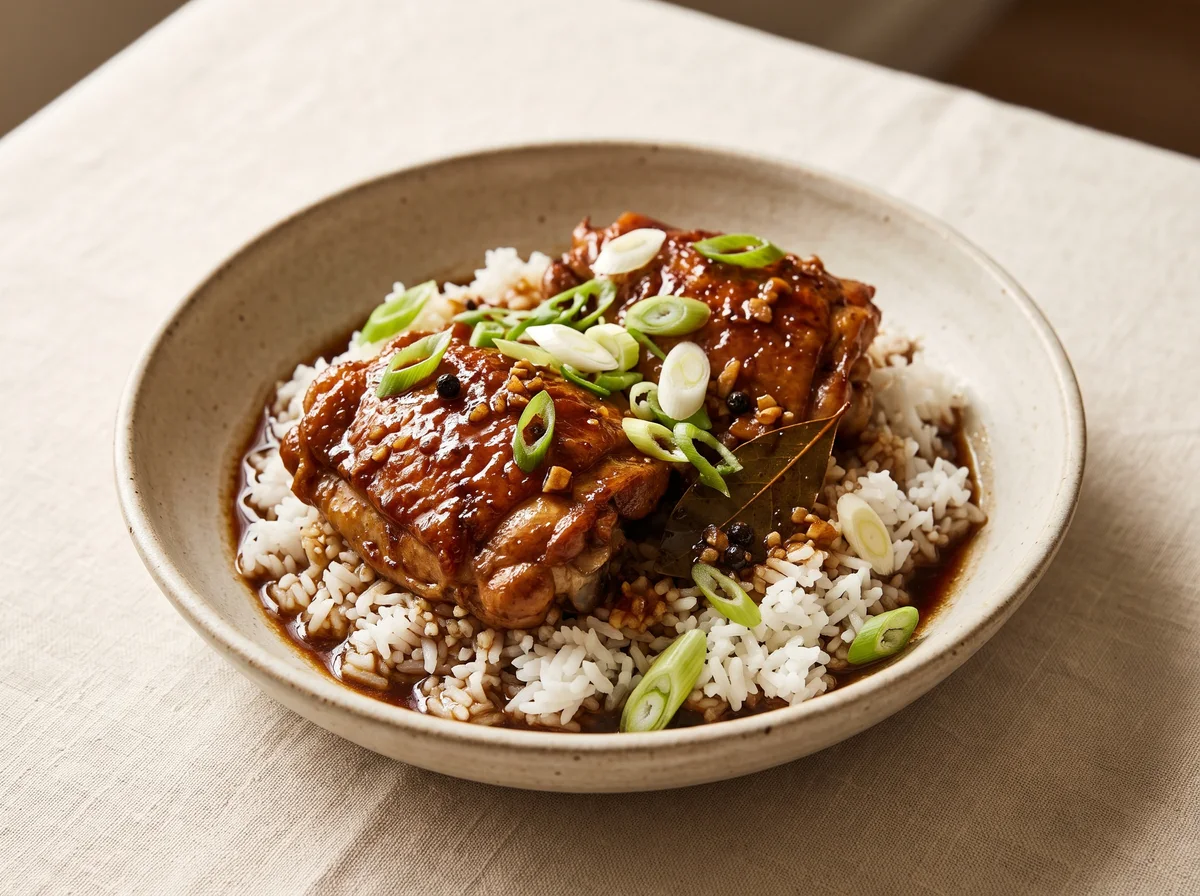
For serving, finish with olive oil, butter, chopped herbs, toasted sesame oil, or a spoonful of pesto. Brown rice is especially good with stir-fries, roasted vegetables, beans, fish, or braised chicken. If you want rice for fried rice, cook it ahead of time, cool it promptly, and chill it before frying so the grains dry out slightly and separate better.
- Pilaf style: sauté onion in oil first, then cook the rice in broth.
- Herby side: stir in parsley, scallions, dill, or cilantro after fluffing.
- Rich finish: add a small knob of butter or a drizzle of olive oil while the rice is hot.
Store it safely and reheat it well
Cooked rice should cool promptly, not sit on the counter until it is room temperature. Move it into shallow containers so steam can escape and get it into the fridge within 1 hour if the room is hot, or within 2 hours otherwise. Keep the fridge at 40 F or below. For rice specifically, the conservative rule is to use it within 1 day and reheat it only once until it reaches 165 F. Reheating does not fix time abuse, so if rice has sat out too long, discard it.
For reheating, add a splash of water, cover, and warm the rice until it is steaming hot. The microwave works well for small portions, and a covered skillet with a spoonful of water also brings it back to life without drying it out. Freeze extra portions only after they are cooled and refrigerated promptly; thaw them in the fridge and reheat once to 165 F.
Sources: Food safety home fact checker
Common questions
Do I need to rinse brown rice before cooking?
No. Rinsing is optional. Rinse if you want slightly less surface starch and a cleaner grain. Skip rinsing if you prefer a little more body in the finished rice.
Why is my brown rice still hard after the timer ends?
It usually needs a little more time, or the simmer was too low to build enough steam. Add a few tablespoons of water, cover, and cook 5 minutes more before resting.
Can I make brown rice ahead for meal prep?
Yes, but cool it promptly, refrigerate it quickly, and reheat it once until it reaches 165 F. For rice, a safer plan is to use it within 1 day.