Chicken adobo
Serves 2 over white rice. This chicken adobo braises bone-in thighs in soy sauce, distilled white vinegar, garlic, bay leaves, peppercorns, and a little brown sugar, then reduces the cooking liquid to a glossy pan sauce. Browning the chicken first builds deeper flavor, while the covered simmer keeps the meat juicy and tender. Finished with scallions, it is savory, tangy, and deeply aromatic.
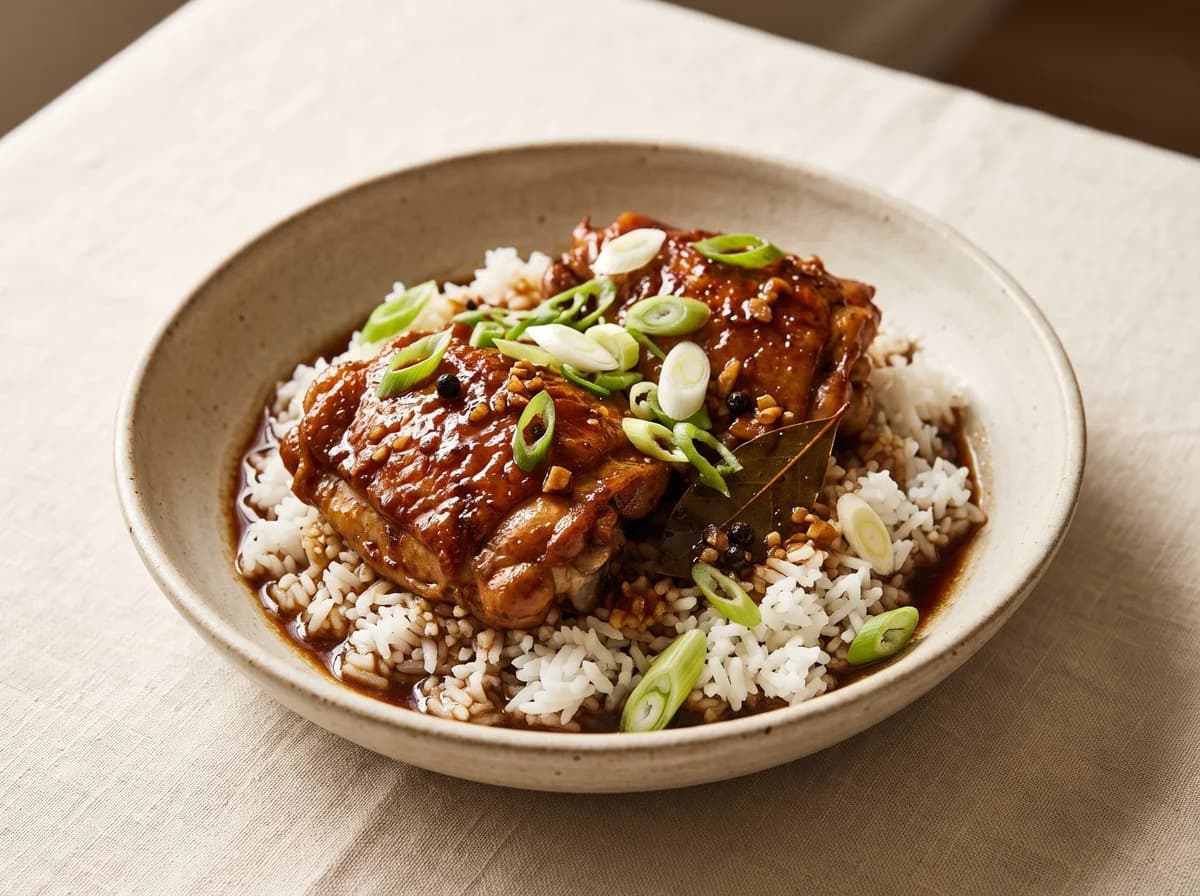
Estimated calories and US ingredient costs.
For 4 servings, use a 12-inch skillet or a 4-quart Dutch oven so the thighs sit in a shallow layer and the sauce can reduce instead of steaming. Double the ingredients, but keep the same heat levels and check doneness by temperature, not by time. If the pan is crowded, brown the thighs in batches before braising.
Your whole cook, in one place.
Ingredients, steps and a live timeline. Ready for 2 people.
Step timeline
Cooking order
7 leftMix the adobo base
~10 minMix the adobo base.
In a medium bowl, whisk together 2 tbsp soy sauce, 2 tbsp distilled white vinegar, 1/4 cup water, 2 tsp minced garlic, 2 bay leaves, 1 tsp black peppercorns, 1 tsp packed brown sugar, and 1/4 tsp kosher salt.
Add the 24 oz bone-in, skin-on chicken thighs and turn to coat well.
Let them sit for 10 minutes while you heat the pan so the seasoning starts penetrating the meat.
Ingredients
- 24 ozBone-in, skin-on chicken thighs
- 2 tbspSoy sauce
- 2 tbspDistilled white vinegar
- 1/4 cupWater
- 2 tspGarlic
- 2Bay leaves
- 1 tspBlack peppercorns
- 1 tspPacked brown sugar
- 1/4 tspKosher salt





Brown the chicken
~7 minBrown the chicken.
Heat 1 tsp neutral oil in a 10-inch skillet with a lid over medium-high heat.
Lift the chicken out of the bowl, letting excess marinade drip back, and place the thighs skin-side down in the hot oil.
Cook for 4 to 5 minutes until the skin is deep golden and some fat has rendered, then flip and cook for 2 minutes more.
If the thighs do not fit in a single layer, use a 12-inch skillet or brown them in two batches so they color instead of steaming.
Ingredients
- 1 tspNeutral oil

Braise covered
~18 min cookBraise covered.
Pour the remaining adobo base into the skillet and scrape up the browned bits from the bottom.
Bring the liquid to a gentle simmer, then reduce the heat to medium-low, cover, and cook for 18 minutes.
The goal is a steady bubble, not a hard boil, so the vinegar softens and the chicken stays moist while it cooks through.
Finish the chicken to temperature
After ~18 minFinish the chicken to temperature.
Uncover the pan, turn the thighs skin-side up, and simmer uncovered for 8 to 10 minutes more until the thickest part of the chicken reaches 165°F.
If the sauce is reducing too quickly before the chicken is done, lower the heat and cover the pan for 2 minutes.
If there is a lot of rendered fat on top
spoon off most of it before you reduce the sauce.
Ingredients
- 24 oz total for recipeBone-in, skin-on chicken thighs
Reduce to a glossy glaze
~5 minReduce to a glossy glaze.
Raise the heat to medium and boil the sauce for 3 to 5 minutes until it looks glossy and lightly syrupy enough to coat a spoon.
Fish out and discard the bay leaves, then return the chicken to the pan and turn it through the sauce so the skin and meat are lacquered.
Serve over rice
~9 minSet the chicken on top
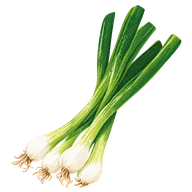
spoon the glossy sauce over and around it, and finish with 1/2 oz sliced scallions.
Ingredients
- 24 oz total for recipeBone-in, skin-on chicken thighs
- 1/2 ozScallions
Serve meal
~1 minOnce all dishes are cooked and ready, plate and serve the meal together.
Chicken adobo: Transfer the chicken to a plate and keep the sauce in the skillet, bay leaves included for now.
Chicken adobo: Serve over rice.
Chicken adobo: Spoon 2 cups hot cooked white rice into shallow bowls or plates.
Chicken adobo: Serve immediately while the sauce is hot and the rice can soak it up.
Make the next one yours.
Create a custom meal with what you have.
Read the traditional recipe
Ingredients
For 2 people
- 24 oz bone-in, skin-on chicken thighs
- 2 tbsp soy sauce
- 2 tbsp distilled white vinegar
- 1/4 cup water
- 2 tsp minced garlic
- 2 bay leaves
- 1 tsp whole black peppercorns
- 1 tsp neutral oil
- 1 tsp packed brown sugar
- 1/4 tsp kosher salt
- 1/2 oz sliced scallions
- 2 cups hot cooked white rice
Method
- Mix the adobo baseIn a medium bowl, whisk together 2 tbsp soy sauce, 2 tbsp distilled white vinegar, 1/4 cup water, 2 tsp minced garlic, 2 bay leaves, 1 tsp whole black peppercorns, 1 tsp packed brown sugar, and 1/4 tsp kosher salt. Add the 24 oz bone-in, skin-on chicken thighs and turn to coat well. Let them sit for 10 minutes while you heat the pan so the seasoning starts penetrating the meat.
- Brown the chickenHeat 1 tsp neutral oil in a 10-inch skillet with a lid over medium-high heat. Lift the chicken out of the bowl, letting excess marinade drip back, and place the thighs skin-side down in the hot oil. Cook for 4 to 5 minutes until the skin is deep golden and some fat has rendered, then flip and cook for 2 minutes more. If the thighs do not fit in a single layer, use a 12-inch skillet or brown them in two batches so they color instead of steaming.
- Braise coveredPour the remaining adobo base into the skillet and scrape up the browned bits from the bottom. Bring the liquid to a gentle simmer, then reduce the heat to medium-low, cover, and cook for 18 minutes. The goal is a steady bubble, not a hard boil, so the vinegar softens and the chicken stays moist while it cooks through.
- Finish the chicken to temperatureUncover the pan, turn the thighs skin-side up, and simmer uncovered for 8 to 10 minutes more until the thickest part of the chicken reaches 165°F. If the sauce is reducing too quickly before the chicken is done, lower the heat and cover the pan for 2 minutes. If there is a lot of rendered fat on top, spoon off most of it before you reduce the sauce.
- Reduce to a glossy glazeTransfer the chicken to a plate and keep the sauce in the skillet, bay leaves included for now. Raise the heat to medium and boil the sauce for 3 to 5 minutes until it looks glossy and lightly syrupy enough to coat a spoon. Fish out and discard the bay leaves, then return the chicken to the pan and turn it through the sauce so the skin and meat are lacquered.
- Serve over riceSpoon 2 cups hot cooked white rice into shallow bowls or plates. Set the chicken on top, spoon the glossy sauce over and around it, and finish with 1/2 oz sliced scallions. Serve immediately while the sauce is hot and the rice can soak it up.
Before you cook
What to get ready
Heavy lidded pot or oven-safe casserole as directed, tongs, ladle and thermometer.
Measure vinegar and soy sauce separately from the raw chicken; have a plate ready when reducing the glaze.
If something needs adjusting
Sauce turns too salty as it reduces
Remove cooked chicken, stop reducing before syrupy, and loosen the sauce with water rather than more soy sauce.
Sauce reduces faster than the food softens
Keep heat gentle, cover as directed and check liquid periodically. Add hot water in small amounts rather than letting the bottom scorch.
Store for later
Divide the cooked dish into shallow containers for prompt chilling. Reheat portions to 165°F, stirring sauces and adding water if needed.
Refrigerate perishables within 2 hours, or 1 hour above 90°F. Keep the fridge at 40°F or below; use refrigerated leftovers within 3–4 days. USDA storage and reheating guidance.
Make the ingredients go further
Use the remaining cooked rice in fried rice only if promptly chilled.
Next use for your ingredients: Vegetable and egg fried rice →
Calculate this meal with your own prices →
How to Cool and Store Leftovers →
Cooking notes updated October 24, 2026. How we create recipes.
Tips, swaps and questions
A little kitchen know-how
For the deepest flavor, let the sauce reduce uncovered after the chicken is cooked, not before. If the vinegar still tastes sharp, keep simmering for another minute or two rather than adding more sugar. The finished sauce should cling to the thighs in a thin glaze, not stay watery or separate into an oily broth.
Make it work for you
Swap in 20 oz boneless, skinless thighs if needed, but shorten the covered braise by about 5 minutes because they cook faster and do not need as much collagen-breaking time. Tamari can replace soy sauce 1:1, though it is usually saltier and darker, so the final sauce may need a little less reduction.
Use more of your chicken thighs and soy sauce in three cup chicken.
How do I keep the adobo sauce from tasting harsh?
That usually means the vinegar has not simmered long enough. Keep the pan at a gentle bubble, not a hard boil, so the sharp edge softens and the liquid reduces into a glaze. If it is still thin when the chicken is done, uncover the pan and reduce it a few minutes longer.
Times are estimates. Check ingredients for allergens. For safe temperatures and storage, see FoodSafety.gov.