Choose the right shrimp and thaw them safely
Buy raw shrimp if you want control over seasoning and doneness. Medium, large, and jumbo all work well; the smaller the shrimp, the shorter the cooking time. Shell-on shrimp stay a little juicier, while peeled shrimp are easier for fast skillet cooking. Deveined shrimp save a step, but they are not required for good flavor.
If the shrimp are frozen, thaw them in the refrigerator overnight or in a sealed bag under cold water, changing the water every 30 minutes. Do not thaw shrimp on the counter. Keep them cold while you work, and refrigerate any perishables within 2 hours, or within 1 hour if the room is above 90 F.
- Look for shrimp that smell clean, not overly fishy.
- Choose peeled and deveined shrimp for weeknight cooking, shell-on for maximum moisture.
- Pat thawed shrimp dry before seasoning so they brown instead of steam.
Sources: FoodSafety.gov: Four steps to food safetyFoodSafety.gov: Cold storage chart
Season simply and set up for fast cooking
Before the shrimp hit the pan, dry them well with paper towels. Moisture is the fastest way to lose browning. Toss 1 pound shrimp with 1 tablespoon oil, 1/2 teaspoon salt, and a little black pepper. Optional seasonings like garlic powder, paprika, chili flakes, or lemon zest work best when used lightly.
If you want a marinade, keep it short. Acid from lemon or lime can tighten shrimp if it sits too long, so 10 to 20 minutes is enough. Set out a large skillet, tongs, and a plate before you start, because shrimp cook quickly once the pan is hot.
- Save fresh garlic, butter, or herbs for the final minute so they do not burn.
- If you plan to grill, leave the tails on for easier turning and presentation.
- Keep shrimp in a single layer in the bowl so the seasoning coats evenly.
Cook shrimp in a skillet for the most dependable result
Heat a large skillet over medium-high for 1 to 2 minutes. Add 1 tablespoon oil, then lay in the shrimp in one layer with space between pieces. You should hear an immediate sizzle. If the pan is crowded, cook in batches so the shrimp sear instead of steaming.
Cook 1 to 2 minutes on the first side, then flip and cook 30 to 60 seconds more. Add minced garlic or a small knob of butter only near the end so it does not burn. Pull the shrimp as soon as most of the flesh is opaque and the centers are no longer translucent. The shrimp are done when they reach 145 F.
- Medium shrimp may finish in about 2 minutes total.
- Jumbo shrimp usually need a little longer, but still cook fast.
- If you are making a sauce, remove the shrimp first and return them just long enough to coat.
Use the right timing for boiling, roasting, or grilling
Different methods work best for different meals. Boiling or poaching is good for cold shrimp salads, roasting is easy for a sheet-pan dinner, and grilling gives you smoky flavor with very little oil. The key is still the same: cook just until the shrimp turn opaque and pink.
Use the cues in the table below as a starting point, then watch the shrimp closely near the end. Size, whether they are shell-on, and how hot your equipment runs will change the exact minute they finish.
| Method | How to do it | Timing | Best visual cue |
|---|---|---|---|
| Boil or poach | Bring salted water, broth, or court bouillon to a gentle simmer. Add shrimp and stir once. | 2 to 3 minutes | They float slightly and turn uniformly pink and opaque. |
| Roast | Toss with oil and seasoning on a sheet pan in a single layer. | 425 F for 6 to 8 minutes | Edges turn pink and the thickest part looks opaque. |
| Grill | Thread on skewers or use a grill basket; oil the shrimp and grates. | 2 to 3 minutes per side | Grill marks appear and the flesh turns opaque. |
Know when they are done, and fix the common mistakes
Shrimp are done when they change from gray and translucent to pink and opaque, with the shape loosening into a C. A tight O shape usually means they stayed on the heat too long. If you slice the thickest shrimp, the center should look opaque rather than glassy.
If the shrimp are sticking, the pan was not hot enough or the shrimp were too wet. If they taste rubbery, reduce the cooking time by 30 seconds per side next time. If they taste bland, season before cooking and finish with lemon, herbs, or a quick pan sauce.
- Crowded pan: cook in batches.
- Frozen clumps: thaw fully and separate before cooking.
- Watery shrimp: dry them well before they touch the heat.
- Sweet glazes: add them near the end so sugar does not burn.
Serve immediately and store leftovers the right way
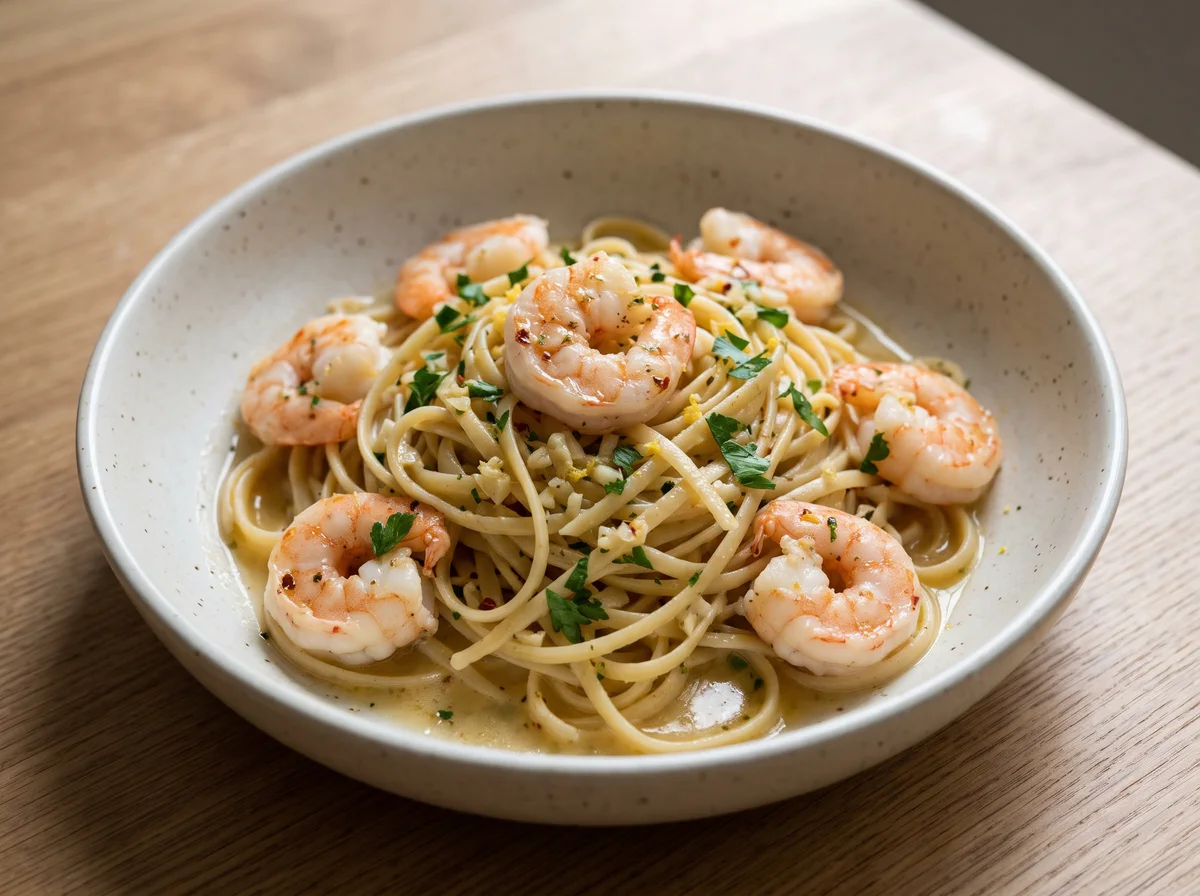
Serve shrimp right away over pasta, rice, grits, or greens. If you are making shrimp with rice, cool the rice promptly, ideally within 1 hour, refrigerate it at 40 F or below, and use it within 1 day; reheating cannot fix rice that sat out too long. Never leave rice or shrimp on the counter to finish cooling.
For leftovers, refrigerate within 2 hours, or within 1 hour if the room is above 90 F. Keep the fridge at 40 F or below and use the shrimp within 3 to 4 days. Reheat leftovers to 165 F, whether they are plain shrimp or a mixed dish. Short microwave bursts or a skillet with a splash of water can help, but the final temperature still matters.
Sources: FoodSafety.gov: Four steps to food safetyFoodSafety.gov: Safe minimum internal temperaturesFoodSafety.gov: Cold storage chartHome Food Fact Checker
Common questions
Can I cook shrimp from frozen?
You can, but thawed shrimp season more evenly and brown better. If you cook from frozen, separate the pieces first and expect uneven timing.
Do I need to remove the tails?
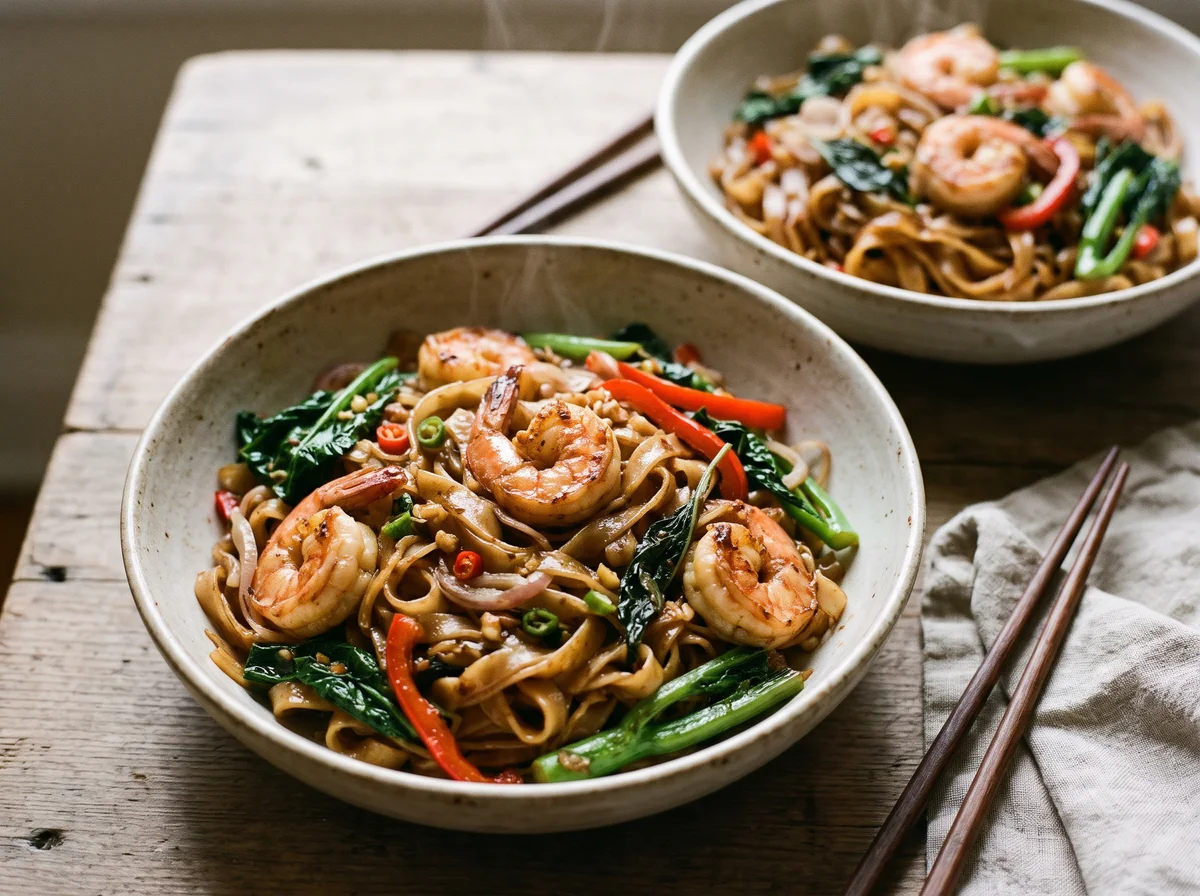
No. Leave tails on for grilling or presentation, or pull them off before cooking if you want easier eating in tacos, pasta, or stir-fries.
Why do my shrimp turn rubbery?
They were cooked too long or in a crowded pan. Use a hotter pan, cook in batches, and stop as soon as the shrimp turn opaque.