What you need
A medium saucepan, a lid, a slotted spoon, and a bowl of ice water are enough for evenly cooked eggs. Start with eggs that fit in a single layer so they heat at the same rate. If the pan is crowded, the eggs can jostle and crack before the whites set.
Use enough water to cover the eggs by about 1 inch. A timer matters more than a hard rolling boil. You are aiming for steady heat, then a covered rest off the burner. That gentler finish helps reduce rubbery whites and overcooked yolks.
- Eggs: as many as fit in one layer
- Water: enough to cover by 1 inch
- Equipment: saucepan, lid, slotted spoon, bowl of ice water, timer
Cook the eggs on the stove
Set the eggs in the saucepan and add cold water to cover them by 1 inch. Put the pan over medium-high heat and bring the water to a full boil. Once it boils, turn off the heat, cover the pan, and start timing right away.
For most large eggs, let them stand in the covered hot water for 10 to 12 minutes. Ten minutes usually gives a set white and a softer yolk. Twelve minutes gives a firmer, fully set yolk. If your eggs are very small or very large, adjust by about a minute either way.
| Result | Time after covering off heat | Visual cue |
|---|---|---|
| Softer center | 10 minutes | White set, yolk still slightly creamy |
| Classic hard-boiled | 11 minutes | Yolk mostly firm, pale yellow |
| Very firm yolk | 12 minutes | Yolk completely set |
Cool them fast, then peel
When the time is up, move the eggs straight into a bowl of ice water or very cold water. Let them sit for at least 5 minutes, or until they are cool enough to handle. Rapid cooling stops the cooking and makes peeling easier because the egg pulls back slightly from the shell.
To peel, tap the egg all over, then roll it gently on the counter to loosen the shell. Start at the wider end, where the air pocket often gives you a better opening. If the shell clings, peel under a thin stream of water or in a bowl of water to help lift stubborn bits.
- Cool quickly so the yolks do not overcook
- Tap and roll the egg to crack the shell evenly
- Peel from the wide end first when possible
Common mistakes and how to fix them
A hard boil for the entire cook is one of the fastest ways to get cracked shells and tough whites. If your eggs are rattling around, lower the heat earlier and keep the pan at a steadier boil only long enough to get the water going.
Another common issue is overcooking, which can create a dry, chalky ring around the yolk. If eggs crack while cooking, the leak is usually small and the egg is still usable. For more frequent cracking, start with eggs in one layer and lower them in gently.
- Cracked shells: lower the eggs in gently and keep them in one layer
- Gray or green yolk edge: shorten the hot-water rest a minute or two
- Hard-to-peel shells: cool longer and try slightly older eggs
Variations that still keep the method simple
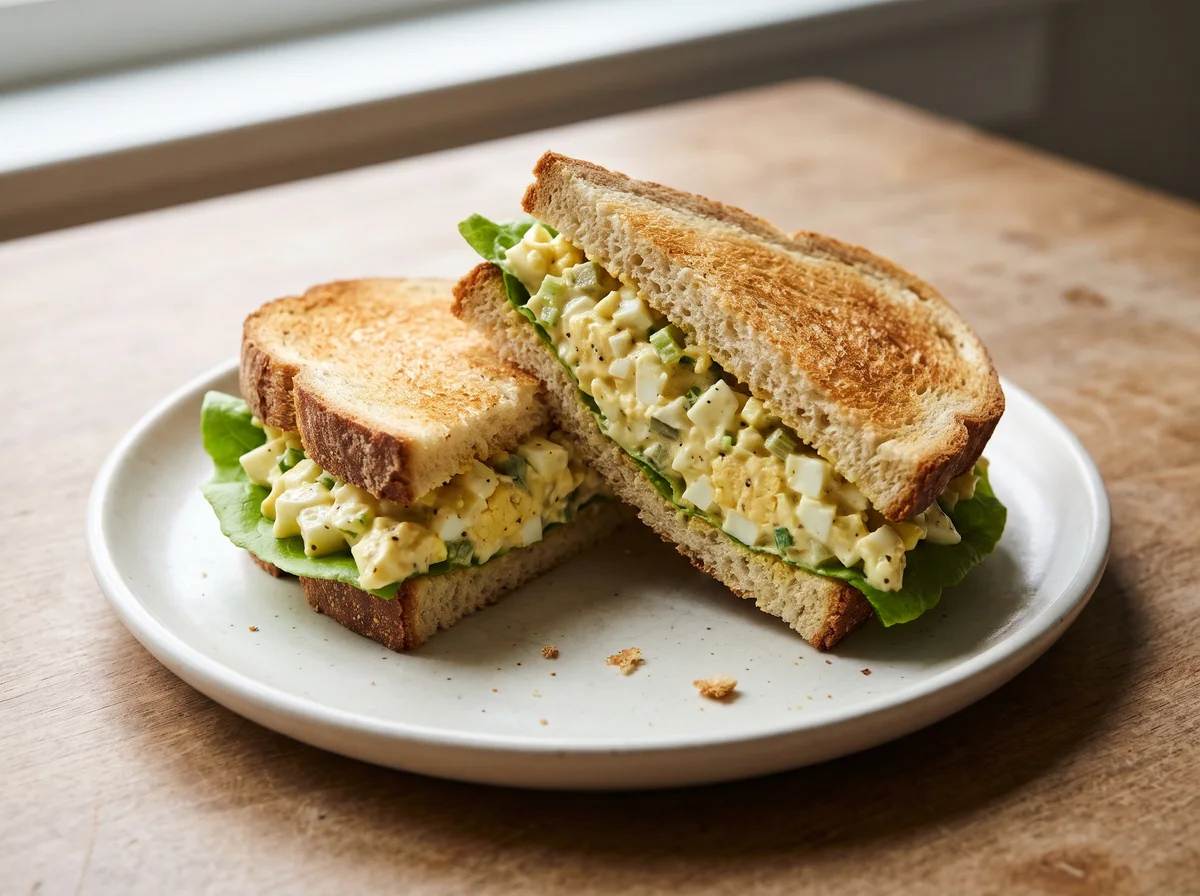
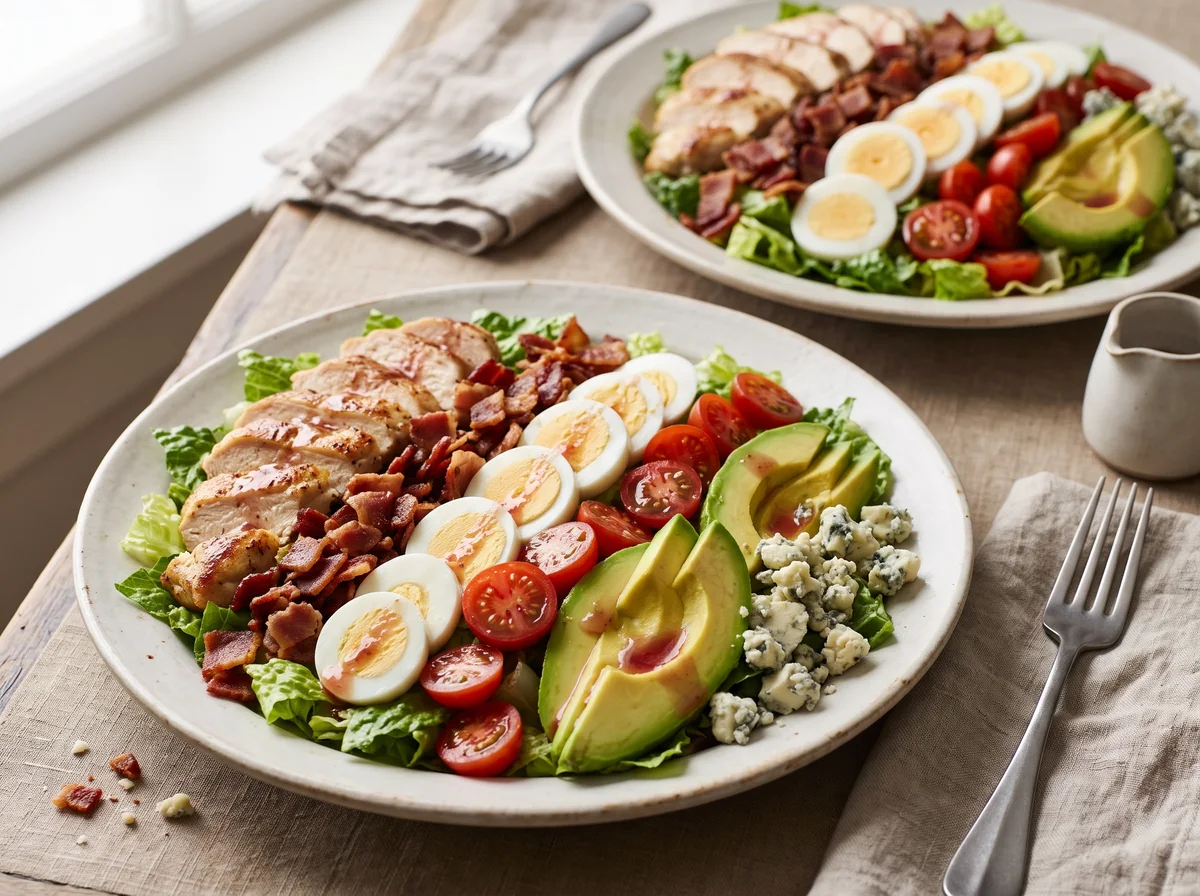
If you want eggs for egg salad, aim for the full 12-minute rest so the yolks mash smoothly. For snack eggs or salad toppings, 10 to 11 minutes can leave the yolks a little softer and less dry. If you intentionally prefer a soft or jammy yolk, use pasteurized eggs and do not serve undercooked eggs to pregnant people, older adults, young children, or anyone with a weakened immune system.
You can also season after peeling. A pinch of salt and black pepper is the simplest finish, but a dusting of paprika, chili crisp, or everything bagel seasoning turns plain eggs into a fast breakfast. Keep the eggs whole until serving if you want the freshest texture.
- For egg salad: cook to fully firm yolks
- For snack trays: stop a minute earlier for a softer bite
- Season after peeling for the cleanest flavor
Store and use them safely
Once the eggs are cool, dry them and refrigerate them promptly. Perishable food should go into the fridge within 2 hours, or within 1 hour if the room is above 90 F, and the fridge should be 40 F or below. Do not leave eggs to finish cooling on the counter for long periods.
Hard-boiled eggs are best used within 3 to 4 days. If you peel them, store them in a covered container so they do not dry out or pick up odors. If you use chopped eggs in salads or sandwiches, keep the filling cold until serving.
Sources: FoodSafety.gov: Four steps to food safetyFoodSafety.gov: Cold storage chart
Common questions
Why do my hard-boiled eggs get a gray ring around the yolk?
That ring usually means the eggs stayed in hot water a little too long. Shorten the covered rest by a minute or cool them faster in ice water as soon as the timer ends.
Do older eggs peel easier than fresh eggs?
Usually yes. Slightly older eggs tend to release the shell more cleanly, which can help when you want neat whites for slicing or stuffing.
Can I hard boil eggs ahead of time?
Yes. Chill them promptly after cooking, then keep them refrigerated in a covered container. Use them within 3 to 4 days for the best quality.