Start with the right pan and ratio
For 2 eggs, plan on 1 teaspoon butter or oil, a pinch of salt, and a small nonstick skillet, about 8 inches wide. Use a silicone spatula or wooden spoon and a bowl for whisking. A fork works too, but a whisk blends the whites and yolks more evenly.
Cold eggs from the fridge are fine. If you like a richer result, whisk in 1 teaspoon cream or whole milk per 2 eggs. Keep the liquid small. Too much can thin the flavor and make the eggs seem watery instead of creamy.
| Eggs | Fat | Optional liquid | Serves |
|---|---|---|---|
| 2 | 1 tsp butter | Up to 1 tsp cream or milk | 1 |
| 4 | 2 tsp butter | Up to 2 tsp cream or milk | 2 |
| 6 | 1 tbsp butter | Up to 1 tbsp cream or milk | 3 |
Cook them slowly and keep the curds moving
Crack the eggs into a bowl, add salt and pepper if you want them evenly seasoned, then whisk until the mixture looks uniform and no streaks of white remain. You do not need to beat in much air; just combine them well.
Set the skillet over low to medium-low heat. Add the butter and let it melt without browning. Pour in the eggs, wait about 10 seconds, then start stirring with a spatula. Push the set edges toward the center and scrape the bottom of the pan so the eggs cook in soft layers.
Keep the eggs moving gently, not constantly. When the curds are mostly set but still look glossy, take the pan off the heat. Residual heat will finish them in about 30 to 60 seconds. If you want to add cheese or herbs, fold them in at the end.
- Whisk until the eggs look evenly yellow and slightly foamy, not stringy.
- Use low heat. If the butter browns quickly, the pan is too hot.
- Remove the pan while the eggs still look a little shiny, not dry.
Match the heat to the texture you want
The same basic method can give you softer, custardy eggs or a firmer diner-style scramble. The key is how long you leave the eggs on the heat after the first curds form. For softer eggs, pull them earlier. For firmer eggs, give them a little more time, but do not wait until they look dry in the pan.
If you prefer eggs that are still very soft or slightly underdone, use pasteurized eggs. That lowers risk compared with raw or runny eggs, but it is still best to fully cook eggs for children, older adults, pregnant people, and anyone with a weakened immune system.
For a crowd, make smaller batches. A crowded pan steams the eggs and makes them tougher. Two to four eggs at a time is easier to control than a large pan full of mixture.
| Style | Heat | Stirring | Stop cooking when |
|---|---|---|---|
| Soft and custardy | Low | Gentle, steady folds | The eggs still look glossy and flow slowly |
| Classic diner-style | Low to medium-low | More frequent scraping and folding | The curds are set but still moist |
| Firm | Medium-low | Less stirring, longer contact with the pan | No visible wet sheen remains |
Common mistakes and how to fix them
Rubbery eggs usually mean the heat was too high or the eggs stayed on the burner too long. Next time, lower the heat and pull the pan earlier. If the eggs are already overcooked, serve them on toast or with sauce so they are easier to eat, but do not rely on liquid add-ins to make them safe or tender again.
If the eggs stick, the pan was either too hot or not greased enough. Melt the butter before the eggs go in, and use a nonstick skillet or a well-seasoned pan. If the first stir is difficult, wait a few more seconds before scraping the bottom.
If the curds are tiny and grainy, you likely stirred too aggressively or cooked too hot. Slow down. Soft scramble is about patience, not speed. If the eggs turn watery, check whether you added too much milk or crowded in wet vegetables that should have been cooked separately first.
- Too hot: lower the burner and briefly lift the pan off the heat if needed.
- Too dry: stop cooking earlier next time and rely on residual heat.
- Too watery: reduce add-ins like milk and cook wet vegetables first.
Easy ways to change the flavor
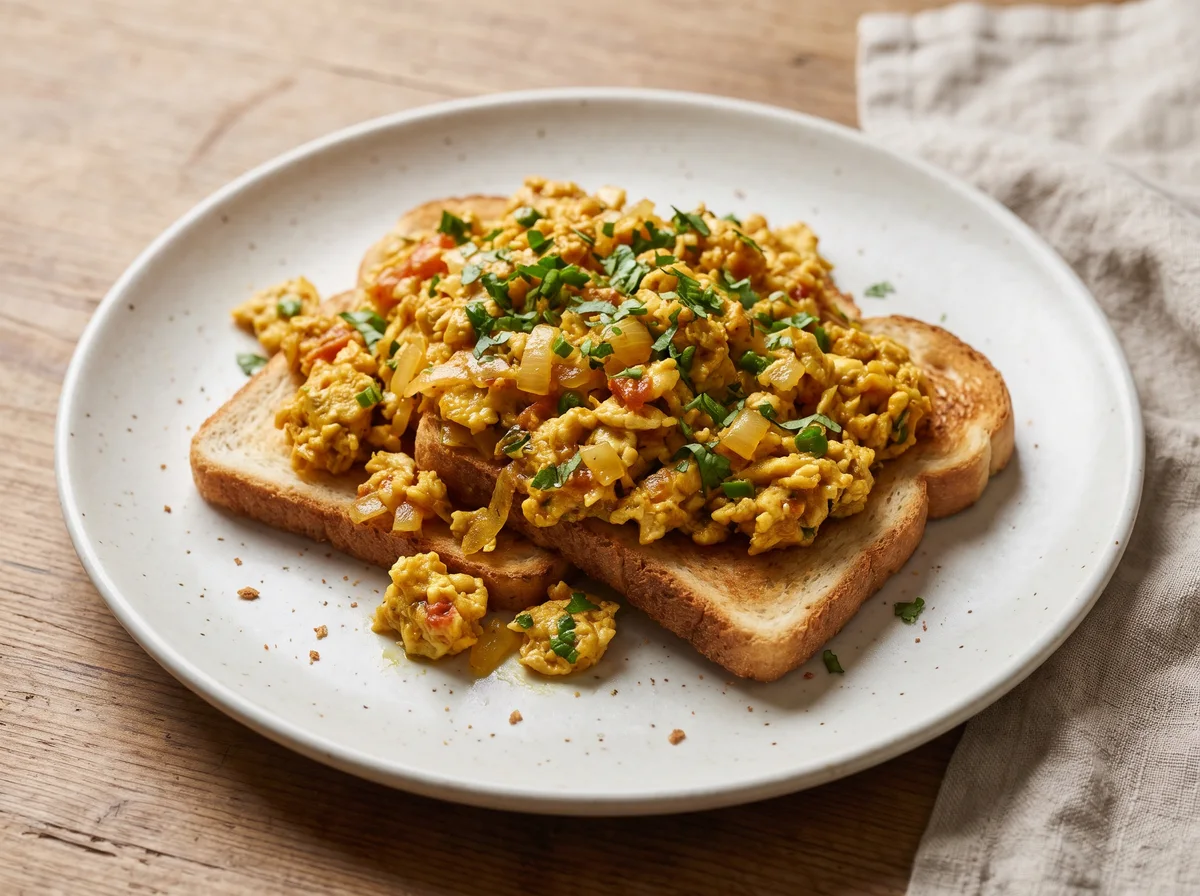
Once you know the basic method, scrambled eggs become a template. Fold in chopped chives, parsley, scallions, or a spoonful of pesto at the end for freshness. For a richer finish, stir in grated cheese after the pan comes off the heat so it melts without clumping.
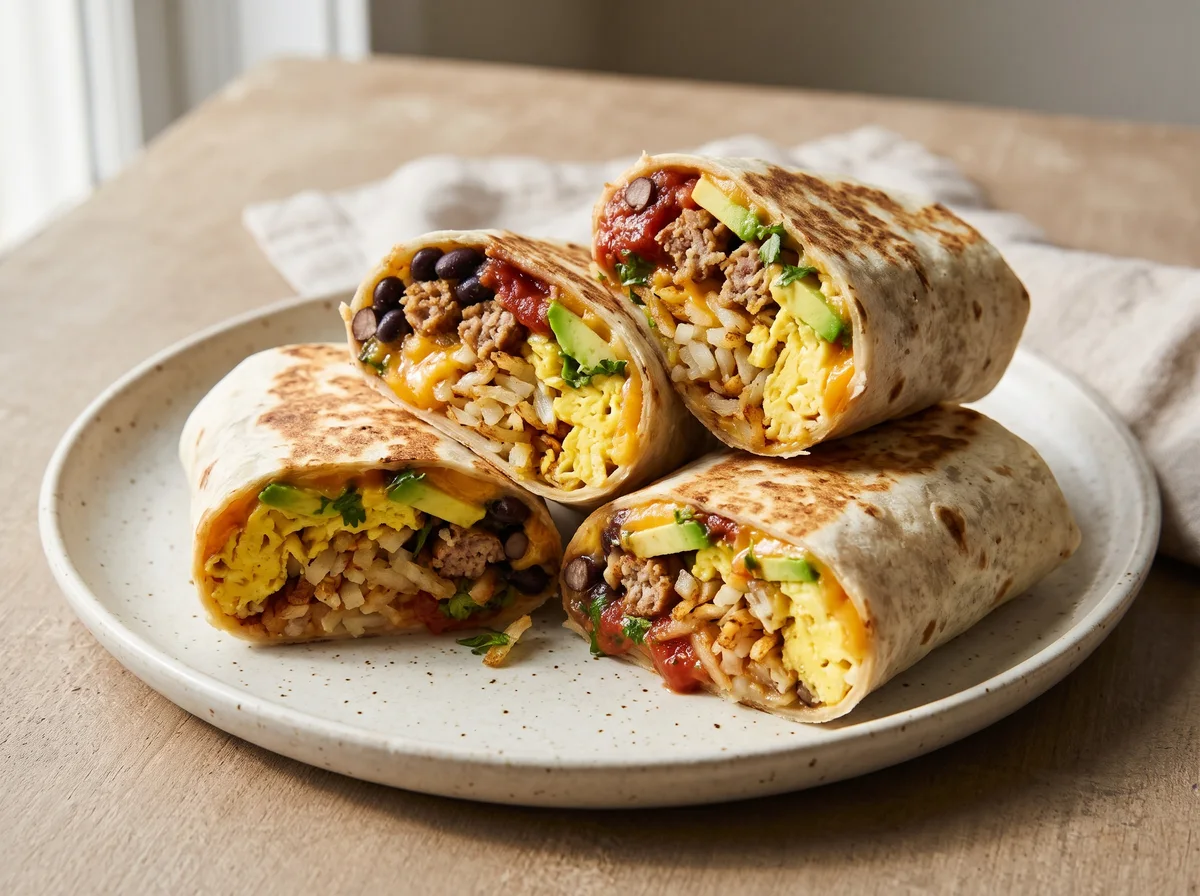
Vegetable add-ins work best when they are already cooked or very dry. Sauté mushrooms, onions, or spinach first, then fold them into the eggs. For breakfast burritos, keep the eggs slightly softer than you want to eat them, because they will firm up inside the tortilla.
For a creamier style, whisk in a teaspoon of crème fraîche per 2 eggs after cooking. For a savory diner version, finish with black pepper and a small pat of butter. If you like heat, add chili flakes or hot sauce.
- Cheese goes in at the end, not at the beginning.
- Cook watery vegetables before adding them.
- Keep burrito eggs a touch softer than plated eggs.
Serve promptly and store leftovers safely
For fully cooked scrambled eggs, a good safety target is 160F. The eggs should be set with no loose liquid in the pan. Soft, runny eggs are a higher-risk choice, so if that is your preference, use pasteurized eggs and avoid serving them to vulnerable groups.
Serve scrambled eggs right away when you can. Refrigerate leftovers within 2 hours, or within 1 hour if the room is above 90F. Keep the refrigerator at 40F or colder, and use leftovers within 3 to 4 days. Reheat leftovers to 165F. Do not rely on a raw-food minimum temperature for leftovers, and do not leave them on the counter to finish cooling.
Sources: FDA: Natural toxins in foodFoodSafety.gov: Safe minimum internal temperaturesFoodSafety.gov: Cold storage chart
Common questions
Do I need milk in scrambled eggs?
No. Milk is optional. Use a very small amount if you want slightly softer eggs, but too much can make the scramble looser and less flavorful.
Why are my scrambled eggs rubbery?
Usually the pan was too hot or the eggs cooked too long. Lower the heat, stir more gently, and pull the pan off the burner while the eggs are still a little glossy.
Can I make scrambled eggs ahead of time?
They are best fresh. If you do make them ahead, refrigerate them promptly and reheat leftovers to 165F. The texture will firm up after chilling.
Are soft scrambled eggs safe?
They can be a higher-risk choice because they are not fully cooked. If you want very soft eggs, use pasteurized eggs, and serve fully cooked eggs to children, older adults, pregnant people, and anyone with a weakened immune system.