Zucchini egg skillet
A fast, savory skillet for 2 that layers zucchini, tomatoes, and peppers under softly set eggs. The vegetables cook down first so they turn jammy instead of watery, then the eggs finish under a lid in the same pan. Feta and parsley add a salty, fresh finish without needing a separate sauce.

Estimated calories and US ingredient costs.
This recipe scales best by using a wider skillet rather than simply doubling ingredients in the same pan. For 4 servings, use a 12-inch skillet so the vegetables can reduce in a shallow layer and the eggs have space to set evenly. Keep the same heat cues and covered-cook time, checking the eggs rather than relying on a longer fixed timer.
Your whole cook, in one place.
Ingredients, steps and a live timeline. Ready for 2 people.
Step timeline
Cooking order
8 leftPrep the vegetables
~1 minPrep the vegetables.
Heat a 10-inch skillet over medium heat while you prep the vegetables.
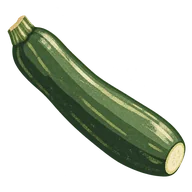
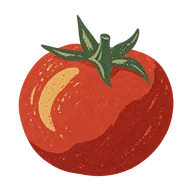
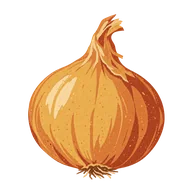
Slice the 12 oz zucchini, dice the 8 oz tomatoes and 4 oz red bell pepper, and thinly slice the 2 oz onion.
This dish cooks best when the vegetables are cut small enough to soften quickly and leave room for the eggs.
Ingredients
- 12 ozZucchini, halved lengthwise and sliced 1/4 inch thick
- 8 ozTomatoes
- 4 ozRed bell pepper
- 2 ozYellow onion
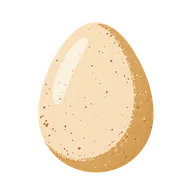
- 4 total for recipeLarge eggs

Build the savory base
~6 minBuild the savory base.
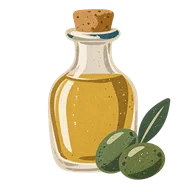
Add the 1 tbsp olive oil to the skillet, then the onion and bell pepper.
Cook for 4 to 5 minutes, stirring often, until the onion softens and the pepper starts to lose its raw crunch.
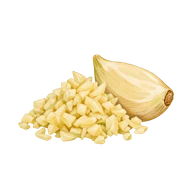
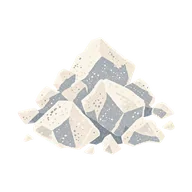
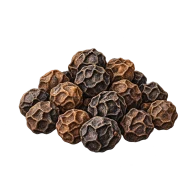
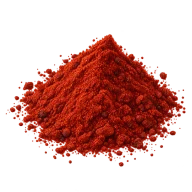
Stir in the 2 tsp minced garlic, 1/2 tsp kosher salt, 1/4 tsp black pepper, and 1/2 tsp smoked paprika, then cook for 30 seconds to toast the spices without browning the garlic.
Ingredients
- 2 oz total for recipeYellow onion
- 2 tspGarlic
- 1 tbspOlive oil
- 1/2 tspKosher salt
- 1/4 tspBlack pepper
- 1/2 tspSmoked paprika
Cook the zucchini until it starts to collapse
~6 minCook the zucchini until it starts to collapse.
Add the sliced zucchini and toss to coat in the oil and seasonings.
Cook for 4 to 6 minutes, stirring every minute or so, until the zucchini turns glossy and begins to soften at the edges.
If the pan looks dry before the zucchini releases moisture, splash in 1 to 2 tbsp water to prevent scorching.
Ingredients
- 12 oz total for recipeZucchini, halved lengthwise and sliced 1/4 inch thick
- 1 tbsp total for recipeOlive oil
Reduce the tomatoes into a thick sauce
~4 minReduce the tomatoes into a thick sauce.
Stir in the diced tomatoes and cook for 3 to 4 minutes, stirring and scraping the pan, until the mixture looks saucy and the liquid has reduced enough that it clings to the vegetables.
If the tomatoes are especially juicy, keep cooking until the skillet mixture no longer looks watery; the eggs will set more cleanly in a thicker base.
Ingredients
- 8 oz total for recipeTomatoes
Make wells and add the eggs
~1 minMake wells and add the eggs.
Use the back of a spoon to make 4 small wells in the vegetable mixture.
Crack 1 large egg into each well, spacing them evenly so the whites do not run together.
Reduce the heat to medium-low, then cover the skillet with a lid.
Ingredients
- 4 total for recipeLarge eggs
Steam the eggs to a safe set
~7 min cookSteam the eggs to a safe set.
Cook covered for 5 to 7 minutes, until the whites are opaque and set and the yolks are no longer runny; for food safety, the eggs should reach 160 F.
If the edges are setting faster than the centers, keep the lid on and lower the heat slightly.
Avoid overcooking, which can make the yolks rubbery.
Finish with feta and parsley
After ~7 minFinish with feta and parsley.
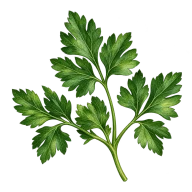
Remove the skillet from the heat and scatter the 2 oz crumbled feta and 2 tbsp chopped parsley over the top.
Let the skillet sit for 1 minute so the cheese softens slightly
Ingredients
- 2 tbspParsley
Serve meal
~1 minOnce all dishes are cooked and ready, plate and serve the meal together.
Zucchini egg skillet: then serve directly from the pan with the eggs intact and the vegetables spooned underneath.
Make the next one yours.
Create a custom meal with what you have.
Read the traditional recipe
Ingredients
For 2 people
- 12 oz zucchini, halved lengthwise and sliced 1/4 inch thick
- 8 oz tomatoes, diced
- 4 oz red bell pepper, diced
- 2 oz yellow onion, thinly sliced
- 2 tsp minced garlic
- 1 tbsp olive oil
- 1/2 tsp kosher salt
- 1/4 tsp black pepper
- 1/2 tsp smoked paprika
- 4 large eggs
- 2 oz feta cheese, crumbled
- 2 tbsp chopped parsley
Method
- Prep the vegetablesHeat a 10-inch skillet over medium heat while you prep the vegetables. Slice the 12 oz zucchini, dice the 8 oz tomatoes and 4 oz red bell pepper, and thinly slice the 2 oz onion. This dish cooks best when the vegetables are cut small enough to soften quickly and leave room for the eggs.
- Build the savory baseAdd the 1 tbsp olive oil to the skillet, then the onion and bell pepper. Cook for 4 to 5 minutes, stirring often, until the onion softens and the pepper starts to lose its raw crunch. Stir in the 2 tsp minced garlic, 1/2 tsp kosher salt, 1/4 tsp black pepper, and 1/2 tsp smoked paprika, then cook for 30 seconds to toast the spices without browning the garlic.
- Cook the zucchini until it starts to collapseAdd the sliced zucchini and toss to coat in the oil and seasonings. Cook for 4 to 6 minutes, stirring every minute or so, until the zucchini turns glossy and begins to soften at the edges. If the pan looks dry before the zucchini releases moisture, splash in 1 to 2 tbsp water to prevent scorching.
- Reduce the tomatoes into a thick sauceStir in the diced tomatoes and cook for 3 to 4 minutes, stirring and scraping the pan, until the mixture looks saucy and the liquid has reduced enough that it clings to the vegetables. If the tomatoes are especially juicy, keep cooking until the skillet mixture no longer looks watery; the eggs will set more cleanly in a thicker base.
- Make wells and add the eggsUse the back of a spoon to make 4 small wells in the vegetable mixture. Crack 1 large egg into each well, spacing them evenly so the whites do not run together. Reduce the heat to medium-low, then cover the skillet with a lid.
- Steam the eggs to a safe setCook covered for 5 to 7 minutes, until the whites are opaque and set and the yolks are no longer runny; for food safety, the eggs should reach 160 F. If the edges are setting faster than the centers, keep the lid on and lower the heat slightly. Avoid overcooking, which can make the yolks rubbery.
- Finish with feta and parsleyRemove the skillet from the heat and scatter the 2 oz crumbled feta and 2 tbsp chopped parsley over the top. Let the skillet sit for 1 minute so the cheese softens slightly, then serve directly from the pan with the eggs intact and the vegetables spooned underneath.
Before you cook
What to get ready
Nonstick or well-seasoned skillet, lid if directed, spatula and small egg bowl.
Cook zucchini and tomato down before making wells for eggs.
If something needs adjusting
Eggs spread through watery vegetables
Reduce the base until a spoon leaves a short trail, then add eggs and cover gently.
Eggs set unevenly
Use gentle heat and an even layer. Cook ordinary eggs until whites and yolks are firm; egg mixtures should reach 160°F.
Store for later
Refrigerate cooked egg dishes promptly in shallow containers. Reheat leftovers to 165°F; for the best texture, prepare fresh eggs over any separately stored vegetable base.
Refrigerate perishables within 2 hours, or 1 hour above 90°F. Keep the fridge at 40°F or below; use refrigerated leftovers within 3–4 days. USDA storage and reheating guidance.
Make the ingredients go further
Use extra feta and tomatoes in a Greek salad.
Next use for your ingredients: Greek salad →
Calculate this meal with your own prices →
How to Use a Food Thermometer →
Cooking notes updated October 24, 2026. How we create recipes.
Tips, swaps and questions
A little kitchen know-how
The key to a good skillet like this is reducing the tomato liquid before adding the eggs. If the base is watery, the whites take longer to set and the flavors taste diluted. A wide skillet helps the vegetables cook in a thin layer, which gives you better browning and a cleaner final texture.
Make it work for you
If you want a richer version, swap the feta for 2 oz goat cheese, which melts more softly into the vegetables. For a dairy-free skillet, leave out the cheese and finish with an extra pinch of salt plus 1 tsp lemon juice after cooking. Both changes work best if you keep the tomato mixture fairly thick before adding the eggs.
Use more of your zucchini and eggs in green shakshuka.
Can I make this zucchini egg skillet ahead of time?
You can cook the vegetable base ahead and refrigerate it for up to 3 days, then reheat it in a skillet until steaming hot before adding fresh eggs. For the best texture, do not fully cook the eggs in advance, since reheated yolks and whites become rubbery. Leftovers should be refrigerated within 2 hours and reheated to 165 F.
Times are estimates. Check ingredients for allergens. For safe temperatures and storage, see FoodSafety.gov.