Bibimbap
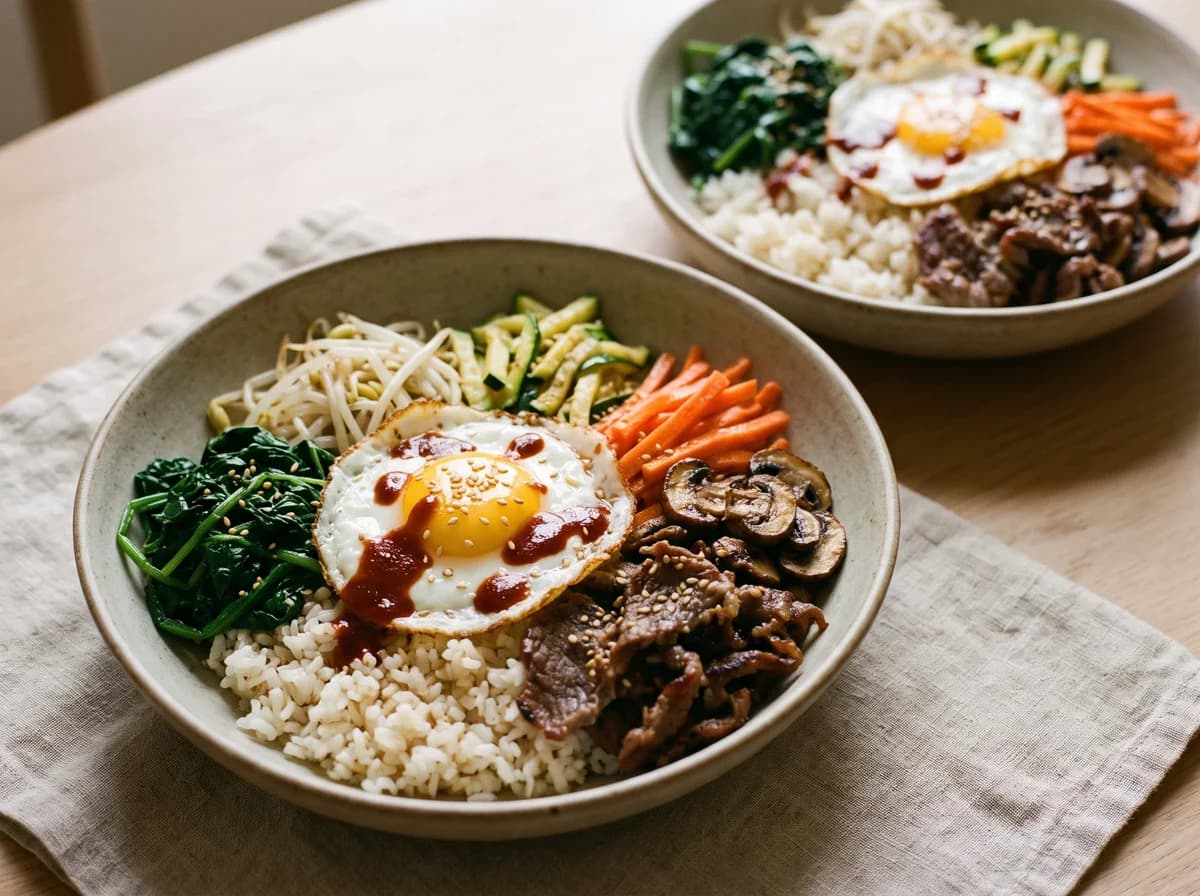
A classic bibimbap-style rice bowl for 2, built with seasoned short-grain rice, sautéed vegetables, quick-seared beef, fried eggs, and a gochujang-sesame sauce. The components are cooked separately so each vegetable keeps its own color and texture, then arranged over hot rice and mixed at the table for a glossy, savory bowl.
Estimated calories and US ingredient costs.
For more than 2 servings, use a wider skillet or cook the vegetables in batches so they brown instead of steaming. Keep the rice hot in a covered pot, and fry the eggs last so the yolks stay soft. Do not increase the pan heat or shorten the cooking times when scaling up, since the vegetables need room to release moisture and sear properly.
Your whole cook, in one place.
Ingredients, steps and a live timeline. Ready for 2 people.
Step timeline
Cooking order
9 leftMix the sauce
~8 minMix the sauce.
Stir together the gochujang, rice vinegar, sugar, 1 tbsp water, and 1 tsp toasted sesame oil in a small bowl until smooth.
Set it aside so the sugar dissolves while you cook the bowl components.
Ingredients
- 2 tbspGochujang
- 1 tbspRice vinegar
- 1 tsp total for recipeSugar
- 1 tbspWater
- 1 tspToasted sesame oil, divided





Season the beef
~8 minSeason the beef.
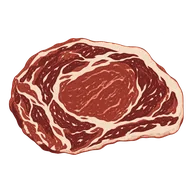
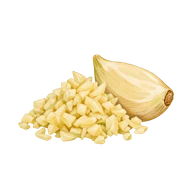
Toss the thinly sliced beef with 1 tsp minced garlic, 1 tbsp soy sauce, and 2 tsp neutral oil.
Let it sit while you prepare the vegetables so the surface seasons without needing a long marinade.
Ingredients
- 6 oz total for recipeBeef sirloin
- 1 tspGarlic
- 1 tbspLow-sodium soy sauce
- 2 tspNeutral oil, divided
Blanch the spinach and sprouts
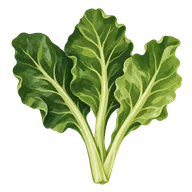
~1 minBlanch the spinach and sprouts.
Bring a medium saucepan of water to a boil.
Add the spinach and cook for 30 seconds, then add the bean sprouts and cook 30 seconds more.
Drain well, rinse briefly under cool water, and squeeze the spinach dry.
Season the spinach with a pinch of salt and 1 tsp sesame oil; lightly season the bean sprouts with a pinch of salt and 1 tsp sesame oil.
Ingredients
- 4 oz total for recipeSpinach, tough stems trimmed
- 5 oz total for recipeBean sprouts
- 1 tbsp total for recipeWater
- 1/2 tsp total for recipeFine salt, divided


Cook the zucchini and carrot
~5 minCook the zucchini and carrot.
Heat 1 tsp neutral oil in a 12-inch skillet over medium-high heat.
Stir-fry the zucchini with a pinch of salt for 2 to 3 minutes until bright green and just tender.
Add the carrot to the same skillet with another 1 tsp neutral oil and a pinch of salt and cook 1 to 2 minutes until slightly softened but still crisp.
Transfer beside the zucchini.
Ingredients
- 4 oz total for recipeZucchini, julienned
- 3 oz total for recipeCarrot, julienned
- 1 tsp + 1 tspNeutral oil, divided
- 1/2 tsp total for recipeFine salt, divided


Brown the mushrooms
~5 minBrown the mushrooms.
Add the remaining 1 tsp neutral oil to the skillet and cook the mushrooms over medium-high heat for 3 to 4 minutes, stirring occasionally, until they release moisture and then take on light browning.
Add the remaining 1 tsp minced garlic and cook 30 seconds more, then move the mushrooms to another plate.
Ingredients
- 4 oz total for recipeCremini mushrooms
- 1 tspGarlic
- 1 tspNeutral oil, divided

Sear the beef
~4 minSear the beef.
Return the skillet to medium-high heat and cook the beef in a single layer for 1 to 2 minutes per side, just until browned and cooked through.
Because the slices are thin, they should be fully done without drying out.
Remove from the pan and keep warm.
Fry the eggs and warm the rice
~4 minFry the eggs and warm the rice.
Wipe out the skillet if needed and reduce the heat to medium.
Fry the eggs in the remaining 1 tsp neutral oil until the whites are set and the yolks are still soft, about 3 to 4 minutes.
Warm the rice in the microwave or a covered saucepan with 1 tbsp water until hot and fluffy.
Ingredients
- 2 cups total for recipeCooked short-grain white rice, warm
- 2 total for recipeLarge eggs
- 1 tbspWater
- 1 tspNeutral oil, divided

Assemble and serve
~8 minAssemble
Arrange the spinach, bean sprouts, zucchini, carrot, mushrooms, and beef in separate sections on top, then set an egg in the center of each bowl.
Spoon the sauce over the eggs or serve it alongside.
Sprinkle with sesame seeds
Ingredients
- 6 oz total for recipeBeef sirloin
- 4 oz total for recipeSpinach, tough stems trimmed
- 4 oz total for recipeZucchini, julienned
- 3 oz total for recipeCarrot, julienned
- 5 oz total for recipeBean sprouts
- 4 oz total for recipeCremini mushrooms
Serve meal
~1 minOnce all dishes are cooked and ready, plate and serve the meal together.
Bibimbap: Transfer to a plate.
Bibimbap: serve.
Bibimbap: Divide the rice between 2 bowls.
Bibimbap: serve immediately so the rice stays hot and the vegetables keep their distinct texture.
Make the next one yours.
Create a custom meal with what you have.
Read the traditional recipe
Ingredients
For 2 people
- 2 cups cooked short-grain white rice, warm
- 6 oz beef sirloin, very thinly sliced
- 2 large eggs
- 4 oz spinach, tough stems trimmed
- 4 oz zucchini, julienned
- 3 oz carrot, julienned
- 5 oz bean sprouts, rinsed and drained
- 4 oz cremini mushrooms, sliced
- 2 tsp minced garlic
- 1 tbsp low-sodium soy sauce
- 2 tbsp gochujang
- 1 tbsp rice vinegar
- 1 tsp sugar
- 1 tbsp water
- 2 tsp toasted sesame oil, divided
- 2 tbsp neutral oil, divided
- 1/2 tsp fine salt, divided
- 1 tbsp toasted sesame seeds
Method
- Mix the sauceStir together the gochujang, rice vinegar, sugar, 1 tbsp water, and 1 tsp toasted sesame oil in a small bowl until smooth. Set it aside so the sugar dissolves while you cook the bowl components.
- Season the beefToss the thinly sliced beef with 1 tsp minced garlic, 1 tbsp soy sauce, and 2 tsp neutral oil. Let it sit while you prepare the vegetables so the surface seasons without needing a long marinade.
- Blanch the spinach and sproutsBring a medium saucepan of water to a boil. Add the spinach and cook for 30 seconds, then add the bean sprouts and cook 30 seconds more. Drain well, rinse briefly under cool water, and squeeze the spinach dry. Season the spinach with a pinch of salt and 1 tsp sesame oil; lightly season the bean sprouts with a pinch of salt and 1 tsp sesame oil.
- Cook the zucchini and carrotHeat 1 tsp neutral oil in a 12-inch skillet over medium-high heat. Stir-fry the zucchini with a pinch of salt for 2 to 3 minutes until bright green and just tender. Transfer to a plate. Add the carrot to the same skillet with another 1 tsp neutral oil and a pinch of salt and cook 1 to 2 minutes until slightly softened but still crisp. Transfer beside the zucchini.
- Brown the mushroomsAdd the remaining 1 tsp neutral oil to the skillet and cook the mushrooms over medium-high heat for 3 to 4 minutes, stirring occasionally, until they release moisture and then take on light browning. Add the remaining 1 tsp minced garlic and cook 30 seconds more, then move the mushrooms to another plate.
- Sear the beefReturn the skillet to medium-high heat and cook the beef in a single layer for 1 to 2 minutes per side, just until browned and cooked through. Because the slices are thin, they should be fully done without drying out. Remove from the pan and keep warm.
- Fry the eggs and warm the riceWipe out the skillet if needed and reduce the heat to medium. Fry the eggs in the remaining 1 tsp neutral oil until the whites are set and the yolks are still soft, about 3 to 4 minutes. Warm the rice in the microwave or a covered saucepan with 1 tbsp water until hot and fluffy.
- Assemble and serveDivide the rice between 2 bowls. Arrange the spinach, bean sprouts, zucchini, carrot, mushrooms, and beef in separate sections on top, then set an egg in the center of each bowl. Spoon the sauce over the eggs or serve it alongside. Sprinkle with sesame seeds and serve immediately so the rice stays hot and the vegetables keep their distinct texture.
Before you cook
What to get ready
Lidded rice saucepan, fork, separate pan for toppings or sauce and shallow containers for leftovers.
Arrange separate bowls for each cooked vegetable so moisture does not pool in the rice.
If something needs adjusting
Toppings turn watery
Squeeze blanched spinach gently and drain sprouts before seasoning; cook mushrooms until their water evaporates.
Rice is wet after the heat is turned off
Let it rest covered before fluffing. Use the liquid ratio for the rice variety specified rather than substituting a different grain without adjusting.
Store for later
Cool rice promptly in shallow portions and refrigerate with cooked components stored separately from raw toppings. Reheat to 165°F; reheating cannot make poorly stored rice safe.
Refrigerate perishables within 2 hours, or 1 hour above 90°F. Keep the fridge at 40°F or below; use refrigerated leftovers within 3–4 days. USDA storage and reheating guidance.
Make the ingredients go further
Use small quantities of carrots, zucchini and mushrooms already in the fridge.
Next use for your ingredients: Vegetable and egg fried rice →
Calculate this meal with your own prices →
Cooking notes updated October 24, 2026. How we create recipes.
Tips, swaps and questions
A little kitchen know-how
For the best bibimbap texture, cook each vegetable separately and season it lightly at the end rather than combining everything in one skillet. If your gochujang is especially salty or thick, loosen it with an extra teaspoon of water instead of adding more soy sauce, which can overpower the bowl.
Make it work for you
You can swap the beef for extra-firm tofu cut into cubes and seared until golden, but press it well first and brown it in a little more oil so it develops a crust. If you use mushrooms in place of meat, add a little extra soy sauce to the pan for savory depth, since tofu and vegetables absorb seasoning differently.
Use more of your spinach and zucchini in vegetable lasagna.
Can I make bibimbap ahead of time?
Yes, but store the components separately for the best texture. Refrigerate the rice, vegetables, beef, sauce, and eggs in covered containers within 2 hours and use them within 3 to 4 days. Reheat the rice and beef until steaming hot, then fry fresh eggs or rewarm cooked eggs only if they will still reach 165°F when reheated.
Times are estimates. Check ingredients for allergens. For safe temperatures and storage, see FoodSafety.gov.