Chickpea potato curry
A weeknight chickpea potato curry with tender potato cubes, a tomato-coconut sauce, and enough body to spoon over rice or scoop with flatbread. The onions are cooked until golden for sweetness, then the spices bloom in oil before the tomatoes and chickpeas simmer together. This makes 2 generous servings and reheats well for lunch the next day.
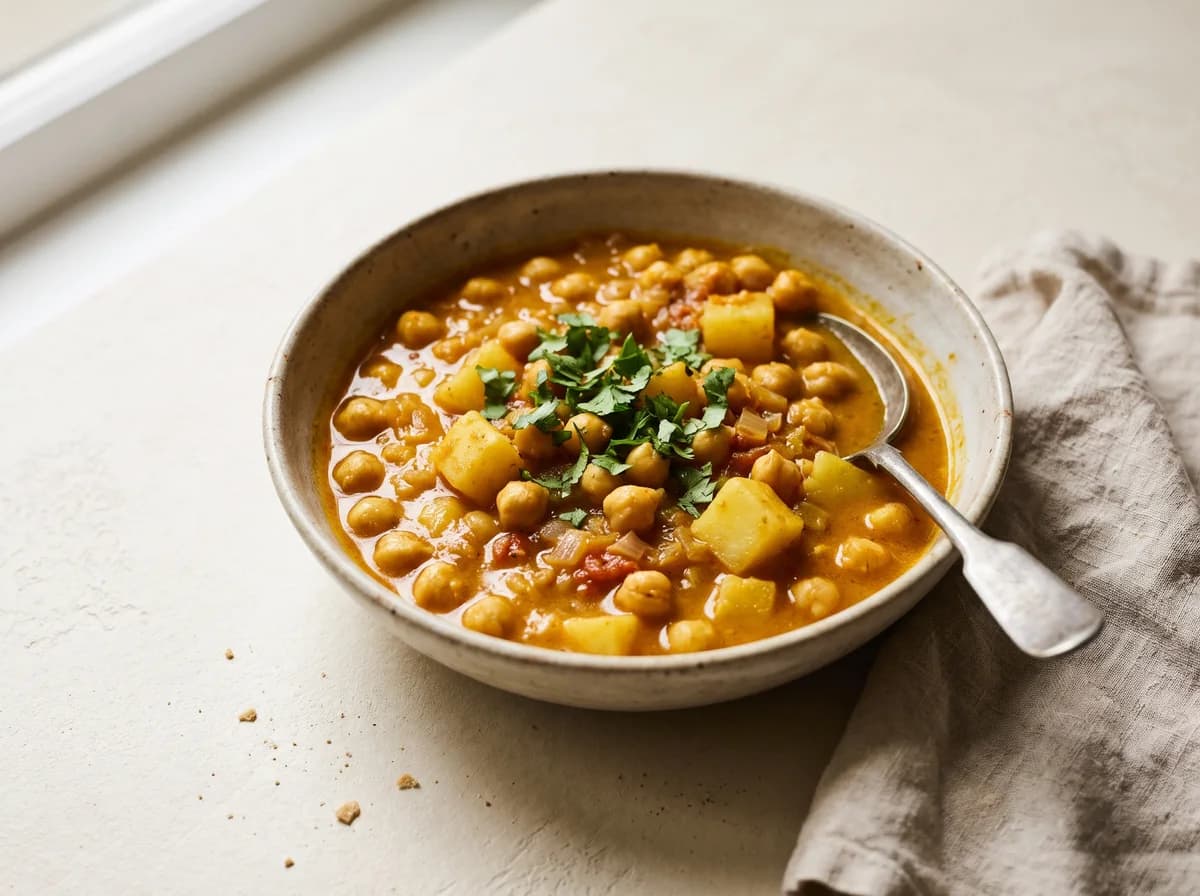
Estimated calories and US ingredient costs.
This recipe scales well by surface area, not just volume. For 4 servings, use a wide 12-inch skillet or a Dutch oven so the potatoes simmer in a shallow layer and cook evenly; keep the same heat and timing, checking for tenderness a few minutes earlier if the pan is crowded. For larger batches, use a wider pot rather than doubling the depth.
Your whole cook, in one place.
Ingredients, steps and a live timeline. Ready for 2 people.
Step timeline
Cooking order
7 leftBrown the onion
~8 minBrown the onion.
Heat 1 tbsp neutral oil in a 10-inch skillet or sauté pan over medium heat.
Add the 6 oz chopped onion and cook, stirring often, for 6 to 8 minutes until softened and starting to turn golden at the edges.
If the pan looks dry before the onion is browned, add 1 tbsp water and keep cooking so the onion deepens in flavor instead of scorching.
Ingredients
- 1 tbspNeutral oil
- 6 ozMedium yellow onion, 6 oz finely chopped
- 1 tbspWater



Toast the spices
~2 minToast the spices.
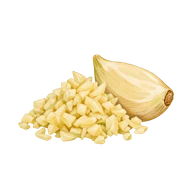
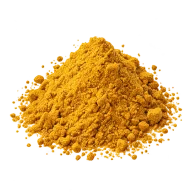
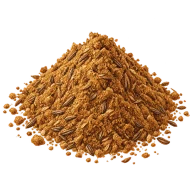
Stir in 2 tsp minced garlic, 1 tbsp minced fresh ginger, 2 tsp curry powder, and 1 tsp ground cumin.
Cook for 30 to 45 seconds, stirring constantly, until fragrant.
Add 1 tbsp tomato paste and cook for 1 minute so it darkens slightly and loses its raw edge.
Ingredients
- 2 tspGarlic
- 1 tbspFresh ginger
- 2 tspCurry powder
- 1 tspGround cumin
- 1 tbspTomato paste

Build the sauce base
~3 minBuild the sauce base.
Add 1 can undrained diced tomatoes, 1 can drained and rinsed chickpeas, 10 oz cubed potato, 1/2 cup water, and 1/2 tsp fine salt.
Stir well, scraping up any browned bits from the pan.
Bring the mixture to a gentle simmer over medium-high heat.
Ingredients
- 10 oz total for recipeYukon Gold potato
- 1 can total for recipeDiced tomatoes, 14 1/2 oz, undrained
- 1 can total for recipeChickpeas, 15 oz
- 1/2 cupWater
- 1/2 tspFine salt

Simmer until the potatoes are tender
~18 minSimmer until the potatoes are tender.
Reduce the heat to medium-low, cover the pan partially, and simmer for 15 to 18 minutes, stirring every few minutes.
The potatoes should become fully tender and the sauce should thicken around the chickpeas.
If the mixture looks too tight before the potatoes are done, add 2 to 4 tbsp water.
Finish with coconut milk
~7 minFinish with coconut milk.
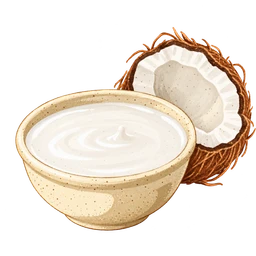
Stir in 1/2 cup well-stirred canned coconut milk and simmer uncovered for 3 to 5 minutes more, just until the curry looks glossy and lightly creamy.
Keep the heat low enough that the coconut milk does not boil hard.
If you want a thicker curry, simmer 1 to 2 minutes longer; if it looks too thick, loosen it with a splash of water.
Ingredients
- 1/2 cup total for recipeCoconut milk
Brighten and season
~2 minBrighten and season.
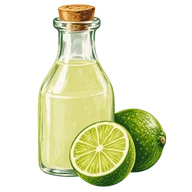
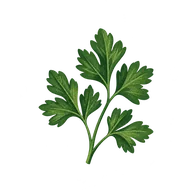
Turn off the heat and stir in 1 tbsp lime juice and 1/4 cup chopped cilantro.
Taste and adjust only by adding a little more lime if you want more brightness or a small pinch more salt if the tomatoes seem flat.
Ingredients
- 1 can total for recipeDiced tomatoes, 14 1/2 oz, undrained
- 1/2 tsp total for recipeFine salt
- 1 tbspLime juice
- 1/4 cupCilantro leaves and tender stems
Serve meal
~1 minOnce all dishes are cooked and ready, plate and serve the meal together.
Chickpea potato curry: Serve hot, spooned into bowls with rice or flatbread for the same meal.
Make the next one yours.
Create a custom meal with what you have.
Read the traditional recipe
Ingredients
For 2 people
- 1 tbsp neutral oil
- 1 medium yellow onion, 6 oz finely chopped
- 10 oz Yukon Gold potato, peeled and cut into 3/4-inch cubes
- 2 tsp minced garlic
- 1 tbsp minced fresh ginger
- 2 tsp curry powder
- 1 tsp ground cumin
- 1 tbsp tomato paste
- 1 can diced tomatoes, 14 1/2 oz, undrained
- 1 can chickpeas, 15 oz, drained and rinsed
- 1/2 cup canned coconut milk, well stirred
- 1/2 cup water
- 1/2 tsp fine salt
- 1 tbsp lime juice
- 1/4 cup cilantro leaves and tender stems, chopped
Method
- Brown the onionHeat 1 tbsp neutral oil in a 10-inch skillet or sauté pan over medium heat. Add the 6 oz chopped onion and cook, stirring often, for 6 to 8 minutes until softened and starting to turn golden at the edges. If the pan looks dry before the onion is browned, add 1 tbsp water and keep cooking so the onion deepens in flavor instead of scorching.
- Toast the spicesStir in 2 tsp minced garlic, 1 tbsp minced fresh ginger, 2 tsp curry powder, and 1 tsp ground cumin. Cook for 30 to 45 seconds, stirring constantly, until fragrant. Add 1 tbsp tomato paste and cook for 1 minute so it darkens slightly and loses its raw edge.
- Build the sauce baseAdd 1 can undrained diced tomatoes, 1 can drained and rinsed chickpeas, 10 oz cubed potato, 1/2 cup water, and 1/2 tsp fine salt. Stir well, scraping up any browned bits from the pan. Bring the mixture to a gentle simmer over medium-high heat.
- Simmer until the potatoes are tenderReduce the heat to medium-low, cover the pan partially, and simmer for 15 to 18 minutes, stirring every few minutes. The potatoes should become fully tender and the sauce should thicken around the chickpeas. If the mixture looks too tight before the potatoes are done, add 2 to 4 tbsp water.
- Finish with coconut milkStir in 1/2 cup well-stirred canned coconut milk and simmer uncovered for 3 to 5 minutes more, just until the curry looks glossy and lightly creamy. Keep the heat low enough that the coconut milk does not boil hard. If you want a thicker curry, simmer 1 to 2 minutes longer; if it looks too thick, loosen it with a splash of water.
- Brighten and seasonTurn off the heat and stir in 1 tbsp lime juice and 1/4 cup chopped cilantro. Taste and adjust only by adding a little more lime if you want more brightness or a small pinch more salt if the tomatoes seem flat. Serve hot, spooned into bowls with rice or flatbread for the same meal.
Before you cook
What to get ready
Heavy saucepan or wide skillet, spoon, small bowls for spices and a rice pot if the recipe includes rice.
Cut potatoes to the listed size and stir coconut milk before measuring.
If something needs adjusting
Potatoes stay firm in the tomato sauce
Continue simmering with enough liquid and check with a fork; acidic sauces can slow softening.
Spices catch on the bottom
Have liquid ready before blooming spices. Lower the heat and add the next liquid promptly rather than letting ground spices blacken.
Store for later
Cool curry in shallow containers and refrigerate rice separately if included. Reheat to 165°F with a little water and stir to heat the center evenly.
Refrigerate perishables within 2 hours, or 1 hour above 90°F. Keep the fridge at 40°F or below; use refrigerated leftovers within 3–4 days. USDA storage and reheating guidance.
Make the ingredients go further
Freeze spare coconut milk in portions for another curry.
Next use for your ingredients: Coconut chickpea and spinach curry →
Calculate this meal with your own prices →
How to Cool and Store Leftovers →
Cooking notes updated October 24, 2026. How we create recipes.
Tips, swaps and questions
A little kitchen know-how
For a deeper, restaurant-style flavor, let the onions go a little further than soft and pale, but stop before they burn. If your curry powder is mild, add an extra 1/4 tsp cumin or a pinch of cayenne with the spices. The sauce will thicken as it sits, so finish it a touch looser than you want on the plate.
Make it work for you
If you do not want coconut milk, replace it with 1/2 cup plain full-fat yogurt stirred in off heat and 2 tbsp extra water, but lower the heat first so it does not curdle. For a different texture, sweet potato can replace Yukon Gold potato, though it softens faster and makes the curry sweeter.
Use more of your chickpeas and onion in chickpea peanut stew.
Can I make this chickpea potato curry ahead of time?
Yes. Cool it quickly, refrigerate within 2 hours, and store covered for 3 to 4 days. Reheat gently on the stove or in the microwave until steaming hot and 165 F throughout. The sauce usually thickens after chilling, so loosen it with a splash of water when reheating. It also freezes well for about 2 months, though the potato texture softens a bit after thawing.
Times are estimates. Check ingredients for allergens. For safe temperatures and storage, see FoodSafety.gov.