Estofado de ternera
A classic beef stew with browned chuck, onions, carrots, potatoes, tomato, paprika, and red wine simmered in one pot until the sauce turns deep and glossy. This recipe makes 2 generous servings of tender beef and vegetables in a savory gravy, with enough body to spoon over the potatoes without becoming heavy or cloudy.
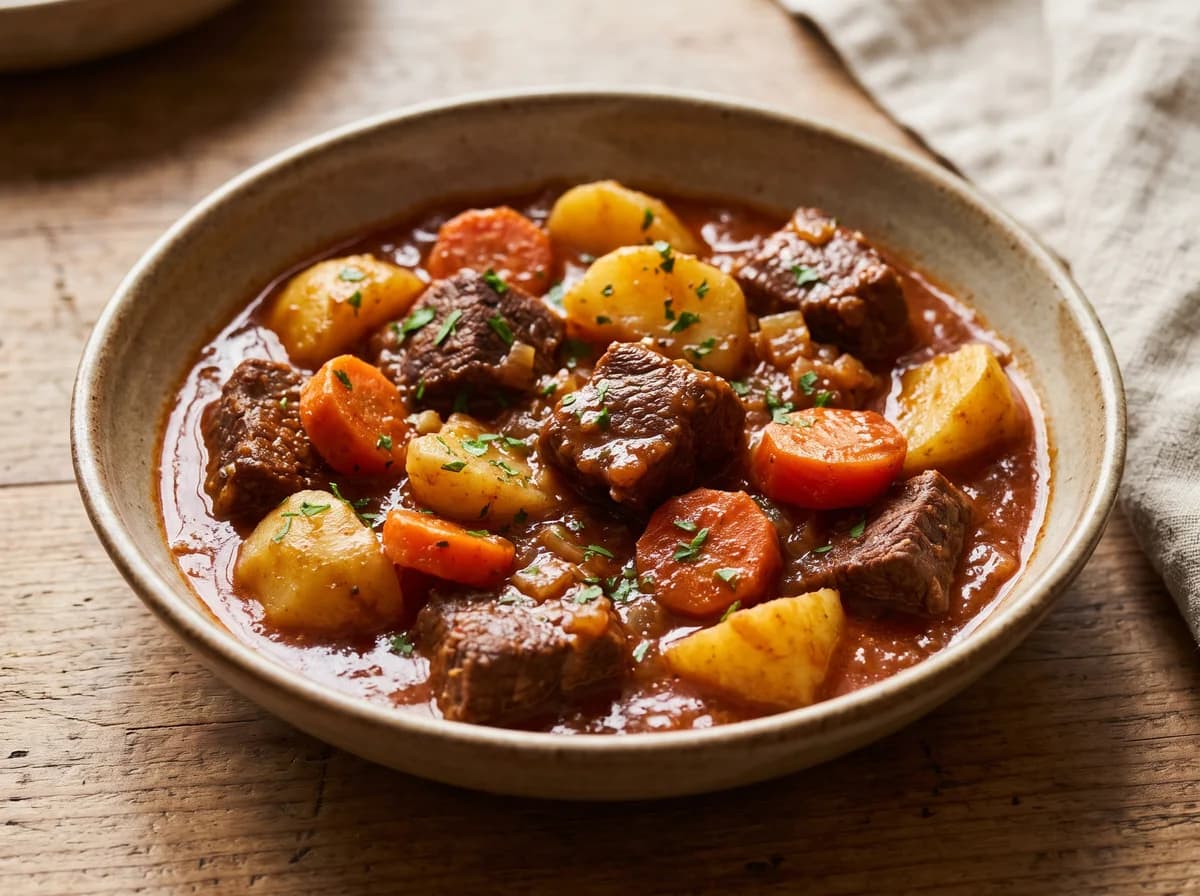
Estimated calories and US ingredient costs.
For 4 servings, use a 5- to 6-quart Dutch oven and keep the same browning and simmering times, but expect the covered braise to take a little longer to return to a simmer after each ingredient addition. Do not narrow the pot too much when scaling, or the meat will steam instead of sear.
Your whole cook, in one place.
Ingredients, steps and a live timeline. Ready for 2 people.
Step timeline
Cooking order
11 leftSeason and dust the beef
~41 minSeason and dust the beef.
Heat the oven to 325 F, or keep the stew on the stovetop for a very gentle simmer.
Season the 1 lb beef chuck with the 1/2 tsp salt and 1/4 tsp black pepper, then toss it with the 1 tbsp all-purpose flour until lightly coated.
The flour should barely cling, not form a paste; it will help the finished stew thicken later.
Ingredients
- 1 lbBeef chuck
- 1 tbspAll-purpose flour
- 1/2 tspKosher salt
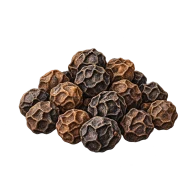
- 1/4 tspBlack pepper
Brown the beef in batches
~8 min cookBrown the beef in batches.
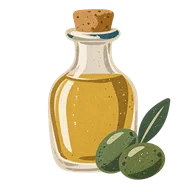
Heat the 1 tbsp olive oil in a heavy 4-quart Dutch oven over medium-high heat.
Add the beef in a single layer and brown on 2 sides, about 6 to 8 minutes total per batch.
Work in batches so the meat sears instead of steaming, and transfer each batch to a plate as it browns.
Ingredients
- 1 lb total for recipeBeef chuck
- 1 tbspOlive oil
Check the dish
After ~8 minCheck Estofado de ternera and continue when ready.
Soften the aromatics
~7 minSoften the aromatics.
Reduce the heat to medium.
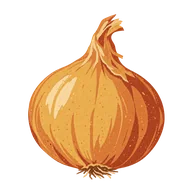
Add the 1 medium yellow onion and 2 medium carrots to the pot, then cook for 5 to 6 minutes, stirring often, until the onion turns translucent and the edges start to color.
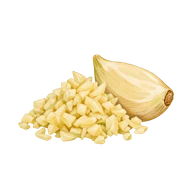
Stir in the 2 tsp minced garlic and cook for 30 seconds, just until fragrant.
Ingredients
- 1 total for recipeMedium yellow onion, 6 oz chopped
- 2Medium carrots, 4 oz peeled and sliced
- 2 tspGarlic
Build the base with tomato and paprika
~1 minBuild the base with tomato and paprika.
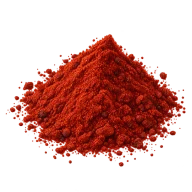
Add the 2 tbsp tomato paste and 1 tsp smoked paprika.
Stir constantly for 1 minute so the tomato paste darkens slightly and the paprika blooms in the fat.
This step deepens the flavor and keeps the stew from tasting flat or metallic.
Ingredients
- 2 tbspTomato paste
- 1 tspSmoked paprika
Deglaze with wine
~3 minDeglaze with wine.
Pour in the 1/2 cup dry red wine and scrape the bottom of the pot with a wooden spoon, loosening every browned bit.
Let the wine bubble for 2 to 3 minutes until it reduces by about half and no longer smells sharply alcoholic.
Ingredients
- 1/2 cupDry red wine
Add stock, beef, and simmer gently
~60 min cookAdd stock, beef, and simmer gently.
Return the browned beef and any juices to the pot.
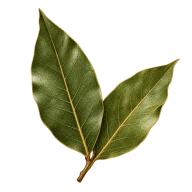
Add the 1 cup low-sodium beef broth, 1/2 cup water, and 1 bay leaf.
Bring just to a simmer, then cover and cook on low heat, or transfer the covered Dutch oven to the oven, for 60 minutes.
The liquid should barely move, with only occasional lazy bubbles.
Ingredients
- 1 lb total for recipeBeef chuck
- 1 cupLow-sodium beef broth
- 1/2 cupWater
- 1Bay leaf

Add potatoes and finish the braise
After ~60 minAdd potatoes and finish the braise.
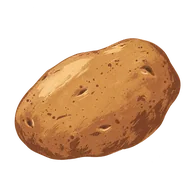
Stir in the 8 oz Yukon Gold potatoes.
Cover again and continue cooking for 35 to 40 minutes, until the beef is fork-tender and the potatoes are cooked through but still hold their shape.
If the sauce looks too thin, uncover for the last 10 minutes so it reduces to a glossy gravy.
Ingredients
- 8 oz total for recipeYukon Gold potatoes
Adjust texture and serve
~10 min cookAdjust texture
Remove the bay leaf.
If you want a slightly thicker stew, mash a few potato pieces against the side of the pot and stir them back in.
Taste and adjust only if needed, then let the stew rest off the heat for 10 minutes so the sauce settles.
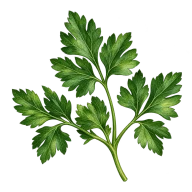
Spoon into bowls and finish with the 1 tbsp chopped parsley.
Ingredients
- 8 oz total for recipeYukon Gold potatoes
- 1 tbspParsley
Check the dish
After ~10 minCheck Estofado de ternera and continue when ready.
Serve meal
~1 minOnce all dishes are cooked and ready, plate and serve the meal together.
Estofado de ternera: serve.
Make the next one yours.
Create a custom meal with what you have.
Read the traditional recipe
Ingredients
For 2 people
- 1 lb beef chuck, cut into 1 1/2-inch cubes and patted dry
- 1 tbsp all-purpose flour
- 1 tbsp olive oil
- 1 medium yellow onion, 6 oz chopped
- 2 medium carrots, 4 oz peeled and sliced
- 2 tsp minced garlic
- 8 oz Yukon Gold potatoes, peeled and cut into 1-inch chunks
- 2 tbsp tomato paste
- 1/2 cup dry red wine
- 1 cup low-sodium beef broth
- 1/2 cup water
- 1 bay leaf
- 1 tsp smoked paprika
- 1/2 tsp kosher salt
- 1/4 tsp black pepper
- 1 tbsp chopped parsley
Method
- Season and dust the beefHeat the oven to 325 F, or keep the stew on the stovetop for a very gentle simmer. Season the 1 lb beef chuck with the 1/2 tsp salt and 1/4 tsp black pepper, then toss it with the 1 tbsp all-purpose flour until lightly coated. The flour should barely cling, not form a paste; it will help the finished stew thicken later.
- Brown the beef in batchesHeat the 1 tbsp olive oil in a heavy 4-quart Dutch oven over medium-high heat. Add the beef in a single layer and brown on 2 sides, about 6 to 8 minutes total per batch. Work in batches so the meat sears instead of steaming, and transfer each batch to a plate as it browns.
- Soften the aromaticsReduce the heat to medium. Add the 1 medium yellow onion and 2 medium carrots to the pot, then cook for 5 to 6 minutes, stirring often, until the onion turns translucent and the edges start to color. Stir in the 2 tsp minced garlic and cook for 30 seconds, just until fragrant.
- Build the base with tomato and paprikaAdd the 2 tbsp tomato paste and 1 tsp smoked paprika. Stir constantly for 1 minute so the tomato paste darkens slightly and the paprika blooms in the fat. This step deepens the flavor and keeps the stew from tasting flat or metallic.
- Deglaze with winePour in the 1/2 cup dry red wine and scrape the bottom of the pot with a wooden spoon, loosening every browned bit. Let the wine bubble for 2 to 3 minutes until it reduces by about half and no longer smells sharply alcoholic.
- Add stock, beef, and simmer gentlyReturn the browned beef and any juices to the pot. Add the 1 cup low-sodium beef broth, 1/2 cup water, and 1 bay leaf. Bring just to a simmer, then cover and cook on low heat, or transfer the covered Dutch oven to the oven, for 60 minutes. The liquid should barely move, with only occasional lazy bubbles.
- Add potatoes and finish the braiseStir in the 8 oz Yukon Gold potatoes. Cover again and continue cooking for 35 to 40 minutes, until the beef is fork-tender and the potatoes are cooked through but still hold their shape. If the sauce looks too thin, uncover for the last 10 minutes so it reduces to a glossy gravy.
- Adjust texture and serveRemove the bay leaf. If you want a slightly thicker stew, mash a few potato pieces against the side of the pot and stir them back in. Taste and adjust only if needed, then let the stew rest off the heat for 10 minutes so the sauce settles. Spoon into bowls and finish with the 1 tbsp chopped parsley.
Before you cook
What to get ready
Heavy lidded pot or oven-safe casserole as directed, tongs, ladle and thermometer.
Dry the beef cubes and reserve potatoes for their later addition.
If something needs adjusting
Potatoes disintegrate before beef softens
Wait until the beef is approaching tenderness before adding potatoes, as directed.
Sauce reduces faster than the food softens
Keep heat gentle, cover as directed and check liquid periodically. Add hot water in small amounts rather than letting the bottom scorch.
Store for later
Divide the cooked dish into shallow containers for prompt chilling. Reheat portions to 165°F, stirring sauces and adding water if needed.
Refrigerate perishables within 2 hours, or 1 hour above 90°F. Keep the fridge at 40°F or below; use refrigerated leftovers within 3–4 days. USDA storage and reheating guidance.
Make the ingredients go further
Use spare carrot, onion and stock for another stew base.
Next use for your ingredients: Beef stew →
Calculate this meal with your own prices →
How to Cool and Store Leftovers →
Cooking notes updated October 24, 2026. How we create recipes.
Tips, swaps and questions
A little kitchen know-how
Brown the beef in two or three batches and resist stirring too soon. A good crust gives the stew its depth, while overcrowding the pot traps moisture and makes the meat gray. If you prefer a darker, richer sauce, reduce the wine a little longer before adding the broth.
Make it work for you
If you want a more rustic Spanish flavor, swap the parsley for a few chopped olives stirred in at the end, but keep them modest because they add saltiness. You can also use sweet paprika instead of smoked paprika, though the stew will taste rounder and less woodsy. Avoid lean stew meat, which tends to dry out before it becomes tender.
Use more of your yellow onion and carrots in pot roast with carrots.
Can I make this stewed beef ahead of time?
Yes. Like most braises, this stew often tastes even better the next day because the sauce settles and the beef absorbs more seasoning. Cool it quickly, refrigerate within 2 hours, and store it covered for 3 to 4 days. Reheat gently on the stovetop until steaming hot and 165 F throughout.
Times are estimates. Check ingredients for allergens. For safe temperatures and storage, see FoodSafety.gov.