Ham cheese panini
A crisp, pressed ham and cheese panini with Dijon and peppery arugula tucked inside toasted sourdough. The bread turns deeply golden while the provolone melts around the ham, making 2 satisfying sandwiches for a fast lunch or light dinner.
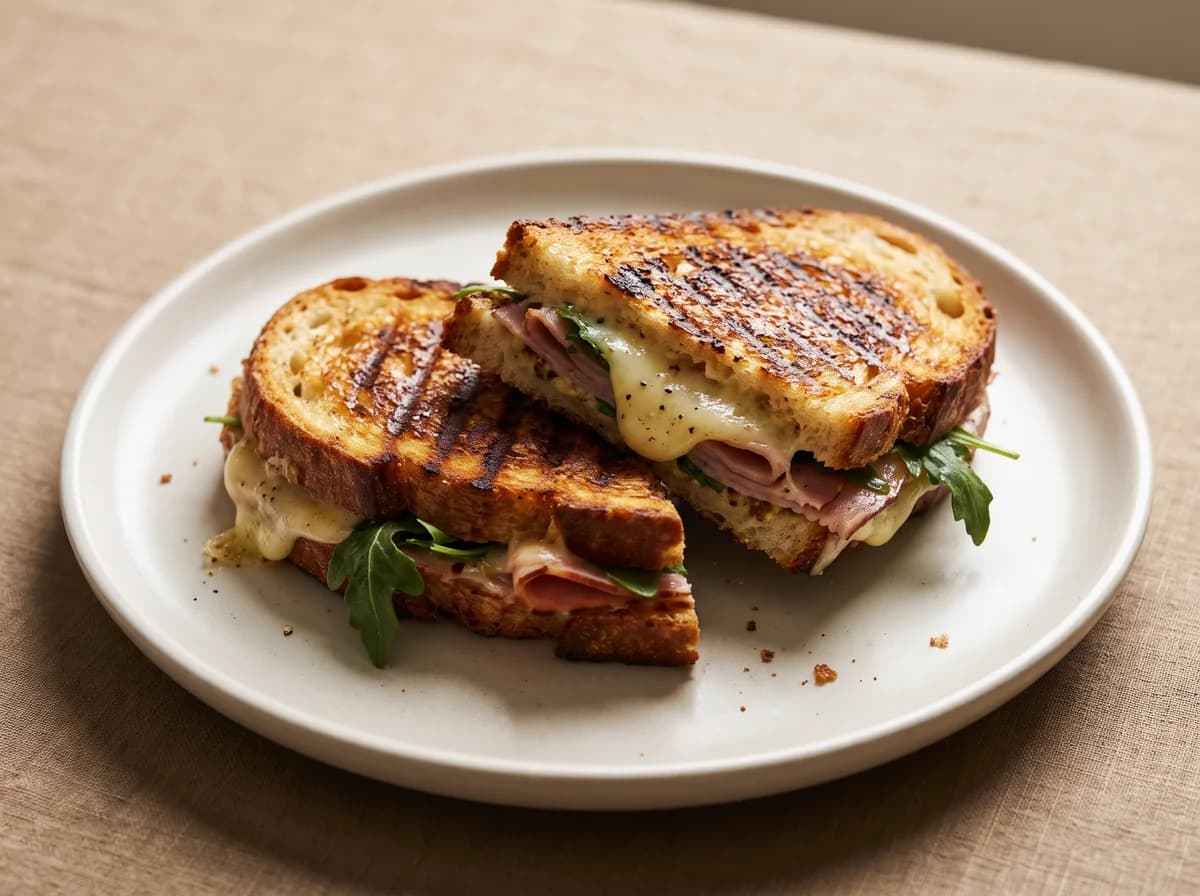
Estimated calories and US ingredient costs.
For a larger batch, keep the same filling ratio and press only as many sandwiches as fit in a single layer without crowding. Use a sheet pan in a 400 F oven to hold finished panini warm for a few minutes, but do not stack them or the crust will soften. The cook time stays close to the original for each pair of sandwiches.
Your whole cook, in one place.
Ingredients, steps and a live timeline. Ready for 2 people.
Step timeline
Cooking order
7 leftPrep the bread and press
~4 minPrep the bread and press.
Heat a panini press to medium-high, or set a large cast-iron or nonstick skillet over medium heat and place a heavy skillet or bacon press nearby for pressing.
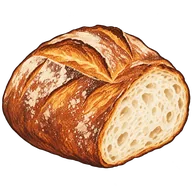
Lay out the 4 slices of sourdough bread.
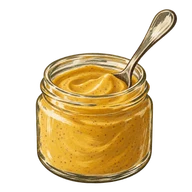
Spread 1 tbsp Dijon mustard over 2 slices
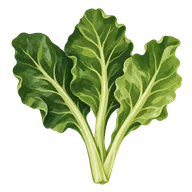
then divide the 1 oz baby arugula evenly on top.
Keep the greens in a loose layer so the sandwich can compress without bursting.
Ingredients
- 4 slicesSourdough bread
- 1 tbspDijon mustard
- 1 ozBaby arugula
Layer the ham and cheese
~3 minLayer the ham and cheese.
Top the arugula with the 4 oz sliced deli ham, dividing it evenly between the 2 sandwiches.
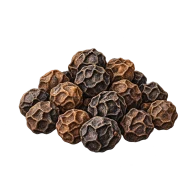
Add the 4 oz sliced provolone cheese, then sprinkle the 1/8 tsp black pepper over the cheese so it stays close to the warm center.
Close each sandwich with the remaining bread slices and press gently with your palms so the layers stay together.
Ingredients
- 4 slices total for recipeSourdough bread
- 4 ozDeli ham
- 4 ozProvolone cheese
- 1 oz total for recipeBaby arugula
- 1/8 tspBlack pepper

Butter the outside
~3 minButter the outside.
Spread the 1 tbsp softened unsalted butter in a thin, even coat over the outside of each sandwich, covering corner to corner.
This helps the crust brown evenly before the cheese fully melts.
If the butter tears the bread, let it soften a little more rather than piling it on, which can make the pan greasy instead of crisp.
Ingredients
- 4 oz total for recipeProvolone cheese
- 1 tbspUnsalted butter, softened

Toast and press the first side
~4 min cookToast and press the first side.
Place the sandwiches in the hot press or skillet.
If using a skillet, set a second heavy skillet on top and press down gently.
Cook for about 3 to 4 minutes, until the underside is deep golden brown and the cheese begins to soften at the edges.
Lower the heat slightly if the bread browns too quickly before the filling warms through.
Ingredients
- 4 slices total for recipeSourdough bread
Flip and finish melting
After ~4 minFlip and finish melting.
Turn the sandwiches and continue cooking for 3 to 4 minutes more, pressing lightly once or twice if needed, until both sides are crisp and the provolone is fully melted.
In a skillet, the sandwich is ready when the bread feels firm and the cheese starts to ooze at the seam.
If the bread is browning faster than the cheese melts, reduce the heat to medium and give it another minute.
Ingredients
- 4 oz total for recipeProvolone cheese
Rest briefly and slice
~1 minRest briefly and slice.
Move the panini to a cutting board and let them sit for 1 minute so the cheese settles slightly and the layers do not slide out.
Cut each sandwich on the diagonal with a serrated knife.
Serve meal
~1 minOnce all dishes are cooked and ready, plate and serve the meal together.
Ham cheese panini: Serve immediately while the crust is crisp and the interior is hot and stretchy.
Make the next one yours.
Create a custom meal with what you have.
Read the traditional recipe
Ingredients
For 2 people
- 4 slices sourdough bread
- 4 oz sliced deli ham
- 4 oz sliced provolone cheese
- 2 tbsp Dijon mustard
- 1 oz baby arugula
- 1 tbsp unsalted butter, softened
- 1/8 tsp black pepper
Method
- Prep the bread and pressHeat a panini press to medium-high, or set a large cast-iron or nonstick skillet over medium heat and place a heavy skillet or bacon press nearby for pressing. Lay out the 4 slices of sourdough bread. Spread 1 tbsp Dijon mustard over 2 slices, then divide the 1 oz baby arugula evenly on top. Keep the greens in a loose layer so the sandwich can compress without bursting.
- Layer the ham and cheeseTop the arugula with the 4 oz sliced deli ham, dividing it evenly between the 2 sandwiches. Add the 4 oz sliced provolone cheese, then sprinkle the 1/8 tsp black pepper over the cheese so it stays close to the warm center. Close each sandwich with the remaining bread slices and press gently with your palms so the layers stay together.
- Butter the outsideSpread the 1 tbsp softened unsalted butter in a thin, even coat over the outside of each sandwich, covering corner to corner. This helps the crust brown evenly before the cheese fully melts. If the butter tears the bread, let it soften a little more rather than piling it on, which can make the pan greasy instead of crisp.
- Toast and press the first sidePlace the sandwiches in the hot press or skillet. If using a skillet, set a second heavy skillet on top and press down gently. Cook for about 3 to 4 minutes, until the underside is deep golden brown and the cheese begins to soften at the edges. Lower the heat slightly if the bread browns too quickly before the filling warms through.
- Flip and finish meltingTurn the sandwiches and continue cooking for 3 to 4 minutes more, pressing lightly once or twice if needed, until both sides are crisp and the provolone is fully melted. In a skillet, the sandwich is ready when the bread feels firm and the cheese starts to ooze at the seam. If the bread is browning faster than the cheese melts, reduce the heat to medium and give it another minute.
- Rest briefly and sliceMove the panini to a cutting board and let them sit for 1 minute so the cheese settles slightly and the layers do not slide out. Cut each sandwich on the diagonal with a serrated knife. Serve immediately while the crust is crisp and the interior is hot and stretchy.
Before you cook
What to get ready
Cutting board, bread knife, skillet or sandwich press if the method calls for toasting, and spatula.
Pat deli ham dry if moist and spread mustard before stacking thin cheese layers.
If something needs adjusting
Crust becomes hard before cheese melts
Use moderate press heat and avoid compressing so firmly that all filling is squeezed out.
A larger sandwich is difficult to eat
Use thin, even layers and avoid overfilling. Cut only after fillings have settled briefly, and serve toasted versions promptly.
Store for later
Store perishable fillings refrigerated separately from bread when practical. Keep packed cold sandwiches chilled; reheat cooked leftovers to 165°F before assembling hot versions.
Refrigerate perishables within 2 hours, or 1 hour above 90°F. Keep the fridge at 40°F or below; use refrigerated leftovers within 3–4 days. USDA storage and reheating guidance.
Make the ingredients go further
Freeze spare sourdough slices for another toasted sandwich.
Next use for your ingredients: Grilled cheese sandwich →
Calculate this meal with your own prices →
Cooking notes updated October 24, 2026. How we create recipes.
Tips, swaps and questions
A little kitchen know-how
Use bread that is sturdy enough to handle pressure, such as sourdough, ciabatta, or country-style sandwich bread. Very soft sandwich bread can collapse before the cheese melts, while overly thick slices may brown too slowly. If your pan runs hot, lower the heat rather than adding more butter, which can make the crust oily.
Make it work for you
Use Swiss, mozzarella, or fontina instead of provolone if you want a milder, stretchier melt. If you swap in a wetter cheese, drain any liquid from the ham first and keep the heat a little lower so the bread does not scorch before the center melts. Whole-grain mustard can replace Dijon for a sharper, seedier bite.
Use more of your sourdough bread and provolone cheese in french onion grilled cheese.
Can I make this panini without a panini press?
Yes. A heavy skillet works well. Cook the sandwich in a lightly preheated skillet over medium heat, then set another heavy skillet on top to compress it. Flip carefully halfway through so both sides brown. Keep the heat moderate, because pressure speeds up browning and can darken the bread before the cheese is fully melted.
Times are estimates. Check ingredients for allergens. For safe temperatures and storage, see FoodSafety.gov.