Pork chops with apples
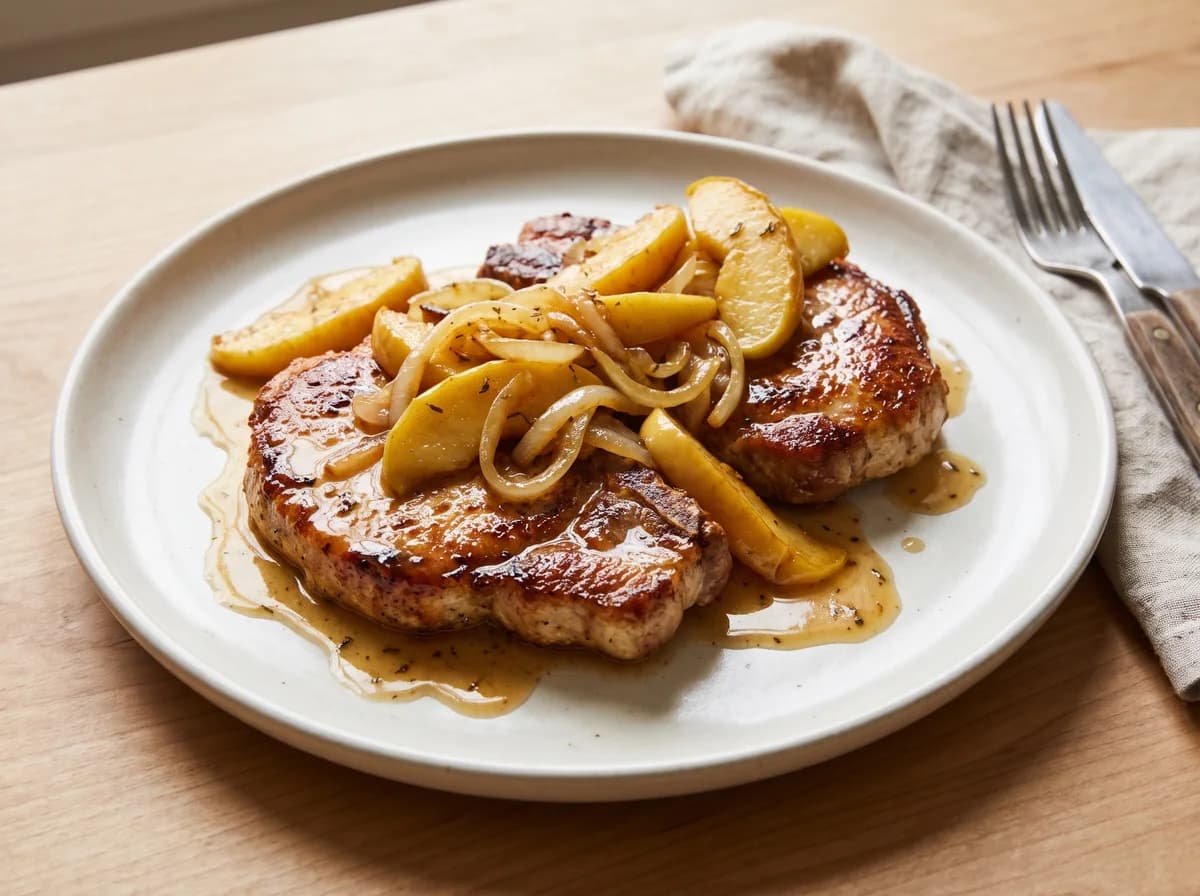
Makes 2 servings. Seared pork chops are finished in a skillet with tender onions, tart apple slices, and a glossy Dijon-cider pan sauce. The apples soften just enough to keep their shape, and the browned bits from the pan give the sauce a savory edge. This is a fast stovetop dinner with a bright, sweet-salty balance and juicy chops.
Estimated calories and US ingredient costs.
For 4 servings, use a 12-inch skillet and sear the chops in batches so they brown instead of steam. For 6 servings, use two skillets or finish the pork in a hot oven after browning. Do not crowd the apples, or they will soften too quickly and the sauce will lose its glossy texture.
Your whole cook, in one place.
Ingredients, steps and a live timeline. Ready for 2 people.
Step timeline
Cooking order
10 leftSeason the pork
~4 minSeason the pork.
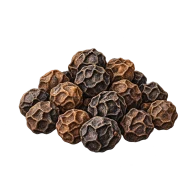
Pat the 2 boneless pork chops dry, then season both sides with 1/2 tsp kosher salt and 1/4 tsp black pepper.
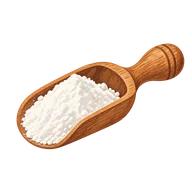
Sprinkle 1 tbsp all-purpose flour over both sides and press it on lightly.
The flour should look like a thin dusting, not a thick coat, so it browns in the skillet without clumping.
Ingredients
- 2 total for recipeBoneless pork chops, about 6 oz each
- 1/2 tspKosher salt
- 1/4 tspBlack pepper
- 1 tbspAll-purpose flour

Sear until deeply browned
~8 minSear until deeply browned.
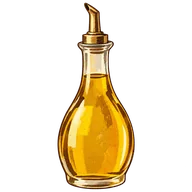
Heat 1 tbsp neutral oil in a 12-inch skillet over medium-high heat until shimmering.
Lay in the chops and cook without moving them for 3 to 4 minutes per side, until both sides are well browned.
Ingredients
- 1 tbspNeutral oil
Cook the apples and onion
~5 minCook the apples and onion.
Reduce the heat to medium.
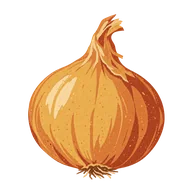
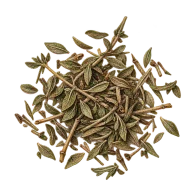
Add 1 tbsp unsalted butter, then add 4 oz thinly sliced yellow onion, 12 oz thinly sliced tart apples, and 1/2 tsp dried thyme.
Cook for 4 to 5 minutes, stirring occasionally, until the onion softens and the apple slices pick up light color but still hold their shape.
Ingredients
- 4 oz total for recipeYellow onion
- 1/2 tspDried thyme
Build the pan sauce
~2 minBuild the pan sauce.
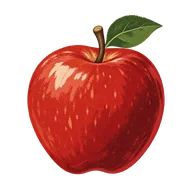
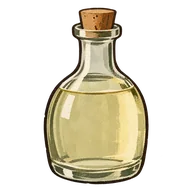
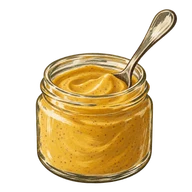
Pour in 1/2 cup apple cider, 1 tbsp apple cider vinegar, and 1 tbsp water, then add 1 tbsp Dijon mustard.
Stir and scrape the browned bits from the bottom of the pan.
Simmer for about 2 minutes until the liquid turns glossy and lightly syrupy.
Ingredients
- 1/2 cupApple cider
- 1 tbspApple cider vinegar
- 1 tbspDijon mustard
- 1 tbspWater
Finish the chops
~5 min cookFinish the chops.
Nestle the pork chops and any accumulated juices back into the skillet.
Spoon some of the apples over the top, reduce the heat to medium-low, and cook 3 to 5 minutes more, uncovered or loosely covered, until the thickest part of the pork reaches 145 F.
If the sauce tightens before the pork is done
Ingredients
- 2 total for recipeBoneless pork chops, about 6 oz each
Add the remaining 1 tbsp water
After ~5 minadd the remaining 1 tbsp water.
Ingredients
- 1 tbspWater
Rest and enrich the sauce
~3 min cookRest and enrich the sauce.
rest them for 3 minutes.
Keep the skillet on low heat and whisk in 1 tsp unsalted butter until the sauce looks smooth and shiny.
If the sauce seems too thin, simmer it for 30 to 60 seconds more; if it seems too thick
Add a spoonful of pan juices from the plate
After ~3 minadd a spoonful of pan juices from the plate.
Plate and serve
~1 minSpoon the apples, onions, and pan sauce over the pork chops
Keep the fruit and sauce on top of the meat so the browned edges stay visible and the chops stay juicy.
Ingredients
- 4 oz total for recipeYellow onion
Serve meal
~1 minOnce all dishes are cooked and ready, plate and serve the meal together.
Pork chops with apples: Transfer the chops to a plate; they will finish cooking later.
Pork chops with apples: Transfer the chops to a plate
Pork chops with apples: Plate
Pork chops with apples: serve.
Pork chops with apples: serve right away.
Make the next one yours.
Create a custom meal with what you have.
Read the traditional recipe
Ingredients
For 2 people
- 2 boneless pork chops, about 6 oz each
- 1/2 tsp kosher salt
- 1/4 tsp black pepper
- 1 tbsp all-purpose flour
- 1 tbsp neutral oil
- 1 tbsp unsalted butter
- 4 oz yellow onion, thinly sliced
- 12 oz tart apples, cored and thinly sliced
- 1/2 tsp dried thyme
- 1/2 cup apple cider
- 1 tbsp apple cider vinegar
- 1 tbsp Dijon mustard
- 2 tbsp water
- 1 tsp unsalted butter
Method
- Season the porkPat the 2 boneless pork chops dry, then season both sides with 1/2 tsp kosher salt and 1/4 tsp black pepper. Sprinkle 1 tbsp all-purpose flour over both sides and press it on lightly. The flour should look like a thin dusting, not a thick coat, so it browns in the skillet without clumping.
- Sear until deeply brownedHeat 1 tbsp neutral oil in a 12-inch skillet over medium-high heat until shimmering. Lay in the chops and cook without moving them for 3 to 4 minutes per side, until both sides are well browned. Transfer the chops to a plate; they will finish cooking later.
- Cook the apples and onionReduce the heat to medium. Add 1 tbsp unsalted butter, then add 4 oz thinly sliced yellow onion, 12 oz thinly sliced tart apples, and 1/2 tsp dried thyme. Cook for 4 to 5 minutes, stirring occasionally, until the onion softens and the apple slices pick up light color but still hold their shape.
- Build the pan saucePour in 1/2 cup apple cider, 1 tbsp apple cider vinegar, and 1 tbsp water, then add 1 tbsp Dijon mustard. Stir and scrape the browned bits from the bottom of the pan. Simmer for about 2 minutes until the liquid turns glossy and lightly syrupy.
- Finish the chopsNestle the pork chops and any accumulated juices back into the skillet. Spoon some of the apples over the top, reduce the heat to medium-low, and cook 3 to 5 minutes more, uncovered or loosely covered, until the thickest part of the pork reaches 145 F. If the sauce tightens before the pork is done, add the remaining 1 tbsp water.
- Rest and enrich the sauceTransfer the chops to a plate and rest them for 3 minutes. Keep the skillet on low heat and whisk in 1 tsp unsalted butter until the sauce looks smooth and shiny. If the sauce seems too thin, simmer it for 30 to 60 seconds more; if it seems too thick, add a spoonful of pan juices from the plate.
- Plate and serveSpoon the apples, onions, and pan sauce over the pork chops and serve right away. Keep the fruit and sauce on top of the meat so the browned edges stay visible and the chops stay juicy.
Before you cook
What to get ready
Wide skillet, tongs, sauce whisk and instant-read thermometer.
Choose chops of similar thickness and slice apples evenly so the pan finishes consistently.
If something needs adjusting
Apples collapse before pork finishes
Remove tender apple slices temporarily and return them after the chops reach temperature.
Chops dry out while waiting for the sauce
Measure temperature at the thickest part. Whole pork chops need 145°F followed by a 3-minute rest; finish reducing the sauce separately if needed.
Store for later
Refrigerate pork with a little sauce in a covered shallow container. Reheat to 165°F with gentle heat and a splash of water if the sauce thickens.
Refrigerate perishables within 2 hours, or 1 hour above 90°F. Keep the fridge at 40°F or below; use refrigerated leftovers within 3–4 days. USDA storage and reheating guidance.
Make the ingredients go further
Use remaining apples in a cobbler, allowing for their sweetness.
Next use for your ingredients: Apple cobbler →
Calculate this meal with your own prices →
Cooking notes updated October 24, 2026. How we create recipes.
Tips, swaps and questions
A little kitchen know-how
Use firm, tart apples so the slices stay intact after the quick simmer. Granny Smith, Pink Lady, or Braeburn all work well. Very soft apples will collapse into the sauce, which can be pleasant, but the dish will read more like compote than a skillet dinner.
Make it work for you
If you only have unsweetened apple juice instead of cider, use it in the same amount but let the sauce reduce a little longer. Juice is sweeter and thinner than cider, so the vinegar becomes more important for balance and the final sauce may need an extra minute to thicken.
Use more of your yellow onion and Dijon mustard in poulet yassa.
What apples work best here?
Tart, firm apples are best because they hold their slices after the quick simmer and give the sauce enough acidity to balance the pork. Granny Smith is the sharpest choice, while Pink Lady and Braeburn are slightly sweeter but still stay intact. Very soft apples break down faster and make the pan sauce thicker.
Times are estimates. Check ingredients for allergens. For safe temperatures and storage, see FoodSafety.gov.