Sweet and sour pork
Sweet and sour pork with crisp-edged battered pork, bell pepper, onion, and pineapple in a glossy tangy sauce. This recipe makes 2 generous servings and keeps the classic takeout-style contrast of crunchy pork and sticky sauce without requiring a wok.

Estimated calories and US ingredient costs.
This recipe scales best by batch rather than by simply enlarging the pan. For 4 servings, fry the pork in four small batches and use a wide skillet so the sauce can reduce quickly; for 6 or more, make the sauce in a separate saucepan and return the fried pork to the pan only at the very end so the coating stays textured. Nutrition values should count only oil actually absorbed, not the full frying oil left in the pan; absorbed oil is only an approximation and will vary with batch size and frying temperature.
Your whole cook, in one place.
Ingredients, steps and a live timeline. Ready for 2 people.
Step timeline
Cooking order
9 leftMix the batter and coat the pork
~10 minMix the batter and coat the pork.
In a medium bowl, toss the 12 oz pork with 1/2 tsp kosher salt and 1/4 tsp black pepper.
Add 1 large egg and stir until the pieces are lightly slicked.
Sprinkle in 1/3 cup cornstarch and 1/4 cup flour, then fold until every piece is evenly coated and a shaggy, sticky crust forms.
Let it sit 10 minutes so the coating hydrates and clings better during frying.
Ingredients
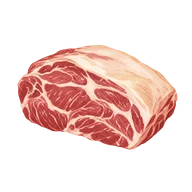
- 12 ozBoneless pork shoulder
- 1/2 tspKosher salt
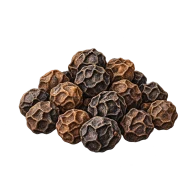
- 1/4 tspBlack pepper
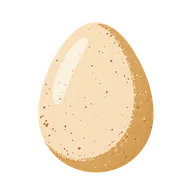
- 1Large egg
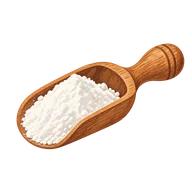
- 1/4 cupAll-purpose flour

Fry the pork in batches
~4 minFry the pork in batches.
Set a 12-inch skillet over medium-high heat and add 3 tbsp neutral oil.
When the oil shimmers, fry half the pork in a single layer for 3 to 4 minutes, turning occasionally, until deep golden and nearly cooked through.
Do not crowd the pan or the crust will soften instead of browning well.
Ingredients
- 3 tbspNeutral oil

Prep the vegetables and aromatics
~3 minPrep the vegetables and aromatics.
Pour off all but about 1 tbsp oil from the skillet, leaving the browned bits behind.
Keep the pan over medium heat.
Add 3 oz sliced onion and 4 oz sliced red bell pepper and cook for 2 minutes, stirring often, until the edges start to soften but the vegetables still have some bite.
Add 1 tsp minced garlic and 1 tsp minced ginger and cook for 30 seconds, just until fragrant.
Ingredients
- 4 ozRed bell pepper
- 3 ozYellow onion
- 1 tspGarlic
- 1 tspGinger



Build the sweet-and-sour sauce
~1 minBuild the sweet-and-sour sauce.
In a small bowl, whisk together 1/2 cup rice vinegar, 1/4 cup ketchup, 2 tbsp brown sugar, 2 tbsp low-sodium soy sauce, and 1 tbsp water.
Pour the mixture into the skillet with the vegetables and bring it to a lively simmer, scraping up the browned bits.
Add 1 cup drained pineapple chunks and simmer for 1 minute so the fruit warms and the sauce turns glossy.
Ingredients
- 1 cupCanned pineapple chunks
- 1/2 cupRice vinegar
- 1/4 cupKetchup
- 2 tbspLow-sodium soy sauce
- 1 tbspWater


Thicken the sauce smoothly
~1 minThicken the sauce smoothly.
Stir 1 tbsp cornstarch with 2 tbsp water in a separate cup until completely smooth.
While the skillet is simmering, drizzle in half the slurry and stir for 20 to 30 seconds.
Add the rest only if the sauce still looks thin after it returns to a bubble.
The finished sauce should coat the back of a spoon and leave a clear trail when stirred.
Ingredients
- 2 tbspWater
Finish the pork in the sauce
~3 minFinish the pork in the sauce.
Add the fried pork and any juices back to the skillet.
Toss for 1 to 2 minutes over medium heat until the pieces are coated and the thickest piece reaches 145°F.
If the sauce seems too tight, loosen it with 1 to 2 tsp water.
If it seems too loose, simmer 30 seconds longer before serving.
Ingredients
- 12 oz total for recipeBoneless pork shoulder
Rest briefly and check the balance
~2 minRest briefly and check the balance.
Turn off the heat and let the pan sit for 2 minutes so the sauce settles and the coating stops steaming as much.
Taste the sauce and adjust only if needed: a little more ketchup or sugar will soften sharpness, while a small splash of vinegar will make it brighter.
Serve immediately
~120 minPile the sweet and sour pork onto warm plates and spoon the sauce over the top.
Store leftovers in the refrigerator within 2 hours and reheat to 165°F before serving again.
Ingredients
- 12 oz total for recipeBoneless pork shoulder
Serve meal
~1 minOnce all dishes are cooked and ready, plate and serve the meal together.
Sweet and sour pork: Transfer to a paper-towel-lined plate and repeat with the remaining pork, adding a little more oil only if the pan looks dry.
Sweet and sour pork: Serve immediately.
Sweet and sour pork: Serve right away while the vegetables are bright and the coating still has some texture, knowing the sauce will soften it quickly.
Make the next one yours.
Create a custom meal with what you have.
Read the traditional recipe
Ingredients
For 2 people
- 12 oz boneless pork shoulder, trimmed and cut into 1-inch pieces
- 1/2 tsp kosher salt
- 1/4 tsp black pepper
- 1 large egg
- 1/3 cup cornstarch
- 1/4 cup all-purpose flour
- 3 tbsp neutral oil
- 1 cup canned pineapple chunks, drained
- 4 oz red bell pepper, sliced
- 3 oz yellow onion, sliced
- 1 tsp minced garlic
- 1 tsp minced ginger
- 1/2 cup rice vinegar
- 1/4 cup ketchup
- 2 tbsp packed light brown sugar
- 2 tbsp low-sodium soy sauce
- 3 tbsp water
- 1 tbsp cornstarch
Method
- Mix the batter and coat the porkIn a medium bowl, toss the 12 oz pork with 1/2 tsp kosher salt and 1/4 tsp black pepper. Add 1 large egg and stir until the pieces are lightly slicked. Sprinkle in 1/3 cup cornstarch and 1/4 cup flour, then fold until every piece is evenly coated and a shaggy, sticky crust forms. Let it sit 10 minutes so the coating hydrates and clings better during frying.
- Fry the pork in batchesSet a 12-inch skillet over medium-high heat and add 3 tbsp neutral oil. When the oil shimmers, fry half the pork in a single layer for 3 to 4 minutes, turning occasionally, until deep golden and nearly cooked through. Transfer to a paper-towel-lined plate and repeat with the remaining pork, adding a little more oil only if the pan looks dry. Do not crowd the pan or the crust will soften instead of browning well.
- Prep the vegetables and aromaticsPour off all but about 1 tbsp oil from the skillet, leaving the browned bits behind. Keep the pan over medium heat. Add 3 oz sliced onion and 4 oz sliced red bell pepper and cook for 2 minutes, stirring often, until the edges start to soften but the vegetables still have some bite. Add 1 tsp minced garlic and 1 tsp minced ginger and cook for 30 seconds, just until fragrant.
- Build the sweet-and-sour sauceIn a small bowl, whisk together 1/2 cup rice vinegar, 1/4 cup ketchup, 2 tbsp brown sugar, 2 tbsp low-sodium soy sauce, and 1 tbsp water. Pour the mixture into the skillet with the vegetables and bring it to a lively simmer, scraping up the browned bits. Add 1 cup drained pineapple chunks and simmer for 1 minute so the fruit warms and the sauce turns glossy.
- Thicken the sauce smoothlyStir 1 tbsp cornstarch with 2 tbsp water in a separate cup until completely smooth. While the skillet is simmering, drizzle in half the slurry and stir for 20 to 30 seconds. Add the rest only if the sauce still looks thin after it returns to a bubble. The finished sauce should coat the back of a spoon and leave a clear trail when stirred.
- Finish the pork in the sauceAdd the fried pork and any juices back to the skillet. Toss for 1 to 2 minutes over medium heat until the pieces are coated and the thickest piece reaches 145°F. If the sauce seems too tight, loosen it with 1 to 2 tsp water. If it seems too loose, simmer 30 seconds longer before serving.
- Rest briefly and check the balanceTurn off the heat and let the pan sit for 2 minutes so the sauce settles and the coating stops steaming as much. Taste the sauce and adjust only if needed: a little more ketchup or sugar will soften sharpness, while a small splash of vinegar will make it brighter.
- Serve immediatelyPile the sweet and sour pork onto warm plates and spoon the sauce over the top. Serve right away while the vegetables are bright and the coating still has some texture, knowing the sauce will soften it quickly. Store leftovers in the refrigerator within 2 hours and reheat to 165°F before serving again.
Before you cook
What to get ready
Heavy pan suited to the recipe's frying depth, tongs, draining rack and thermometer.
Drain pineapple and whisk the sauce slurry separately from the pork coating.
If something needs adjusting
Coating goes soft immediately
Reduce sauce to a light glaze before tossing and combine only just before serving.
Coating turns greasy
Avoid crowding and allow oil temperature to recover between batches. Dry food before coating and do not put wet utensils into hot oil.
Store for later
Refrigerate cooked food promptly and store sauce separately. Reheat to 165°F in an oven for a firmer coating; fried food loses crispness in storage.
Refrigerate perishables within 2 hours, or 1 hour above 90°F. Keep the fridge at 40°F or below; use refrigerated leftovers within 3–4 days. USDA storage and reheating guidance.
Make the ingredients go further
Use remaining pineapple in salsa rather than discarding the open can.
Next use for your ingredients: Pineapple salsa →
Calculate this meal with your own prices →
How to Use a Food Thermometer →
Cooking notes updated October 24, 2026. How we create recipes.
Tips, swaps and questions
A little kitchen know-how
For the best texture, fry the pork in two batches and keep the first batch on a rack instead of stacking it on a plate. Because the pork is sauced at the end, expect the coating to soften after serving; this recipe is about crisp-edged pork in a glossy sauce, not a stay-crisp fried cutlet.
Make it work for you
Boneless pork loin can replace pork shoulder for a leaner version, but it cooks faster and dries out more easily, so cut the pieces a little larger and stop frying as soon as they are lightly golden. If you want a different fruit note, drained canned peaches can stand in for pineapple, though the sauce will taste softer and less sharp.
Use more of your rice vinegar and soy sauce in chicken gyoza.
Can I make sweet and sour pork ahead of time without losing all the crunch?
You can prep the components ahead, but the texture is best when you fry and sauce the pork just before serving. Cook the pork and sauce separately, then combine them only for the last minute or two. Leftovers keep for 3 to 4 days in the refrigerator, but the coating will soften; reheat in a skillet over medium heat until the pork reaches 165°F.
Times are estimates. Check ingredients for allergens. For safe temperatures and storage, see FoodSafety.gov.