Tomato mozzarella sandwich
A classic tomato mozzarella sandwich with juicy sliced tomatoes, creamy fresh mozzarella, basil, and a quick basil mayo on toasted bread. This makes 2 generous sandwiches and works best with sturdy sandwich bread so the filling stays balanced instead of soggy. The tomatoes are salted briefly, the bread is toasted, and the sandwich is pressed just enough to meld the layers without crushing them.
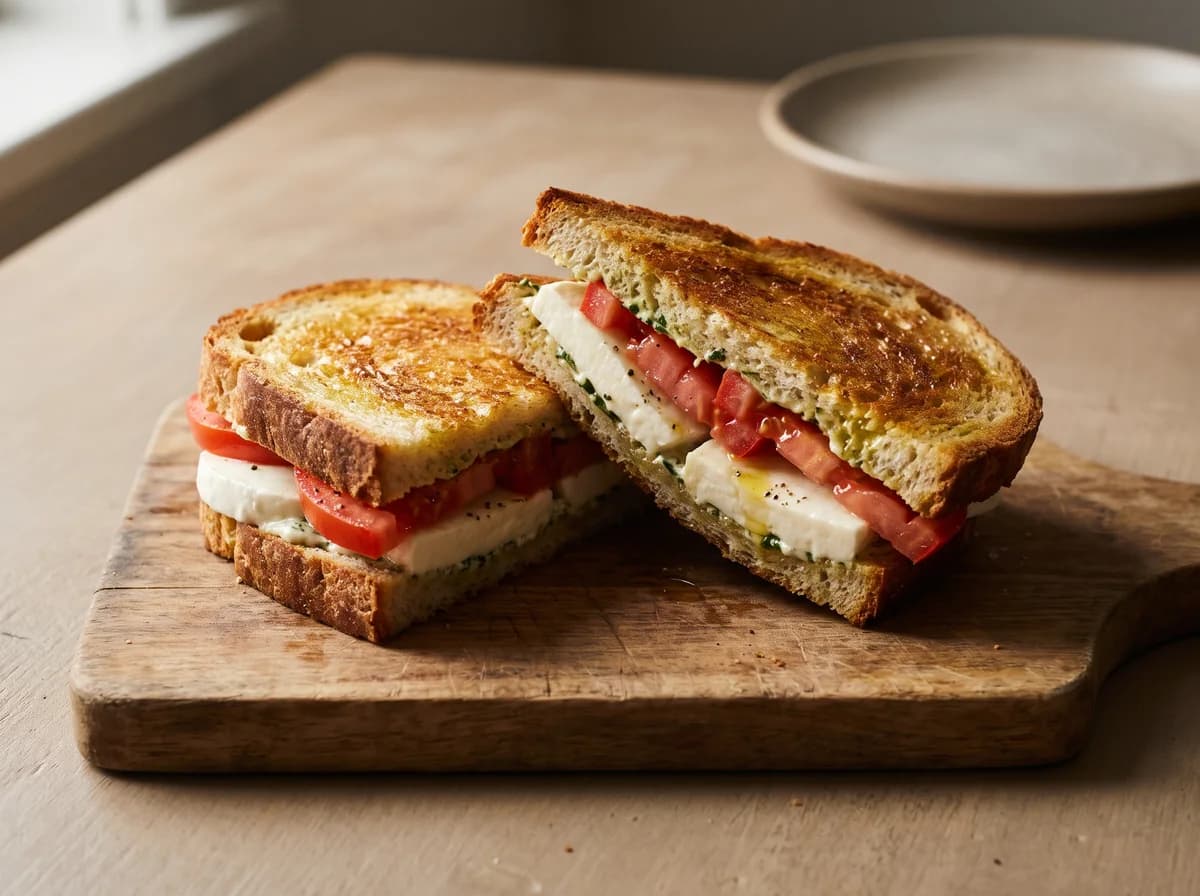
Estimated calories and US ingredient costs.
This recipe scales well for a lunch tray, but keep the skillet and bread-to-filling ratio the same so the bread stays crisp. For 4 or more sandwiches, toast in batches on a large griddle or sheet pan, and assemble only when all components are ready. Avoid making the tomatoes far ahead, since their juices will accumulate even after blotting.
Your whole cook, in one place.
Ingredients, steps and a live timeline. Ready for 2 people.
Step timeline
Cooking order
9 leftSalt the tomatoes
~10 minSalt the tomatoes.
Let them sit for 10 minutes while you prepare the spread.
This draws off a little excess juice so the sandwich does not turn watery.
Blot the slices gently with a paper towel before assembling.
Mix the basil spread
~3 minMix the basil spread.
In a small bowl, stir together 2 tbsp mayonnaise, 1 tbsp finely chopped basil, and 1 tsp lemon juice until combined.
The lemon brightens the rich mozzarella and helps the sandwich taste fresher without adding extra moisture.
Ingredients
- 2 tbspMayonnaise
- 1 tbspBasil leaves
- 1 tspLemon juice



Toast the bread
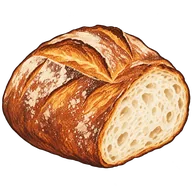
~4 minToast the bread.
Heat a skillet or griddle over medium heat.
Spread 1 tbsp softened unsalted butter on one side of each of the 4 slices sandwich bread.
Toast the buttered side down for 2 to 3 minutes, then flip and warm the second side for 30 to 60 seconds just to dry it lightly.
The bread should be golden and sturdy, not brittle.
Ingredients
- 4 slicesSandwich bread
- 1 tbspUnsalted butter, softened

Season the mozzarella
~5 minSeason the mozzarella.
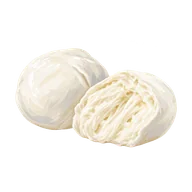
Pat the 8 oz fresh mozzarella slices dry with paper towels.
If the mozzarella is packed in brine, draining and patting it dry is important so the sandwich stays neat and the bread does not slide.
Ingredients
- 8 ozFresh mozzarella
Build the sandwiches
~5 minBuild the sandwiches.
Lay 2 slices of toasted bread on a board with the unbuttered sides facing up.
Spread the basil mayo evenly over those unbuttered sides.
Top each slice with half the mozzarella, then half the blotted tomato slices.
Drizzle 1 tbsp olive oil over the tomato layer, divided evenly between the sandwiches.
Ingredients
- 4 slices total for recipeSandwich bread
- 6 oz total for recipeRipe tomatoes
- 1 tbsp total for recipeBasil leaves
- 1 tbspOlive oil


Close and press lightly
~1 minClose and press lightly.
Top with the remaining bread slices, toasted sides facing out.
Press each sandwich gently with your palm for a few seconds so the layers adhere without squeezing out the filling.
If the bread is very tall, use a sheet of parchment and a small skillet to weight it for 1 minute instead of smashing it flat.
Ingredients
- 4 slices total for recipeSandwich bread
Slice and serve
~5 minSlice
Cut each sandwich in half with a sharp serrated knife.
For the cleanest cut, wipe the knife between cuts and angle the blade downward rather than sawing aggressively.
Optional brief warm-through
~2 minOptional brief warm-through.
If you want the cheese slightly softer, return the assembled sandwiches to the skillet over low heat for 30 to 45 seconds per side.
Do not overheat or the tomatoes will slump and the bread will soften too much.
Serve meal
~1 minOnce all dishes are cooked and ready, plate and serve the meal together.
Tomato mozzarella sandwich: Arrange the 6 oz sliced tomatoes in a single layer on a plate and sprinkle with 1/4 tsp fine salt.
Tomato mozzarella sandwich: Arrange them in a shallow layer on a plate and sprinkle with 1/8 tsp black pepper.
Tomato mozzarella sandwich: serve.
Tomato mozzarella sandwich: Serve right away while the bread is crisp and the mozzarella is cool and creamy.
Tomato mozzarella sandwich: Serve immediately once the center feels just warmed through.
Make the next one yours.
Create a custom meal with what you have.
Read the traditional recipe
Ingredients
For 2 people
- 4 slices sandwich bread
- 8 oz fresh mozzarella, drained and sliced
- 6 oz ripe tomatoes, sliced
- 2 tbsp mayonnaise
- 1 tbsp basil leaves, finely chopped
- 1 tsp lemon juice
- 1 tbsp olive oil
- 1/4 tsp fine salt
- 1/8 tsp black pepper
- 1 tbsp unsalted butter, softened
Method
- Salt the tomatoesArrange the 6 oz sliced tomatoes in a single layer on a plate and sprinkle with 1/4 tsp fine salt. Let them sit for 10 minutes while you prepare the spread. This draws off a little excess juice so the sandwich does not turn watery. Blot the slices gently with a paper towel before assembling.
- Mix the basil spreadIn a small bowl, stir together 2 tbsp mayonnaise, 1 tbsp finely chopped basil, and 1 tsp lemon juice until combined. The lemon brightens the rich mozzarella and helps the sandwich taste fresher without adding extra moisture.
- Toast the breadHeat a skillet or griddle over medium heat. Spread 1 tbsp softened unsalted butter on one side of each of the 4 slices sandwich bread. Toast the buttered side down for 2 to 3 minutes, then flip and warm the second side for 30 to 60 seconds just to dry it lightly. The bread should be golden and sturdy, not brittle.
- Season the mozzarellaPat the 8 oz fresh mozzarella slices dry with paper towels. Arrange them in a shallow layer on a plate and sprinkle with 1/8 tsp black pepper. If the mozzarella is packed in brine, draining and patting it dry is important so the sandwich stays neat and the bread does not slide.
- Build the sandwichesLay 2 slices of toasted bread on a board with the unbuttered sides facing up. Spread the basil mayo evenly over those unbuttered sides. Top each slice with half the mozzarella, then half the blotted tomato slices. Drizzle 1 tbsp olive oil over the tomato layer, divided evenly between the sandwiches.
- Close and press lightlyTop with the remaining bread slices, toasted sides facing out. Press each sandwich gently with your palm for a few seconds so the layers adhere without squeezing out the filling. If the bread is very tall, use a sheet of parchment and a small skillet to weight it for 1 minute instead of smashing it flat.
- Slice and serveCut each sandwich in half with a sharp serrated knife. Serve right away while the bread is crisp and the mozzarella is cool and creamy. For the cleanest cut, wipe the knife between cuts and angle the blade downward rather than sawing aggressively.
- Optional brief warm-throughIf you want the cheese slightly softer, return the assembled sandwiches to the skillet over low heat for 30 to 45 seconds per side. Do not overheat or the tomatoes will slump and the bread will soften too much. Serve immediately once the center feels just warmed through.
Before you cook
What to get ready
Cutting board, bread knife, skillet or sandwich press if the method calls for toasting, and spatula.
Salt and blot tomato slices, and drain mozzarella before building the sandwich.
If something needs adjusting
Bread becomes soggy before eating
Toast it and use a thin spread as a moisture barrier; assemble shortly before serving.
A larger sandwich is difficult to eat
Use thin, even layers and avoid overfilling. Cut only after fillings have settled briefly, and serve toasted versions promptly.
Store for later
Store perishable fillings refrigerated separately from bread when practical. Keep packed cold sandwiches chilled; reheat cooked leftovers to 165°F before assembling hot versions.
Refrigerate perishables within 2 hours, or 1 hour above 90°F. Keep the fridge at 40°F or below; use refrigerated leftovers within 3–4 days. USDA storage and reheating guidance.
Make the ingredients go further
Use remaining tomatoes and cheese in caprese salad.
Next use for your ingredients: Caprese salad →
Calculate this meal with your own prices →
Cooking notes updated October 24, 2026. How we create recipes.
Tips, swaps and questions
A little kitchen know-how
For the best texture, use firm ripe tomatoes and slice them just before assembling. If your bread is especially soft, toast it a little longer on the first side and keep the fillings well blotted. A sturdier loaf like country white, ciabatta-style sandwich bread, or sourdough holds up better than very soft pullman bread.
Make it work for you
If you do not have basil, use an equal amount of baby arugula chopped very finely for a peppery note, but it will read less classic and slightly more bitter. If using a very salty mozzarella, reduce the salt on the tomatoes to a tiny pinch. Vegan mayonnaise can replace the mayonnaise, but the sandwich will taste less rich.
Use more of your sandwich bread and mayonnaise in bbq chicken sandwich.
How do I keep a tomato mozzarella sandwich from getting soggy?
Salt the tomato slices briefly, then blot them dry before assembling. Toast the bread so it has a drier surface, and spread the mayo on the inside of the bread rather than directly on the tomato. Draining and patting the mozzarella dry also helps. Assemble right before eating, and if you want a warm version, heat it only briefly so the tomato does not collapse.
Times are estimates. Check ingredients for allergens. For safe temperatures and storage, see FoodSafety.gov.