Choose the right lentil
Lentils are one of the easiest legumes to cook, but the variety matters. Sort through them for small stones or shriveled bits, then rinse under cold water until the water runs mostly clear. Unlike dried beans, lentils do not need soaking.
Use a pot that gives the lentils some room. A narrow pot can encourage uneven cooking and sticking. If your lentils are very old, expect them to take longer, and start tasting a few minutes early so you can stop at the texture you want.
| Type | Typical simmer time | Best use | Done when |
|---|---|---|---|
| Brown or green | 18 to 25 minutes | Salads, sides, stews | Tender but still holding shape |
| French or Puy | 20 to 30 minutes | Salads, grain bowls | Firm in the center, not chalky |
| Black beluga | 18 to 25 minutes | Sides, bowls, warm salads | Glossy and just tender |
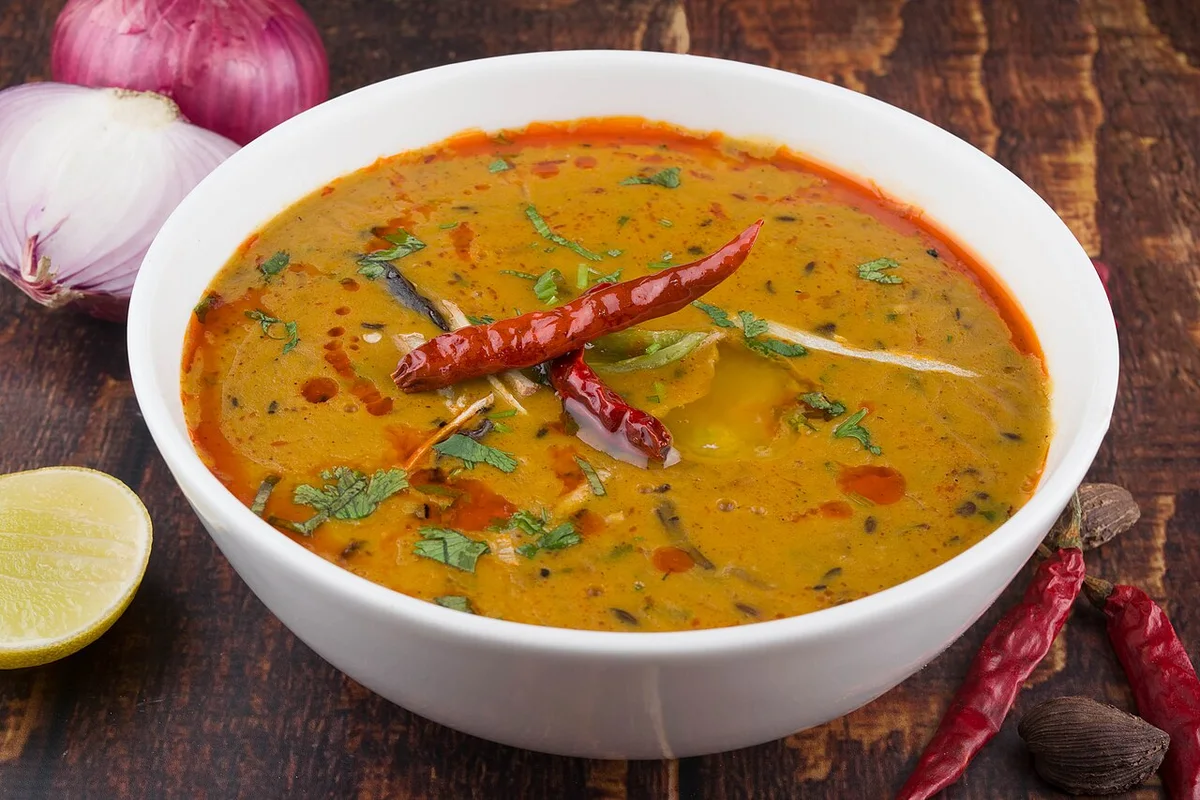
| Red or yellow split | 8 to 12 minutes | Soups, dal, purées | Soft and starting to break down |
Use a simple stovetop method
For a basic side dish, start with 1 cup lentils and 3 cups water or broth. For a soupier pot, use 4 cups liquid. Add aromatics if you like, such as a bay leaf, a smashed garlic clove, a chunk of onion, or a carrot cut into large pieces. Bring the pot to a boil over high heat, then immediately lower it to a gentle simmer.
Keep the pot partly covered so the liquid does not evaporate too quickly. You want small bubbles, not a rolling boil. Stir once or twice during cooking, especially if you are using split lentils. Start tasting a few minutes before the earliest suggested time and keep simmering until the center is tender.
Check doneness by taste and by sight
Perfect lentils should feel tender through the middle, not sandy or chalky. Spoon one out and blow on it, or press it between your fingers. Green, brown, French, and black lentils should keep their shape while still feeling soft enough to eat comfortably.
If you are making lentils for soup or dal, it is fine to cook them a little longer and mash a few against the side of the pot to thicken the broth. For salad or a grain bowl, drain them when they are just tender, then spread them on a tray for a few minutes so the steam can escape and the cooking stops.
Season them well without muddying the flavor
Lentils absorb flavor best when the cooking liquid tastes good from the start. Onion, garlic, carrot, celery, cumin, coriander, thyme, or a bay leaf all work well. A spoonful of tomato paste adds depth, but it is better to stir it in after the lentils have softened so the acidity does not slow the cooking.
Finish with salt, pepper, olive oil, butter, vinegar, lemon juice, or chopped herbs. Acid makes lentils taste brighter, especially in a warm salad or side dish, but add it at the end so the texture stays pleasant. If the pot tastes flat, a pinch more salt is often the last thing it needs.
Fix common lentil problems
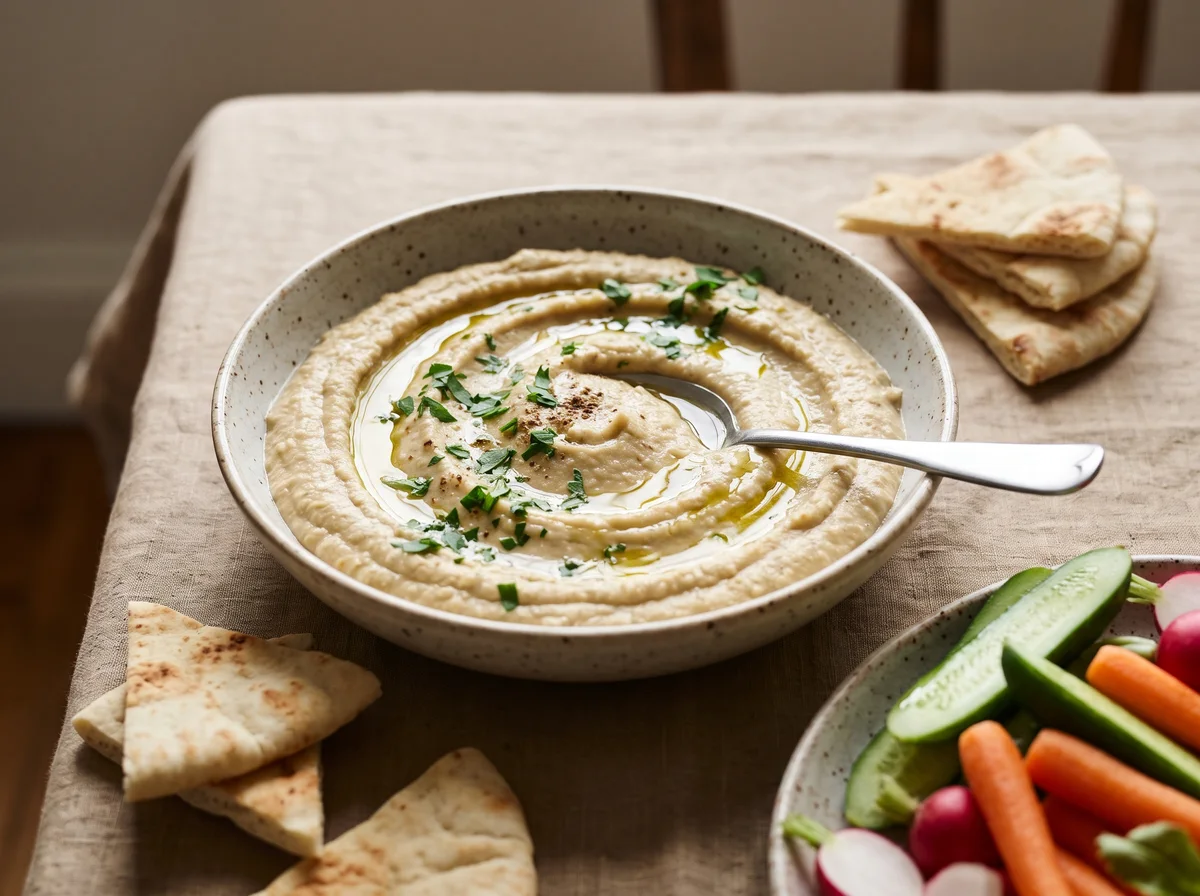
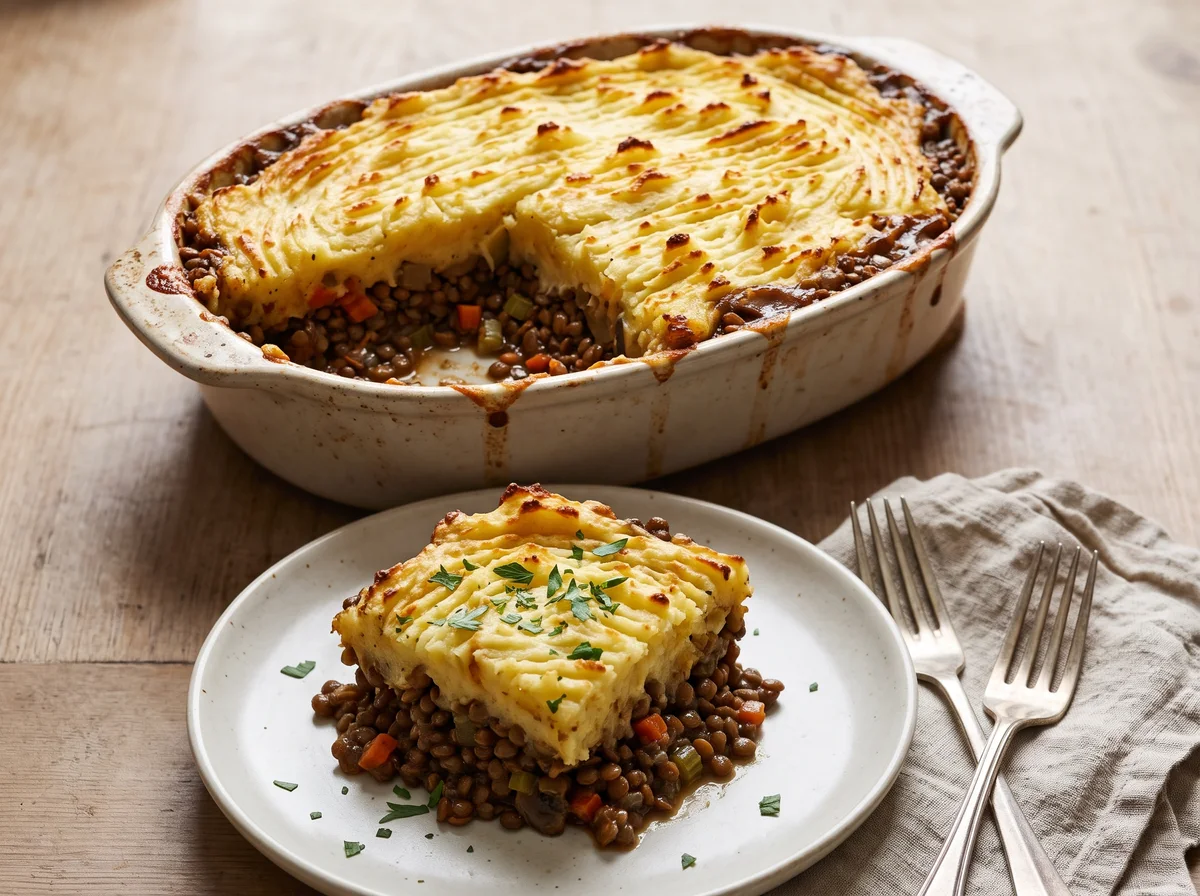
Most lentil mistakes are easy to recover from. If the lentils are still firm after the expected time, keep simmering and add a splash more water if needed. If they are split, dull, or beginning to collapse, they have gone a little too far for a salad but are still useful in soup, dip, shepherd's pie filling, or a thick sauce.
- Boiling too hard splits the skins. Lower the heat to a gentle simmer as soon as the pot comes to a boil.
- Adding acidic ingredients too early can slow softening. Hold back tomatoes, vinegar, and lemon until the lentils are nearly done.
- Too little liquid leads to sticking before the center is tender. Add hot water in small splashes if the pot looks dry.
- Old lentils may need extra time. If the package has been in the pantry a long while, taste before you drain.
Cool, store, and reheat lentils safely
Let cooked lentils cool quickly in shallow containers. Do not leave them on the counter to finish cooling. Refrigerate them within 2 hours, or within 1 hour if the room is above 90F. Keep the refrigerator at 40F or below, and use leftovers within 3 to 4 days.
Reheat leftovers until they reach 165F. A saucepan over medium-low heat works well if you add a splash of water or broth. The microwave also works, but cover the container loosely and stir once or twice so the heat distributes evenly. Reheat only what you plan to eat.
Sources:
Common questions
Do lentils need to be soaked before cooking?
No. Rinse them, pick out any debris, and simmer. Soaking is unnecessary for most lentils.
Why are my lentils still hard after simmering?
Usually they need more time, more liquid, or a gentler simmer. Very old lentils can take longer, and acidic ingredients added too early can slow softening.
Which lentils hold their shape best?
French, green, brown, and black lentils hold their shape best. Red and yellow split lentils cook fastest and are better when you want them to break down into a creamy texture.