Start with the right setup
Quinoa cooks best in a small saucepan with a tight-fitting lid. A fine-mesh strainer helps because the grains are small enough to slip through a standard colander, and a fork keeps the cooked quinoa light when you fluff it.
Use 1 cup dry quinoa for a typical side dish, which usually makes about 3 cups cooked. Water works well, but broth adds more flavor. A little salt helps the grains taste seasoned all the way through.
White quinoa is the quickest-cooking type. Red, black, and tri-color quinoa are fine too, but they can finish a little unevenly, so look for doneness rather than relying only on the clock.
Rinse first, then toast if you want more flavor
Quinoa can carry saponins, which may taste bitter or soapy. Rinse it in a fine-mesh strainer under cool running water for 20 to 30 seconds, rubbing it gently with your hand until the water runs clearer.
If the package says pre-rinsed, a brief rinse is still fine. Drain well before cooking so you do not add extra water to the pot.
For a nuttier flavor, dry the drained quinoa in the empty saucepan over medium heat for 1 to 2 minutes, stirring constantly. Stop as soon as it smells lightly toasted.
Use the classic simmer-and-rest method
Add the rinsed quinoa, water or broth, and salt to the saucepan. Bring it to a boil over medium-high heat, then lower the heat to the gentlest simmer and cover. A hard boil can make the bottom mushy before the center is done.
Cook with the lid on until the liquid is absorbed and the grains look open and translucent, usually about 15 minutes. Turn off the heat and let the pot stand covered for 5 minutes so the texture finishes setting without overcooking.
Fluff with a fork from the edges toward the center. If you want a drier texture for salads, spread the quinoa on a baking sheet for a few minutes so excess steam can escape.
| Dry quinoa | Liquid | Cook time | Best for |
|---|---|---|---|
| 1 cup | 2 cups water or broth | 15 minutes simmer + 5 minutes rest | Fluffy side dishes, bowls, meal prep |
| 1 cup | 2 1/4 cups water | 18 minutes simmer + 5 minutes rest | Softer quinoa for salads or grain bowls |
| 1 cup | 2 cups milk or plant milk + pinch of salt | 15 to 18 minutes | Creamy breakfast-style quinoa |
Watch for the visual cues, then fix common mistakes
Properly cooked quinoa is tender but not mushy, with a tiny white spiral, or germ, visible on each grain. If the pot still has liquid after 15 minutes, cover it again and cook 2 to 3 minutes more over low heat.
If the quinoa tastes chalky in the center, it needs a little more time and a covered rest. If it seems wet and heavy, the lid may have been loose or the heat too high; uncover it for a minute or two, then fluff.
A scorched bottom usually means the burner was too hot or the pot was thin. Next time, use the lowest steady simmer and a heavier saucepan if your stove runs hot.
- Bitter taste: rinse longer and drain well before cooking.
- Mushy texture: use the standard 1 to 2 ratio and keep the simmer gentle.
- Hard center: add a splash of hot water and steam a few more minutes.
- Clumped grains: fluff with a fork, not a spoon, after the rest period.
Season quinoa so it works in real meals
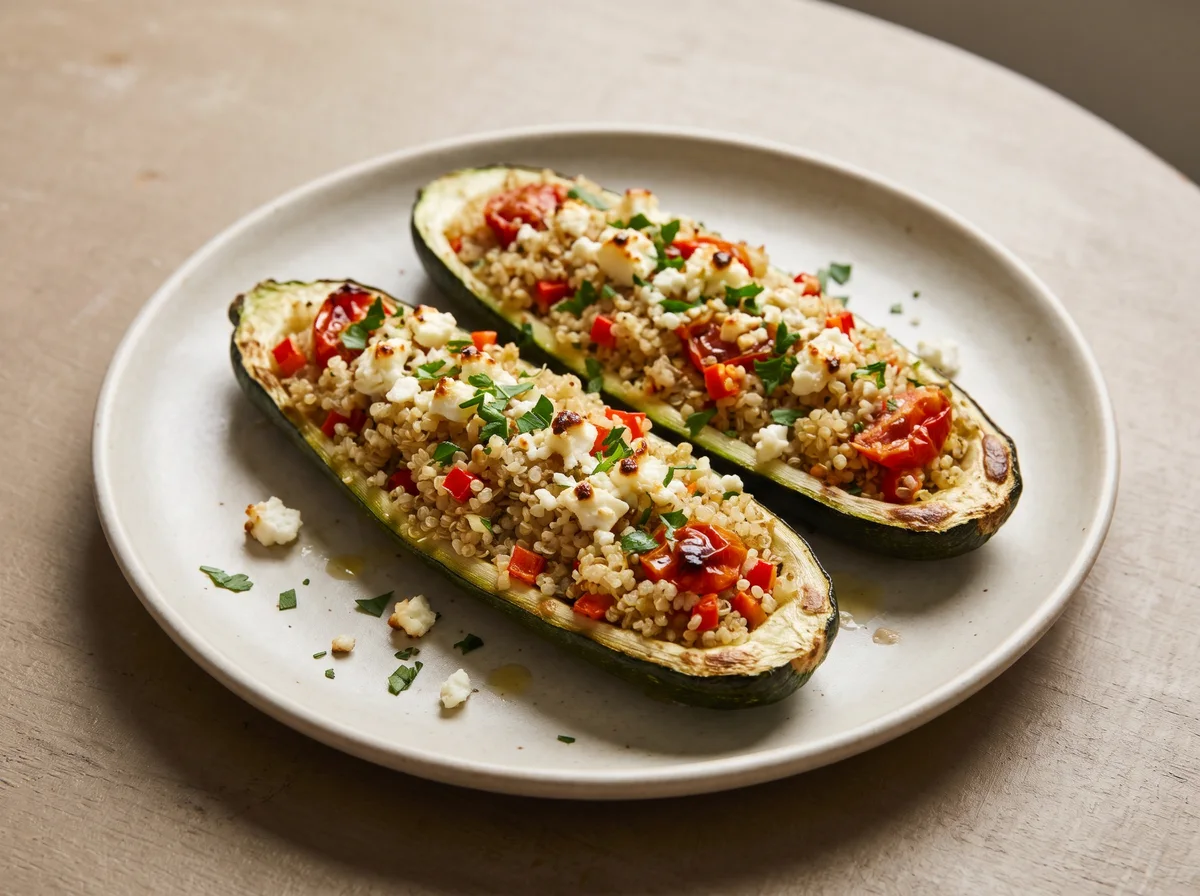
Plain quinoa is mild, which makes it easy to adapt. Cook it in broth, add a bay leaf, or simmer it with a strip of lemon peel for extra aroma. After cooking, finish with olive oil, chopped herbs, lemon juice, scallions, toasted nuts, or crumbled cheese.
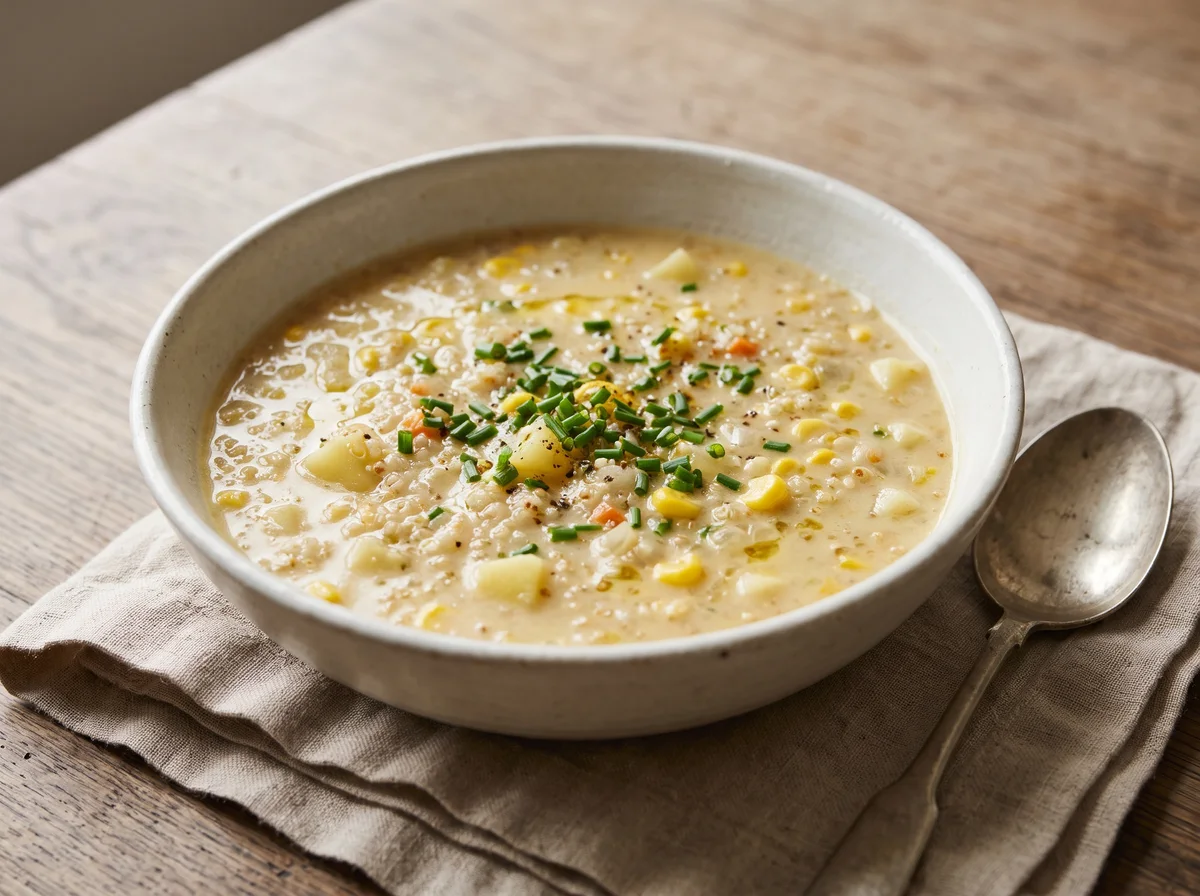
Think of quinoa as a grain base for bowls, stuffed peppers, soups, salads, and roasted vegetables. It also works well warm for breakfast with cinnamon, milk, fruit, and nuts.
Keep the seasoning balanced. If you plan to add a strong sauce later, season the cooking liquid lightly. If the quinoa will be served on its own, season the pot a little more so the flavor carries through.
- Savory add-ins: parsley, dill, cilantro, cumin, garlic, scallions, lemon zest.
- Breakfast add-ins: milk, cinnamon, honey, berries, sliced bananas, chopped nuts.
- Meal-prep idea: cool the quinoa first, then dress it just before serving so it stays fluffy.
Cool, store, and reheat it safely
Spread cooked quinoa in a shallow container or on a sheet pan so it cools quickly. Refrigerate within 2 hours, or within 1 hour if the room is above 90 F. Keep the fridge at 40 F or below, and use cooked quinoa within 3 to 4 days.
Reheat quinoa once only, and make sure it reaches 165 F throughout. Add a teaspoon or two of water, cover, and warm it in the microwave or on the stovetop until it is hot all the way through.
You can freeze cooked quinoa in portions for longer storage. Thaw it in the refrigerator or reheat it directly from frozen. Do not leave it on the counter to cool or thaw for long periods, because that increases food-safety risk.
If a batch sat out too long, discard it. Cooling slowly on the counter does not make it safe again.
Sources: FoodSafety.gov: Four steps to food safetyFoodSafety.gov: Cold storage chart
Common questions
Do I really need to rinse quinoa?
Usually, yes. Rinsing removes the coating that can taste bitter or soapy. A brief rinse in a fine-mesh strainer is enough for most brands, though pre-rinsed quinoa can still benefit from a quick wash.
Why did my quinoa turn mushy?
It usually means there was too much liquid, the simmer was too strong, or the pot stayed on the heat too long. Next time, use the standard 1 to 2 ratio, keep the heat low, and let it rest covered off heat.
Can I cook quinoa in a rice cooker?
Yes. Use the same rinsed quinoa and a similar liquid ratio, then cook it on the regular white rice setting if your cooker has one. Let it sit a few minutes after the cycle ends before fluffing.