Start with the reason roasted vegetables go soft
Roasted vegetables usually lose their crunch for three reasons: too much moisture, too little heat, or too much food on the pan. When vegetables sit in their own moisture, they steam before they brown.
Crisp edges come from dry surfaces meeting direct heat. If the pan is crowded, the vegetables release liquid faster than the oven can evaporate it. The result is tender vegetables with pale bottoms and little browning.
Think of crispness as a balance. You want enough heat to drive off surface moisture, enough space for air to move, and enough oil to help the outside brown without turning greasy.
- If the pan looks wet early on, the vegetables are likely steaming.
- If the pieces are pale after the expected roasting time, the oven is probably too cool or the pan is overcrowded.
- If the vegetables are browned but turn limp in a few minutes, they may be sitting in a covered dish or piled in a bowl.
Prep the vegetables so the oven can brown them
Wash vegetables, then dry them thoroughly. For watery vegetables like zucchini, mushrooms, or eggplant, pat them dry and let them sit in a colander for a few minutes before oiling. Extra surface moisture is one of the fastest ways to lose crispness.
Cut vegetables into even pieces so they finish at the same time. Dense vegetables need smaller pieces than tender ones, but all pieces on the same pan should be similar in size. Uneven cuts lead to a mix of burnt edges and undercooked centers.
Use a light coat of oil, not a puddle. About 1 1/2 to 2 tablespoons oil per pound of vegetables is usually enough to gloss the surfaces. Salt them before roasting so they season evenly, then toss until every piece is lightly coated.
| Vegetable | Best cut | Typical heat and time | Visual cue |
|---|---|---|---|
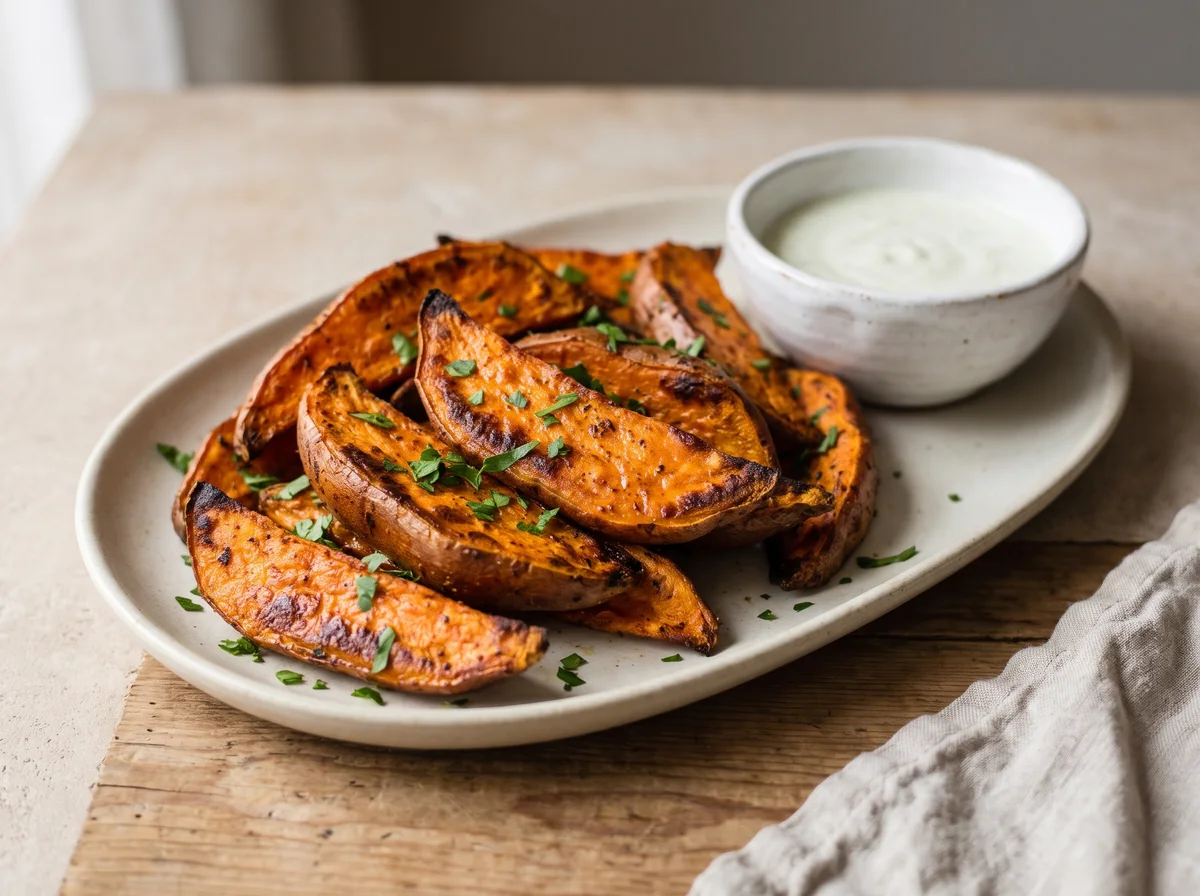
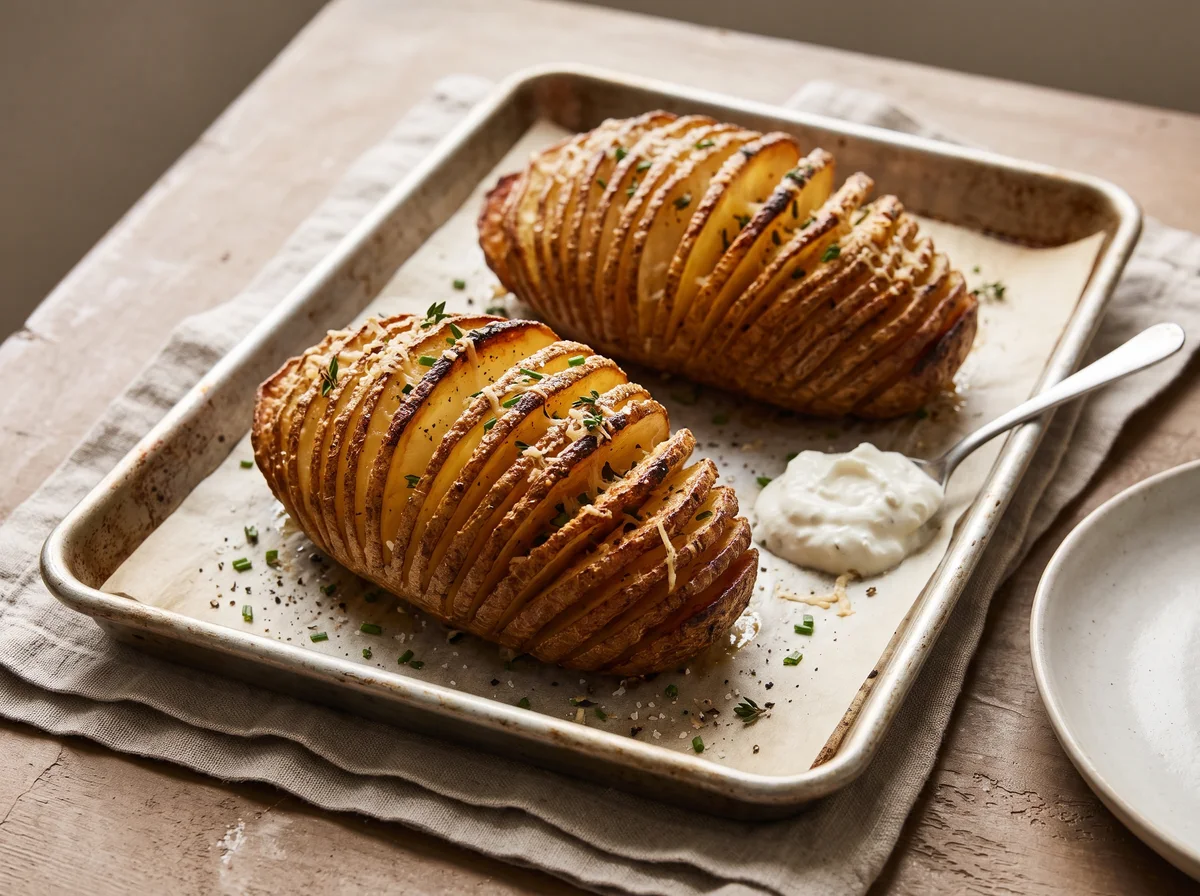
| Potatoes, carrots, parsnips | 3/4-inch chunks | 425 F for 25 to 40 minutes | Browned corners and fork-tender centers |
| Broccoli, cauliflower | Medium florets | 450 F for 15 to 22 minutes | Deeply browned tips, tender stems |
| Brussels sprouts | Halved | 425 F for 20 to 30 minutes | Cut faces darken and crisp |
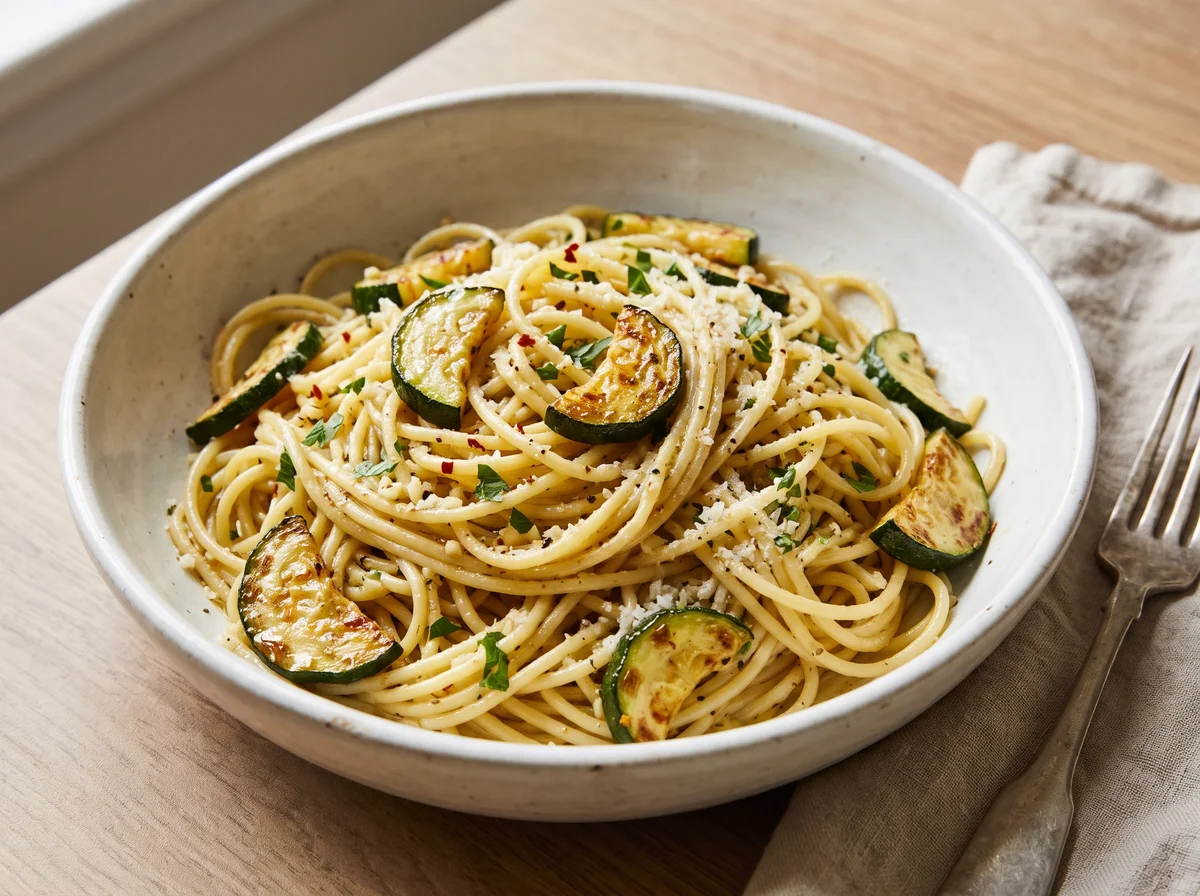
| Zucchini, eggplant, mushrooms | Large pieces or thick slices | 450 F for 12 to 20 minutes | Moisture cooks off and edges color |
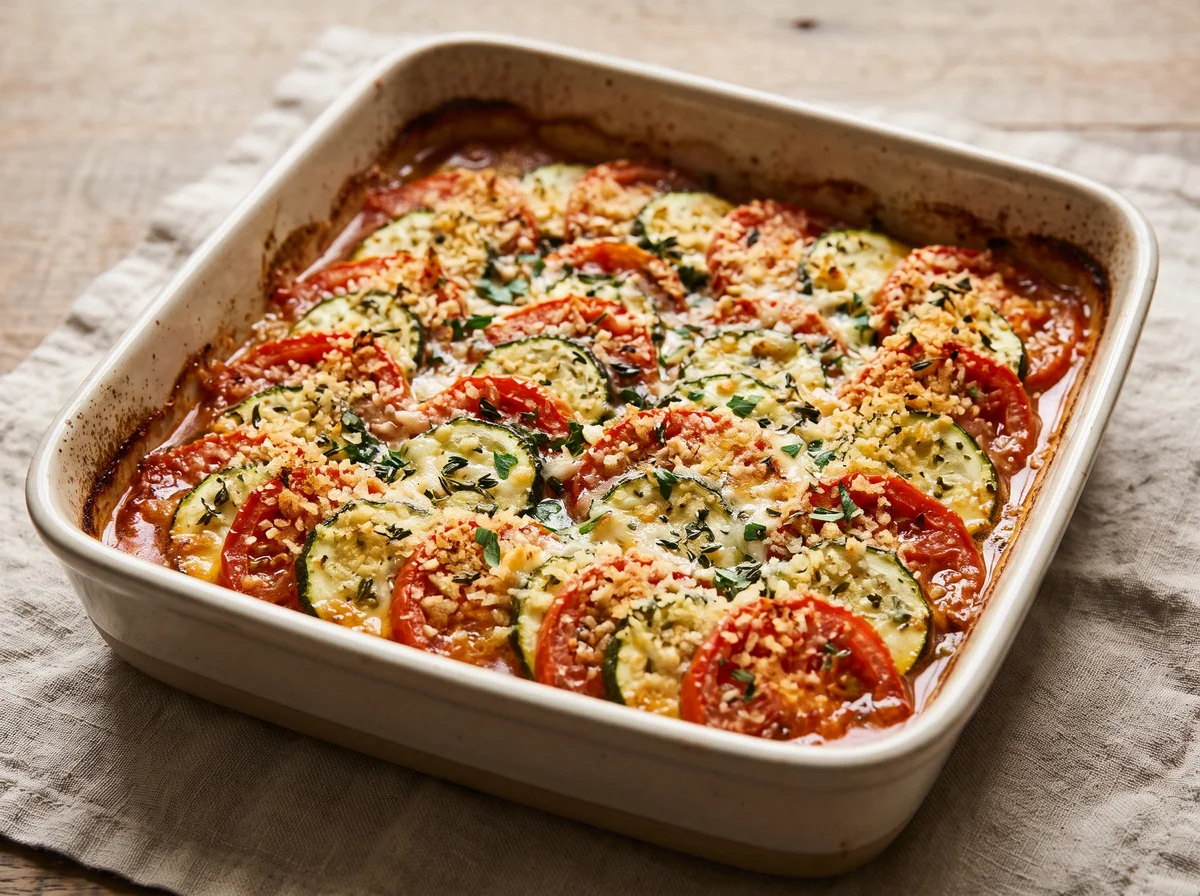
| Tomatoes, onions | Large pieces, or add later | 425 F for 15 to 25 minutes | Wrinkled edges and concentrated juices |
Use a hot pan and a hot oven
Set the oven between 425 F and 450 F for most vegetables. That range is hot enough to evaporate moisture quickly and encourage browning before the vegetables collapse. Lower heat can work, but it usually gives you softer results.
A rimmed sheet pan is better than a deep casserole dish because it gives moisture somewhere to go. For the crispest bottoms, use bare metal and preheat the empty pan for about 8 to 10 minutes. Slide the vegetables onto it carefully so they start sizzling right away.
If you prefer parchment for easier cleanup, use it on a room-temperature pan rather than trying to preheat the lined sheet. Parchment is convenient, but bare metal usually gives sharper browning.
- Use one large pan instead of two crowded small pans whenever possible.
- Do not cover the vegetables with foil after roasting if crispness matters.
- Keep the pan in the center of the oven so heat reaches the food evenly.
Roast in one layer and turn at the right moment
Arrange the vegetables in a single layer with visible space between pieces. If they touch, they are more likely to steam. A little spacing is not wasted space; it is what lets hot air reach every side.
Roast firm vegetables first if you are combining different types. For example, start carrots or potatoes, then add broccoli or zucchini later so everything reaches the table at the same level of doneness. Most mixed trays need vegetables added in stages, not all at once.
Flip or toss only once, when the bottoms are already browned. Too much stirring knocks off the crust you are trying to build. When you do turn them, use a thin spatula and move gently so the browned side stays intact.
- Common mistake: crowded pan. Fix: split the batch between two sheets.
- Common mistake: pale, soggy vegetables. Fix: increase heat by 25 F and cut pieces a little smaller next time.
- Common mistake: burned edges with hard centers. Fix: make the pieces more even and start the dense vegetables earlier.
Finish for crisp edges, not extra steam
Roasted vegetables are crispiest in the first few minutes after they leave the oven. Let them sit on the hot pan for 2 to 3 minutes so the surface sets, then move them to a platter instead of piling them into a deep bowl.
Do not cover them while they are hot. A lid or tight foil traps steam and softens the crust you just built. If you need to hold them briefly, leave them uncovered and in a single layer.
Add finishing touches after roasting. A squeeze of lemon, a spoonful of vinaigrette, chopped herbs, toasted seeds, or a little grated hard cheese can boost flavor without making the vegetables soggy.
- For extra crunch, add nuts or seeds at the very end.
- If serving on a buffet, refill the platter in smaller batches instead of dumping everything on at once.
- If the vegetables need a little more color, put them back in the oven for 3 to 5 minutes rather than letting them sit and soften.
Store leftovers without losing all the crunch
Cool roasted vegetables in a shallow layer so they stop steaming themselves. Then refrigerate them promptly in a covered container. Do not leave them on the counter to finish cooling for a long stretch.
For the best leftover texture, reheat on a hot sheet pan or in a skillet instead of the microwave. A few minutes in a hot oven can restore some browning, while the microwave usually makes the surfaces softer.
If the vegetables were already dressed with sauce or vinaigrette, expect less crispness on day two. In that case, reheat just until hot and finish with a fresh crunchy topping instead of trying to force the old crust back.
- Refrigerate leftovers within 2 hours, or within 1 hour if the room is above 90 F.
- Keep the refrigerator at 40 F or below.
- Use leftover roasted vegetables within 3 to 4 days.
- Reheat leftovers to 165 F before serving.
Common questions
Why do roasted vegetables get soggy after a few minutes?
Usually because steam is trapped. A covered bowl, crowded pan, or damp vegetables will soften the surface quickly. Keep them uncovered, spread out, and move them off the hot pan only when you are ready to serve.
Can I make roasted vegetables ahead and still keep them crisp?
Yes, but the texture is best the same day. Roast them until just shy of your ideal doneness, cool them in a single layer, then reheat on a hot sheet pan. Add any sauce or acidic finish right before serving.
Is parchment okay, or do I need bare metal?
Both work, but bare metal usually browns better. Parchment makes cleanup easier and is fine for most home roasting, while a preheated metal pan gives you the strongest bottom crust.