Basil pesto
Inspired by Ligurian basil pesto, this version uses a food processor for a fast, vivid green sauce with toasted pine nuts, Parmesan, lemon, garlic, and olive oil. It makes about 1 1/4 cups, enough to toss with pasta, spread on sandwiches, or spoon over vegetables. The texture should be thick but glossy, with flecks of basil and nuts still visible.
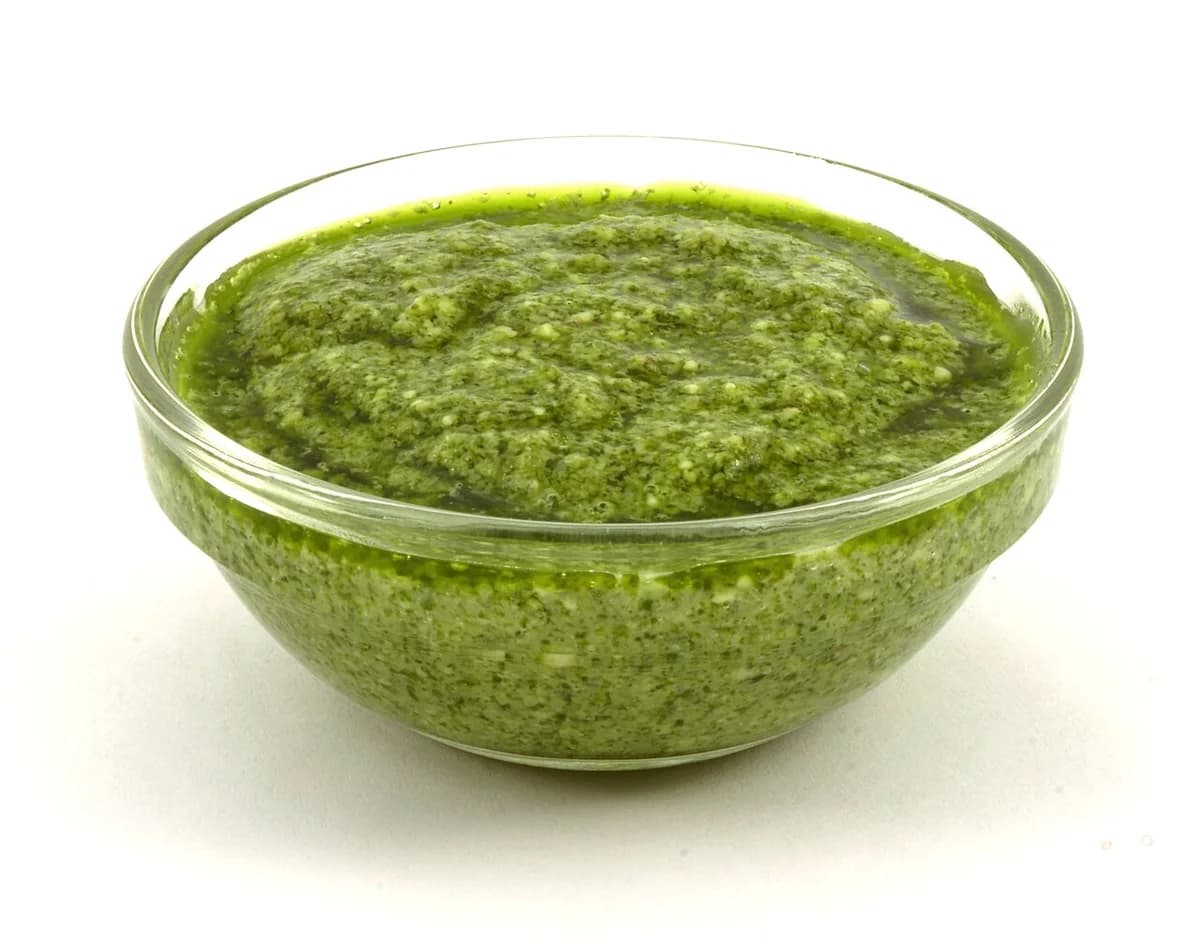
Estimated calories and US ingredient costs.
This batch fits a standard 7 to 11-cup food processor or a large mortar. For a doubled recipe, a full-size processor gives the best texture; a mini chopper can overwork the basil unless you make two separate batches. Do not halve the oil too aggressively, or the blades may not catch the leaves evenly.
Your whole cook, in one place.
Ingredients, steps and a live timeline. Ready for 8 people.
Step timeline
Cooking order
7 leftToast the pine nuts
~4 minToast the pine nuts.
Set a small skillet, about 8 inches wide, over medium heat and add the 1/4 cup pine nuts.
Toast for 3 to 4 minutes, shaking the pan often, until they are lightly golden and fragrant.
Move them to a plate right away so the residual heat does not push them from toasted to bitter.
Prep the basil and processor
~1 minPrep the basil and processor.
Pat the 2 packed cups fresh basil leaves very dry so the sauce stays bright and emulsifies cleanly.
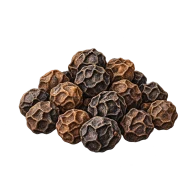
Add the basil, 1 tsp minced garlic, 1/4 cup finely grated Parmesan cheese, 1 tbsp fresh lemon juice, 1/2 tsp fine salt, and 1/4 tsp black pepper to a food processor fitted with the metal blade.
Ingredients
- 2 total for recipePacked cups fresh basil leaves (about 1 1/2 oz)
- 1 tspGarlic
- 1/4 cupParmesan cheese (1 oz)
- 1 tbspFresh lemon juice
- 1/2 tspFine salt
- 1/4 tspBlack pepper


Pulse to a coarse paste
~1 minPulse to a coarse paste.
Add the toasted pine nuts to the processor and pulse 6 to 8 times, scraping the bowl once if needed, until the basil is chopped into a coarse, damp-looking paste.
Stop before the mixture turns smooth, because overprocessing can make the basil taste grassy and dull the color.
Ingredients
- 2 total for recipePacked cups fresh basil leaves (about 1 1/2 oz)
Stream in the olive oil
~1 minStream in the olive oil.
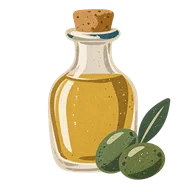
With the machine running, pour in 1/4 cup of the 1/2 cup extra-virgin olive oil in a thin stream.
Stop, scrape the sides, then add the remaining 1/4 cup olive oil and process in short bursts for 5 to 10 seconds, just until the pesto looks glossy and spoonable with tiny flecks of basil still visible.
Ingredients
- 2 total for recipePacked cups fresh basil leaves (about 1 1/2 oz)
- 1/2 cup + 1/4 cupExtra-virgin olive oil

Finish and serve
~120 min cookFinish
Spoon the pesto into a small bowl or jar and smooth the surface.
It should mound softly on a spoon and spread easily; if it looks oily on top, give it one or two brief pulses to bring it back together.
Check the dish
After ~120 minCheck Basil pesto and continue when ready.
Serve meal
~1 minOnce all dishes are cooked and ready, plate and serve the meal together.
Basil pesto: serve.
Basil pesto: Serve immediately over hot pasta, or press plastic wrap directly against the surface, refrigerate within 2 hours, and use within 3 days.
Make the next one yours.
Create a custom meal with what you have.
Read the traditional recipe
Ingredients
For 8 people
- 2 packed cups fresh basil leaves (about 1 1/2 oz)
- 1/4 cup pine nuts (1 oz)
- 1 tsp minced garlic
- 1/4 cup finely grated Parmesan cheese (1 oz)
- 1 tbsp fresh lemon juice
- 1/2 tsp fine salt
- 1/4 tsp black pepper
- 1/2 cup extra-virgin olive oil
Method
- Toast the pine nutsSet a small skillet, about 8 inches wide, over medium heat and add the 1/4 cup pine nuts. Toast for 3 to 4 minutes, shaking the pan often, until they are lightly golden and fragrant. Move them to a plate right away so the residual heat does not push them from toasted to bitter.
- Prep the basil and processorPat the 2 packed cups fresh basil leaves very dry so the sauce stays bright and emulsifies cleanly. Add the basil, 1 tsp minced garlic, 1/4 cup finely grated Parmesan cheese, 1 tbsp fresh lemon juice, 1/2 tsp fine salt, and 1/4 tsp black pepper to a food processor fitted with the metal blade.
- Pulse to a coarse pasteAdd the toasted pine nuts to the processor and pulse 6 to 8 times, scraping the bowl once if needed, until the basil is chopped into a coarse, damp-looking paste. Stop before the mixture turns smooth, because overprocessing can make the basil taste grassy and dull the color.
- Stream in the olive oilWith the machine running, pour in 1/4 cup of the 1/2 cup extra-virgin olive oil in a thin stream. Stop, scrape the sides, then add the remaining 1/4 cup olive oil and process in short bursts for 5 to 10 seconds, just until the pesto looks glossy and spoonable with tiny flecks of basil still visible.
- Finish and serveSpoon the pesto into a small bowl or jar and smooth the surface. It should mound softly on a spoon and spread easily; if it looks oily on top, give it one or two brief pulses to bring it back together. Serve immediately over hot pasta, or press plastic wrap directly against the surface, refrigerate within 2 hours, and use within 3 days.
Before you cook
What to get ready
Food processor, small skillet for nuts, spatula and clean covered containers.
Wash and thoroughly dry basil and cool the toasted pine nuts before processing.
If something needs adjusting
Pesto becomes dark or bitter
Pulse briefly and keep the mixture cool; avoid running the processor long after the leaves are chopped.
Oil separates during storage
Stir the chilled pesto before using. Add it to hot food off the heat rather than frying it hard.
Store for later
Refrigerate homemade garlic-and-herb oil mixtures at 40°F or below and use within 4 days, or freeze portions. Do not store homemade pesto at room temperature.
National Center for Home Food Preservation: storing garlic in oil.
Make the ingredients go further
Freeze small portions and use spare basil in caprese salad.
Next use for your ingredients: Caprese salad →
Calculate this meal with your own prices →
Cooking notes updated October 24, 2026. How we create recipes.
Tips, swaps and questions
A little kitchen know-how
For the brightest color, keep the basil dry and use short pulses instead of one long blend. A food processor warms the oil less than a blender, but it can still darken the sauce if you run it continuously. If the basil leaves are very large, tear them once so they break down evenly without bruising.
Make it work for you
Swap the pine nuts for walnuts or blanched almonds in the same amount. Walnuts make a darker, earthier pesto, while almonds give a milder flavor and a slightly less creamy texture. If you use nuts that were already roasted, skip the skillet step or the pesto can pick up a bitter edge.
Use more of your pine nuts and garlic in spinach pesto.
Why did my pesto turn dark or bitter?
Pesto darkens when the basil is bruised too long or the processor runs continuously and warms the mixture. Use short pulses, scrape the bowl, and keep the basil dry. If the garlic tastes sharp, mince it finely and process it with the cheese and nuts so it disperses instead of hitting in one strong bite.
Times are estimates. Check ingredients for allergens. For safe temperatures and storage, see FoodSafety.gov.