Spinach pesto
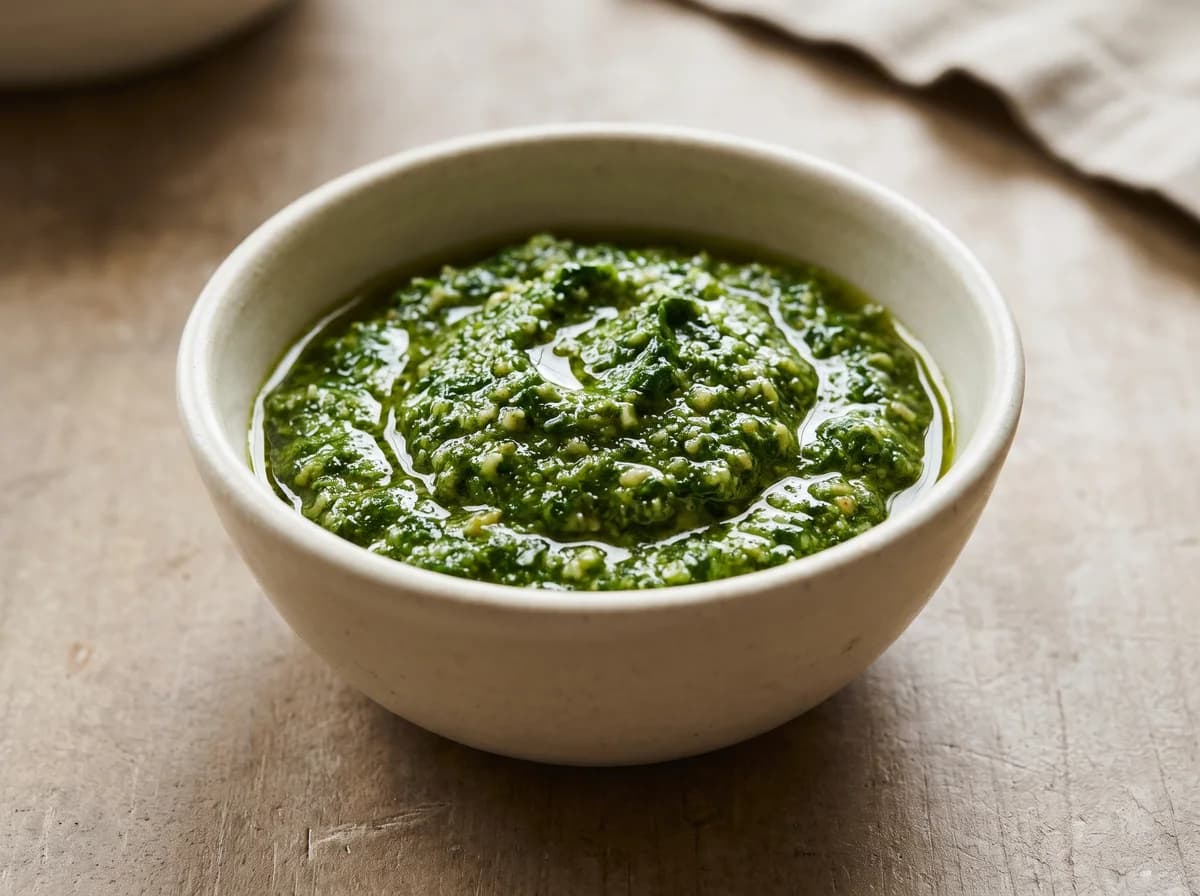
A bright, garlicky green pesto made with spinach, basil, pine nuts, Parmesan, lemon, and olive oil. It makes about 3/4 cup, enough to toss with 8 ounces of pasta, spoon over vegetables, or spread on sandwiches. The spinach softens the flavor and gives the sauce a vivid green color while the basil and cheese keep it tasting like pesto, not a plain herb purée.
Estimated calories and US ingredient costs.
This recipe scales well in a food processor, but for batches larger than 4 servings use a larger bowl and add the olive oil more slowly so the sauce emulsifies evenly. If doubling, toast the nuts in two batches for more even browning. For freezing, pack portions tightly and thaw in the refrigerator before stirring.
Your whole cook, in one place.
Ingredients, steps and a live timeline. Ready for 2 people.
Step timeline
Cooking order
7 leftToast the pine nuts
~5 minToast the pine nuts.
Set a small skillet over medium heat and add the 1 oz pine nuts.
Toast for 3 to 5 minutes, shaking the pan often, until the nuts are fragrant and the lightest ones are golden at the edges.
Move them immediately to a plate so they do not keep browning in the hot pan.
Ingredients
- 1 ozPine nuts
Load the processor
~2 minLoad the processor.
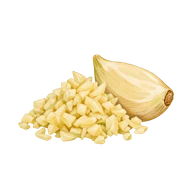
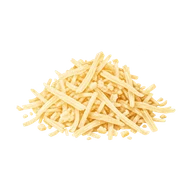
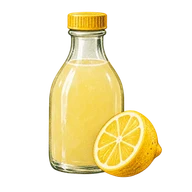
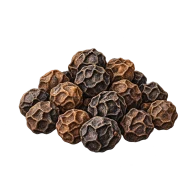
In a food processor, combine the 2 oz baby spinach leaves, 1 oz basil leaves, 1 tsp minced garlic, 1 oz finely grated Parmesan cheese, 1 tbsp lemon juice, 1/2 tsp kosher salt, and 1/4 tsp black pepper.
Add the toasted pine nuts.
Pulse several times until the leaves are chopped and the mixture looks like a coarse green paste.
Ingredients
- 2 ozBaby spinach leaves
- 1 ozBasil leaves
- 1 oz total for recipePine nuts
- 1 tspGarlic
- 1 ozParmesan cheese
- 1 tbspLemon juice
- 1/2 tspKosher salt
- 1/4 tspBlack pepper
Stream in the oil
~1 minStream in the oil.
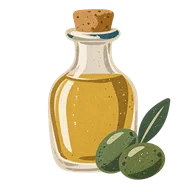
With the processor running, slowly pour in the 1/2 cup olive oil in a thin stream.
Stop once or twice to scrape down the bowl so the garlic and cheese are evenly distributed.
The pesto should become glossy and loose enough to spoon, but still thick and spoonable rather than completely smooth.
Ingredients
- 1/2 cupOlive oil
Adjust the texture
~1 minAdjust the texture.
Add the 1 tbsp cold water and pulse just until the pesto loosens slightly.
If it looks stiff, add more water only by the teaspoon, but keep the sauce thick enough to cling to pasta or vegetables.
Taste the pesto and, if needed, add up to 1 tsp more lemon juice to brighten it, keeping in mind the Parmesan already adds saltiness.
Ingredients
- 1 tbsp total for recipeLemon juice
- 1 tbspCold water
Check the final consistency
~2 minCheck the final consistency.
Let the pesto sit for 2 minutes so the oil can settle into the greens, then stir once more.
The finished sauce should be vivid green with tiny nut and cheese flecks.
If it appears grainy, pulse a few more times rather than adding more oil, which can make it greasy.
Ingredients
- 1 oz total for recipeParmesan cheese
- 1/2 cup total for recipeOlive oil
Serve immediately
~1 minFor pasta, reserve a splash of hot cooking water and toss the pesto with the drained pasta off the heat so it turns creamy instead of clumping.
Serve meal
~1 minOnce all dishes are cooked and ready, plate and serve the meal together.
Spinach pesto: Serve immediately.
Spinach pesto: Spoon the spinach pesto into a small bowl or use it right away with hot pasta, roasted potatoes, grilled chicken, or warm bread.
Make the next one yours.
Create a custom meal with what you have.
Read the traditional recipe
Ingredients
For 2 people
- 2 oz baby spinach leaves
- 1 oz basil leaves
- 1 oz pine nuts
- 1 tsp minced garlic
- 1 oz finely grated Parmesan cheese
- 1 tbsp lemon juice
- 1/2 tsp kosher salt
- 1/4 tsp black pepper
- 1/2 cup olive oil
- 1 tbsp cold water
Method
- Toast the pine nutsSet a small skillet over medium heat and add the 1 oz pine nuts. Toast for 3 to 5 minutes, shaking the pan often, until the nuts are fragrant and the lightest ones are golden at the edges. Move them immediately to a plate so they do not keep browning in the hot pan.
- Load the processorIn a food processor, combine the 2 oz baby spinach leaves, 1 oz basil leaves, 1 tsp minced garlic, 1 oz finely grated Parmesan cheese, 1 tbsp lemon juice, 1/2 tsp kosher salt, and 1/4 tsp black pepper. Add the toasted pine nuts. Pulse several times until the leaves are chopped and the mixture looks like a coarse green paste.
- Stream in the oilWith the processor running, slowly pour in the 1/2 cup olive oil in a thin stream. Stop once or twice to scrape down the bowl so the garlic and cheese are evenly distributed. The pesto should become glossy and loose enough to spoon, but still thick and spoonable rather than completely smooth.
- Adjust the textureAdd the 1 tbsp cold water and pulse just until the pesto loosens slightly. If it looks stiff, add more water only by the teaspoon, but keep the sauce thick enough to cling to pasta or vegetables. Taste the pesto and, if needed, add up to 1 tsp more lemon juice to brighten it, keeping in mind the Parmesan already adds saltiness.
- Check the final consistencyLet the pesto sit for 2 minutes so the oil can settle into the greens, then stir once more. The finished sauce should be vivid green with tiny nut and cheese flecks. If it appears grainy, pulse a few more times rather than adding more oil, which can make it greasy.
- Serve immediatelySpoon the spinach pesto into a small bowl or use it right away with hot pasta, roasted potatoes, grilled chicken, or warm bread. For pasta, reserve a splash of hot cooking water and toss the pesto with the drained pasta off the heat so it turns creamy instead of clumping.
Before you cook
What to get ready
Food processor, small skillet for nuts, spatula and clean covered containers.
Dry washed spinach and basil and let toasted nuts cool before blending.
If something needs adjusting
Pesto tastes diluted
Remove water from the leaves and add the optional water only after checking consistency.
Oil separates during storage
Stir the chilled pesto before using. Add it to hot food off the heat rather than frying it hard.
Store for later
Refrigerate homemade garlic-and-herb oil mixtures at 40°F or below and use within 4 days, or freeze portions. Do not store homemade pesto at room temperature.
National Center for Home Food Preservation: storing garlic in oil.
Make the ingredients go further
Use remaining spinach in a bean skillet.
Next use for your ingredients: Creamy white beans with spinach →
Calculate this meal with your own prices →
Cooking notes updated October 24, 2026. How we create recipes.
Tips, swaps and questions
A little kitchen know-how
For the freshest color, make the pesto in a food processor and avoid blending it too long after the oil goes in. Overprocessing can warm the herbs and make the sauce taste dull. If you want a looser pasta sauce, add hot starchy pasta water at the table instead of extra oil, which keeps the flavor bright and the texture lighter.
Make it work for you
If pine nuts are pricey, use 1 oz walnuts or cashews and toast them the same way. Walnuts give a deeper, slightly bitter edge, while cashews make the pesto milder and creamier. If you swap in a sharper cheese such as Pecorino Romano, reduce the salt a little because the cheese will bring more salinity.
Use more of your pine nuts and garlic in basil pesto.
Can I make spinach pesto ahead of time without it turning brown?
Yes. Press a piece of plastic wrap directly onto the surface, cover the container, and refrigerate it for up to 3 days. Chill it within 2 hours of making it. The lemon helps slow discoloration, but the top can still darken slightly. Before serving, stir well and refresh the texture with a teaspoon or two of warm water or olive oil if it has tightened up.
Times are estimates. Check ingredients for allergens. For safe temperatures and storage, see FoodSafety.gov.