Cabbage rolls
Tender blanched cabbage leaves wrap a savory filling of ground beef, pork, rice, onion, egg, and parsley, then bake under a bright tomato sauce until plush and sliceable. This small-batch version makes 6 cabbage rolls, enough for 2 hearty servings, with extra sauce for spooning over the top and a little tang from vinegar.
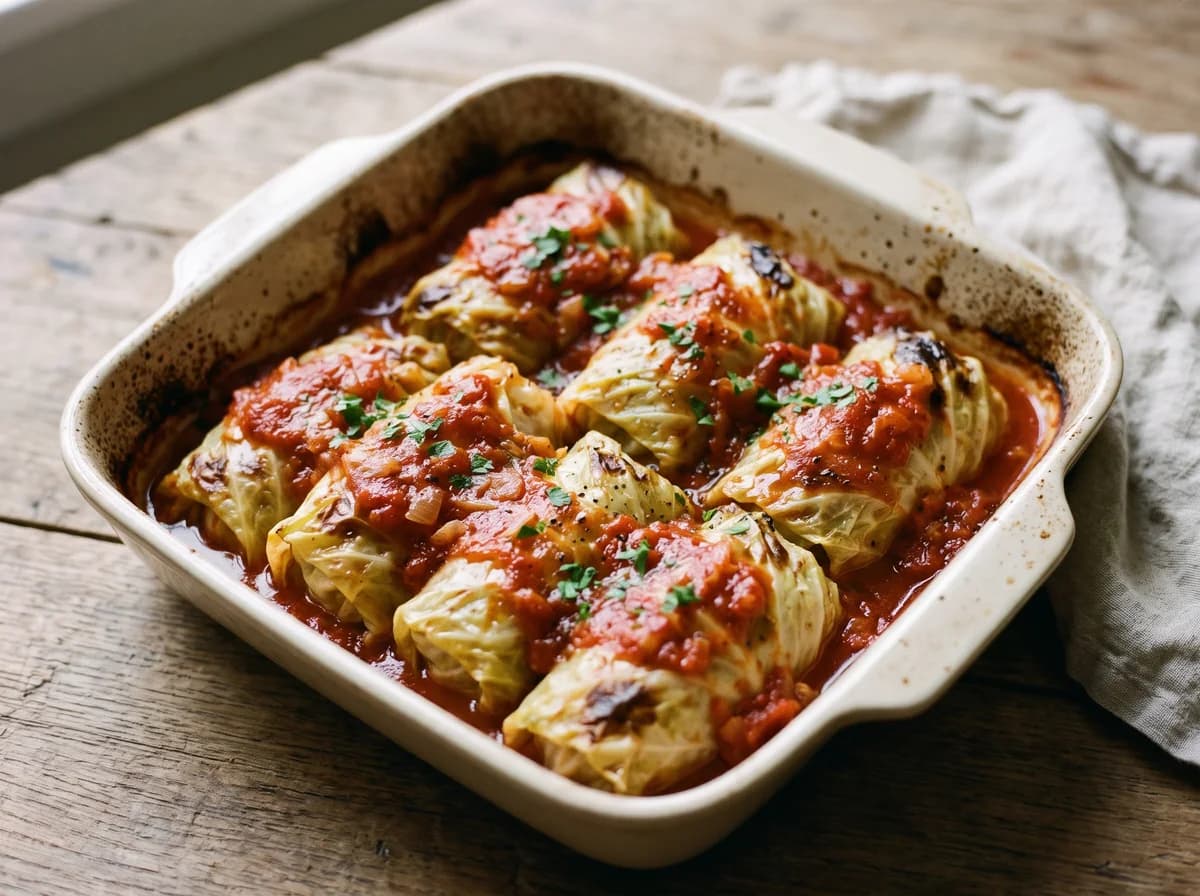
Estimated calories and US ingredient costs.
For 4 servings, double everything and use a 9x13-inch baking dish or two 8x8-inch dishes. Keep the oven at 350 F. Blanch the cabbage in batches, and use a wider skillet for the sauce so it reduces evenly. Packed larger batches may need a few extra minutes under foil, but the temperature does not change.
Your whole cook, in one place.
Ingredients, steps and a live timeline. Ready for 2 people.
Step timeline
Cooking order
10 leftCook the rice and soften the cabbage
~15 min cookCook the rice and soften the cabbage.
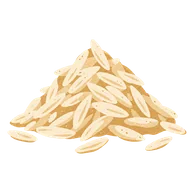
Combine the 1/2 cup uncooked long-grain white rice, 1 cup water, and 1/4 tsp of the kosher salt in a small saucepan.
Bring to a boil, cover, reduce to low, and cook for 15 minutes
Ingredients
- 18 oz total for recipeGreen cabbage leaves, cored and separated into large leaves
- 1/2 cupUncooked long-grain white rice
- 1 cupWater
- 1/4 tspKosher salt


Boil a large pot of water
After ~15 minRemove from the heat and let it stand covered for 5 minutes.
While the rice cooks, bring a large pot of water to a boil, cut out the cabbage core, and separate 6 to 8 large leaves from the 18 oz of green cabbage leaves.
Blanch the leaves in batches for 2 to 3 minutes until flexible, then move them to cold water.
Drain well, pat dry, and shave down the thick center ribs so they roll without cracking.
Ingredients
- 1/2 cup total for recipeUncooked long-grain white rice
- 1 1/2 cups total for recipeWater
Build the tomato sauce
~15 minBuild the tomato sauce.
Heat the olive oil in a 10-inch skillet over medium heat.
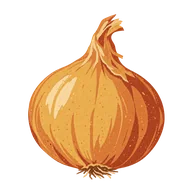
Add 2 oz of the chopped yellow onion and cook for 4 to 5 minutes, stirring often, until translucent but not browned.
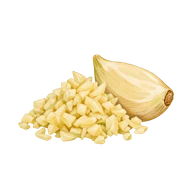
Stir in the minced garlic, tomato paste, paprika, 1/2 cup water, crushed tomatoes, apple cider vinegar, sugar, another 1/4 tsp of the salt, and 1/4 tsp of the black pepper.
Simmer for about 10 minutes, stirring now and then, until the sauce looks glossy and slightly thickened.
Spoon about 3/4 cup of the sauce into the bottom of an 8x8-inch baking dish and leave the rest in the skillet.
Ingredients
- 1/2 cupWater
- 4 oz total for recipeYellow onion, divided
- 2 tspGarlic
- 1 tbspOlive oil
- 1 tbspTomato paste
- 14 oz total for recipeCanned crushed tomatoes
- 1 tbspApple cider vinegar
- 1 tspPaprika
- 1/4 tspKosher salt
- 1/4 tspBlack pepper
- 1 tspSugar




Mix the filling
~4 minMix the filling.
In a mixing bowl, combine the ground beef, ground pork, cooked rice, the remaining 2 oz of chopped onion, the egg, the chopped parsley, the remaining 1/2 tsp salt, and the remaining 1/4 tsp black pepper.
Mix gently with your hands or a fork just until evenly combined.
Do not compress the mixture too much or the rolls will bake up dense instead of tender.
Ingredients
- 1/2 cup total for recipeUncooked long-grain white rice
- 8 ozLean ground beef
- 4 ozGround pork
- 1Large egg
- 2 ozYellow onion, divided
- 1/2 tspKosher salt
- 1/4 tspBlack pepper
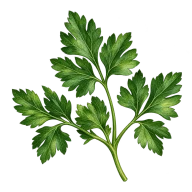
- 2 tbspFresh parsley

Roll the cabbage leaves
~3 minRoll the cabbage leaves.
Lay one cabbage leaf on a work surface with the stem end toward you.
Place about 1/3 cup filling just above the stem, fold the sides inward, and roll tightly away from you to make a neat log.
Repeat with the remaining leaves and filling, using two thinner leaves together if one splits.
If you have any torn cabbage scraps, line them in the bottom of the baking dish before adding the rolls so nothing sticks.
Ingredients
- 18 oz total for recipeGreen cabbage leaves, cored and separated into large leaves
Sauce and bake
~45 min cookSauce and bake.
Arrange the rolls seam side down in the sauced baking dish in a snug single layer.
Spoon the remaining tomato sauce over the top, adding 2 to 3 tbsp water only if the sauce is too thick to settle between the rolls.
Cover the dish tightly with foil and bake at 350 F for 45 minutes
Ingredients
- 14 oz total for recipeCanned crushed tomatoes
Bake
After ~45 minUncover and bake for 10 minutes more, until the sauce bubbles at the edges and a center roll reaches 160 F.
Rest and serve
~10 min cookRest
Let the cabbage rolls rest for 10 minutes so the filling settles and the sauce thickens slightly.
Spoon extra sauce over the top
Check the dish
After ~10 minCheck Cabbage rolls and continue when ready.
Serve meal
~1 minOnce all dishes are cooked and ready, plate and serve the meal together.
Cabbage rolls: serve.
Cabbage rolls: serve hot straight from the baking dish.
Make the next one yours.
Create a custom meal with what you have.
Read the traditional recipe
Ingredients
For 2 people
- 18 oz green cabbage leaves, cored and separated into large leaves
- 1/2 cup uncooked long-grain white rice
- 1 1/2 cups water
- 8 oz lean ground beef
- 4 oz ground pork
- 1 large egg
- 4 oz yellow onion, finely chopped, divided
- 2 tsp minced garlic
- 1 tbsp olive oil
- 1 tbsp tomato paste
- 14 oz canned crushed tomatoes
- 1 tbsp apple cider vinegar
- 1 tsp paprika
- 1 tsp kosher salt
- 1/2 tsp black pepper
- 1 tsp sugar
- 2 tbsp chopped fresh parsley
Method
- Cook the rice and soften the cabbageCombine the 1/2 cup uncooked long-grain white rice, 1 cup water, and 1/4 tsp of the kosher salt in a small saucepan. Bring to a boil, cover, reduce to low, and cook for 15 minutes. Remove from the heat and let it stand covered for 5 minutes. While the rice cooks, bring a large pot of water to a boil, cut out the cabbage core, and separate 6 to 8 large leaves from the 18 oz of green cabbage leaves. Blanch the leaves in batches for 2 to 3 minutes until flexible, then move them to cold water. Drain well, pat dry, and shave down the thick center ribs so they roll without cracking.
- Build the tomato sauceHeat the olive oil in a 10-inch skillet over medium heat. Add 2 oz of the chopped yellow onion and cook for 4 to 5 minutes, stirring often, until translucent but not browned. Stir in the minced garlic, tomato paste, paprika, 1/2 cup water, crushed tomatoes, apple cider vinegar, sugar, another 1/4 tsp of the salt, and 1/4 tsp of the black pepper. Simmer for about 10 minutes, stirring now and then, until the sauce looks glossy and slightly thickened. Spoon about 3/4 cup of the sauce into the bottom of an 8x8-inch baking dish and leave the rest in the skillet.
- Mix the fillingIn a mixing bowl, combine the ground beef, ground pork, cooked rice, the remaining 2 oz of chopped onion, the egg, the chopped parsley, the remaining 1/2 tsp salt, and the remaining 1/4 tsp black pepper. Mix gently with your hands or a fork just until evenly combined. Do not compress the mixture too much or the rolls will bake up dense instead of tender.
- Roll the cabbage leavesLay one cabbage leaf on a work surface with the stem end toward you. Place about 1/3 cup filling just above the stem, fold the sides inward, and roll tightly away from you to make a neat log. Repeat with the remaining leaves and filling, using two thinner leaves together if one splits. If you have any torn cabbage scraps, line them in the bottom of the baking dish before adding the rolls so nothing sticks.
- Sauce and bakeArrange the rolls seam side down in the sauced baking dish in a snug single layer. Spoon the remaining tomato sauce over the top, adding 2 to 3 tbsp water only if the sauce is too thick to settle between the rolls. Cover the dish tightly with foil and bake at 350 F for 45 minutes. Uncover and bake for 10 minutes more, until the sauce bubbles at the edges and a center roll reaches 160 F.
- Rest and serveLet the cabbage rolls rest for 10 minutes so the filling settles and the sauce thickens slightly. Spoon extra sauce over the top and serve hot straight from the baking dish.
Before you cook
What to get ready
The recipe's baking dish, saucepan or skillet for the filling, oven mitts and thermometer.
Soften cabbage leaves and shave thick ribs before rolling; cool the cooked rice before mixing with meat.
If something needs adjusting
Leaves tear around the filling
Use a smaller filling portion and overlap a small spare leaf over any tear before rolling.
A larger batch heats unevenly
Use a second shallow dish rather than making a much deeper casserole. Check the center, not only the bubbling edges, before serving.
Store for later
Portion the cooked casserole into shallow containers for prompt chilling. Reheat the center to 165°F, covering if the topping browns too soon.
Refrigerate perishables within 2 hours, or 1 hour above 90°F. Keep the fridge at 40°F or below; use refrigerated leftovers within 3–4 days. USDA storage and reheating guidance.
Make the ingredients go further
Use the cabbage core and spare leaves in a skillet dinner.
Next use for your ingredients: Beef and cabbage skillet →
Calculate this meal with your own prices →
Cooking notes updated October 24, 2026. How we create recipes.
Tips, swaps and questions
A little kitchen know-how
For the neatest rolls, trim the thick stem ridge from each blanched cabbage leaf so it folds like a soft envelope. If a leaf cracks, overlap two leaves and keep the seam underneath the sauce. The dish bakes more evenly if the rolls are snug but not crushed in the baking dish.
Make it work for you
For a leaner version, replace the ground pork with 4 oz more lean ground beef or ground turkey. Turkey cooks drier, so keep the tomato sauce loose and avoid packing the filling too tightly. You can also use brown rice, but cook it fully first and expect a firmer, nuttier filling.
Use more of your ground beef and crushed tomatoes in beef lasagna soup.
Can I assemble cabbage rolls ahead?
Yes. Assemble the rolls in the sauce, cover tightly, and refrigerate up to 24 hours. Bake straight from chilled and add 10 to 15 minutes to the covered bake so the center heats through. Leftovers keep 3 to 4 days refrigerated and reheat to 165 F.
Times are estimates. Check ingredients for allergens. For safe temperatures and storage, see FoodSafety.gov.