Chicken tomato spaghetti
Juicy seared chicken is sliced and tossed with spaghetti in a quick tomato pan sauce built from onion, garlic, tomato paste, crushed tomatoes, and a little broth. Finished with parmesan and basil, this makes 2 generous servings of a classic weeknight pasta with a glossy sauce that clings to the noodles instead of pooling underneath.
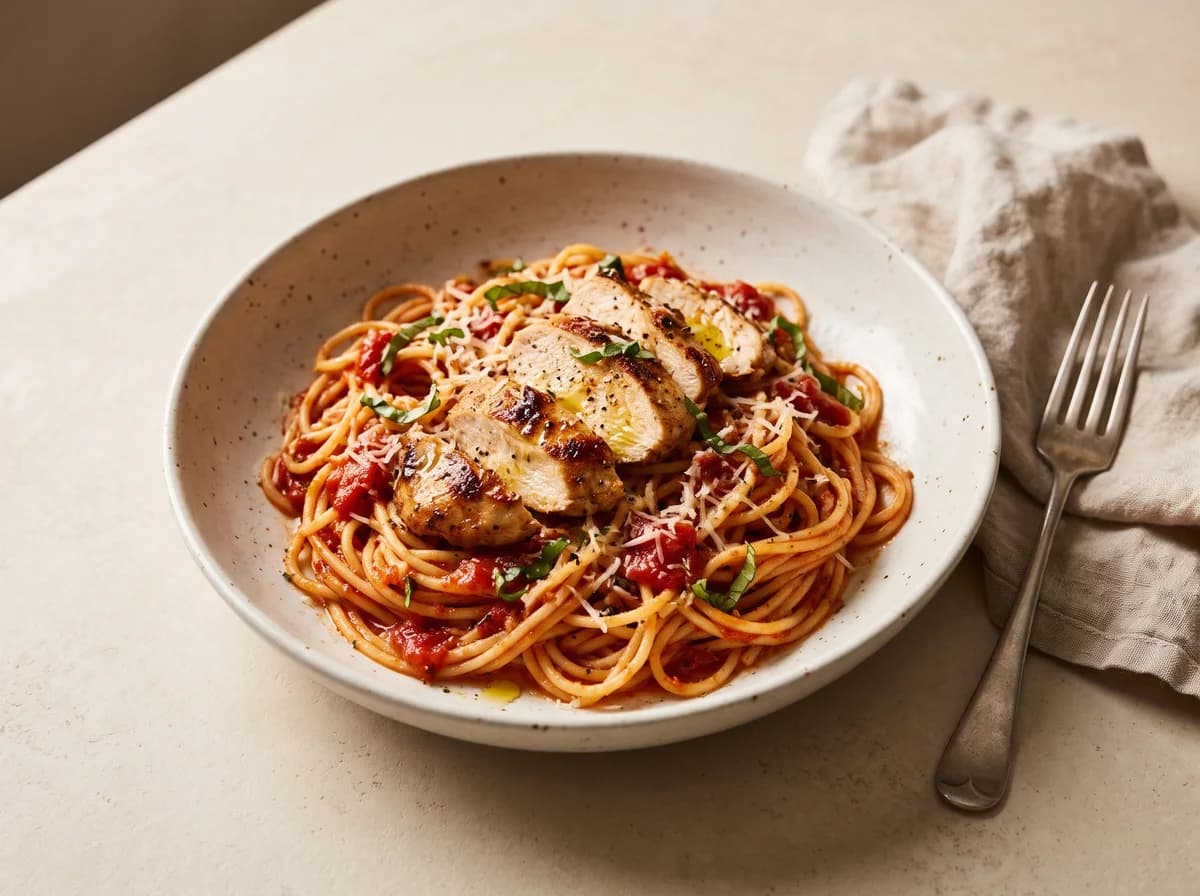
Estimated calories and US ingredient costs.
This recipe scales well to 4 servings by doubling everything and using a 14-inch skillet or a wide Dutch oven so the chicken browns instead of steaming. For larger batches, cook the pasta in a bigger pot and toss in batches if needed so the sauce stays evenly coating rather than clumping. The olive oil is counted as used in the nutrition, though a little may remain in the pan, so actual absorbed fat can vary slightly.
Your whole cook, in one place.
Ingredients, steps and a live timeline. Ready for 2 people.
Step timeline
Cooking order
10 leftBoil the pasta water
~10 min cookBoil the pasta water.
Bring 3 quarts water to a boil in a large pot over high heat.
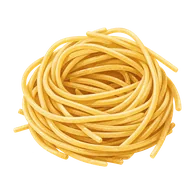
Add the 6 oz dry spaghetti and cook until just shy of al dente, about 8 to 10 minutes depending on the brand.
Before draining, reserve 1/2 cup of the starchy pasta water
Ingredients
- 3Quarts water
- 6 ozDry spaghetti
Drain the spaghetti
After ~10 minthen drain the spaghetti.
A slightly undercooked pasta finishes better in the sauce.
Prep and season the chicken
~1 minPrep and season the chicken.
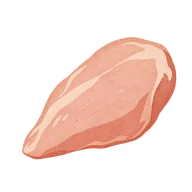
While the water heats, pat the 10 oz boneless skinless chicken breast dry and cut it into 1/2-inch strips.
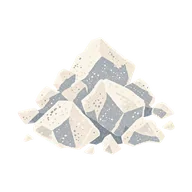
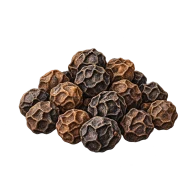
Season with 1/4 tsp of the kosher salt and the black pepper.
Cutting before cooking helps the pieces brown quickly and keeps the final dish easy to eat with the pasta.
Ingredients
- 10 ozBoneless skinless chicken breast
- 1/4 tspKosher salt
- 1/4 tsp total for recipeBlack pepper
Sear the chicken
~8 minSear the chicken.
Heat 1 tbsp of the olive oil in a large skillet, ideally 12 inches, over medium-high heat.
Add the chicken in a single layer and cook for 3 to 4 minutes per side, turning once, until lightly browned and the thickest pieces reach 165 F.
Transfer to a clean plate and leave the browned bits in the pan.
Ingredients
- 10 oz total for recipeBoneless skinless chicken breast
- 1 tbspOlive oil

Build the tomato base
~6 minBuild the tomato base.
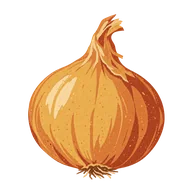
Reduce the heat to medium and add the remaining 1 tbsp olive oil, the chopped onion, and the remaining 1/4 tsp salt.
Cook for 4 to 5 minutes, stirring often, until the onion softens and turns translucent.
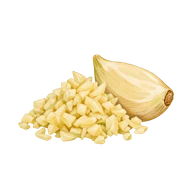
Add the minced garlic and cook for 30 seconds, just until fragrant.
Ingredients
- 1 tbspOlive oil
- 4 oz total for recipeYellow onion
- 2 tspGarlic
- 1/4 tspKosher salt
Toast the tomato paste and spices
~1 minToast the tomato paste and spices.
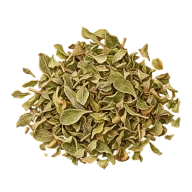
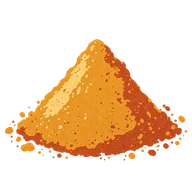
Stir in the tomato paste, dried oregano, and red pepper flakes.
Cook for 1 minute, pressing the paste against the pan so it darkens slightly.
This step deepens the sauce and removes the raw, tinny edge that plain tomato paste can have.
Ingredients
- 2 tbsp total for recipeTomato paste
- 1 tspDried oregano
- 1/4 tspRed pepper flakes
Simmer the sauce
~10 minSimmer the sauce.
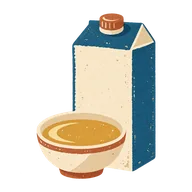
Pour in the crushed tomatoes and chicken broth, then stir in the sugar.
Scrape up any browned chicken bits from the pan.
Simmer uncovered over medium-low heat for 8 to 10 minutes, stirring occasionally, until the sauce looks reduced by about a third and coats the back of a spoon without looking watery.
Ingredients
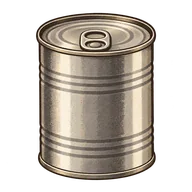
- 14 1/2 oz total for recipeCanned crushed tomatoes
- 1/2 cupLow-sodium chicken broth
Finish with pasta and chicken
~2 minFinish with pasta and chicken.
Add the drained spaghetti, the cooked chicken, and 1/4 cup of the reserved pasta water to the skillet.
Toss for 1 to 2 minutes over low heat until the noodles are glossy and the sauce clings to them.
Add a splash more pasta water only if the sauce seems tight or dry.
Ingredients
- 6 oz total for recipeDry spaghetti
- 10 oz total for recipeBoneless skinless chicken breast
Serve with cheese and basil
~1 minTurn off the heat and toss in the grated parmesan and sliced basil.
Finish with an extra pinch of black pepper if desired,
Ingredients
- 1/4 tsp total for recipeBlack pepper
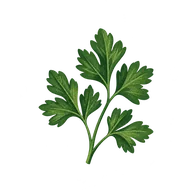
- 2 tbsp total for recipeFresh basil
Serve meal
~1 minOnce all dishes are cooked and ready, plate and serve the meal together.
Chicken tomato spaghetti: Serve with cheese and basil.
Chicken tomato spaghetti: Divide into warm bowls and twirl the spaghetti so the chicken is evenly distributed on top.
Chicken tomato spaghetti: serve immediately while the sauce is glossy.
Make the next one yours.
Create a custom meal with what you have.
Read the traditional recipe
Ingredients
For 2 people
- 3 quarts water
- 6 oz dry spaghetti
- 10 oz boneless skinless chicken breast
- 2 tbsp olive oil
- 4 oz yellow onion, finely chopped
- 2 tsp minced garlic
- 2 tbsp tomato paste
- 14 1/2 oz canned crushed tomatoes
- 1/2 cup low-sodium chicken broth
- 1/2 tsp kosher salt
- 1/4 tsp black pepper
- 1 tsp dried oregano
- 1/4 tsp red pepper flakes
- 1/2 tsp granulated sugar
- 1/4 cup finely grated parmesan cheese
- 2 tbsp fresh basil, thinly sliced
Method
- Boil the pasta waterBring 3 quarts water to a boil in a large pot over high heat. Add the 6 oz dry spaghetti and cook until just shy of al dente, about 8 to 10 minutes depending on the brand. Before draining, reserve 1/2 cup of the starchy pasta water, then drain the spaghetti. A slightly undercooked pasta finishes better in the sauce.
- Prep and season the chickenWhile the water heats, pat the 10 oz boneless skinless chicken breast dry and cut it into 1/2-inch strips. Season with 1/4 tsp of the kosher salt and the black pepper. Cutting before cooking helps the pieces brown quickly and keeps the final dish easy to eat with the pasta.
- Sear the chickenHeat 1 tbsp of the olive oil in a large skillet, ideally 12 inches, over medium-high heat. Add the chicken in a single layer and cook for 3 to 4 minutes per side, turning once, until lightly browned and the thickest pieces reach 165 F. Transfer to a clean plate and leave the browned bits in the pan.
- Build the tomato baseReduce the heat to medium and add the remaining 1 tbsp olive oil, the chopped onion, and the remaining 1/4 tsp salt. Cook for 4 to 5 minutes, stirring often, until the onion softens and turns translucent. Add the minced garlic and cook for 30 seconds, just until fragrant.
- Toast the tomato paste and spicesStir in the tomato paste, dried oregano, and red pepper flakes. Cook for 1 minute, pressing the paste against the pan so it darkens slightly. This step deepens the sauce and removes the raw, tinny edge that plain tomato paste can have.
- Simmer the saucePour in the crushed tomatoes and chicken broth, then stir in the sugar. Scrape up any browned chicken bits from the pan. Simmer uncovered over medium-low heat for 8 to 10 minutes, stirring occasionally, until the sauce looks reduced by about a third and coats the back of a spoon without looking watery.
- Finish with pasta and chickenAdd the drained spaghetti, the cooked chicken, and 1/4 cup of the reserved pasta water to the skillet. Toss for 1 to 2 minutes over low heat until the noodles are glossy and the sauce clings to them. Add a splash more pasta water only if the sauce seems tight or dry.
- Serve with cheese and basilTurn off the heat and toss in the grated parmesan and sliced basil. Divide into warm bowls and twirl the spaghetti so the chicken is evenly distributed on top. Finish with an extra pinch of black pepper if desired, and serve immediately while the sauce is glossy.
Before you cook
What to get ready
Large pasta pot, colander, wide sauce pan, tongs and a mug for reserved cooking water.
Cut chicken evenly and measure tomato paste and broth before searing.
If something needs adjusting
Chicken dries while sauce reduces
Remove cooked pieces and return them after the sauce reaches the desired thickness.
Sauce tightens after tossing
Add reserved pasta water a spoonful at a time while tossing. Serve promptly because pasta continues absorbing liquid.
Store for later
Refrigerate pasta promptly in shallow containers. Reheat to 165°F with a small splash of water; keep uncooked cheese or herb toppings separate when possible.
Refrigerate perishables within 2 hours, or 1 hour above 90°F. Keep the fridge at 40°F or below; use refrigerated leftovers within 3–4 days. USDA storage and reheating guidance.
Make the ingredients go further
Use spare tomato sauce for a baked spaghetti meal.
Next use for your ingredients: Baked spaghetti →
Calculate this meal with your own prices →
Cooking notes updated October 24, 2026. How we create recipes.
Tips, swaps and questions
A little kitchen know-how
If your crushed tomatoes are very acidic, let the sauce simmer the full 10 minutes before adding the pasta, then use the parmesan to round it out. For a thicker coating sauce, keep the pasta water measured and add it only a tablespoon at a time at the end. Chill leftovers within 2 hours.
Make it work for you
Swap the chicken breast for boneless skinless chicken thighs if you want a juicier result; just cook them a minute or two longer until they reach 165 F. If you need a dairy-free finish, skip the parmesan and add an extra pinch of salt plus a teaspoon of olive oil at the end for richness.
Use more of your spaghetti and onion in baked spaghetti.
How do I keep chicken tomato spaghetti from turning dry?
The key is to undercook the spaghetti slightly, keep some starchy pasta water, and finish the pasta in the sauce for 1 to 2 minutes. If the sauce looks thick before the noodles go in, loosen it with a little pasta water. Also avoid overcooking the chicken, since dry chicken makes the whole dish feel less saucy.
Times are estimates. Check ingredients for allergens. For safe temperatures and storage, see FoodSafety.gov.