Hot water cornbread
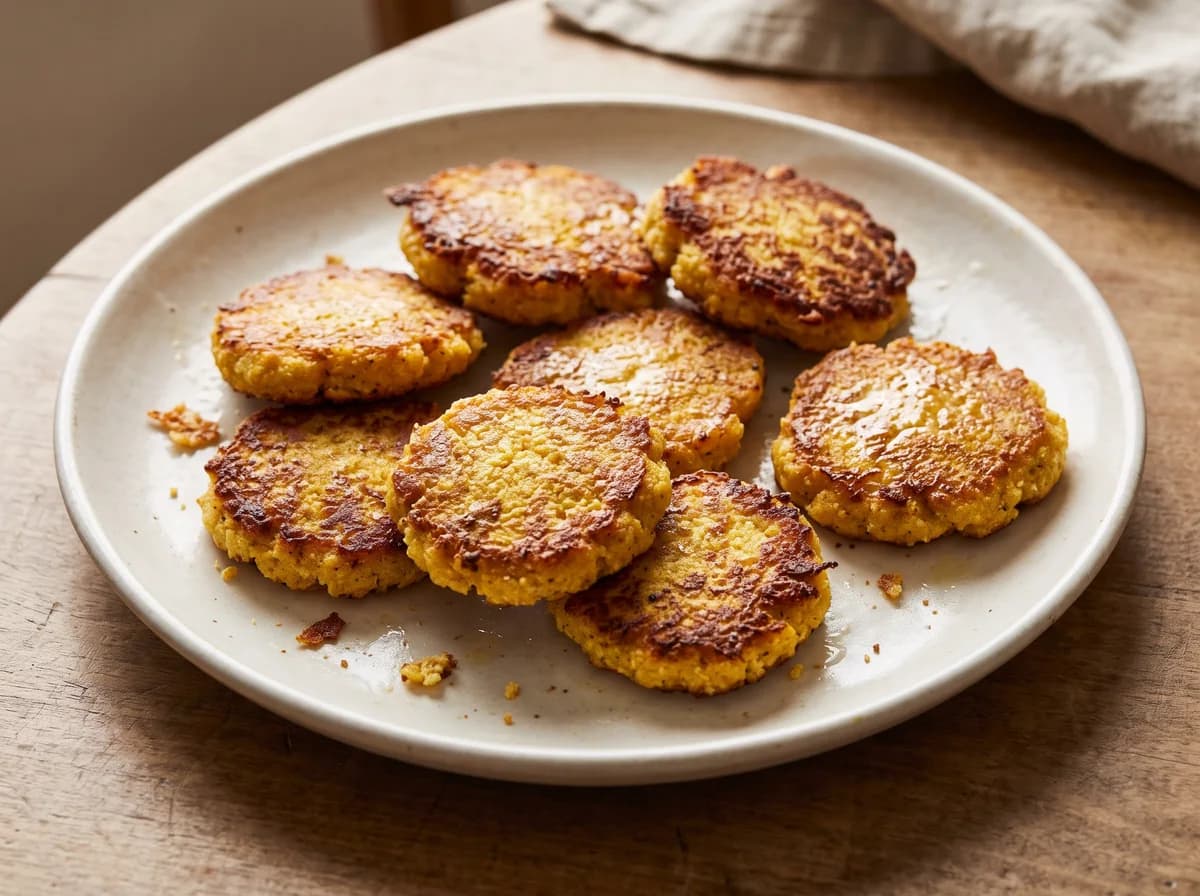
Old-fashioned hot water cornbread made as a loose cornmeal dough, shaped into small patties, and shallow-fried until crisp-edged and tender inside. This version makes about 8 cakes, enough for 6 side-dish servings. The batter comes together quickly with boiling water, so the texture stays rustic rather than bready or cakey.
Estimated calories and US ingredient costs.
This recipe scales best by doubling or tripling in a larger skillet or on a griddle so the oil stays hot. For a bigger batch, keep the patties small and fry in batches rather than increasing the pan temperature. A 12-inch skillet can comfortably hold 6 small cakes at once. Nutritional values assume some shallow-fry oil is absorbed into the cakes; exact absorption varies, so calorie counts are approximate.
Your whole cook, in one place.
Ingredients, steps and a live timeline. Ready for 6 people.
Step timeline
Cooking order
10 leftHeat the pan and oil
~4 min cookHeat the pan and oil.
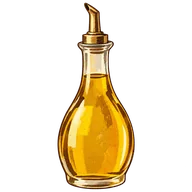
Set a 10-inch cast-iron or heavy skillet over medium heat and add the 1/4 cup vegetable oil.
Let it warm for 3 to 4 minutes until the oil shimmers but does not smoke.
Keep the heat at medium so the cakes brown steadily without burning before the centers set.
Ingredients
- 1/4 cupVegetable oil
Check the dish
After ~4 minCheck Hot water cornbread and continue when ready.
Mix the dry ingredients
~6 minMix the dry ingredients.
In a medium bowl, whisk together the 1 1/2 cups yellow cornmeal, 1/4 cup all-purpose flour, and 1/2 tsp fine salt.
The flour helps the cakes hold together, while the cornmeal gives the gritty, classic texture.
Ingredients
- 1 1/2 cupsYellow cornmeal
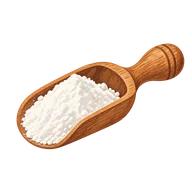
- 1/4 cupAll-purpose flour
- 1/2 tspFine salt
Add the boiling water
~6 minAdd the boiling water.
Carefully pour in the 1 1/4 cups boiling water while stirring with a sturdy spoon.
Keep mixing until the dough looks thick, damp, and spoonable, with no dry pockets.
If it seems too stiff to scoop, add 1 tbsp more boiling water; it should be soft enough to shape but not runny.
Ingredients
- 1 1/4 cupsBoiling water
Rest briefly and shape patties
~5 min cookRest briefly and shape patties.
Let the dough stand for 5 minutes so the cornmeal hydrates and firms slightly.
Using a spoon
divide it into 8 mounds, then shape each mound into a small patty about 1/2 inch thick with damp hands or two spoons.
If the mixture sticks badly, wet your hands again rather than adding more flour.
Ingredients
- 1/4 cup total for recipeAll-purpose flour
Check the dish
After ~5 minCheck Hot water cornbread and continue when ready.
Fry the first side
~4 minFry the first side.
Carefully lay 4 patties into the hot oil, leaving space between them.
Fry for 3 to 4 minutes on the first side until the edges look set and deep golden brown.
If the oil browns too fast, lower the heat a little; hot-water cornbread should crisp, not scorch.
Ingredients
- 1/4 cup total for recipeVegetable oil
Flip and finish
~4 minFlip and finish.
Turn the patties with a thin spatula and fry the second side for 3 to 4 minutes more until both sides are evenly browned and the centers feel firm when pressed gently.
Move the finished cakes to a paper towel-lined plate and repeat with the remaining patties, adding a little more oil only if the skillet looks dry.
Ingredients
- 1/4 cup total for recipeVegetable oil
Finish and serve
~6 minFinish
If using the 1 tbsp unsalted butter, melt it in the warm skillet after the last batch and brush or drizzle it over the hot cornbread cakes.
These are especially good alongside greens, beans, or fried fish.
Ingredients
- 1 tbspUnsalted butter
Serve meal
~1 minOnce all dishes are cooked and ready, plate and serve the meal together.
Hot water cornbread: serve.
Hot water cornbread: Serve warm right away for the crispiest exterior and tender interior.
Make the next one yours.
Create a custom meal with what you have.
Read the traditional recipe
Ingredients
For 6 people
- 1 1/2 cups yellow cornmeal
- 1/4 cup all-purpose flour
- 1/2 tsp fine salt
- 1 1/4 cups boiling water
- 1/4 cup vegetable oil
- 1 tbsp unsalted butter
Method
- Heat the pan and oilSet a 10-inch cast-iron or heavy skillet over medium heat and add the 1/4 cup vegetable oil. Let it warm for 3 to 4 minutes until the oil shimmers but does not smoke. Keep the heat at medium so the cakes brown steadily without burning before the centers set.
- Mix the dry ingredientsIn a medium bowl, whisk together the 1 1/2 cups yellow cornmeal, 1/4 cup all-purpose flour, and 1/2 tsp fine salt. The flour helps the cakes hold together, while the cornmeal gives the gritty, classic texture.
- Add the boiling waterCarefully pour in the 1 1/4 cups boiling water while stirring with a sturdy spoon. Keep mixing until the dough looks thick, damp, and spoonable, with no dry pockets. If it seems too stiff to scoop, add 1 tbsp more boiling water; it should be soft enough to shape but not runny.
- Rest briefly and shape pattiesLet the dough stand for 5 minutes so the cornmeal hydrates and firms slightly. Using a spoon, divide it into 8 mounds, then shape each mound into a small patty about 1/2 inch thick with damp hands or two spoons. If the mixture sticks badly, wet your hands again rather than adding more flour.
- Fry the first sideCarefully lay 4 patties into the hot oil, leaving space between them. Fry for 3 to 4 minutes on the first side until the edges look set and deep golden brown. If the oil browns too fast, lower the heat a little; hot-water cornbread should crisp, not scorch.
- Flip and finishTurn the patties with a thin spatula and fry the second side for 3 to 4 minutes more until both sides are evenly browned and the centers feel firm when pressed gently. Move the finished cakes to a paper towel-lined plate and repeat with the remaining patties, adding a little more oil only if the skillet looks dry.
- Finish and serveIf using the 1 tbsp unsalted butter, melt it in the warm skillet after the last batch and brush or drizzle it over the hot cornbread cakes. Serve warm right away for the crispiest exterior and tender interior. These are especially good alongside greens, beans, or fried fish.
Before you cook
What to get ready
Wide skillet, mixing bowl, broad spatula and rack or plate for draining.
Use a heatproof mixing bowl and let the boiling-water dough cool enough to handle safely.
If something needs adjusting
Patties split in the pan
Let cornmeal hydrate before shaping and keep patties even in thickness.
First side is dark but center is not set
Use thinner, evenly sized portions and reduce heat slightly. Egg-containing mixtures need to cook through rather than just forming a crust.
Store for later
Refrigerate cooked patties promptly in a shallow container. Reheat centers to 165°F in a skillet or oven and keep yogurt sauces cold and separate.
Refrigerate perishables within 2 hours, or 1 hour above 90°F. Keep the fridge at 40°F or below; use refrigerated leftovers within 3–4 days. USDA storage and reheating guidance.
Make the ingredients go further
Use remaining cornmeal in muffins rather than buying a separate baking mix.
Next use for your ingredients: Corn muffins →
Calculate this meal with your own prices →
How to Use a Food Thermometer →
Cooking notes updated October 24, 2026. How we create recipes.
Tips, swaps and questions
A little kitchen know-how
For the most classic texture, keep the mixture loose enough to scoop but firm enough to shape. If the dough gets too stiff after resting, moisten your hands and add a teaspoon of boiling water at a time. Cast iron gives the best crust, but any heavy skillet will work if you manage the heat carefully.
Make it work for you
For a richer finish, skip the butter and drizzle the hot cakes with a little of the oil from the skillet after frying. If you want a gluten-free version, omit the flour and add 2 tablespoons more cornmeal plus 1 tablespoon more boiling water, but expect a more fragile cake that needs gentler flipping.
Use more of your yellow cornmeal and all-purpose flour in corn muffins.
Why did my hot water cornbread fall apart in the skillet?
Usually the mixture was too wet, too dry, or flipped too soon. The dough should be thick enough to hold a patty shape before it hits the pan, and the first side needs time to set and brown. Use a thin, sturdy spatula, keep the patties small, and do not overcrowd the skillet, which lowers the oil temperature and weakens the crust.
Times are estimates. Check ingredients for allergens. For safe temperatures and storage, see FoodSafety.gov.