Hummus
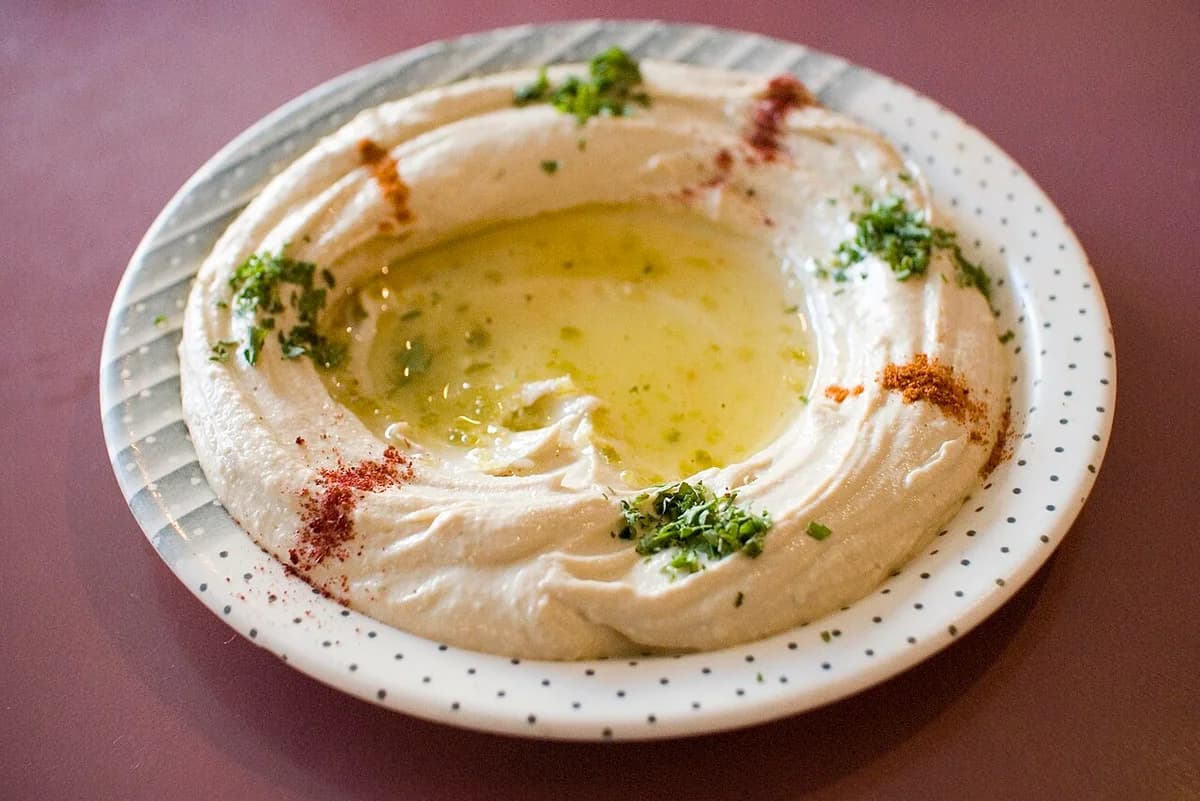
Silky hummus made by whipping tahini with lemon juice first, then blending in chickpeas, garlic, cumin, and olive oil until pale and smooth. This makes about 2 cups, enough for 6 snack-size servings or a generous dip bowl. Serve it slightly cool or at room temperature with a deep swirl, a drizzle of olive oil, and a dusting of paprika.
Estimated calories and US ingredient costs.
A 7-cup or larger food processor handles this batch comfortably. For 2x, process in two batches if your machine is small, then fold the purées together and re-whip briefly with the oil and water. When scaling up, add liquid gradually so the hummus stays thick enough to hold a swirl.
Your whole cook, in one place.
Ingredients, steps and a live timeline. Ready for 6 people.
Step timeline
Cooking order
9 leftBuild the tahini base
~1 minBuild the tahini base.
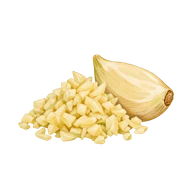
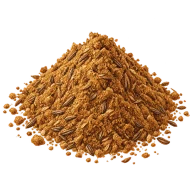
In a food processor, combine 1/4 cup tahini, 1/4 cup fresh lemon juice, 1 tsp minced garlic, 1/2 tsp kosher salt, 1/4 tsp ground cumin, and 2 tbsp of the ice water.
Process for about 30 seconds, stopping once to scrape the bowl, until the mixture turns lighter in color and looks thick and creamy.
Ingredients
- 1/4 cupTahini
- 1/4 cupFresh lemon juice
- 2 tbspIce water
- 1 tspGarlic
- 1/2 tspKosher salt
- 1/4 tspGround cumin
Add the chickpeas
~5 minAdd the chickpeas.
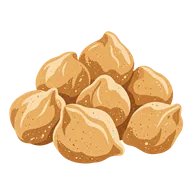
Add 1 1/2 cups drained chickpeas and process for 1 full minute.
Stop and scrape down the sides, especially the bottom edge, because the first few passes usually leave a coarse ring around the bowl.
Ingredients
- 1 1/2 cups total for recipeChickpeas
Stream in the oil
~1 minStream in the oil.
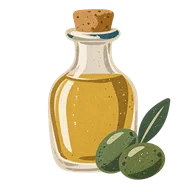
With the processor running, drizzle in 1 tbsp of the olive oil.
Process for 30 to 60 seconds more until the hummus looks glossier and starts to hold soft ridges instead of crumbling.
Ingredients
- 1 tbspOlive oil
Adjust the texture
~1 minAdjust the texture.
Add the remaining 1 tbsp ice water and process another 30 to 60 seconds.
If the blade stalls or the paste clumps, scrape again and keep processing until the hummus is smooth enough to spread but still thick enough to mound.
Ingredients
- 1 tbspIce water
Check the finish
~1 minCheck the finish.
Run the processor a final 30 seconds for a finer texture.
The hummus should look pale, airy, and even, with no visible chickpea skins.
If it seems stiff, add the last tablespoon of ice water a teaspoon at a time through the feed tube.
Ingredients
- 3 tbsp total for recipeIce water
Plate the hummus
~4 minSpoon the hummus into a shallow bowl.
Use the back of a spoon to sweep a spiral or wide swoosh across the top, then make a shallow well in the center so the garnish settles into the dip instead of sliding off.
Garnish and rest
~10 min cookGarnish and rest.
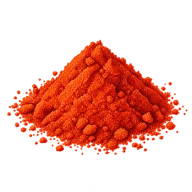
Drizzle the remaining 1 tbsp olive oil over the surface and dust with the paprika.
Let the bowl stand for 10 minutes before serving so the garlic and lemon round out and the texture relaxes slightly.
Ingredients
- 1 tbspOlive oil
- 1/4 tspPaprika

Check the dish
After ~10 minCheck Hummus and continue when ready.
Serve meal
~1 minOnce all dishes are cooked and ready, plate and serve the meal together.
Hummus: Plate the hummus.
Make the next one yours.
Create a custom meal with what you have.
Read the traditional recipe
Ingredients
For 6 people
- 1 1/2 cups chickpeas, drained and rinsed
- 1/4 cup tahini
- 1/4 cup fresh lemon juice
- 2 tbsp olive oil
- 3 tbsp ice water
- 1 tsp minced garlic
- 1/2 tsp kosher salt
- 1/4 tsp ground cumin
- 1/4 tsp paprika
Method
- Build the tahini baseIn a food processor, combine 1/4 cup tahini, 1/4 cup fresh lemon juice, 1 tsp minced garlic, 1/2 tsp kosher salt, 1/4 tsp ground cumin, and 2 tbsp of the ice water. Process for about 30 seconds, stopping once to scrape the bowl, until the mixture turns lighter in color and looks thick and creamy.
- Add the chickpeasAdd 1 1/2 cups drained chickpeas and process for 1 full minute. Stop and scrape down the sides, especially the bottom edge, because the first few passes usually leave a coarse ring around the bowl.
- Stream in the oilWith the processor running, drizzle in 1 tbsp of the olive oil. Process for 30 to 60 seconds more until the hummus looks glossier and starts to hold soft ridges instead of crumbling.
- Adjust the textureAdd the remaining 1 tbsp ice water and process another 30 to 60 seconds. If the blade stalls or the paste clumps, scrape again and keep processing until the hummus is smooth enough to spread but still thick enough to mound.
- Check the finishRun the processor a final 30 seconds for a finer texture. The hummus should look pale, airy, and even, with no visible chickpea skins. If it seems stiff, add the last tablespoon of ice water a teaspoon at a time through the feed tube.
- Plate the hummusSpoon the hummus into a shallow bowl. Use the back of a spoon to sweep a spiral or wide swoosh across the top, then make a shallow well in the center so the garnish settles into the dip instead of sliding off.
- Garnish and restDrizzle the remaining 1 tbsp olive oil over the surface and dust with the paprika. Let the bowl stand for 10 minutes before serving so the garlic and lemon round out and the texture relaxes slightly.
Before you cook
What to get ready
Food processor or blender, spatula, colander and small covered storage containers.
Drain chickpeas and stir the tahini jar thoroughly before measuring.
If something needs adjusting
Hummus stays coarse
Process longer, scraping the bowl, then add ice water gradually; too much liquid at once makes it thin.
Seasoning seems muted after chilling
Taste again before serving and adjust lemon or salt modestly. Chill first before deciding to thin an already loose dip.
Store for later
Refrigerate homemade dip promptly in a covered container and use clean utensils. Serve cold; put out a small portion and keep the rest chilled.
Refrigerate perishables within 2 hours, or 1 hour above 90°F. Keep the fridge at 40°F or below; use refrigerated leftovers within 3–4 days. USDA storage and reheating guidance.
Make the ingredients go further
Use the rest of the chickpeas in chana masala.
Next use for your ingredients: Chana masala →
Calculate this meal with your own prices →
How to Cool and Store Leftovers →
Cooking notes updated October 24, 2026. How we create recipes.
Tips, swaps and questions
A little kitchen know-how
For especially smooth hummus, spend a moment rubbing off loose chickpea skins while rinsing, or let the tahini-lemon mixture whip for the full 30 seconds before adding beans. That first emulsion is what gives the dip its pale color and fluffy texture, so it is worth building slowly instead of rushing straight to the chickpeas.
Make it work for you
If you do not have tahini, use smooth almond butter in the same amount and expect a sweeter, less sesame-forward dip that thickens faster. The lemon will read sharper against the nut butter, so blend the acid first and add the chickpeas a little longer to keep the final texture from feeling dense or pasty.
Use more of your chickpeas and tahini in roasted pepper hummus.
Why mix the lemon juice with tahini before adding the chickpeas?
Lemon juice loosens the tahini into a pale, fluffy paste before the beans go in. That early emulsion helps the hummus turn smooth instead of grainy and makes it easier for the processor to puree the chickpeas evenly. If you skip that step, the dip often needs extra water and more processing to become creamy.
Times are estimates. Check ingredients for allergens. For safe temperatures and storage, see FoodSafety.gov.