Sambar
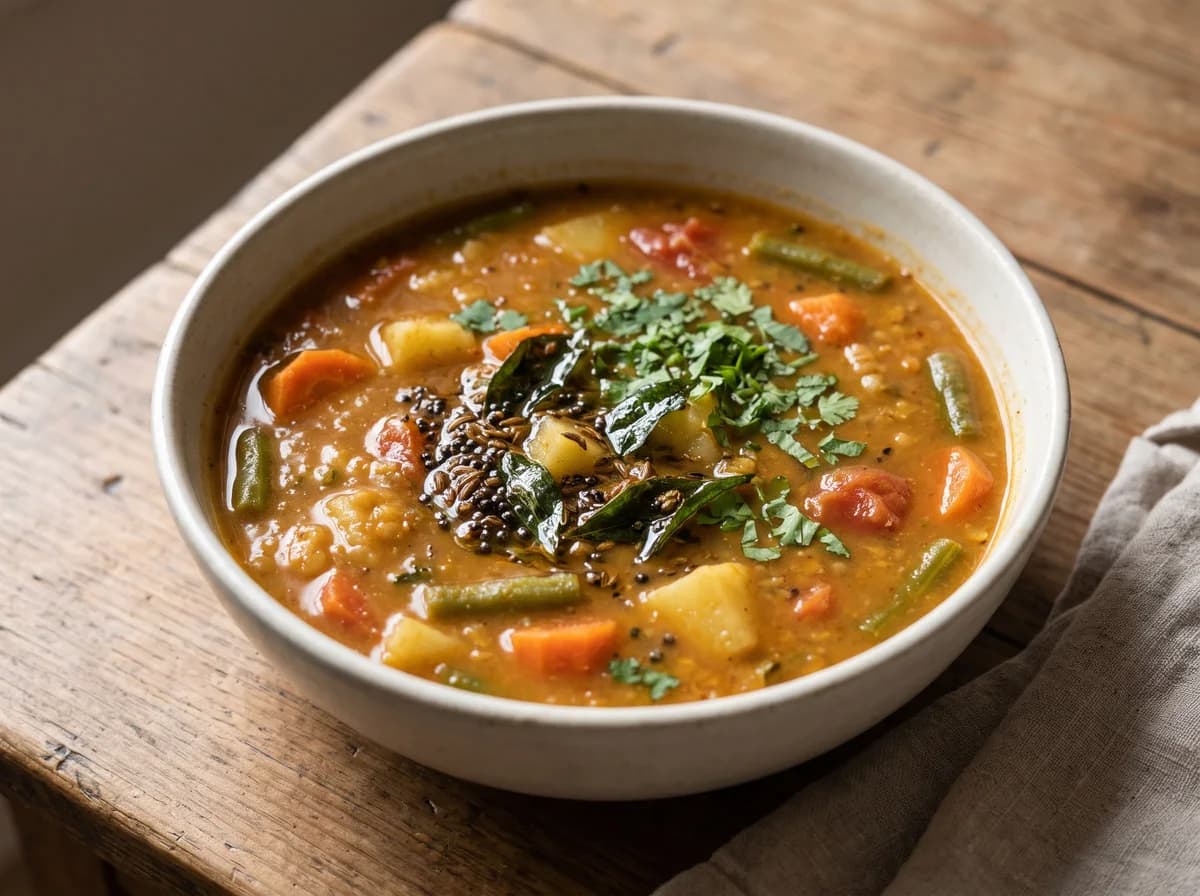
A tomato-tamarind lentil stew with mixed vegetables, this sambar is built around soft-cooked toor dal and a spiced tempering of mustard, cumin, and curry leaves. The finished stew is savory, lightly tangy, and spoonable, with enough body to serve as a side for rice, dosa, or idli. This recipe makes about 3 cups, or 2 generous servings.
Estimated calories and US ingredient costs.
For 4 servings, use a 4-quart pot and double every ingredient, but keep the same simmering cues and do not reduce the cook time just because the batch is larger. For 6 to 8 servings, use a wide Dutch oven so the vegetables cook evenly and the dal does not scorch on the bottom. Calories are estimated from the ingredients actually consumed; the oil in the tempering is counted fully, and no deep-fry or dredging absorption adjustment is needed here.
Your whole cook, in one place.
Ingredients, steps and a live timeline. Ready for 2 people.
Step timeline
Cooking order
11 leftCook the dal
~25 minCook the dal.
In a medium saucepan, combine the rinsed toor dal, 2 cups water, turmeric, and 1/4 tsp of the salt.
Bring to a boil over medium-high heat, then lower the heat to maintain a gentle simmer.
Partially cover and cook for 22 to 25 minutes, stirring occasionally and skimming any foam, until the dal is soft and starting to fall apart.
If the pot looks dry before the dal is tender, add a splash of hot water so it stays loose enough to mash.
Ingredients
- 1/2 cupDried toor dal
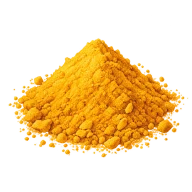
- 1/2 tspGround turmeric
- 1/4 tspKosher salt
- 2 cupsWater
- 1 cup total for recipeHot water


Soak the tamarind
~10 min cookSoak the tamarind.
While the dal cooks, stir the tamarind paste into 1 cup hot water in a small bowl and let it stand for 10 minutes.
Mash the tamarind with a spoon, then strain it through a fine sieve, pressing on the solids to extract as much liquid as possible.
Discard the pulp and keep the strained tamarind liquid.
Ingredients
- 1 tbspTamarind paste

Check the dish
After ~10 minCheck Sambar and continue when ready.
Start the vegetable base
~8 minStart the vegetable base.
Set a 3-quart pot or deep skillet over medium heat and add 1 tbsp of the vegetable oil.
Add 1 tsp of the mustard seeds, 1 tsp of the cumin seeds, 8 of the curry leaves, and the asafoetida.
When the mustard seeds begin to pop, add the onion, carrots, potatoes, green beans, and the remaining 1/4 tsp salt.
Cook for 6 to 8 minutes, stirring often, until the onion softens and the vegetables are lightly glossy.
Ingredients
- 1 tbspVegetable oil
- 1 tspMustard seeds, divided
- 1 tspCumin seeds, divided
- 8Curry leaves, divided
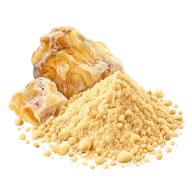
- 1/8 tspAsafoetida
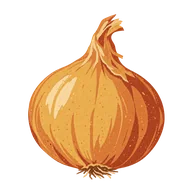
- 1 total for recipeMedium yellow onion
- 4 oz total for recipeCarrots
- 4 oz total for recipeYukon Gold potatoes, cubed
- 4 oz total for recipeGreen beans
- 1/4 tspKosher salt



Bloom the spices
~2 minBloom the spices.
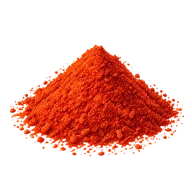
Add the chopped tomato, sambar powder, and cayenne pepper to the pot.
Cook for 2 minutes, stirring and scraping the bottom, until the tomato breaks down and the spices smell aromatic.
The mixture should look thick and saucy, not dry; if it starts sticking, add 1 to 2 tbsp water.
Ingredients
- 1 total for recipeMedium tomato
- 1 tbspSambar powder
- 1/2 tspCayenne pepper

Build the stew
~10 minBuild the stew.
Pour in the strained tamarind liquid, the remaining 1 cup water, and the jaggery.
Bring to a simmer, then cover and cook over medium-low heat for 10 minutes, or until the carrots, potatoes, and green beans are tender.
Stir once or twice so the tamarind and spices do not settle on the bottom.
Ingredients
- 1 cupWater
- 1 tspJaggery
Combine and finish the body
~9 minCombine and finish the body.
Whisk the cooked dal until smooth enough to pour, then stir it into the vegetable mixture.
Simmer uncovered for 5 to 7 minutes, stirring frequently, until the sambar looks cohesive and lightly thickened.
If you want a thinner consistency for serving with rice or idli, stir in a few tablespoons of hot water; if it seems too loose, simmer 2 minutes longer.
Ingredients
- 1 cup total for recipeHot water
Make the final tempering
~1 minMake the final tempering.
In a small skillet, heat the remaining 1 tbsp vegetable oil over medium heat.
Add the remaining 1/2 tsp mustard seeds, the remaining 1/2 tsp cumin seeds, and the remaining 4 curry leaves, letting them sizzle for 20 to 30 seconds.
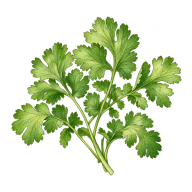
Immediately pour this hot tempering over the pot of sambar, then stir in the chopped cilantro.
Ingredients
- 1 tbspVegetable oil
- 1/2 tspMustard seeds, divided
- 1/2 tspCumin seeds, divided
- 4Curry leaves, divided
- 2 tbspCilantro
Serve
~120 min cookLadle the sambar into bowls while hot.
It should be spoonable, with the lentils lightly thickening the broth and the vegetables still distinct.
Chill leftovers within 2 hours.
Check the dish
After ~120 minCheck Sambar and continue when ready.
Serve meal
~1 minOnce all dishes are cooked and ready, plate and serve the meal together.
Sambar: Serve.
Sambar: Serve immediately with rice, dosa, or idli, or let it stand 5 minutes before serving so the flavors settle and the texture evens out.
Make the next one yours.
Create a custom meal with what you have.
Read the traditional recipe
Ingredients
For 2 people
- 1/2 cup dried toor dal, rinsed
- 2 tbsp vegetable oil
- 1 1/2 tsp mustard seeds, divided
- 1 1/2 tsp cumin seeds, divided
- 12 curry leaves, divided
- 1/8 tsp asafoetida
- 1 medium yellow onion, chopped
- 4 oz carrots, chopped
- 4 oz Yukon Gold potatoes, cubed
- 4 oz green beans, cut into 1-inch pieces
- 1 medium tomato, chopped
- 1 tbsp sambar powder
- 1/2 tsp ground turmeric
- 1/2 tsp cayenne pepper
- 1/2 tsp kosher salt
- 1 tbsp tamarind paste
- 3 cups water
- 1 cup hot water
- 1 tsp jaggery
- 2 tbsp chopped cilantro
Method
- Cook the dalIn a medium saucepan, combine the rinsed toor dal, 2 cups water, turmeric, and 1/4 tsp of the salt. Bring to a boil over medium-high heat, then lower the heat to maintain a gentle simmer. Partially cover and cook for 22 to 25 minutes, stirring occasionally and skimming any foam, until the dal is soft and starting to fall apart. If the pot looks dry before the dal is tender, add a splash of hot water so it stays loose enough to mash.
- Soak the tamarindWhile the dal cooks, stir the tamarind paste into 1 cup hot water in a small bowl and let it stand for 10 minutes. Mash the tamarind with a spoon, then strain it through a fine sieve, pressing on the solids to extract as much liquid as possible. Discard the pulp and keep the strained tamarind liquid.
- Start the vegetable baseSet a 3-quart pot or deep skillet over medium heat and add 1 tbsp of the vegetable oil. Add 1 tsp of the mustard seeds, 1 tsp of the cumin seeds, 8 of the curry leaves, and the asafoetida. When the mustard seeds begin to pop, add the onion, carrots, potatoes, green beans, and the remaining 1/4 tsp salt. Cook for 6 to 8 minutes, stirring often, until the onion softens and the vegetables are lightly glossy.
- Bloom the spicesAdd the chopped tomato, sambar powder, and cayenne pepper to the pot. Cook for 2 minutes, stirring and scraping the bottom, until the tomato breaks down and the spices smell aromatic. The mixture should look thick and saucy, not dry; if it starts sticking, add 1 to 2 tbsp water.
- Build the stewPour in the strained tamarind liquid, the remaining 1 cup water, and the jaggery. Bring to a simmer, then cover and cook over medium-low heat for 10 minutes, or until the carrots, potatoes, and green beans are tender. Stir once or twice so the tamarind and spices do not settle on the bottom.
- Combine and finish the bodyWhisk the cooked dal until smooth enough to pour, then stir it into the vegetable mixture. Simmer uncovered for 5 to 7 minutes, stirring frequently, until the sambar looks cohesive and lightly thickened. If you want a thinner consistency for serving with rice or idli, stir in a few tablespoons of hot water; if it seems too loose, simmer 2 minutes longer.
- Make the final temperingIn a small skillet, heat the remaining 1 tbsp vegetable oil over medium heat. Add the remaining 1/2 tsp mustard seeds, the remaining 1/2 tsp cumin seeds, and the remaining 4 curry leaves, letting them sizzle for 20 to 30 seconds. Immediately pour this hot tempering over the pot of sambar, then stir in the chopped cilantro.
- ServeLadle the sambar into bowls while hot. It should be spoonable, with the lentils lightly thickening the broth and the vegetables still distinct. Serve immediately with rice, dosa, or idli, or let it stand 5 minutes before serving so the flavors settle and the texture evens out. Chill leftovers within 2 hours.
Before you cook
What to get ready
Heavy saucepan, spoon, colander and measuring jug.
Cook toor dal separately until soft and measure tamarind before adding it to vegetables.
If something needs adjusting
Vegetables soften before dal thickens the stew
Mash the cooked dal before combining; do not rely on hard pulses softening in the finished acidic broth.
The pot thickens before serving
Beans and lentils absorb liquid as they stand. Add hot water a little at a time and taste again before adding more salt.
Store for later
Refrigerate in shallow portions and reheat to 165°F, stirring and adding water if needed. Freeze meal-sized portions if they will not be eaten soon.
Refrigerate perishables within 2 hours, or 1 hour above 90°F. Keep the fridge at 40°F or below; use refrigerated leftovers within 3–4 days. USDA storage and reheating guidance.
Make the ingredients go further
Use leftover carrots, potatoes and green beans in vegetable soup.
Next use for your ingredients: Caldo de verduras →
Calculate this meal with your own prices →
Cooking notes updated October 24, 2026. How we create recipes.
Tips, swaps and questions
A little kitchen know-how
For a smoother, more restaurant-style sambar, mash the cooked dal more aggressively before combining it with the vegetables. For a rustic version, leave some whole lentils intact. If the stew tastes sharp from tamarind, simmer it 2 to 3 minutes longer before adding the final tempering so the acidity softens.
Make it work for you
If you do not have toor dal, split red lentils will cook faster and make a softer, less distinct stew. Reduce the initial simmer to about 12 to 15 minutes and watch closely, because they can collapse into puree. The flavor will still read as sambar, but the finished texture will be smoother and less nutty.
Use more of your mustard seeds and curry leaves in dal tadka.
How do I keep sambar from turning muddy or overly thick?
Cook the dal and vegetables separately enough that each keeps its identity, then combine them only after the vegetables are tender. If the stew turns too thick, loosen it with hot water in small additions after the dal goes in. If it turns muddy, it usually means the dal was over-stirred or boiled too hard; keep the simmer gentle and finish with the tempering at the end for a brighter aroma.
Times are estimates. Check ingredients for allergens. For safe temperatures and storage, see FoodSafety.gov.