Tamarind rice
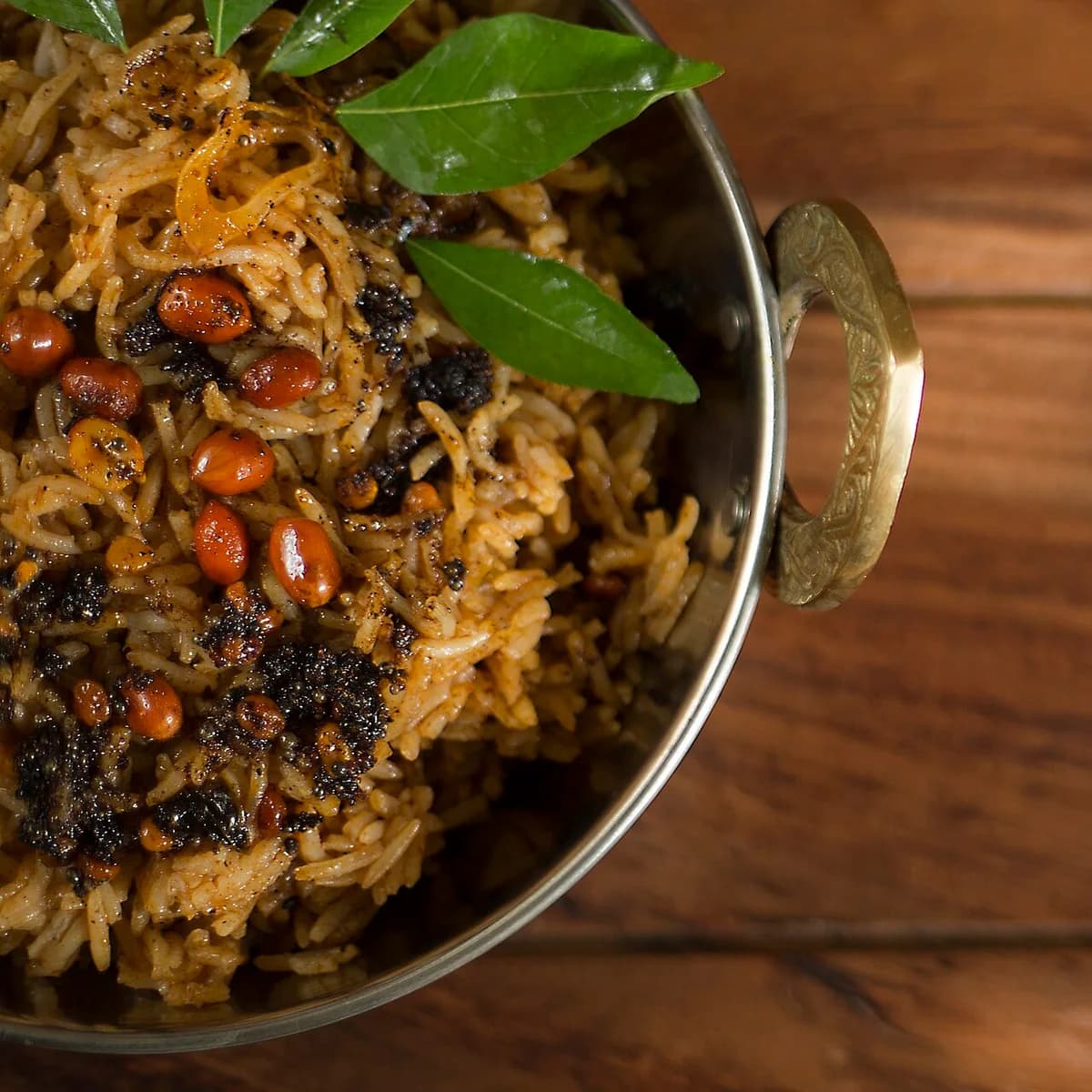
A bright, tangy rice stir-fry inspired by South Indian puliyodarai, made with cooled basmati rice, tamarind, mustard seeds, peanuts, curry leaves, and a little jaggery to balance the acidity. The recipe yields 2 servings as a hearty side or light meal, with separate grains and a savory, clingy spice paste rather than a wet sauce.
Estimated calories and US ingredient costs.
For 4 servings, use a 12-inch skillet or a wide sauté pan so the rice can be folded without crushing the grains. Double the ingredients exactly, but keep the rice spread out after cooking so it cools quickly. Do not raise the heat to speed browning, because the peanuts and chana dal can burn before the tamarind paste reduces. The oil in the finished dish is mostly absorbed during tempering and frying; no discarded frying oil is counted in nutrition.
Your whole cook, in one place.
Ingredients, steps and a live timeline. Ready for 2 people.
Step timeline
Cooking order
8 leftCook and cool the rice
~45 minCook and cool the rice.
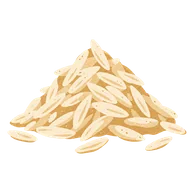
Rinse the 1 cup uncooked basmati rice until the water is less cloudy, then combine it with 1 1/2 cups water in a small saucepan.
Bring to a boil, cover, reduce to low, and cook until the water is absorbed and the grains are tender, about 15 minutes.
Remove from the heat and let it stand covered for 10 minutes, then spread the rice on a tray or large plate and cool for 20 minutes so it will fry cleanly instead of turning mushy.
Ingredients
- 1 cupUncooked basmati rice
Build the tamarind seasoning base
~1 minBuild the tamarind seasoning base.
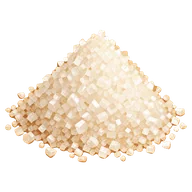
While the rice cools, stir the 2 tbsp tamarind concentrate with 2 tbsp water, 3/4 tsp kosher salt, and 1 tsp jaggery in a small bowl until smooth.
The mixture should taste sharply tangy with a little sweetness and salt; this is the seasoning paste that will coat the rice, so it should be concentrated rather than thin.
Ingredients
- 1 cup total for recipeUncooked basmati rice
- 2 tbspTamarind concentrate
- 3/4 tspKosher salt
- 1 tspJaggery

Toast the nuts and lentils
~3 minToast the nuts and lentils.
Set a 10-inch skillet over medium heat and add 2 tbsp sesame oil.
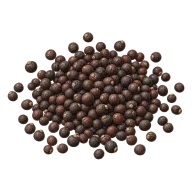
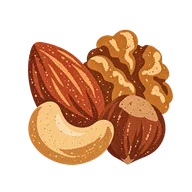
When the oil shimmers, add 1 tsp black mustard seeds, 1 tbsp chana dal, and 2 tbsp raw peanuts.
Stir for 2 to 3 minutes until the mustard seeds begin popping, the chana dal turns golden, and the peanuts deepen slightly in color.
Keep the heat moderate so the lentils do not scorch before the peanuts toast.
Ingredients
- 2 tbspSesame oil
- 1 tspBlack mustard seeds
- 1 tbspChana dal
- 2 tbspRaw peanuts

Bloom the aromatics
~1 minBloom the aromatics.
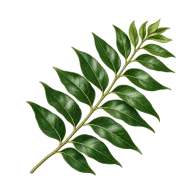
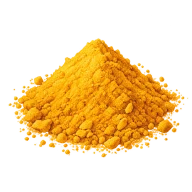
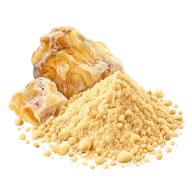
Add 2 dried red chilies, 10 curry leaves, 1/2 tsp ground turmeric, and 1/4 tsp asafoetida.
Stir constantly for about 20 seconds, just until the curry leaves crisp and the turmeric turns the oil vivid yellow.
If the leaves sputter, keep the pan slightly off the heat for a moment, then return it to medium.
Ingredients
- 2Dried red chilies
- 10Curry leaves
- 1/2 tspGround turmeric
- 1/4 tspAsafoetida
Cook the tamarind paste
~3 minCook the tamarind paste.
Pour in the tamarind mixture and cook, stirring, for 2 to 3 minutes.
The paste should darken slightly and look glossy, with the jaggery dissolved and the raw tamarind edge mellowed.
If it seems too thick to coat the rice evenly, add 1 tbsp water at a time, but keep it concentrated rather than soupy.
Ingredients
- 1 tsp total for recipeJaggery
Fry the rice with the spice paste
~4 minFry the rice with the spice paste.
Add the cooled rice to the skillet and fold gently with a spatula until every grain is stained golden brown.
Cook for 3 to 4 minutes, turning the rice rather than mashing it, until the seasoning is evenly distributed and the grains look separate and lightly oiled.
If any clumps remain, break them apart against the side of the pan with the spatula.
Ingredients
- 1 cup total for recipeUncooked basmati rice
Finish and serve
~1 minFinish
Turn off the heat and fold in 1 tbsp chopped cilantro.
Taste only for final balance and add a tiny pinch more salt only if needed.
The finished rice should be glossy, tangy, and evenly speckled with peanuts and curry leaves.
Ingredients
- 2 tbsp total for recipeRaw peanuts
- 10 total for recipeCurry leaves
- 3/4 tsp total for recipeKosher salt
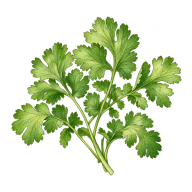
- 1 tbspCilantro

Serve meal
~1 minOnce all dishes are cooked and ready, plate and serve the meal together.
Tamarind rice: serve.
Tamarind rice: Spoon the tamarind rice into bowls or onto a platter,
Tamarind rice: serve warm or at room temperature.
Make the next one yours.
Create a custom meal with what you have.
Read the traditional recipe
Ingredients
For 2 people
- 1 cup uncooked basmati rice
- 1 1/2 cups water
- 2 tbsp tamarind concentrate
- 2 tbsp sesame oil
- 1 tsp black mustard seeds
- 1 tbsp chana dal
- 2 tbsp raw peanuts
- 2 dried red chilies
- 10 curry leaves
- 1/2 tsp ground turmeric
- 1/4 tsp asafoetida
- 3/4 tsp kosher salt
- 1 tsp jaggery
- 2 tbsp water
- 1 tbsp chopped cilantro
Method
- Cook and cool the riceRinse the 1 cup uncooked basmati rice until the water is less cloudy, then combine it with 1 1/2 cups water in a small saucepan. Bring to a boil, cover, reduce to low, and cook until the water is absorbed and the grains are tender, about 15 minutes. Remove from the heat and let it stand covered for 10 minutes, then spread the rice on a tray or large plate and cool for 20 minutes so it will fry cleanly instead of turning mushy.
- Build the tamarind seasoning baseWhile the rice cools, stir the 2 tbsp tamarind concentrate with 2 tbsp water, 3/4 tsp kosher salt, and 1 tsp jaggery in a small bowl until smooth. The mixture should taste sharply tangy with a little sweetness and salt; this is the seasoning paste that will coat the rice, so it should be concentrated rather than thin.
- Toast the nuts and lentilsSet a 10-inch skillet over medium heat and add 2 tbsp sesame oil. When the oil shimmers, add 1 tsp black mustard seeds, 1 tbsp chana dal, and 2 tbsp raw peanuts. Stir for 2 to 3 minutes until the mustard seeds begin popping, the chana dal turns golden, and the peanuts deepen slightly in color. Keep the heat moderate so the lentils do not scorch before the peanuts toast.
- Bloom the aromaticsAdd 2 dried red chilies, 10 curry leaves, 1/2 tsp ground turmeric, and 1/4 tsp asafoetida. Stir constantly for about 20 seconds, just until the curry leaves crisp and the turmeric turns the oil vivid yellow. If the leaves sputter, keep the pan slightly off the heat for a moment, then return it to medium.
- Cook the tamarind pastePour in the tamarind mixture and cook, stirring, for 2 to 3 minutes. The paste should darken slightly and look glossy, with the jaggery dissolved and the raw tamarind edge mellowed. If it seems too thick to coat the rice evenly, add 1 tbsp water at a time, but keep it concentrated rather than soupy.
- Fry the rice with the spice pasteAdd the cooled rice to the skillet and fold gently with a spatula until every grain is stained golden brown. Cook for 3 to 4 minutes, turning the rice rather than mashing it, until the seasoning is evenly distributed and the grains look separate and lightly oiled. If any clumps remain, break them apart against the side of the pan with the spatula.
- Finish and serveTurn off the heat and fold in 1 tbsp chopped cilantro. Taste only for final balance and add a tiny pinch more salt only if needed. Spoon the tamarind rice into bowls or onto a platter, and serve warm or at room temperature. The finished rice should be glossy, tangy, and evenly speckled with peanuts and curry leaves.
Before you cook
What to get ready
Lidded rice saucepan, fork, separate pan for toppings or sauce and shallow containers for leftovers.
Measure tamarind concentrate carefully because brands vary; keep curry leaves dry before adding to oil.
If something needs adjusting
Rice tastes sharply sour
Start conservatively with a strong concentrate and balance with extra plain cooked rice rather than excessive sugar.
Rice is wet after the heat is turned off
Let it rest covered before fluffing. Use the liquid ratio for the rice variety specified rather than substituting a different grain without adjusting.
Store for later
Cool rice promptly in shallow portions and refrigerate with cooked components stored separately from raw toppings. Reheat to 165°F; reheating cannot make poorly stored rice safe.
Refrigerate perishables within 2 hours, or 1 hour above 90°F. Keep the fridge at 40°F or below; use refrigerated leftovers within 3–4 days. USDA storage and reheating guidance.
Make the ingredients go further
Use leftover peanuts in a noodle topping.
Next use for your ingredients: Pad thai →
Calculate this meal with your own prices →
Cooking notes updated October 24, 2026. How we create recipes.
Tips, swaps and questions
A little kitchen know-how
Cool the rice completely before frying, because even slightly warm rice can clump and turn gummy in the pan. If your tamarind concentrate is very sharp, use the full teaspoon of jaggery; if it is already sweetened, keep the amount minimal so the finished dish stays bright rather than sticky-sweet.
Make it work for you
If you do not have chana dal, use an equal amount of split yellow peas, toasted a minute longer until crisp and golden. If curry leaves are unavailable, the dish will still work, but add 1 tsp finely grated lime zest at the end for a fresh lift rather than trying to replace the leaves with more chili or spice.
Use more of your mustard seeds and curry leaves in cabbage thoran.
Why does this recipe cool the rice before mixing it with the tamarind seasoning?
Cooling keeps the grains firm enough to fry separately in the skillet. Warm rice releases steam and starch, which makes the dish dense and sticky. Spreading it out after steaming stops carryover cooking, helps excess moisture escape, and lets the tamarind paste coat each grain instead of forming a pastey mass.
Times are estimates. Check ingredients for allergens. For safe temperatures and storage, see FoodSafety.gov.