Pad thai
A home-kitchen take on pad thai for 2 generous servings, built from soaked rice noodles, shrimp, tofu, egg, bean sprouts, and peanuts in a tangy tamarind-fish sauce. The noodles are stir-fried in a hot skillet so they stay chewy and glossy instead of soggy, and lime juice at the end keeps the flavor bright, salty-sweet, and sharp like the classic street-food dish.
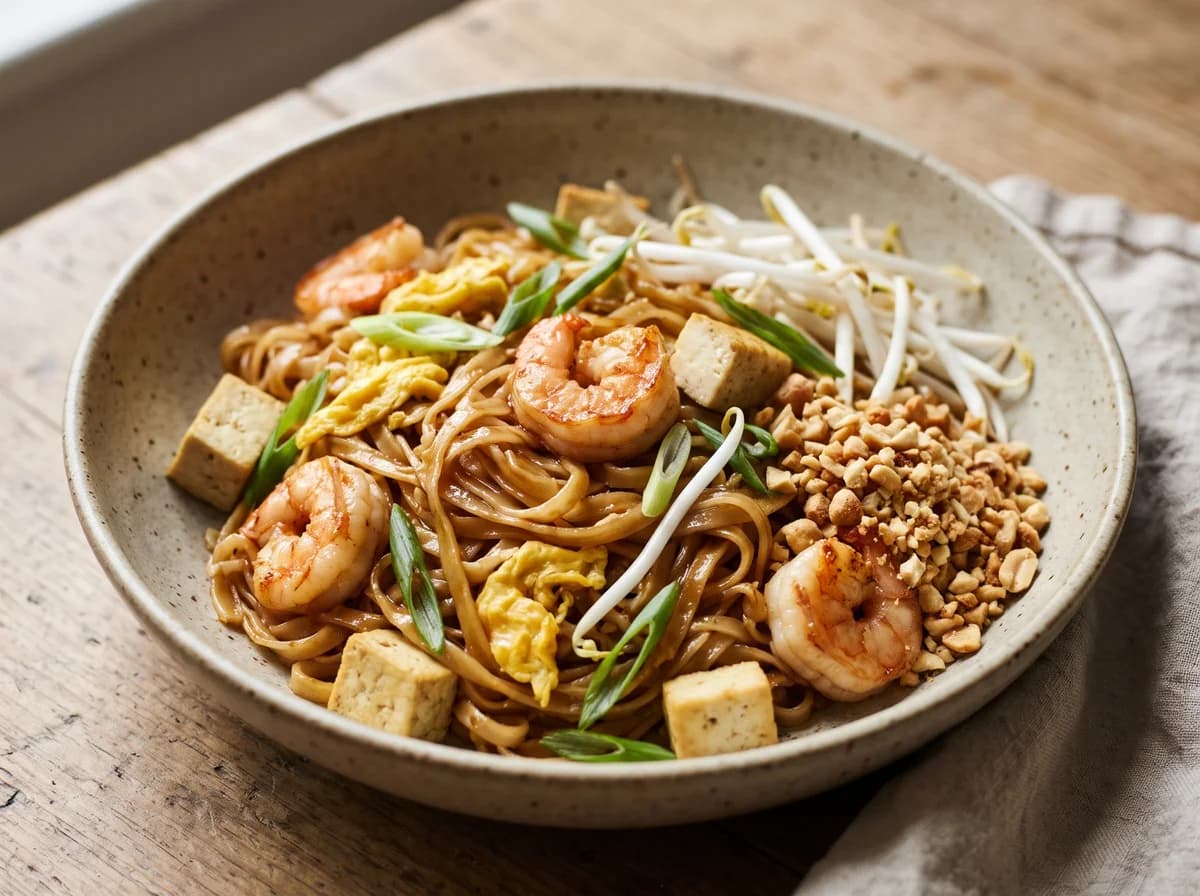
Estimated calories and US ingredient costs.
If you double this recipe, cook it in two batches or use a very large 14-inch wok so the noodles fry instead of steaming. Keep the sauce mixed once, then split the noodles, shrimp, and tofu between batches. The heat level and cook times stay the same; only the pan capacity should change.
Your whole cook, in one place.
Ingredients, steps and a live timeline. Ready for 2 people.
Step timeline
Cooking order
8 leftMix the sauce and soak the noodles
~20 min cookMix the sauce and soak the noodles.
In a small bowl, whisk together the tamarind concentrate, fish sauce, brown sugar, and water until the sugar mostly dissolves.
Put the 4 oz dry flat rice noodles in a large bowl and cover them with enough hot tap water to submerge them by about 1 inch.
Soak for 20 minutes until pliable but still a little firm in the center
Ingredients
- 4 ozDry flat rice noodles
- 2 tbspTamarind concentrate
- 1 1/2 tbspFish sauce
- 2 tbsp total for recipeWater
Drain well and shake off excess water
After ~20 minthen drain well and shake off excess water.
If the noodles are fully soft before cooking, they can turn mushy in the skillet.
Prep the proteins and aromatics
~20 minPrep the proteins and aromatics.
While the noodles soak, keep the 8 oz raw shrimp patted dry and the 4 oz extra-firm tofu cut into cubes.
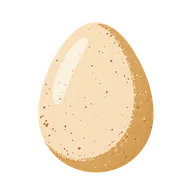
Beat the 2 large eggs with the 1/4 tsp fine salt in a small bowl so they are ready to pour.
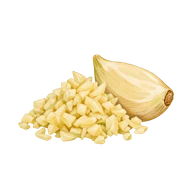
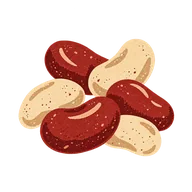
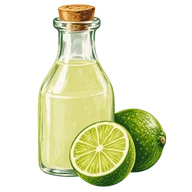
Slice the 1 oz scallions, chop the 1 oz roasted peanuts, and measure the 1 tsp minced garlic, 2 oz mung bean sprouts, and 2 tbsp lime juice so the stir-fry moves quickly once the pan is hot.
Ingredients
- 4 oz total for recipeDry flat rice noodles
- 2Large eggs, beaten
- 1 tspGarlic
- 2 ozMung bean sprouts
- 1 ozScallions
- 1 ozRoasted peanuts
- 2 tbspLime juice
- 1/4 tspFine salt
Brown the tofu and shrimp
~8 minBrown the tofu and shrimp.
Heat 1 tbsp of the neutral oil in a 12-inch skillet or wok over medium-high heat.
Add the tofu cubes in a single layer and cook for 3 to 4 minutes, turning once or twice, until they are lightly golden on more than one side.
Add the shrimp and cook for 1 to 2 minutes per side, just until they turn pink and opaque.
Ingredients
- 8 oz total for recipeRaw shrimp
- 4 oz total for recipeExtra-firm tofu, pressed and cut into 1/2-inch cubes
- 1 tbspNeutral oil

Scramble the eggs
~1 minScramble the eggs.
Add the remaining 1 tbsp neutral oil to the same pan.
Stir in the minced garlic and cook for about 20 seconds, just until fragrant but not browned.
Pour in the beaten eggs and let them set for a few seconds, then gently scramble with a spatula into soft curds.
Leave the eggs slightly underdone, because they will finish cooking when the noodles go back in.
Ingredients
- 2 total for recipeLarge eggs, beaten
- 1 tsp total for recipeGarlic
- 1 tbspNeutral oil
Toss in the noodles and sauce
~3 minToss in the noodles and sauce.
Add the drained noodles to the pan and pour in the tamarind-fish sauce mixture.
Toss constantly over medium-high heat for 2 to 3 minutes, lifting and turning the noodles so they absorb the sauce instead of clumping.
If the pan looks dry before the noodles are tender, add 1 to 2 tbsp water around the edge of the pan.
The sauce should cling in a thin glossy coating, not pool at the bottom.
Ingredients
- 4 oz total for recipeDry flat rice noodles
Finish and plate
~1 minFinish
Return the shrimp and tofu to the pan, then add the bean sprouts and scallions.
Toss for 30 to 45 seconds, just until the sprouts soften slightly but still stay crisp.
Turn off the heat, add the lime juice, and fold in half of the chopped peanuts.
Ingredients
- 2 oz total for recipeMung bean sprouts
- 1 oz total for recipeScallions
- 2 tbsp total for recipeLime juice
Serve meal
~1 minOnce all dishes are cooked and ready, plate and serve the meal together.
Pad thai: Transfer both to a plate so they do not overcook.
Pad thai: plate.
Pad thai: Divide the pad thai between 2 plates or bowls, then top with the remaining peanuts and extra scallions if you saved some.
Pad thai: Serve immediately while the noodles are hot and springy.
Make the next one yours.
Create a custom meal with what you have.
Read the traditional recipe
Ingredients
For 2 people
- 4 oz dry flat rice noodles
- 8 oz raw shrimp, peeled and deveined
- 4 oz extra-firm tofu, pressed and cut into 1/2-inch cubes
- 2 large eggs, beaten
- 2 tbsp tamarind concentrate
- 1 1/2 tbsp fish sauce
- 1 1/2 tbsp packed light brown sugar
- 2 tbsp water
- 1 tsp minced garlic
- 2 tbsp neutral oil
- 2 oz mung bean sprouts
- 1 oz scallions, sliced
- 1 oz roasted peanuts, chopped
- 2 tbsp lime juice
- 1/4 tsp fine salt
Method
- Mix the sauce and soak the noodlesIn a small bowl, whisk together the tamarind concentrate, fish sauce, brown sugar, and water until the sugar mostly dissolves. Put the 4 oz dry flat rice noodles in a large bowl and cover them with enough hot tap water to submerge them by about 1 inch. Soak for 20 minutes until pliable but still a little firm in the center, then drain well and shake off excess water. If the noodles are fully soft before cooking, they can turn mushy in the skillet.
- Prep the proteins and aromaticsWhile the noodles soak, keep the 8 oz raw shrimp patted dry and the 4 oz extra-firm tofu cut into cubes. Beat the 2 large eggs with the 1/4 tsp fine salt in a small bowl so they are ready to pour. Slice the 1 oz scallions, chop the 1 oz roasted peanuts, and measure the 1 tsp minced garlic, 2 oz mung bean sprouts, and 2 tbsp lime juice so the stir-fry moves quickly once the pan is hot.
- Brown the tofu and shrimpHeat 1 tbsp of the neutral oil in a 12-inch skillet or wok over medium-high heat. Add the tofu cubes in a single layer and cook for 3 to 4 minutes, turning once or twice, until they are lightly golden on more than one side. Add the shrimp and cook for 1 to 2 minutes per side, just until they turn pink and opaque. Transfer both to a plate so they do not overcook.
- Scramble the eggsAdd the remaining 1 tbsp neutral oil to the same pan. Stir in the minced garlic and cook for about 20 seconds, just until fragrant but not browned. Pour in the beaten eggs and let them set for a few seconds, then gently scramble with a spatula into soft curds. Leave the eggs slightly underdone, because they will finish cooking when the noodles go back in.
- Toss in the noodles and sauceAdd the drained noodles to the pan and pour in the tamarind-fish sauce mixture. Toss constantly over medium-high heat for 2 to 3 minutes, lifting and turning the noodles so they absorb the sauce instead of clumping. If the pan looks dry before the noodles are tender, add 1 to 2 tbsp water around the edge of the pan. The sauce should cling in a thin glossy coating, not pool at the bottom.
- Finish and plateReturn the shrimp and tofu to the pan, then add the bean sprouts and scallions. Toss for 30 to 45 seconds, just until the sprouts soften slightly but still stay crisp. Turn off the heat, add the lime juice, and fold in half of the chopped peanuts. Divide the pad thai between 2 plates or bowls, then top with the remaining peanuts and extra scallions if you saved some. Serve immediately while the noodles are hot and springy.
Before you cook
What to get ready
Large skillet or wok, bowl for soaking noodles, tongs and small sauce bowls.
Have soaked noodles, sauce, beaten eggs and toppings ready before the skillet heats.
If something needs adjusting
Noodles break into short pieces
Avoid over-soaking and toss gently; add water a little at a time only if still firm.
Doubling the recipe makes it steam
Cook in smaller batches rather than crowding one pan; noodles need space for moisture to evaporate and sauce to coat them.
Store for later
Refrigerate noodles and cooked proteins promptly in shallow portions. Reheat to 165°F with a small splash of water; delicate noodles soften with repeated cooking.
Refrigerate perishables within 2 hours, or 1 hour above 90°F. Keep the fridge at 40°F or below; use refrigerated leftovers within 3–4 days. USDA storage and reheating guidance.
Make the ingredients go further
Use extra tofu in a broccoli stir-fry and freeze spare peanuts airtight.
Next use for your ingredients: Tofu stir fry with broccoli →
Calculate this meal with your own prices →
Cooking notes updated October 24, 2026. How we create recipes.
Tips, swaps and questions
A little kitchen know-how
Keep the pan hot and toss constantly once the noodles go in. If the noodles seem tight or dry, add a small splash of water at the pan edge rather than more sauce, which can make the dish overly salty and muddy the flavor. The final texture should be glossy, springy, and just barely saucy.
Make it work for you
For a chicken version, replace the shrimp with 8 oz thin-sliced boneless skinless chicken thigh. Brown it first in the hot oil until fully cooked through, then continue with the eggs and noodles. Chicken needs a little more time and direct heat than shrimp, so expect a slightly longer first stir-fry stage.
Use more of your eggs and bean sprouts in bibimbap.
Why do my pad thai noodles clump instead of turning silky?
The usual cause is noodles that were soaked too long or a pan that was not hot enough. Drain the noodles well, use a wide skillet or wok, and keep the sauce in the pan only long enough to coat the strands. If the noodles still feel stiff, add water in tiny splashes so they loosen without turning pasty.
Times are estimates. Check ingredients for allergens. For safe temperatures and storage, see FoodSafety.gov.