Tonkotsu ramen
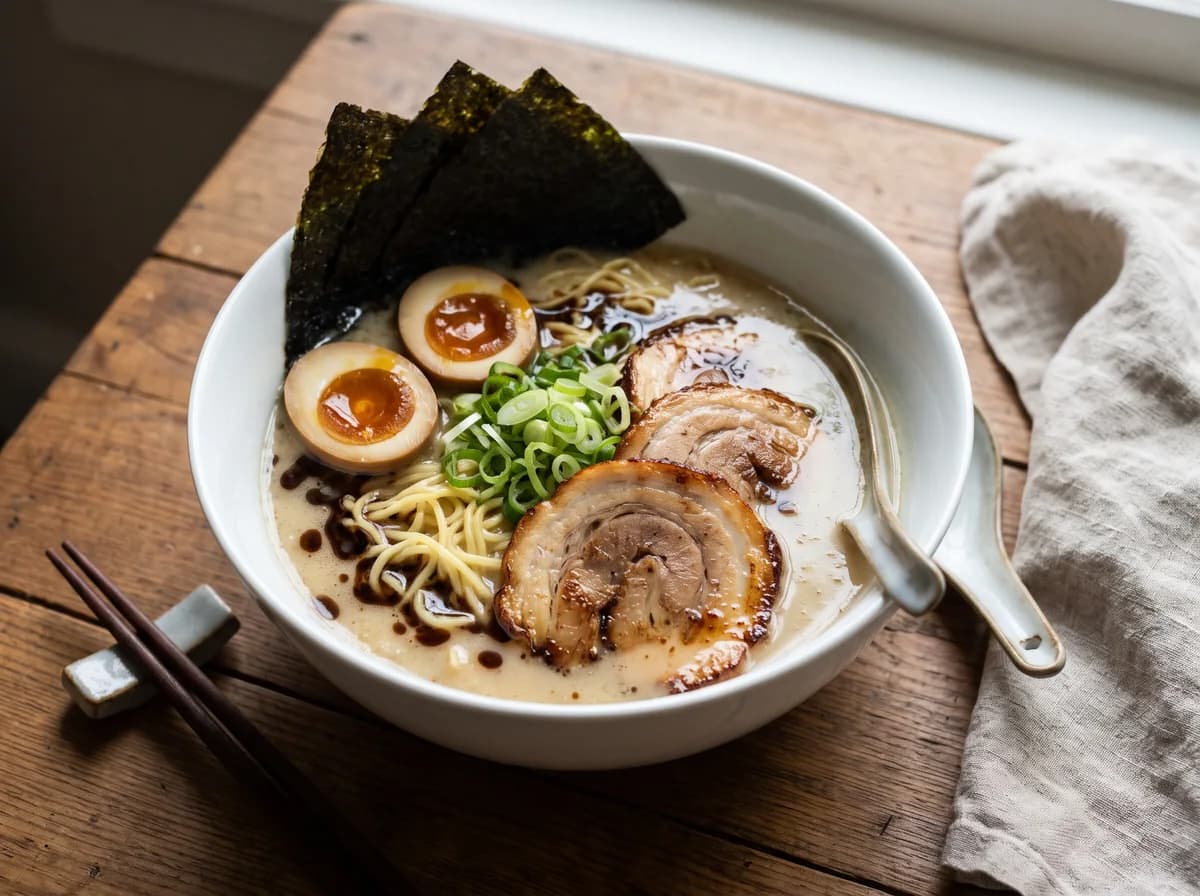
A home-friendly tonkotsu ramen with a deeply savory pork-bone broth, soy tare, garlicky oil, springy noodles, jammy eggs, and sliced chashu. Makes 4 bowls. The broth is simmered hard enough to turn creamy and opaque, then assembled with toppings just before serving.
Estimated calories and US ingredient costs.
For larger batches, keep the broth in the widest stockpot you have so evaporation and emulsification stay balanced. Do not double the broth in a small pot; use the same simmering intensity and add hot water as needed. Noodle cooking time stays the same, but bowls should be warmed before assembly so the soup stays hot.
Your whole cook, in one place.
Ingredients, steps and a live timeline. Ready for 4 people.
Step timeline
Cooking order
11 leftBlanch the bones
~10 min cookBlanch the bones.
Put the pork neck bones and split pork trotters in a large stockpot and cover with enough water to submerge by 2 inches.
Bring to a boil over high heat for 10 minutes, then pour everything into a colander and rinse the bones, trotters, and pot to remove gray scum.
This first blanch keeps the finished broth cleaner while still allowing the fat and collagen to emulsify later.
Ingredients
- 26 cups total for recipeWater

Check the dish
After ~10 minCheck Tonkotsu ramen and continue when ready.
Start the tonkotsu broth
~150 minStart the tonkotsu broth.
Return the rinsed bones and trotters to the pot with 20 cups water, the sliced onion, ginger, and 2 of the green onions.
Bring to a boil over high heat, then reduce only slightly so the broth keeps a strong, active simmer.
Cook uncovered for 5 1/2 hours, stirring and scraping the bottom every 20 to 30 minutes.
Add 2 cups hot water anytime the bones are no longer covered.
The broth should look milky, not clear, and should taste rich rather than thin.
Ingredients
- 20 cupsWater
Make the chashu and eggs
~227 minMake the chashu and eggs.
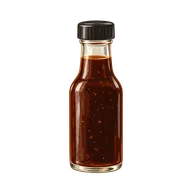
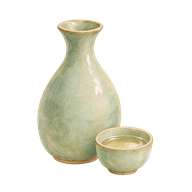
While the broth simmers, combine the pork belly, 1/2 cup soy sauce, 1/4 cup mirin, 2 tbsp sake, 1 tbsp sugar, and 2 cups water in a medium saucepan that fits the belly snugly.
Bring to a gentle simmer, then cover and cook on low for 1 hour 30 minutes, turning once halfway through.
In a separate small saucepan, bring 4 cups water to a boil and cook the eggs for 7 minutes, then move them to ice water for 10 minutes, peel them, and keep chilled with the pork.
Refrigerate both within 2 hours so they stay food-safe and slice cleanly.
Ingredients
- 2 cupsWater
- 1/2 cupSoy sauce
- 1/4 cupMirin
- 2 tbspSake
- 2 total for recipeLarge eggs


Strain and season the broth
~20 minStrain and season the broth.
Strain the broth through a fine-mesh sieve into a clean pot, pressing the softened onion and ginger lightly for flavor but not forcing bone fragments through.
Discard the solids.
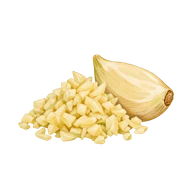
Stir in the remaining 2 tsp minced garlic.
Keep the broth at a bare simmer while you make the tare and oil.
If the broth seems too thick after straining, loosen it with a little hot water; if it seems thin, simmer it uncovered for 15 to 20 minutes until it lightly coats a spoon.
Ingredients
- 2 tspGarlic
Cook the garlic-scallion oil and tare
~4 minCook the garlic-scallion oil and tare.
In a small skillet, warm the neutral oil over medium-low heat with the toasted sesame oil, then add the remaining 2 tsp minced garlic and the remaining 2 green onions.
Cook for 3 to 4 minutes, stirring often, until the garlic is pale gold and fragrant, not brown.
For each bowl
The hot broth will dilute it to the right salinity when assembled.
Ingredients
- 2 tspGarlic
- 2Green onions, 2 oz sliced
- 1/4 cupNeutral oil
- 2 tspToasted sesame oil

Cook the noodles
~3 min cookCook the noodles.
Bring a separate pot of water to a rolling boil.
Cook the fresh ramen noodles according to the package timing, usually 2 to 3 minutes, until springy and just tender
Ingredients
- 26 cups total for recipeWater
- 12 oz total for recipeFresh ramen noodles
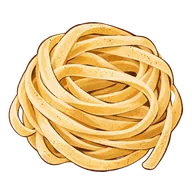
Drain well and divide immediately among 4 warmed bowls
After ~3 minDrain well and divide immediately among 4 warmed bowls.
Fresh noodles go straight into the broth, so do not overcook them or they will soften too quickly.
Slice and portion the toppings
~21 minSlice and portion the toppings.
Slice the chashu pork belly into 1/4-inch pieces.
Halve the eggs lengthwise.
Cut the nori sheets into quarters if you have not already done so.
Arrange the pork and egg halves over the noodles so each bowl gets a balanced topping portion.
Ingredients
- 2 total for recipeLarge eggs
- 12 oz total for recipeFresh ramen noodles
Assemble and serve
~21 minAssemble
Top with chashu, egg halves, and 2 nori pieces per bowl.
Ingredients
- 2 total for recipeLarge eggs
Serve meal
~1 minOnce all dishes are cooked and ready, plate and serve the meal together.
Tonkotsu ramen: Transfer the pork to a plate.
Tonkotsu ramen: spoon 1 1/2 tbsp soy sauce into a serving bowl as the tare.
Tonkotsu ramen: serve.
Tonkotsu ramen: Ladle about 2 cups hot broth into each bowl over the noodles and tare, then finish each bowl with a spoonful of the garlic-scallion oil.
Tonkotsu ramen: Serve immediately while the noodles still have bite and the broth is steaming hot; the surface should look glossy with a light sheen of fat and emulsified broth rather than separated oil.
Make the next one yours.
Create a custom meal with what you have.
Read the traditional recipe
Ingredients
For 4 people
- 3 lb pork neck bones, cut into 2-inch pieces
- 2 lb pork trotters, split lengthwise
- 26 cups water
- 1 large yellow onion, 8 oz sliced
- 1 oz ginger, thinly sliced
- 4 tsp minced garlic
- 4 green onions, 2 oz sliced
- 1/2 cup soy sauce
- 1/4 cup mirin
- 1 tbsp granulated sugar
- 12 oz pork belly, skin-on
- 2 tbsp sake
- 2 large eggs
- 12 oz fresh ramen noodles
- 1/4 cup neutral oil
- 2 tsp toasted sesame oil
- 2 sheets nori, cut into quarters
Method
- Blanch the bonesPut the pork neck bones and split pork trotters in a large stockpot and cover with enough water to submerge by 2 inches. Bring to a boil over high heat for 10 minutes, then pour everything into a colander and rinse the bones, trotters, and pot to remove gray scum. This first blanch keeps the finished broth cleaner while still allowing the fat and collagen to emulsify later.
- Start the tonkotsu brothReturn the rinsed bones and trotters to the pot with 20 cups water, the sliced onion, ginger, and 2 of the green onions. Bring to a boil over high heat, then reduce only slightly so the broth keeps a strong, active simmer. Cook uncovered for 5 1/2 hours, stirring and scraping the bottom every 20 to 30 minutes. Add 2 cups hot water anytime the bones are no longer covered. The broth should look milky, not clear, and should taste rich rather than thin.
- Make the chashu and eggsWhile the broth simmers, combine the pork belly, 1/2 cup soy sauce, 1/4 cup mirin, 2 tbsp sake, 1 tbsp sugar, and 2 cups water in a medium saucepan that fits the belly snugly. Bring to a gentle simmer, then cover and cook on low for 1 hour 30 minutes, turning once halfway through. Transfer the pork to a plate. In a separate small saucepan, bring 4 cups water to a boil and cook the eggs for 7 minutes, then move them to ice water for 10 minutes, peel them, and keep chilled with the pork. Refrigerate both within 2 hours so they stay food-safe and slice cleanly.
- Strain and season the brothStrain the broth through a fine-mesh sieve into a clean pot, pressing the softened onion and ginger lightly for flavor but not forcing bone fragments through. Discard the solids. Stir in the remaining 2 tsp minced garlic. Keep the broth at a bare simmer while you make the tare and oil. If the broth seems too thick after straining, loosen it with a little hot water; if it seems thin, simmer it uncovered for 15 to 20 minutes until it lightly coats a spoon.
- Cook the garlic-scallion oil and tareIn a small skillet, warm the neutral oil over medium-low heat with the toasted sesame oil, then add the remaining 2 tsp minced garlic and the remaining 2 green onions. Cook for 3 to 4 minutes, stirring often, until the garlic is pale gold and fragrant, not brown. For each bowl, spoon 1 1/2 tbsp soy sauce into a serving bowl as the tare. The hot broth will dilute it to the right salinity when assembled.
- Cook the noodlesBring a separate pot of water to a rolling boil. Cook the fresh ramen noodles according to the package timing, usually 2 to 3 minutes, until springy and just tender. Drain well and divide immediately among 4 warmed bowls. Fresh noodles go straight into the broth, so do not overcook them or they will soften too quickly.
- Slice and portion the toppingsSlice the chashu pork belly into 1/4-inch pieces. Halve the eggs lengthwise. Cut the nori sheets into quarters if you have not already done so. Arrange the pork and egg halves over the noodles so each bowl gets a balanced topping portion.
- Assemble and serveLadle about 2 cups hot broth into each bowl over the noodles and tare, then finish each bowl with a spoonful of the garlic-scallion oil. Top with chashu, egg halves, and 2 nori pieces per bowl. Serve immediately while the noodles still have bite and the broth is steaming hot; the surface should look glossy with a light sheen of fat and emulsified broth rather than separated oil.
Before you cook
What to get ready
Large stockpot, fine strainer, separate noodle saucepan, tongs and shallow cooling containers.
Allow the full broth-making time and use a large stockpot with safe headroom; prepare noodles separately.
If something needs adjusting
Broth volume falls too far
Maintain the recipe's liquid level with hot water during the long cook and season only after reducing.
Seasoning becomes overpowering
Keep concentrated tare separate until assembly and season individual bowls after the broth's final volume is known.
Store for later
Cool broth rapidly in shallow portions, using an ice-water bath to assist, and refrigerate promptly. Store noodles and toppings separately; reheat leftovers to 165°F.
Refrigerate perishables within 2 hours, or 1 hour above 90°F. Keep the fridge at 40°F or below; use refrigerated leftovers within 3–4 days. USDA storage and reheating guidance.
Make the ingredients go further
Freeze strained broth in meal-sized portions; prepare only the noodles needed now.
Next use for your ingredients: Chicken noodle soup →
Calculate this meal with your own prices →
How to Cool and Store Leftovers →
Cooking notes updated October 24, 2026. How we create recipes.
Tips, swaps and questions
A little kitchen know-how
A true tonkotsu-style broth benefits from a hard simmer, not a lazy one. If the liquid stops moving, the broth stays thinner and less opaque. Keep the pot lively and add hot water as needed so the bones stay submerged. For cleaner slices, chill the chashu and eggs before cutting.
Make it work for you
If you cannot source pork trotters, use 3 lb meaty pork neck bones plus 1 lb pork shoulder bones, but expect a slightly lighter broth and fewer gelatinous body notes. Avoid replacing the pork belly with lean loin, because it will dry out during the long braise and will not give classic chashu texture.
Use more of your soy sauce and mirin in soy glazed king oyster mushrooms.
Why is my tonkotsu broth not creamy and opaque?
The broth usually stays pale when the pot is only barely simmering or when the bones are not fully covered. Keep it at a strong, uncovered simmer so fat and collagen emulsify into the liquid, and add hot water during the cook if the bones start peeking above the surface. Straining too aggressively through a coarse sieve can also leave the broth gritty instead of silky.
Times are estimates. Check ingredients for allergens. For safe temperatures and storage, see FoodSafety.gov.