Start by tasting, then decide what kind of dish it is
Taste the food while it is hot, then wait about 30 seconds and taste again. Salt can seem sharper when steam is hitting your nose, so a second taste helps you judge the real problem instead of overcorrecting.
Next, identify whether the salt is mainly in a liquid, a sauce, or a solid dish. Liquid foods are easiest to rescue because you can spread the salt through more volume. Solid foods usually need a second ingredient or a different serving plan.
- Soups, stews, and braises usually need dilution first.
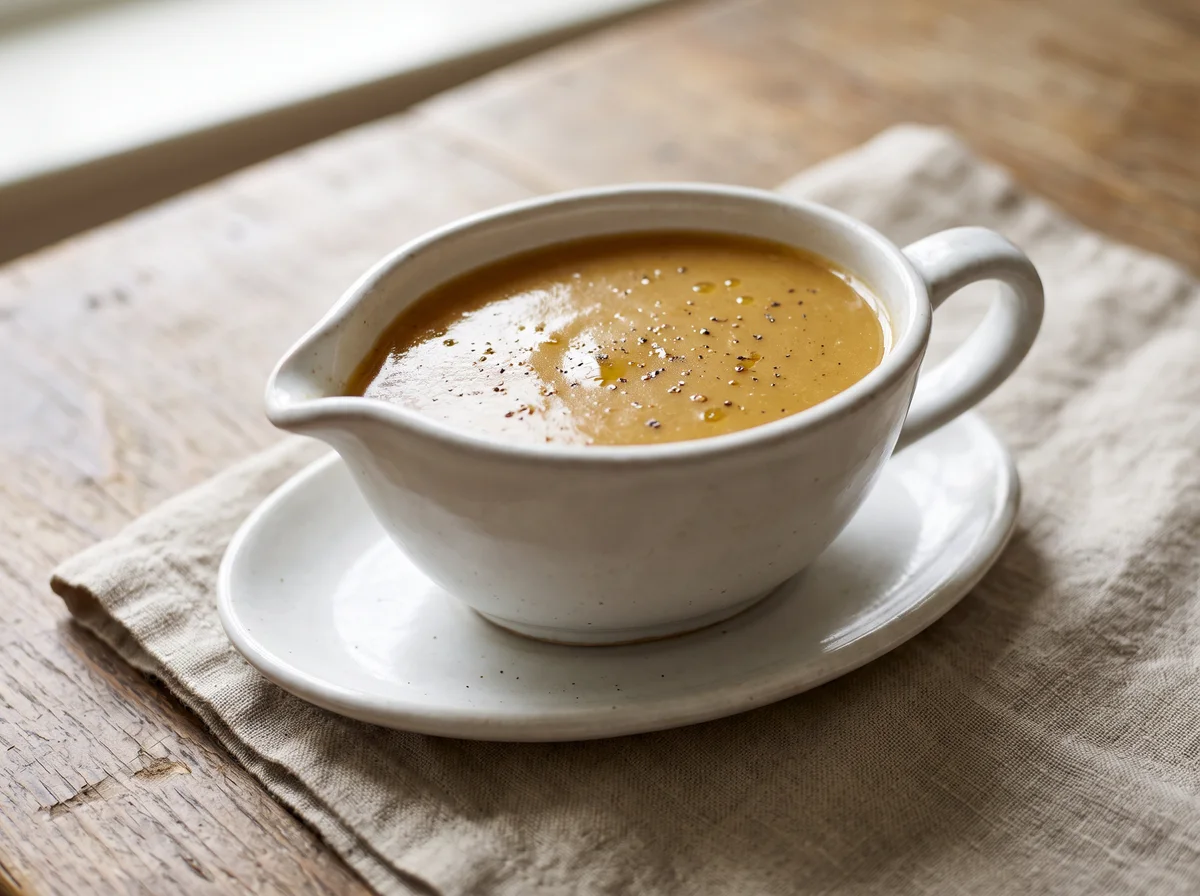
- Sauces can often be fixed with more liquid, fat, or a small thickener.
- Rice, pasta, beans, meat, and vegetables usually need a fresh unsalted partner or a larger batch.
Dilute the salt, then simmer briefly
Add unsalted stock, water, milk, cream, or plain tomato purée in small amounts. For 2 cups of salty soup or sauce, start with 1/4 to 1/2 cup. Stir well, then bring the pot back to a gentle simmer over medium-low heat for 3 to 5 minutes.
Taste with a clean spoon after each addition. Stop when the salt is still present but no longer aggressive. If the pot starts looking too thin, do not keep boiling hard. A hard boil reduces liquid and can make the salt problem worse.
- Use unsalted broth if you have it, not regular broth.
- If you add water, add only enough to loosen the flavor, not enough to wash it away.
- If the dish turns watery, plan to thicken it after the salt is under control.
Use fat, acid, and a little sweetness to soften the edges
Once the salt is diluted, look at the flavor balance. A small amount of fat, acid, or sweetness can make salt seem less loud. For 1 cup of sauce, try 1 tablespoon butter or olive oil, 1 teaspoon lemon juice or vinegar, or 1/4 teaspoon sugar. Taste after each addition.
Tomato-based dishes often respond well to a spoonful of cream, ricotta, or coconut milk. Broth-based soups usually benefit more from acid than from sugar. The goal is not to make the food sweet or rich, only to round off the sharp salt finish.
| Dish type | Best rescue | How to use it | Watch out |
|---|---|---|---|
| Soup or stew | Unsalted stock or water | Add 1/4 to 1/2 cup at a time, then simmer 3 to 5 minutes | Do not boil hard or the liquid will reduce again |
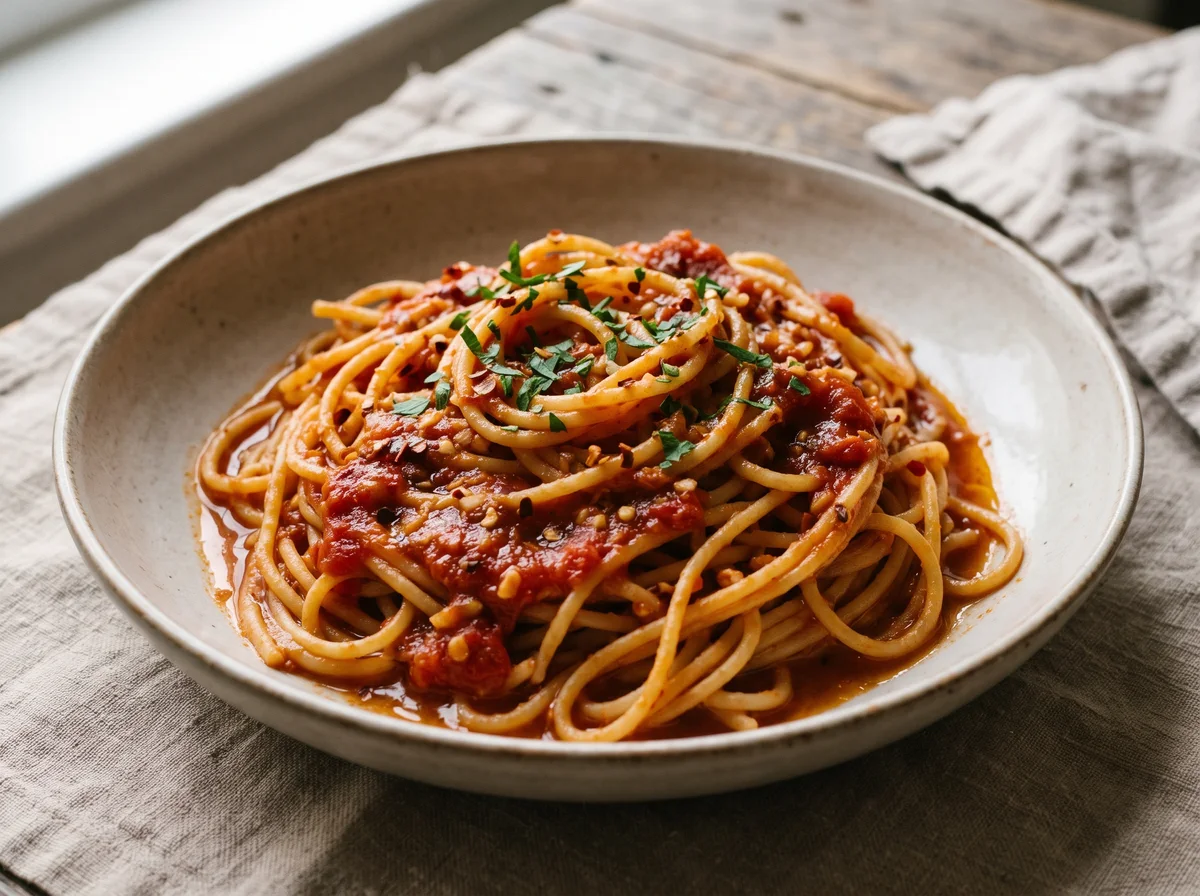
| Tomato sauce | More tomato plus a little butter or sugar | Stir in 1/4 cup plain tomato purée or 1 tablespoon butter | Avoid turning the sauce sweet |
| Cream sauce | Unsalted cream or milk plus a little lemon | Add 1 to 2 tablespoons at a time | Too much acid can make dairy separate |
| Bean, rice, or pasta dish | More unsalted cooked base | Fold in 1 cup fresh unsalted food per 2 cups salty food | Season the added batch lightly, if at all |
For solid foods, stretch the dish instead of chasing the salt
Rice, pasta, beans, and roasted vegetables often fix best when you mix them with a fresh unsalted batch. Start with a 1:1 ratio. If the food is still too salty, keep adding the neutral base until the salt fades into the background.
For meat, fish, or tofu, slice it thin and serve it with a mild sauce, plain starch, or extra vegetables. If you are working with a braise, lift out the main ingredient, add unsalted liquid plus onions, carrots, or potatoes to the pan, and simmer 5 to 10 minutes before returning the food just long enough to warm through.
- A salty batch of rice can become fried rice, soup, or a casserole with more plain rice and vegetables.
- A too-salty roast chicken can be sliced and served in sandwiches or salads with an unsalted dressing.
- A salty vegetable side can be folded into eggs, grains, or a gratin with plenty of plain dairy or sauce.
Common mistakes that make the problem worse
Do not keep boiling a salty pot hard. Reduction concentrates salt, so use a gentle simmer once you have added the fix. Do not keep dumping in sugar either. Sweetness should soften the edges, not make the dish taste like dessert.
If the dish is still too sharp after one rescue, step back and think in volume. Sometimes the cleanest fix is to turn one salty pot into the base for a bigger one with more vegetables, beans, pasta, or broth.
- Too watery after dilution: thicken with a small roux or another body-building ingredient.
- Too much acid: round it out with butter, cream, or a pinch of sugar.
- Still too salty after the first rescue: combine it with a second, unsalted batch.
Save leftovers safely and prevent the next oversalted batch
If you are saving the rescued food, cool it quickly and refrigerate within 2 hours, or within 1 hour if the room is above 90 F. Keep the fridge at 40 F or below and use leftovers within 3 to 4 days. Reheat leftovers to 165 F before serving.
For rice dishes, do not leave the pot on the counter. Move the food into a shallow container so it cools fast, then chill it promptly. Next time you cook, season in stages and hold back salty ingredients like soy sauce, olives, cured meat, Parmesan, or bouillon until the end.
Sources: FoodSafety.gov: Four steps to food safetyFoodSafety.gov: Safe minimum internal temperaturesFoodSafety.gov: Cold storage chart
Common questions
Can I fix salty soup without adding more liquid?
Sometimes. You can soften the flavor with more vegetables, beans, pasta, cream, or a little fat and acid, but if the salt is truly concentrated, dilution is still the most reliable fix.
Does a potato remove salt from food?
Not reliably. A potato can add bulk and change the balance of the dish, but it is not a magic salt remover. Treat it as one ingredient in the rescue, not the whole solution.
What should I do if my sauce is salty and too thin?
First dilute the salt with a small amount of unsalted liquid, then rebuild body with a little roux, cream, or another thickening ingredient. Keep the heat gentle so you do not reduce it back down.